
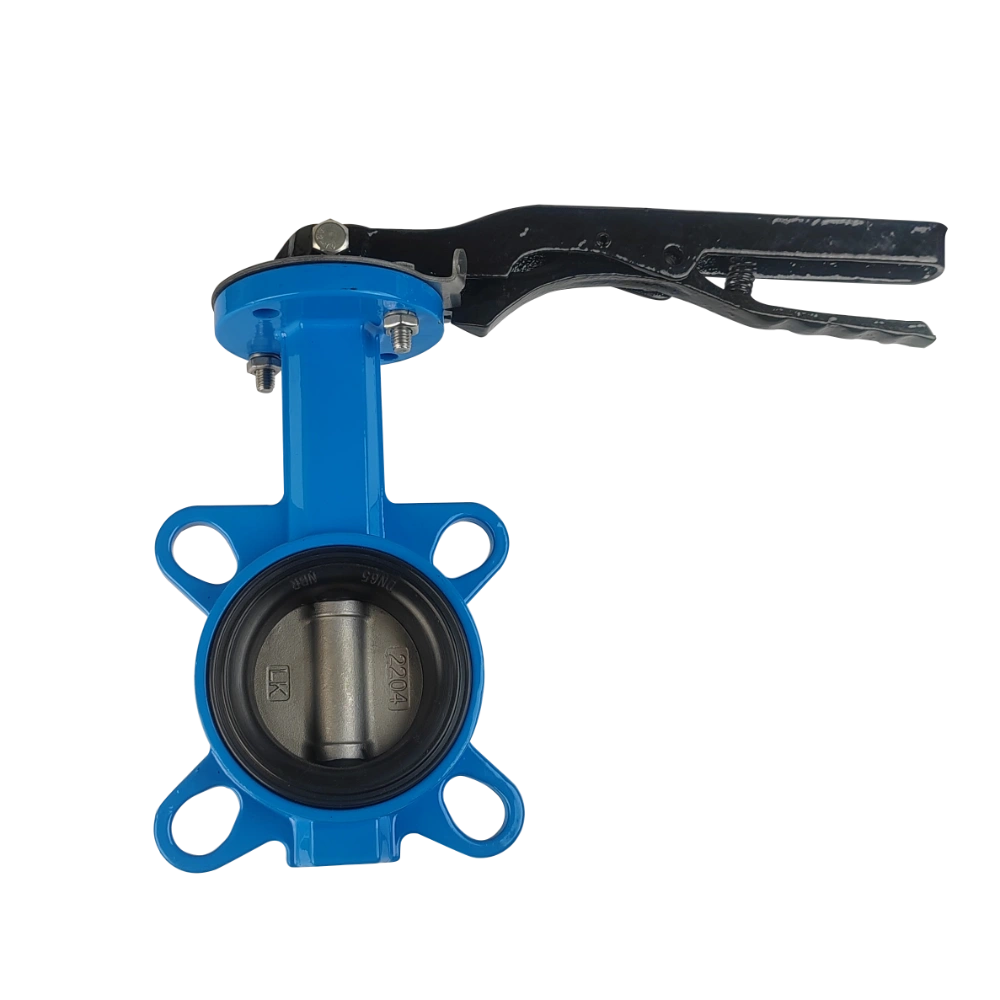
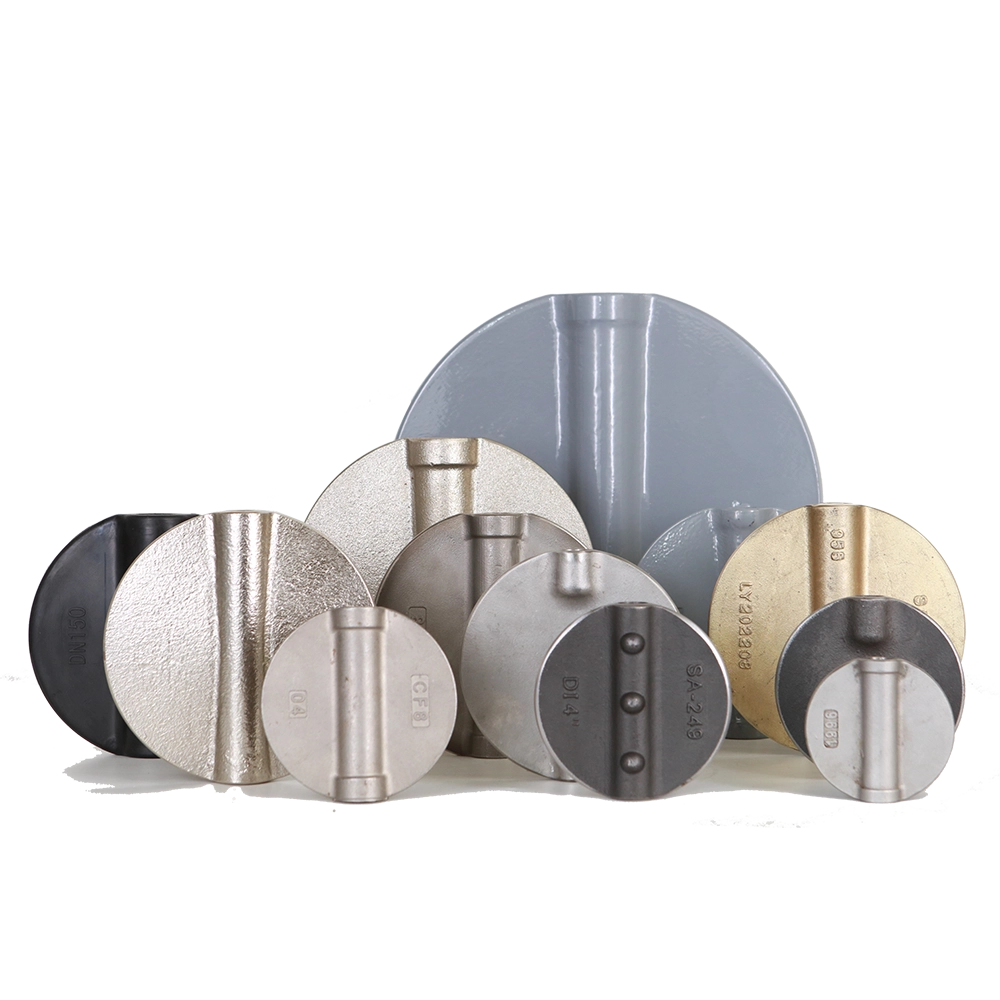
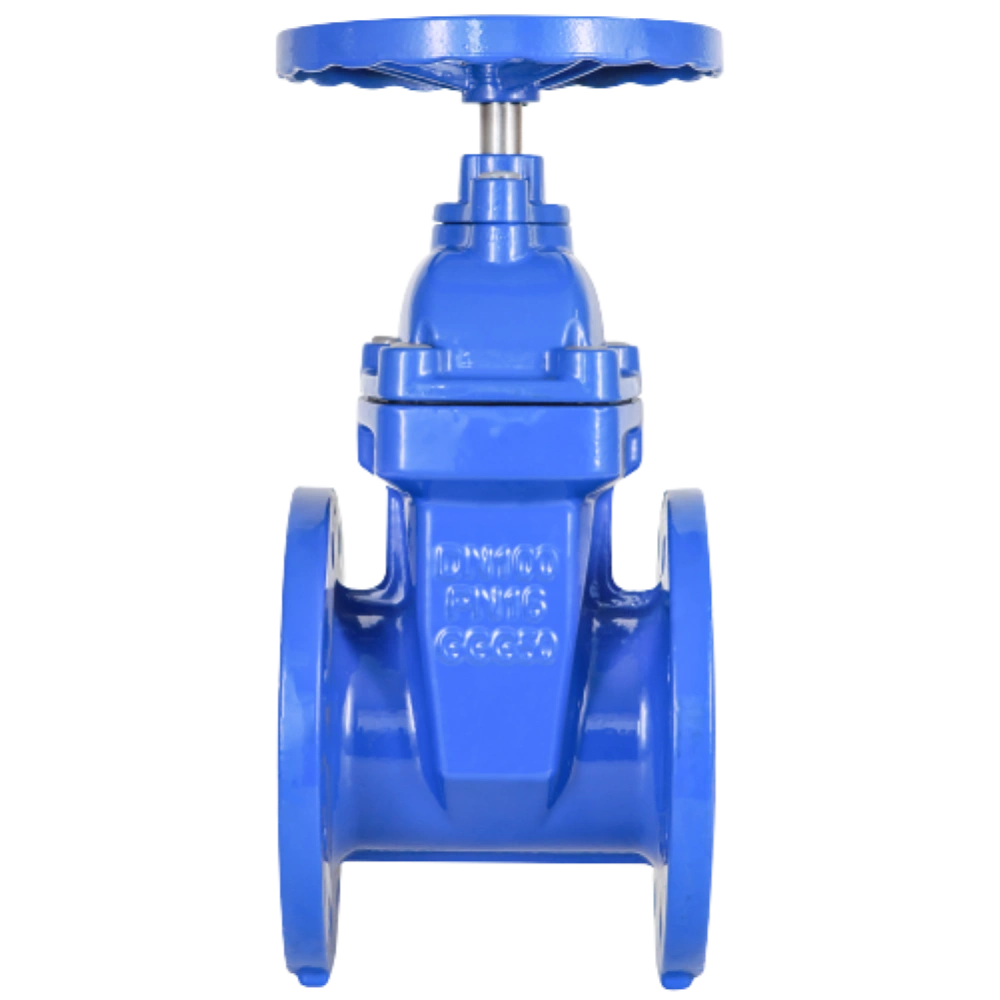
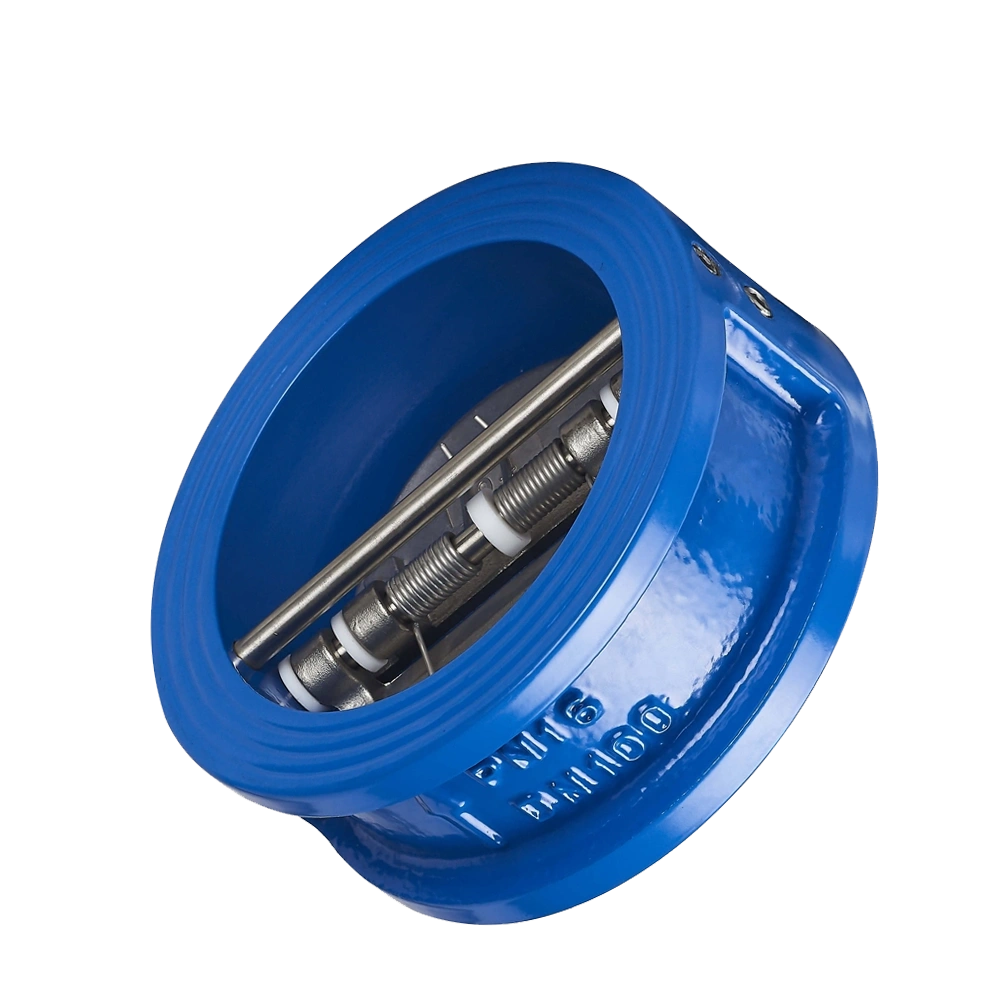
When customers purchase triple eccentric butterfly valves, they typically debate to choose between two sealing design types: metal-to-metal seat butterfly valves vs multi-layer sealing butterfly valves.
Although both utilize triple-offset technology to minimize friction, differences in their construction significantly impact performance, leakage rates, and service life.
Let’s explore their similarities and differences to guide you in selecting the right valve.
1. Features of Multi-Layer Triple Eccentric Butterfly Valves

Multi-layer butterfly valves have a complex sealing structure. The sealing ring consists of multiple layers, typically combining metal (often stainless steel) with soft materials like graphite or PTFE. This design balances the rigidity of metal with the flexibility of soft sealing materials.
The valve plate are assembled in layers, each with an independent sealing structure. This reduces leakage risks. Even if particles damage some layers during closure, undamaged layers maintain the seal.
These valves excel in high-pressure, high-flow applications, such as crude oil, natural gas, or water pipelines. They operate reliably from -29°C to 425°C. WCB material is a cost-effective choice for the valve body.
2. Features of Metal-to-Metal Seat Butterfly Valves

Metal-to-metal seat butterfly valves feature a simple sealing design. They include a valve body, valve plate, valve shaft, and a solid metal sealing ring. Both the valve plate and seat are machined metal, typically hardened stainless steel or Stellite alloy or interlaced, without elastomeric seals. Their compact design ensures flexible opening and closing, ideal for low to high pressure, high-temperature, and low-dust environments.
When the valve plate opens, the seat aligns closely with the sealing ring. However, during closure, large or hard particles in the medium can cause friction, damaging the seat or sealing ring. This prevents a complete seal. Frequent switching increases wear, reducing the valve’s lifespan—a key drawback of metal-to-metal seat butterfly valves.
3. Comparing Metal-to-Metal vs Multi-Layer Butterfly Valve
Feature Comparison at a Glance
| Feature | Multi-Layer (Laminated) Seat | Metal-to-Metal Seat |
| Leakage Class (API 598) | Zero Leakage (Rate A / ISO 5208 Rate A) | Low Leakage (API 598 Metal Seated Allowance) |
| Temperature Range | Medium to High (-29°C to 425°C) | Extreme High/Low (-196°C up to 600°C+) |
| Media Compatibility | Clean fluids, steam, mild particulates | High-temp gas, abrasive slurries, high thermal shock |
| Sealing Resilience | High (elastic recovery of graphite) | Rigid (requires precise mechanical torque) |
| Cost Efficiency | High (lower manufacturing complexity) | Premium (requires high-grade alloys & precision machining) |
3.1 Similarities
-
Both offer one-way or two-way sealing.
-
Support replaceable sealing rings for maintenance.
-
Allow online replacement of valve seat and sealing ring.
-
Provide tighter sealing as pressure increases.
3.2 Differences
The primary differences lie in structure, application, sealing performance, and materials.
3.2.1 Structural Differences
- Multi-Layer Butterfly Valve:
Features a stack of metal sheets and graphite or PTFE.
The sealing ring has multiple layers, each with an independent sealing structure, enhancing leak prevention.


- Metal-to-Metal Butterfly Valve:
Uses a single, all-metal sealing ring and valve seat, typically forged with wear-resistant or high-temperature alloys.
3.2.3 Sealing Performance
Per the API 598 standard, multi-layer sealing valves benefit from the elastic recovery of graphite or PTFE layers. During closure, the soft layers deform to fill micro-gaps between the valve plate and seat, restoring their shape when reopened. This enables zero leakage and superior sealing performance.
In contrast, metal-to-metal seats rely on precision machining and torque. They lack elasticity or compliance, depending on tight geometric matching and mechanical interference. As a result, after being squeezed and rubbed by too many hard metal particles, metal-to-metal seat butterfly valves may have slight leakage.
Note: However, this does not mean that the all-metal sealed eccentric butterfly valve does not comply with API598. The following are the specific contents of the standard.
| Maximum Allowable Leakage Rates for Closure Tests | ||||
|---|---|---|---|---|
| Valve Size | All Resilient- seated Valves |
Metal Seated Butterfly Valves | ||
| DN (mm) |
NPS (in.) |
Liquid Test (drops/ min) |
Gas Test (bubbles/ min) |
|
| ≤50 | ≤2 | 0 | 08 | 08 |
| 65 | 21/2 | 0 | 5 | 10 |
| 80 | 3 | 0 | 6 | 12 |
| 100 | 4 | 0 | 8 | 16 |
| 125 | 5 | 0 | 10 | 20 |
| 150 | 6 | 0 | 12 | 24 |
| 200 | 8 | 0 | 16 | 32 |
| 250 | 10 | 0 | 20 | 40 |
| 300 | 12 | 0 | 24 | 48 |
| 350 | 14 | 0 | 28 | 56 |
| 400 | 16 | 0 | 32 | 64 |
| 450 | 18 | 0 | 36 | 72 |
| 500 | 20 | 0 | 40 | 80 |
| 600 | 24 | 0 | 48 | 96 |
| 650 | 26 | 0 | 52 | 104 |
| 700 | 28 | 0 | 56 | 112 |
| 750 | 30 | 0 | 60 | 120 |
| 800 | 32 | 0 | 64 | 128 |
| 900 | 36 | 0 | 72 | 144 |
| 1000 | 40 | 0 | 80 | 160 |
| 1050 | 42 | 0 | 84 | 168 |
| 1200 | 48 | 0 | 96 | 192 |
3.2.4 Materials Used
- Metal-to-Metal Sealing:
- Valve Seat: Typically Stellite or body material (WCB, SS304, SS316, SS2205, SS2507).
- Valve Plate Sealing Ring: Matches the valve plate material, with options for wear-resistant alloys.
- Multi-Layer Sealing:
- Valve Seat: Stellite or body material.
- Valve Plate Sealing Ring: Combines RPTFE/PTFE or graphite with metal for enhanced durability.
4. Choosing the Right Butterfly Valve
Metal-to-metal vs multi-layer butterfly valves have unique strengths. Select the valve type based on your application’s needs. Consider fluid pressure, temperature, flow rate, and medium composition to ensure reliable performance.
4.1 Choose a Multi-Layer Butterfly Valve:
-
Zero-leakage requirement: Suitable for applications such as oil and gas transport, chemical processing, and steam isolation, effectively preventing fugitive emissions or minor seat leakage.
-
Medium-to-high temperature service: Suitable for systems operating below 425°C, where the flexible graphite or PTFE layer maintains structural stability.
-
Fluids containing trace particulates: The flexible layer can absorb minute impurities without damaging the overall sealing surface.
4.2 Choose a Metal-to-Metal Butterfly Valve:
- Extremely high temperatures (>425°C): Operating conditions involving high-temperature flue gas, power plant exhaust, or refinery processes, where soft sealing elements would suffer burnout or performance degradation.
- Severe wear conditions: Slurries or fluids containing high concentrations of particulates, requiring components with Stellite alloy hard-facing to withstand severe erosion.
- Cryogenic applications: Liquefied Natural Gas (LNG) systems, requiring seals with an all-metal construction and inherent elasticity to accommodate the effects of extreme thermal contraction.
4.3 Unsure about Which One to Choose:
Choosing the wrong seat design can lead to premature seat wear, process leaks, or unscheduled downtime. At ZFA Valves, our engineering team helps you match exact valve specs with your fluid parameters, pressure ratings, and temperature requirements.
-
📩 Contact Our Engineers: [email protected]