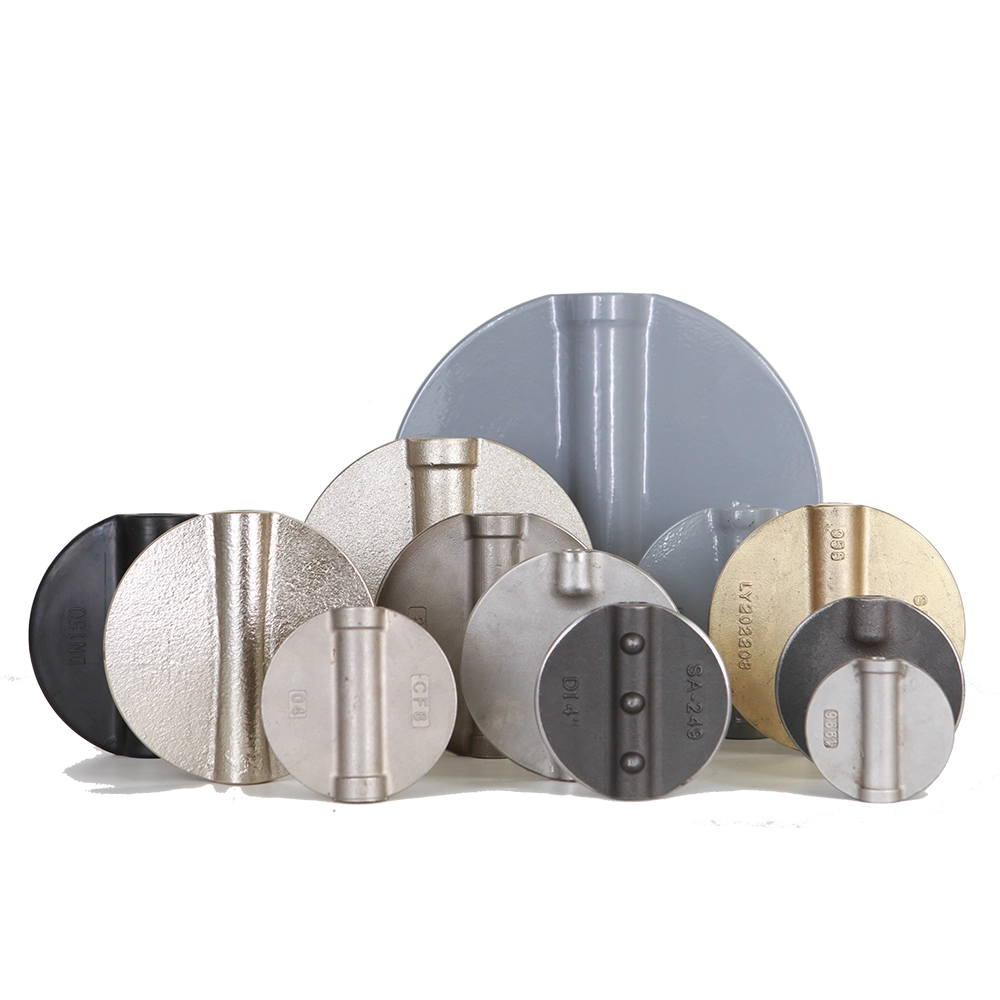
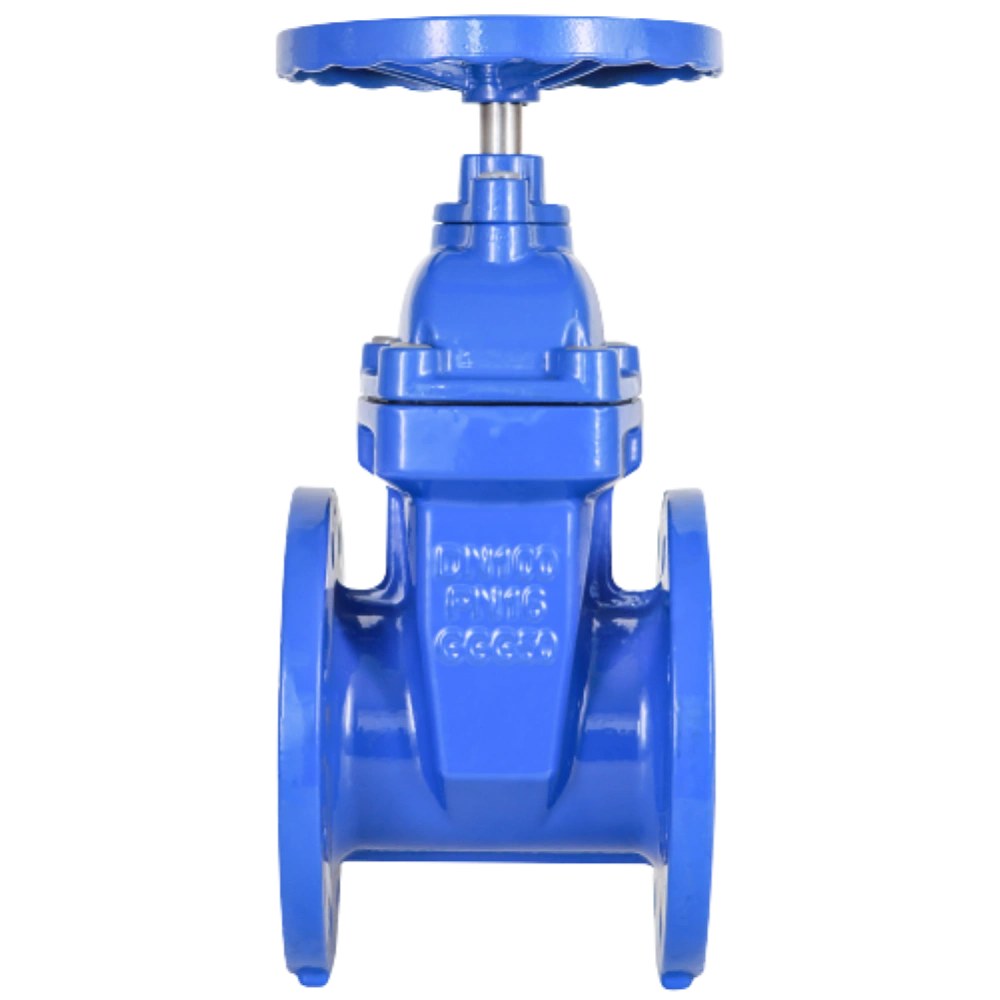
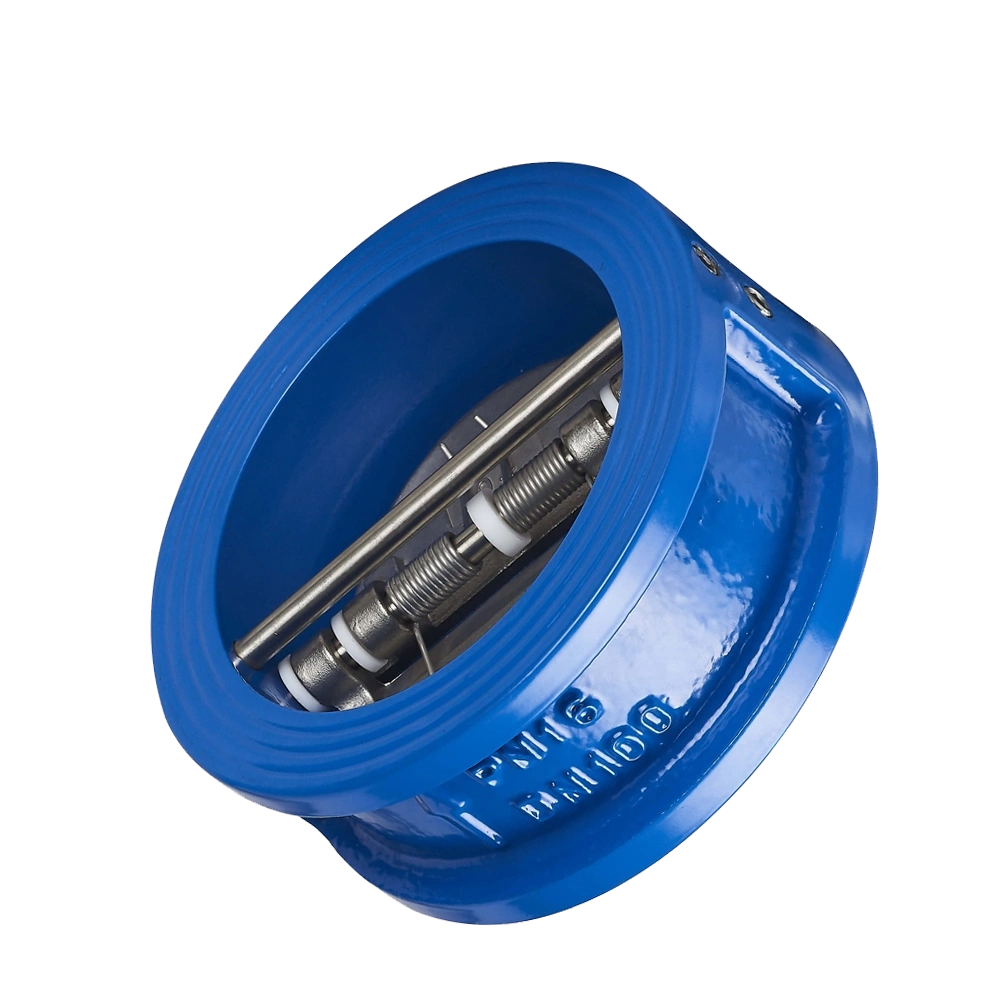

First, according to the order requirements and specifications, purchase the required raw materials, such as metal, plastic, etc. These raw materials will be used to manufacture different parts of the valve.
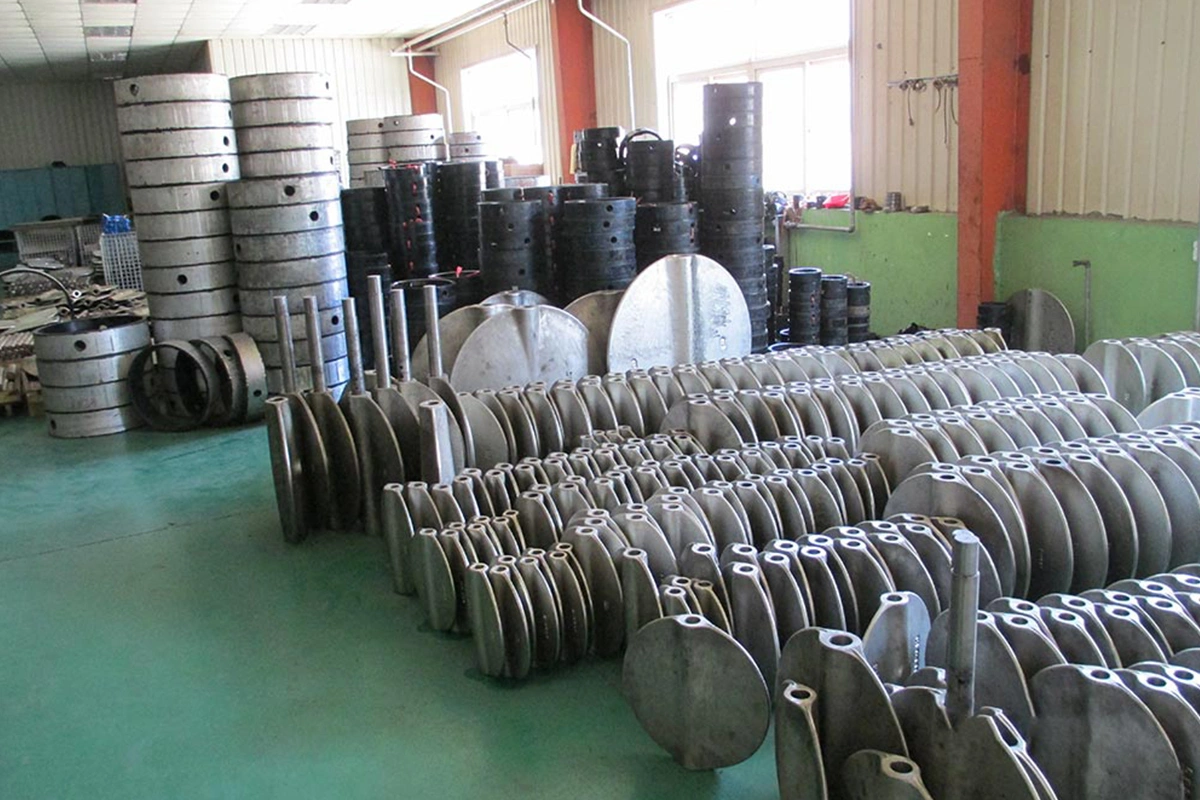
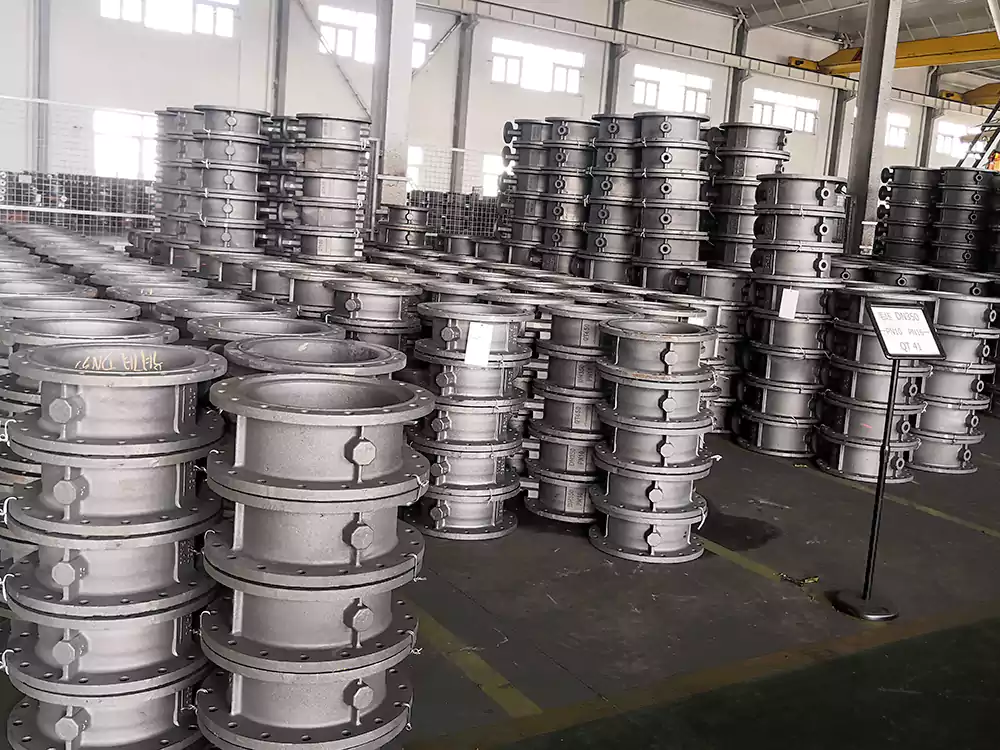
All raw materials are inspected by our quality control department before entering the production process. Cast Steel, bars, forging materials, nuts and bolts must be chemical composition inspection, size inspection and hardness testing.
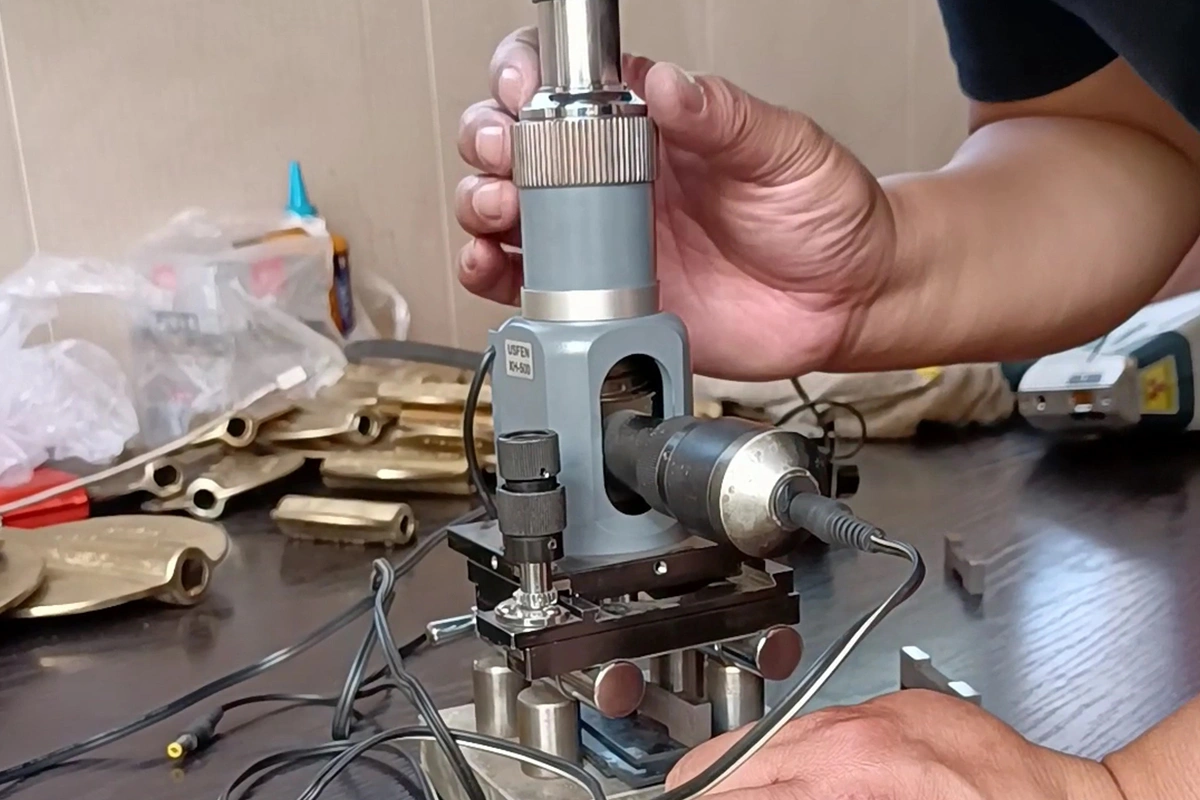
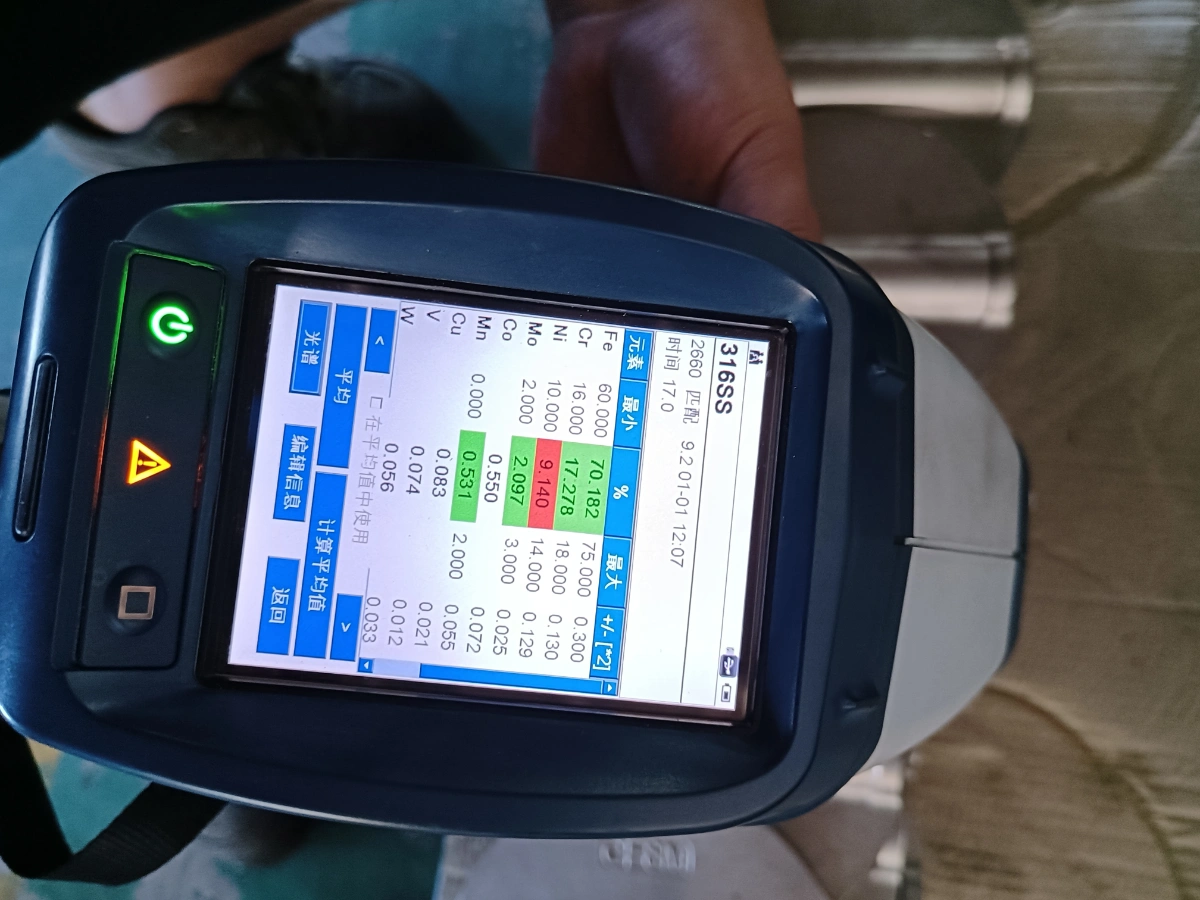
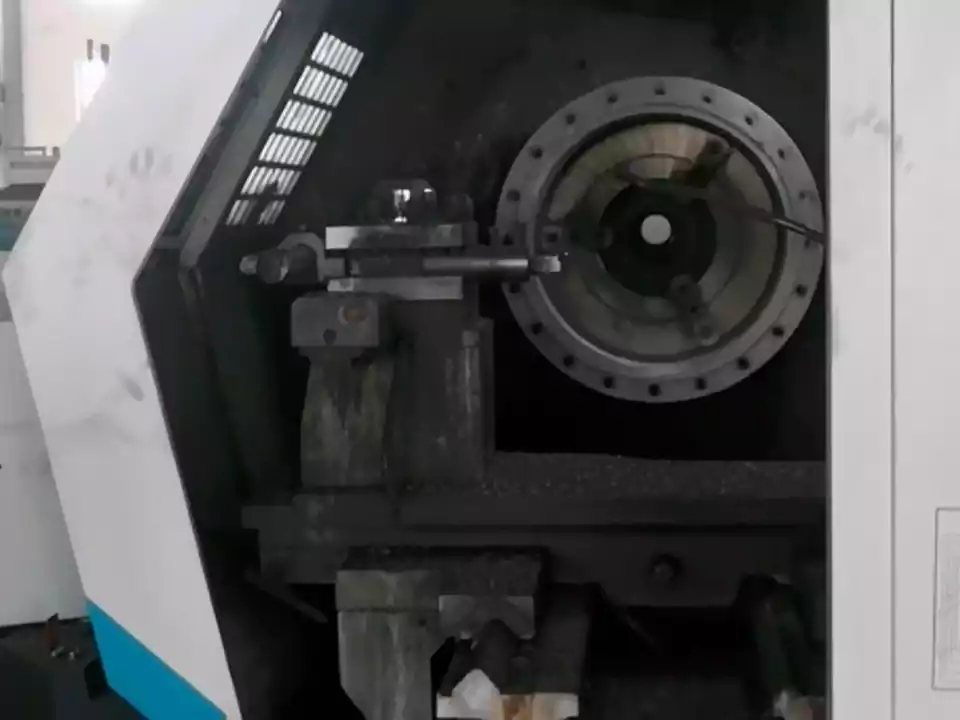
Different valve types may require different parts. Each component is further processed in the workshop to ensure that it meets strict size and quality standards.
During this machining process, critical dimensions, component accuracy, concentricity, and surface finish are precisely controlled to ensure each valve meets design specifications.

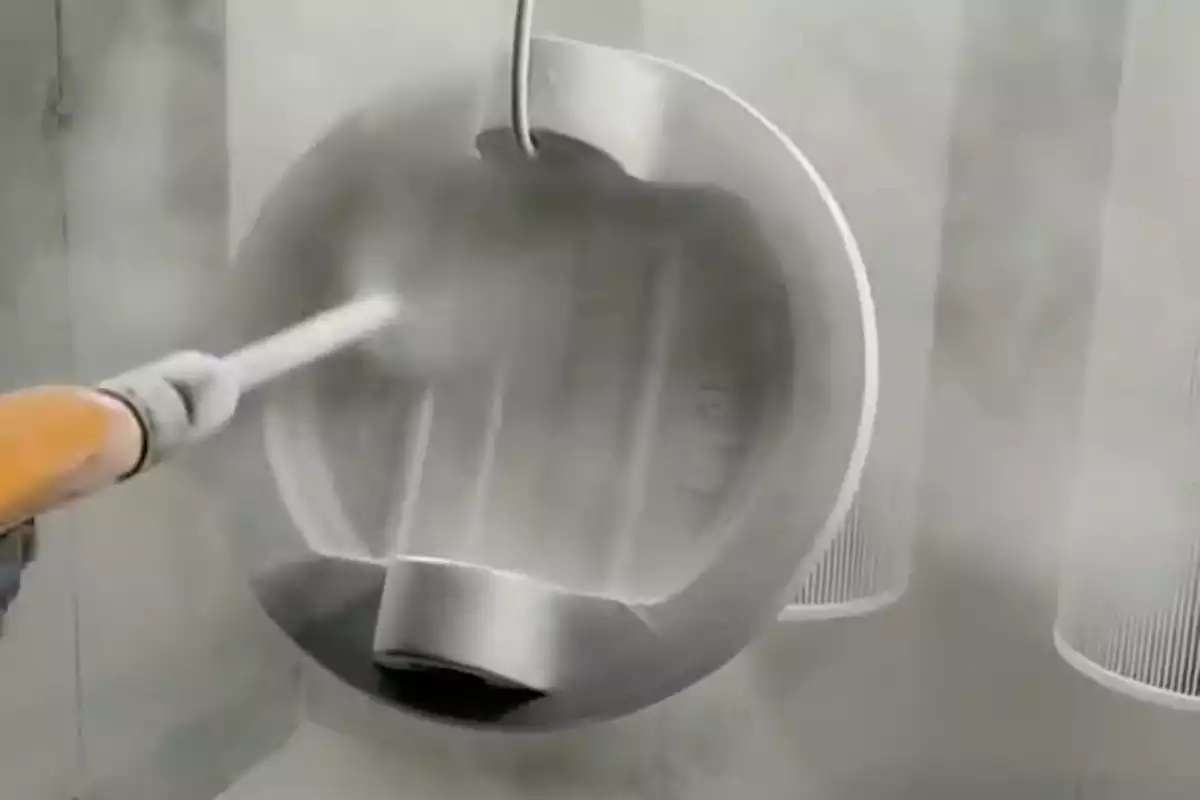
Some VALVES may require coating OR surface treatment to improve their corrosion resistance and appearance. This can include processes such as spraying, electroplating, coating, etc.
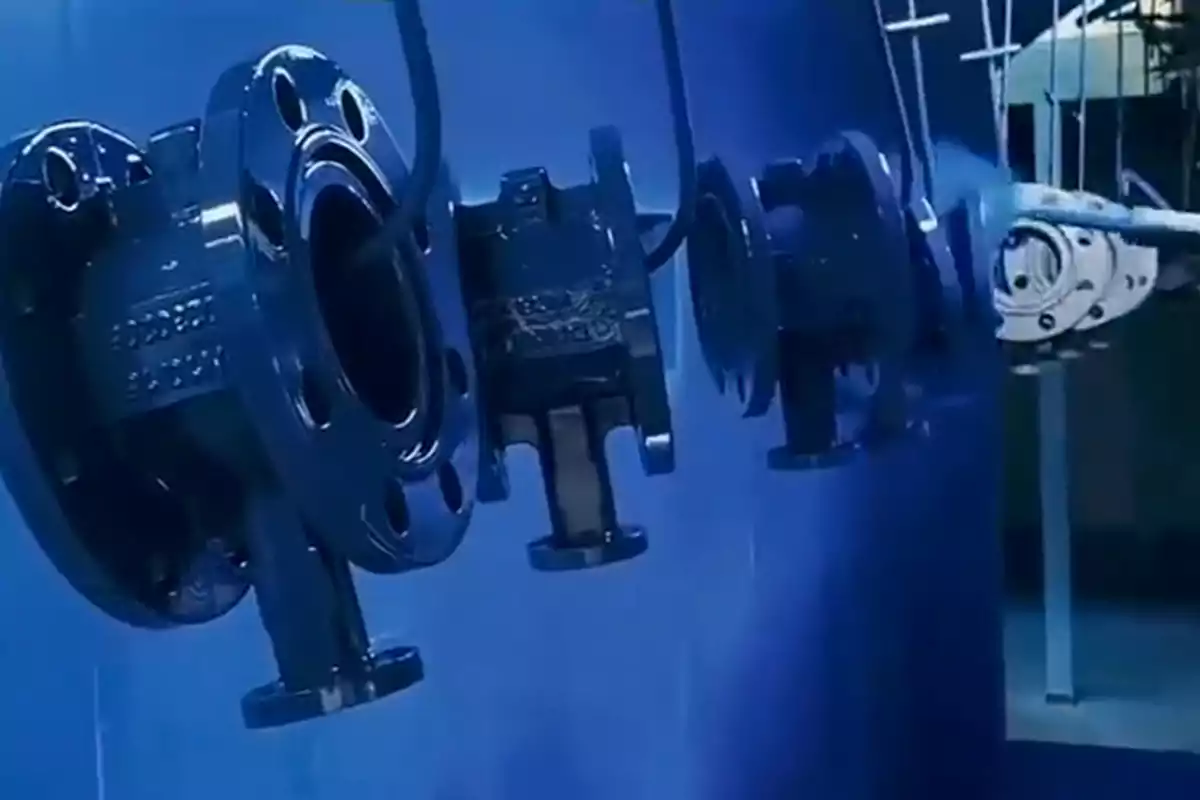
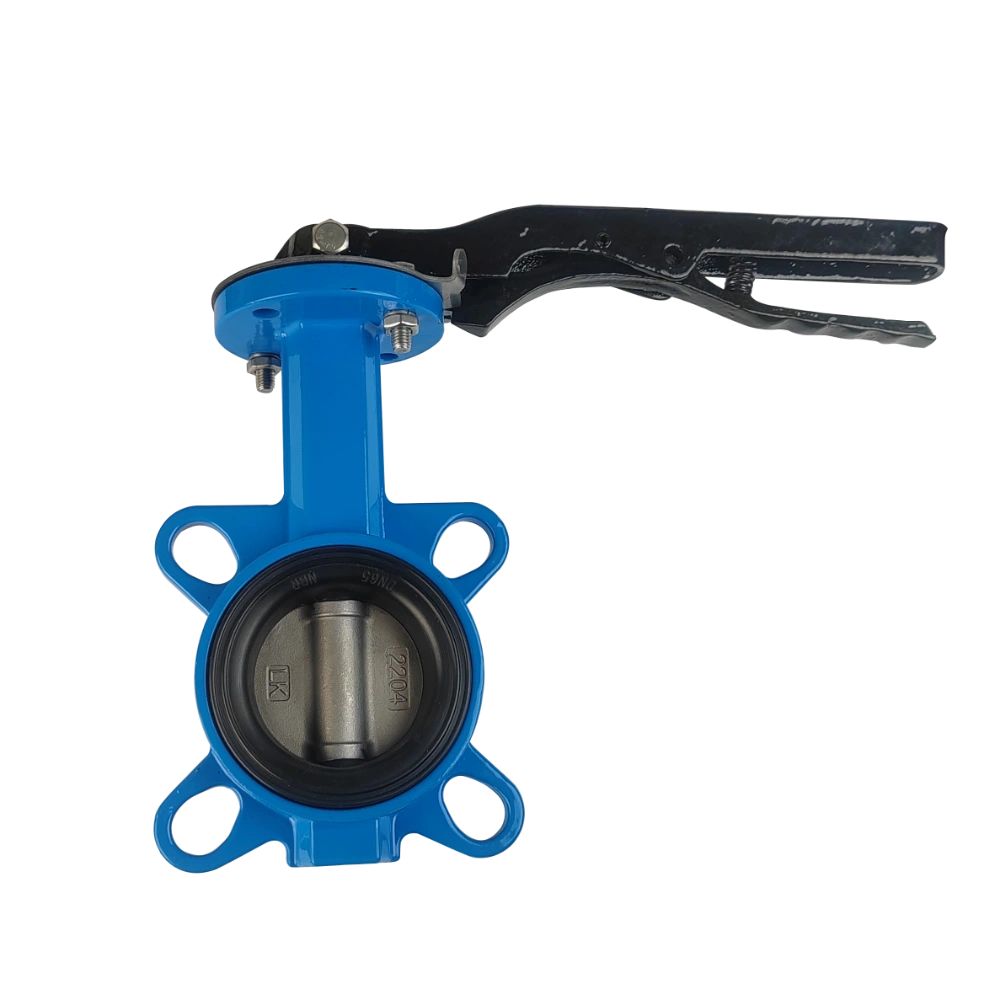
Once all parts are ready, workers assemble them into the final valve product. This may involve steps such as soldering, bolting, joining, etc.
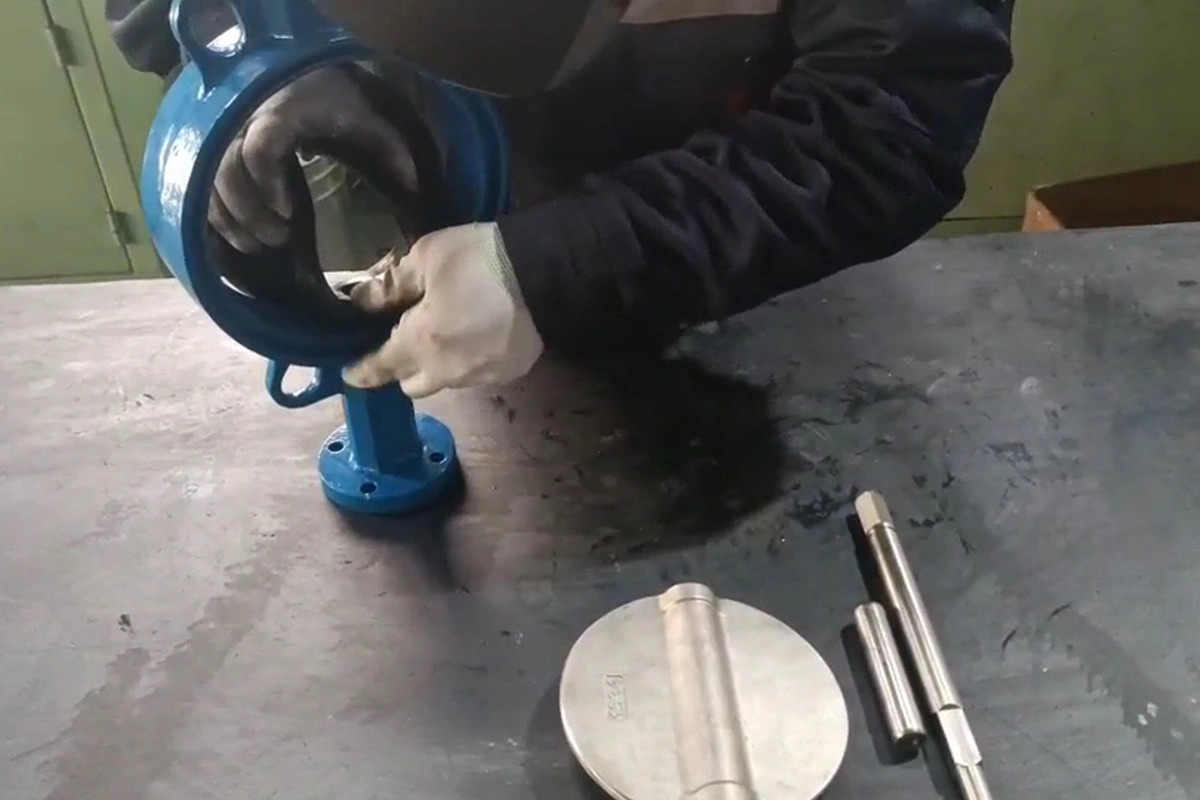
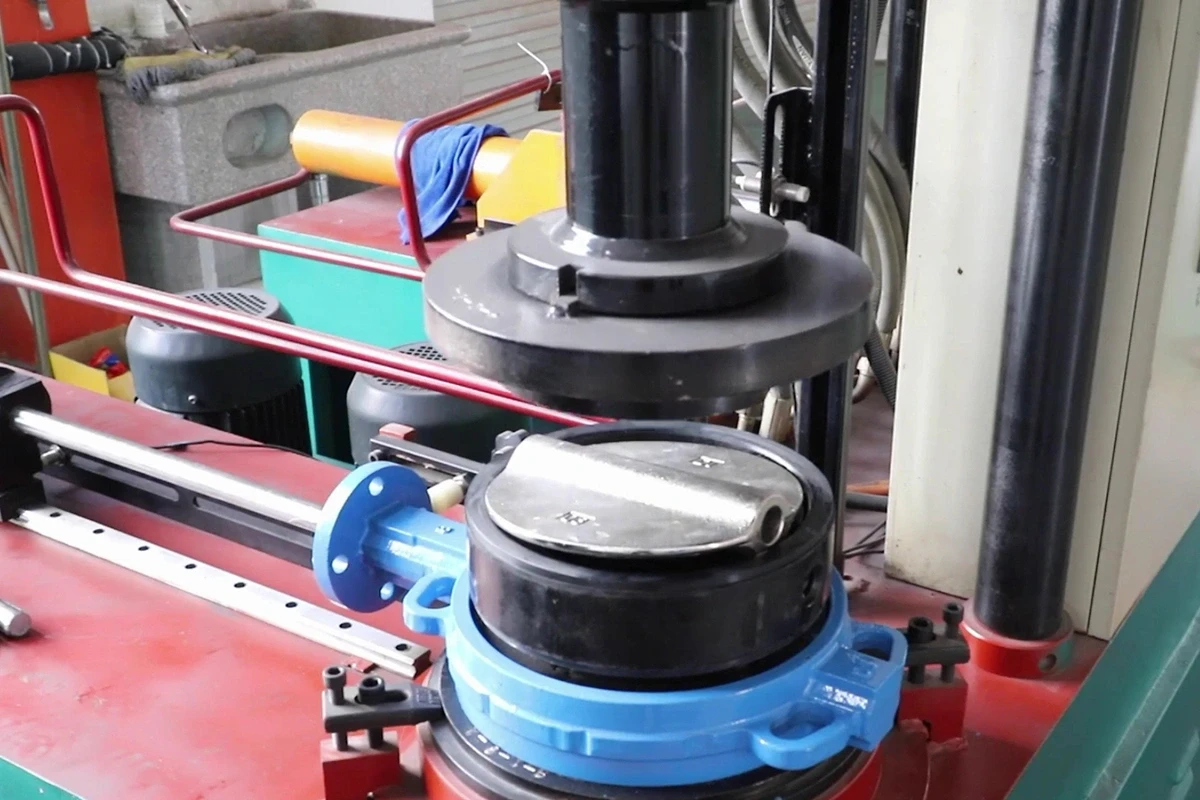
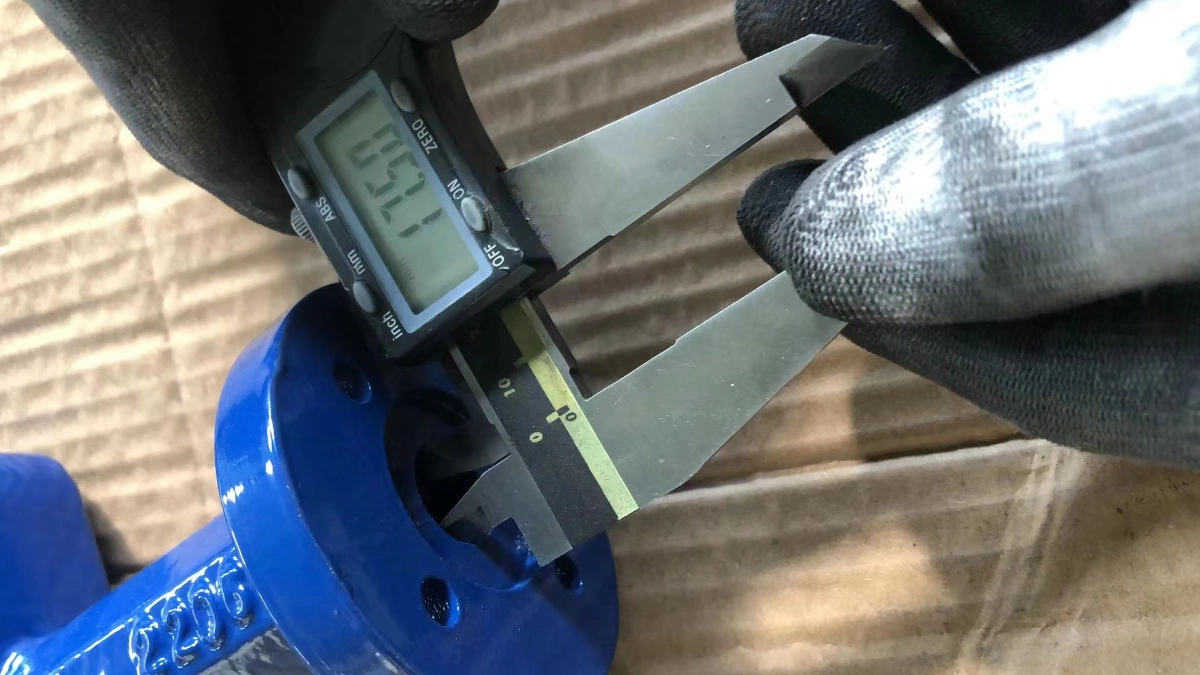
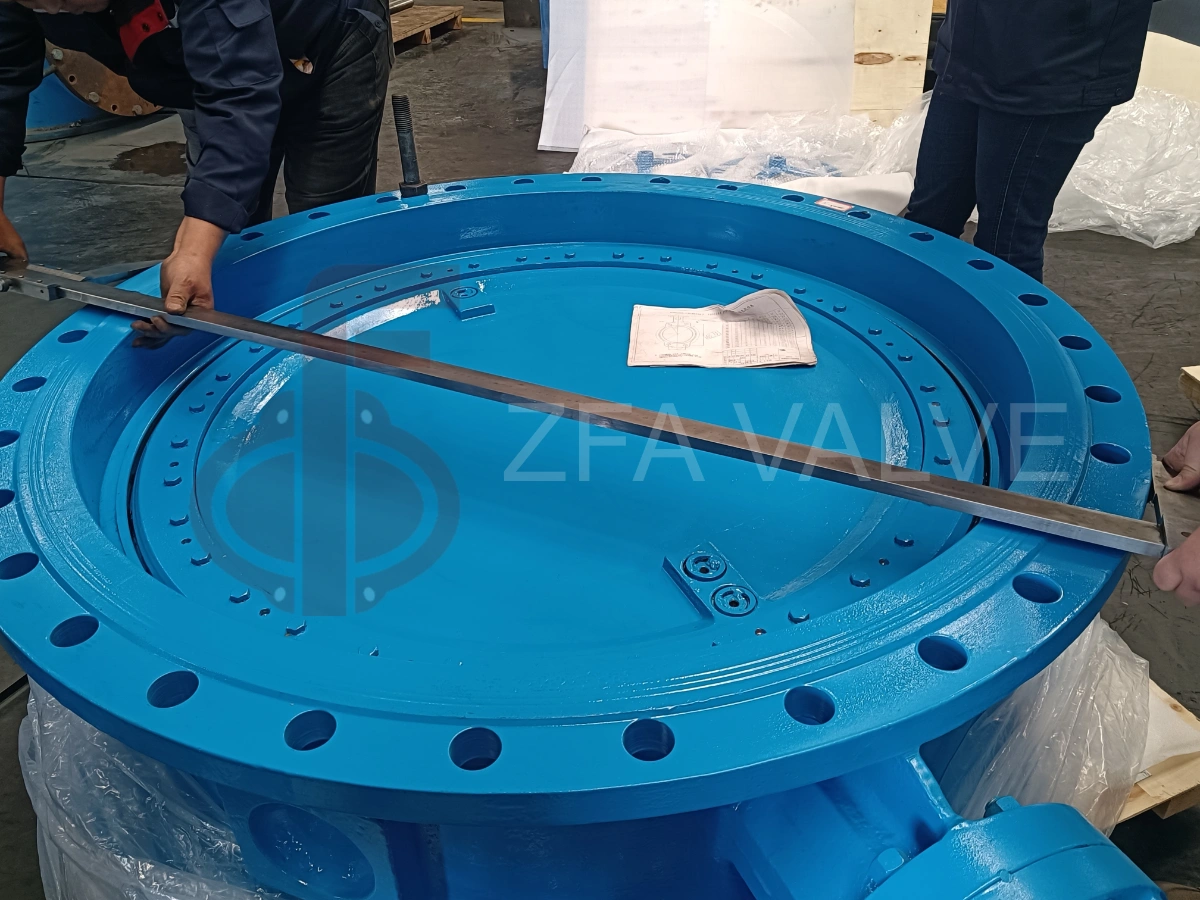
After assembly, VALVES will undergo rigorous inspection and quality control steps. This can include visual inspection, dimensional measurements, material testing, etc., to ensure that each valve meets standards and specifications.

After assembly and handling, the valve will be tested and debugged to ensure proper operation. This may include water leakage tests, pressure tests, operational tests, etc.
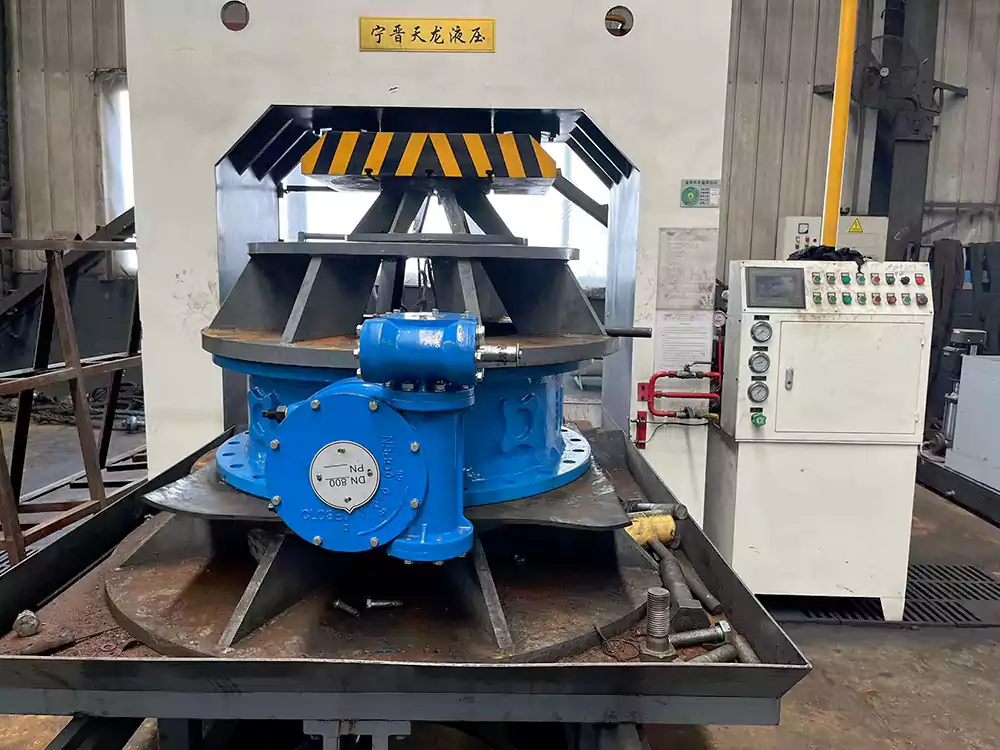
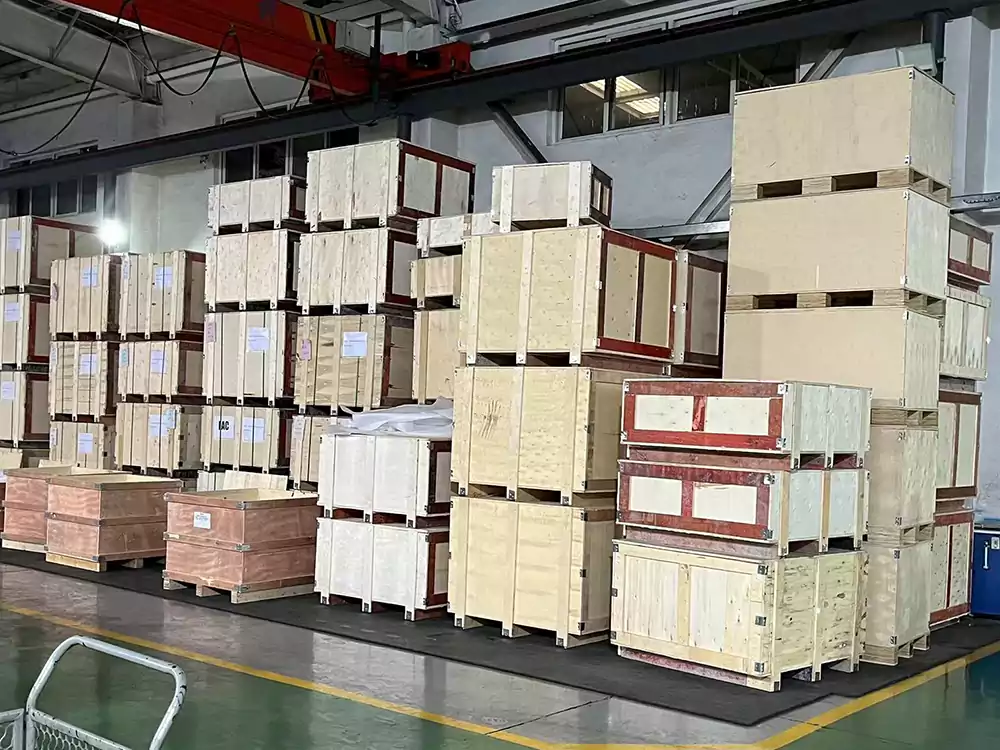
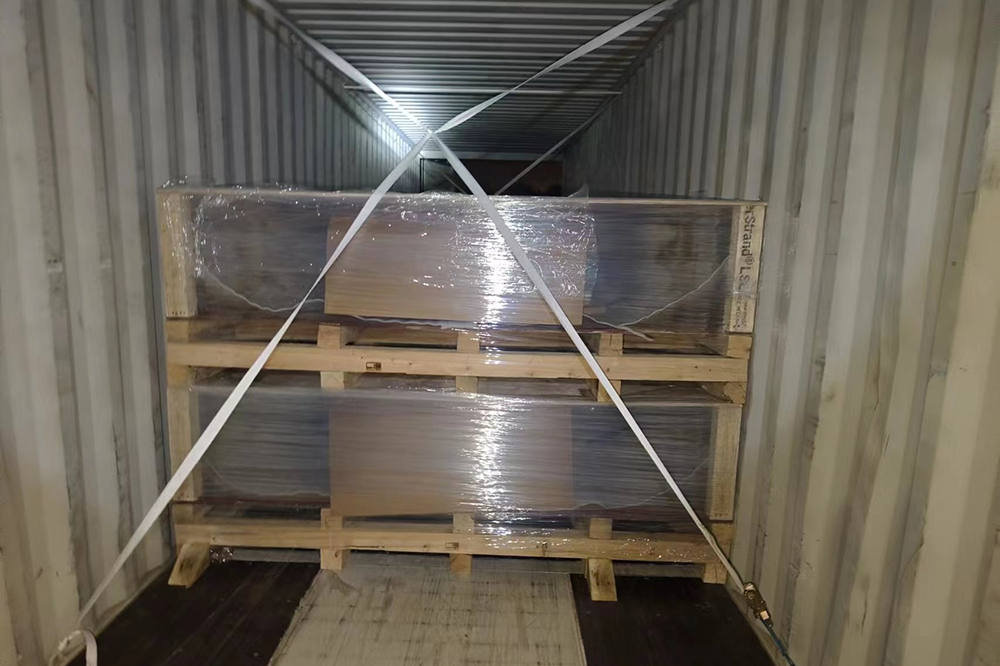
Once valves have passed all testing and commissioning, they are properly packaged to ensure that they are not damaged during transportation. The product can then be sent to a distributor, customer or warehouse ready for shipment.