
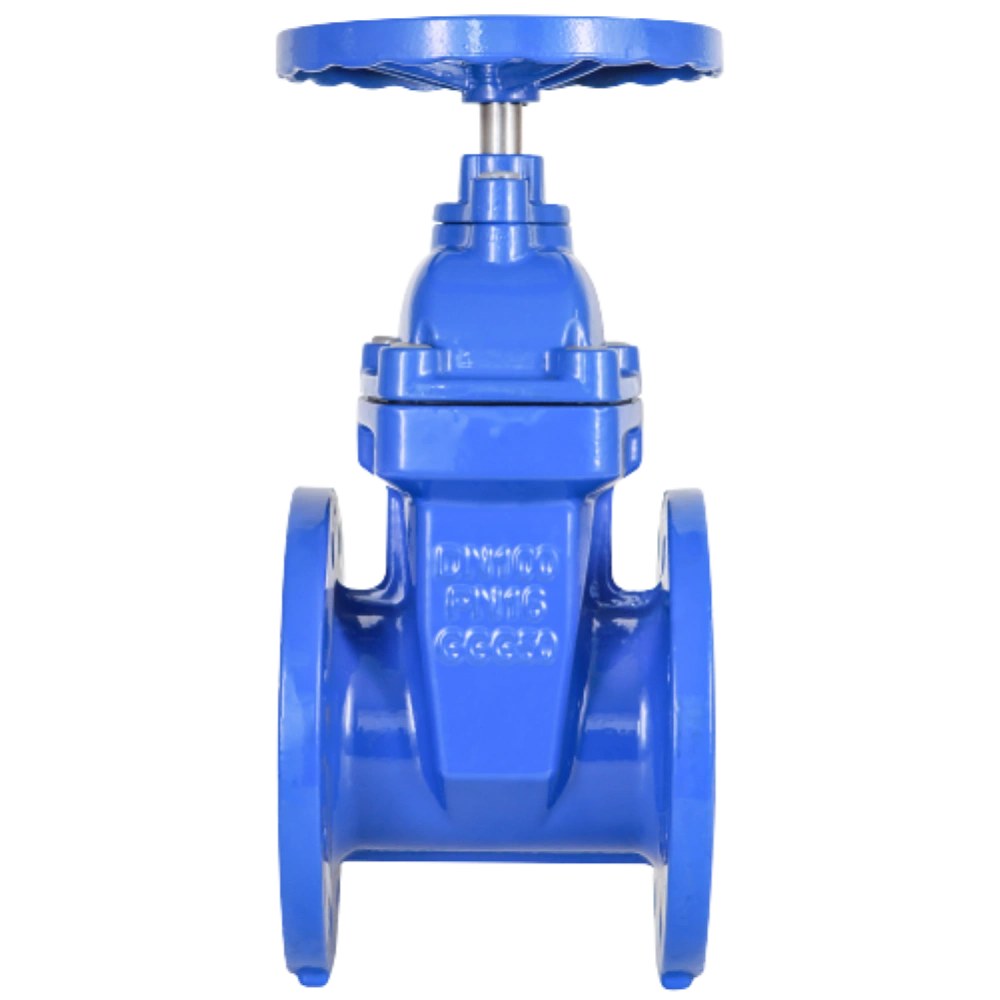

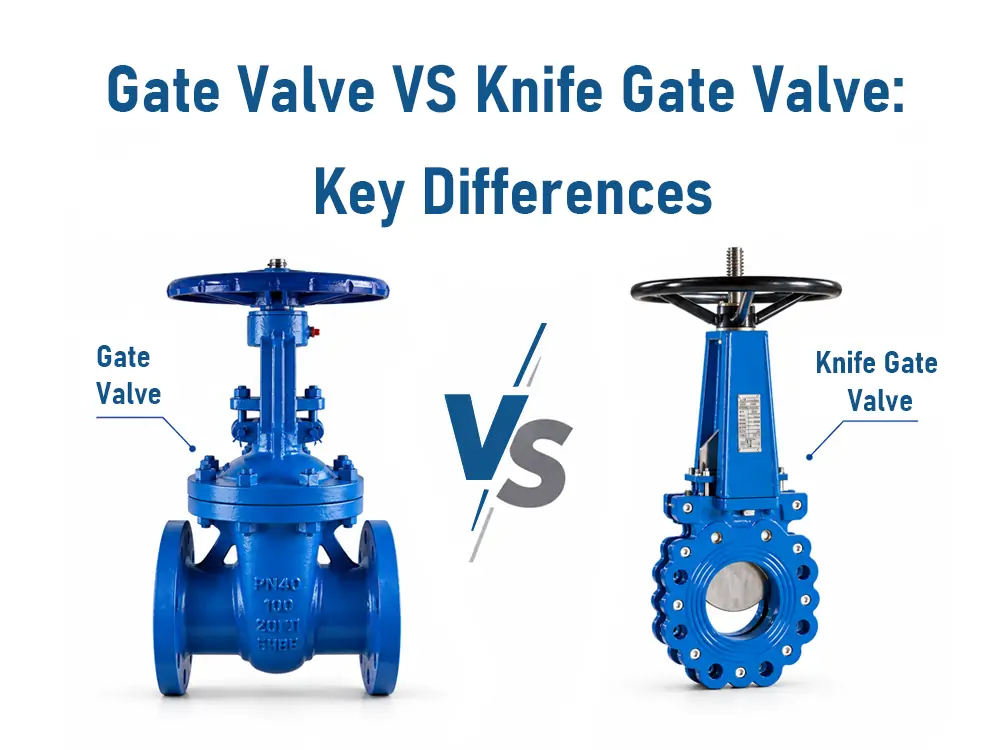
In any piping system, valves are essential for controlling fluid flow. The two most popular valve options are gate valves and knife gate valves. Both use gates to control fluid flow. However, they work very differently. This raises a debate on gate valves vs knife gate valves. Interestingly, user opinions are mixed. Some people favor…
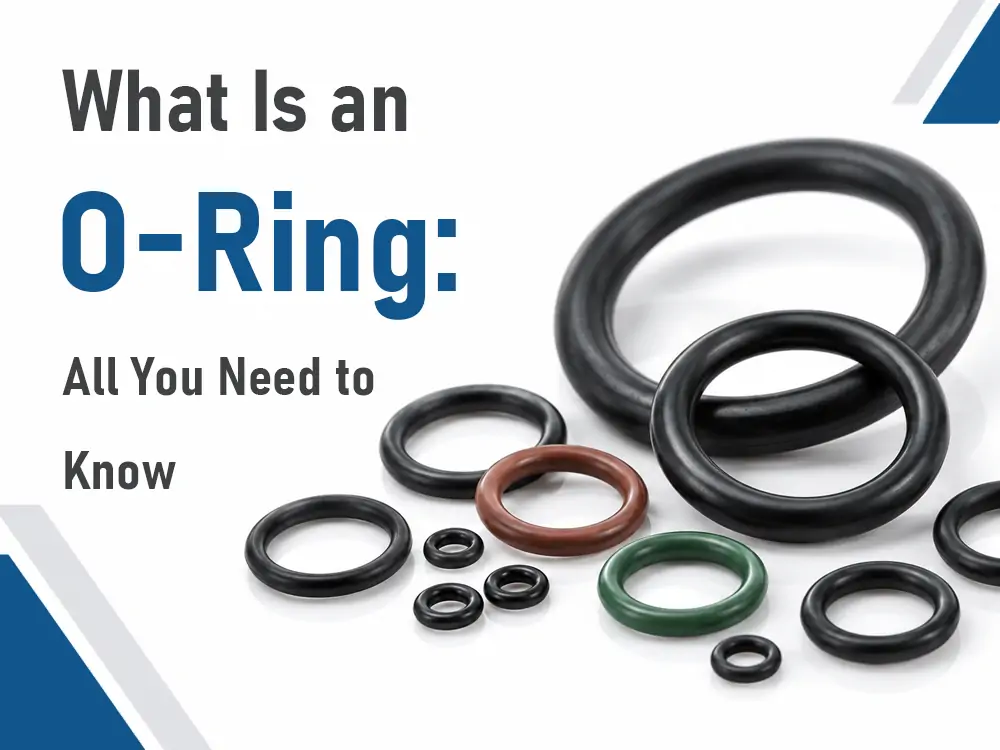
What is an O-ring? That’s probably the first question that comes to mind when you see a small rubber ring inside a pipe, valve, or fitting. That small and simple-looking part seems like an ordinary thing. But in reality, this tiny part is known as an O-ring and does an important job. It creates a…
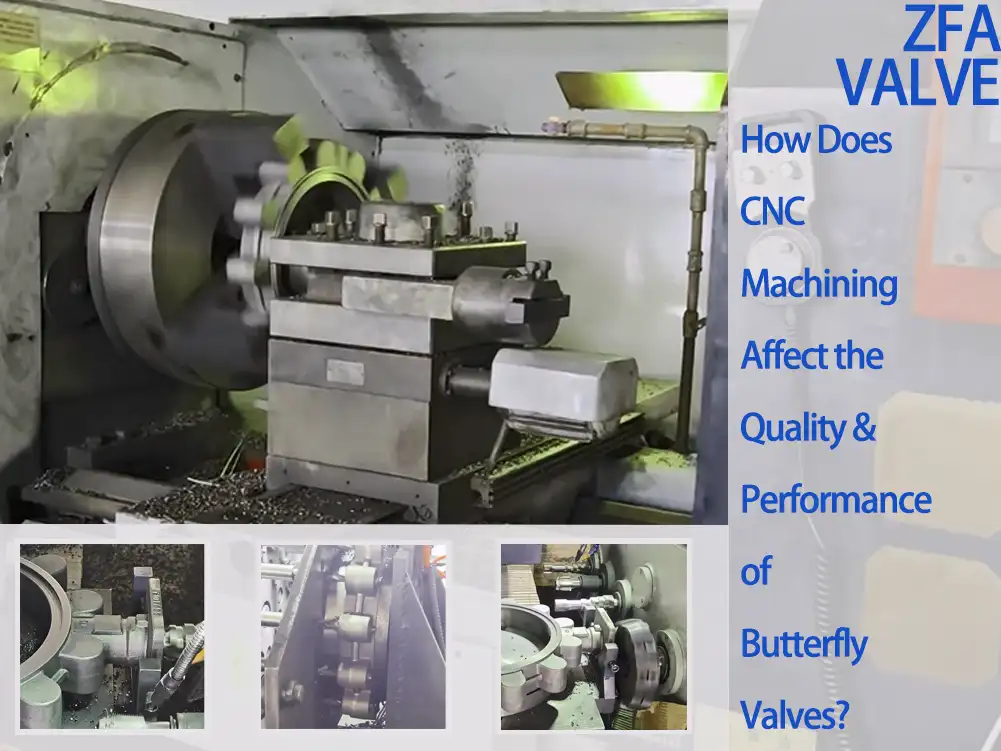
When evaluating a butterfly valve manufacturer, beyond essential factors such as body and seat materials, pressure ratings, and certifications, there is another often-overlooked factor: machining precision. A butterfly valve may begin as a high-quality casting, but the casting alone does not determine the valve’s final performance. Prior to assembly, critical surfaces, bore locations, functional dimensions,…

Valves are common in many pipelines. They help regulate the flow of fluids and gases. However, what makes these valves leak-proof is their seals. This seal is present between the disc and the valve body. Different seal materials are available, and EPDM and NBR are two popular materials. However, the distinction between them has led…
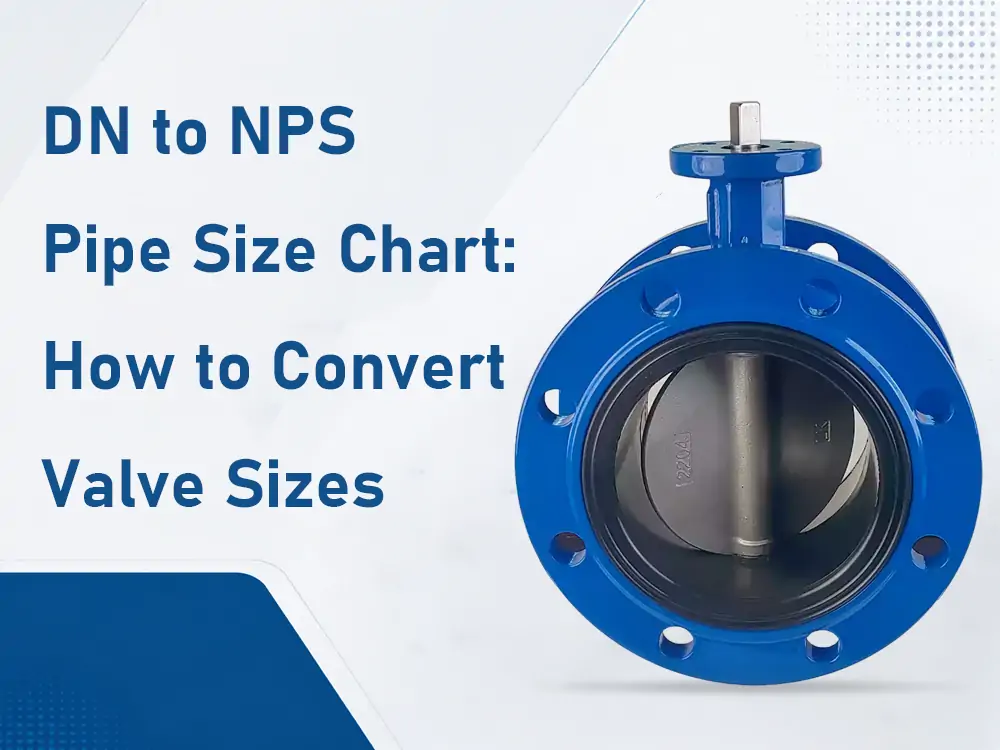
Sometimes, when you are replacing a valve in a pipe system, you check the old valve and see “DN50” written on it. Then you look at a new valve, but its size is listed as NPS 2. These two different terms might confuse you at first. So, you now wonder: Are these two valves the…

Flanged VS threaded valves: what’s the difference? This is the first question that comes to mind when you are searching for a reliable valve. Actually, valves are among the most critical components of every piping system. They control, stop, or direct the flow of liquids and gases through pipes. But when choosing a valve, it…

The use of valves is essential for controlling the flow of fluids or gases in pipelines. A wide range of valves is available, differing in their operation. Among these, gate valves and ball valves are also very common due to their practicality. However, people often debate gate valves vs ball valves. There are different opinions…

1. Why is quality control for butterfly valves so important? The importance of butterfly valves in controlling fluid flow within piping systems is self-evident. A valve failure can lead to consequences ranging from media leakage to production downtime, equipment damage, and even safety accidents. Therefore, a robust quality control system is crucial for both professional…

Valves are common in applications where controlling water flow is important. These valves are durable and help regulate flow efficiently. However, different types of valves differ in their operation and efficiency. Among these, globe valves and gate valves are very common. However, people often debate globe valve vs gate valve. The reason is that there…

1. Choosing Between a Valve Manufacturer and a Trading Company 1.1 Butterfly Valve Manufacturer (Butterfly Valve Factory) The butterfly valve manufacturers own their own production workshops and casting, machining, and assembly lines, directly manufacturing butterfly valves (such as wafer butterfly valve, lug butterfly valve, flanged butterfly valve, and eccentric butterfly valve etc). However, their product…

Check valves are a must-have in many systems today. They act as a safety valve that ensures that fluid or gas flows only in one direction and prevents backflow. As these valves operate automatically, most people rarely think about them until something goes wrong. But the best thing is that when something goes wrong, the…

1. Preliminary Preparation: Design and Material Confirmation Before steel butterfly valve fabricating manufacturing begins, engineers will complete a detailed design based on project requirements, including: • Nominal Diameter (DN) • Pressure Rating (PN/Class) This is particularly important because welded valve bodies, compared to integral castings, place greater demands on the pressure-bearing capacity of the joints….

1. Origin of the Name- Butterfly Valve Among many industrial valves, the name “butterfly valve” is the most unique. The butterfly symbolizes beauty and good fortune, representing loyalty, freedom, good luck, and rebirth in China. In other cultures, it also signifies rebirth and hope. Using the butterfly as a descriptor for a valve effectively represents…

You might often note that a building stays warm in winter and cool in summer without constant adjustments. Have you ever wondered how that became possible? The secret lies in the HVAC systems. However, an HVAC system does not work alone; it consists of several components. Among those, HVAC valves are small but of utmost…

Valves are one of the most important parts of almost every industry. They help control and regulate the flow of different fluids and gases. Among many types of valves, check valves especially stand out for their unique operation. They prevent backflow of fluids and allow flow in only one direction. This backflow is very dangerous…