

Stainless steel gives butterfly valves good corrosion resistance, high temperature resistance, and strong mechanical strength. Because of this, stainless steel butterfly valve is widely used in water treatment, chemical processing, food, pharmaceutical, and seawater desalination industries. However, different stainless steel grades vary in chemical composition, corrosion resistance, strength, and cost. These differences directly affect valve…

The valve seal is an integral part of the primary pressure fluid. There are different seal materials available. Each of those materials offers unique properties to the seal. Among those, EPDM and Viton are two popular materials due to their excellent strength. However, these materials differ in many ways, leading to a comparison of EPDM…

2. The Meaning of “Short Pattern” in Practical Engineering. The structure is not just about saving space; although the most prominent advantage of the short pattern is saving installation space, from an engineering perspective, its core value lies in pipeline stress control. A shorter valve body means: Smaller bending moments generated by the pipeline Lower…

Water pumps are essential for moving water in homes, industries, and farms. However, to control water flow in these pumps, check valves are necessary. But many beginners ask: Where to install check valves on a water pump? Remember, installing the check valve in the correct direction and at the correct location is very important. Otherwise,…

Triple offset butterfly valves (also known as Triple Eccentric Butterfly Valves) are high-pressure and high-temperature industrial valves widely used in petrochemical, natural gas, power generation, metallurgy, and other fields. Their design features a triple eccentric structure (shaft eccentricity, sealing surface eccentricity, and conical eccentricity) to achieve zero leakage with metal-to-metal hard sealing, making them suitable…

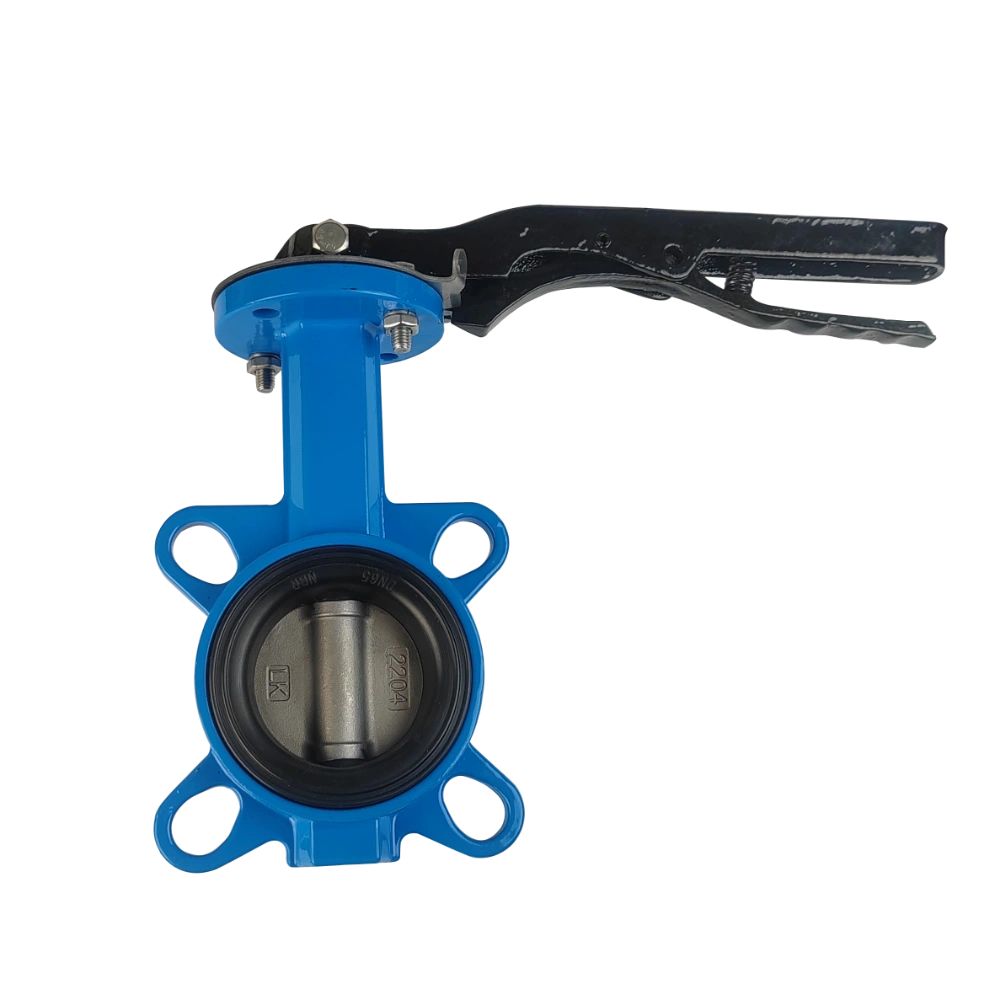
1. What does “Lugged” mean for butterfly valves? First, as a noun, LUG refers to a protruding part on an object, such as a handle, ear-like projection, or connector. Accordingly, in the professional terminology of butterfly valves, LUG refers to the lugs with internal threads evenly distributed on the outer ring of the butterfly valve…

1. Introduction In both industrial and civil pipeline systems, in addition to valve selection, the installation direction is one of the key factors determining safety. Correct valve installation is not simply a matter of connection. Improper direction can lead to leaks, blockages, backflow of media, and in more serious cases, pipe bursts or even equipment…

Valves are used in almost every fluid transporting system. They help regulate the flow of the fluid inside the system. However, these valves include components that are part of their operation. Among these components, valve seals are essential because they prevent leaks. These seals are made from various materials, each with its own unique properties….

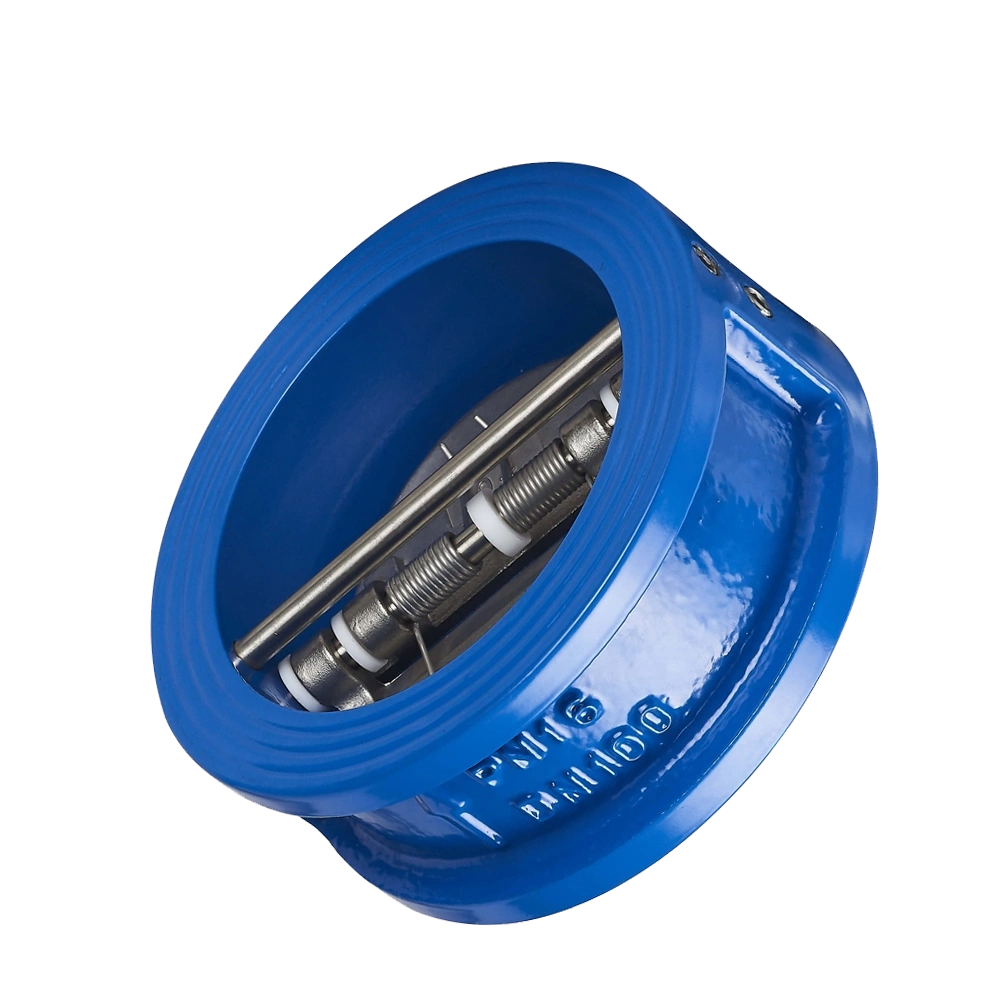
Valves are commonly used to regulate fluid flow in pipelines. They ensure smooth flow regardless of the pressure conditions. Various types of valves are used in modern systems. However, check valves are among the valuable for pipelines where backflow can cause serious problems. So, the question is: What is the purpose of a check valve?…

Valves are essential parts of almost every system that handles liquids or gases. The main job of a valve is to control the flow of liquids and gases. Even though the job of a valve sounds simple, not all valves are the same. In reality, there are many different types of valves, each designed for…

Butterfly valves have a special place in industries where fluid flow control is critical. This valve has different types based on their working mechanism and design. Among those, pneumatic actuator butterfly valves are very popular. The working of these butterfly valves is unique, as they use a pneumatic actuator rather than a manual one. This…

In any fluid-handling system, controlling the flow of liquids is a critical task. To make this possible, various types of valves are used. Can butterfly valve be used for flow control? YES! Among the many valve types, the butterfly valve for flow control often stands out as the most reliable and practical option. Why? The…

The valve body undergoes galvanizing primarily to improve its corrosion resistance and extend its service life. Below, I will explain the reasons and principles in detail. What is Valve Body Galvanizing? Galvanized valve body: galvanizing involves plating a layer of zinc (Zn) onto the valve body surface. The most common methods are: Hot-dip galvanizing: Immersing…

What is the difference between resilient seat butterfly valve and resilient seal butterfly valve? In the valve industry, two terms often confused are resilient seat butterfly valve and resilient seal butterfly valve. Of course, without further ado, the terms resilient seated butterfly valve and resilient seal butterfly valve are often used interchangeably. Both refer to…

A centerline butterfly valve, also known as a concentric butterfly valve. It is a pipeline control component. Its key feature is that the stem axis, disc center, and body center are co-located. This critical feature ensures a symmetrical structure. Simply put, it resembles the wings of a rotating butterfly. This coaxial design makes it simple…