
1. Introduction

In both industrial and civil pipeline systems, in addition to valve selection, the installation direction is one of the key factors determining safety. Correct valve installation is not simply a matter of connection. Improper direction can lead to leaks, blockages, backflow of media, and in more serious cases, pipe bursts or even equipment damage.
Different valve types, due to differences in their structural principles, fluid characteristics, opening and closing methods, ease of maintenance, and functional focus, have unique and strict requirements for installation orientation.
Butterfly valves are known for their lightweight, quick closing, and cost-effectiveness, and are widely used in large-diameter pipelines; gate valves are known for their full bore and low resistance, suitable for isolating media; check valves primarily prevent backflow of media, ensuring unidirectional flow.
Depending on the pipeline layout, valves are generally installed in horizontal, vertical, or inclined pipe sections.
This article will focus on the widely used butterfly valves, gate valves, and check valves, and analyze their respective suitable installation orientations.
2. Analysis of Butterfly Valve Installation Direction

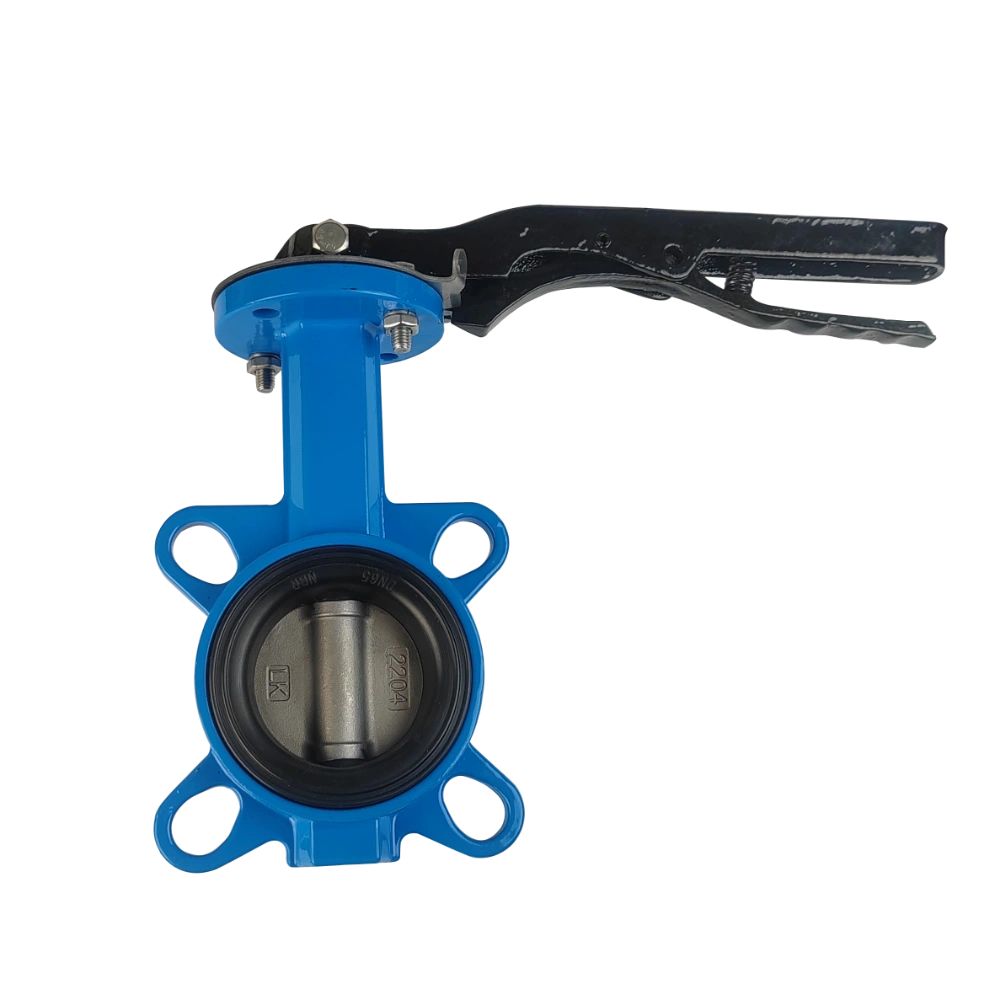
As is well known, butterfly valves are compact and inexpensive, and are widely used in water treatment, HVAC systems, and chemical pipelines.
The installation direction of butterfly valves is flexible, but the position of the valve stem, media flow, and especially the accumulation of deposits must be considered, otherwise it will affect the free rotation and sealing of the valve disc.
2.1 Butterfly Valves on Horizontal Pipelines
installing butterfly valves on horizontal pipelines is the most common and recommended method. In this case, there are several options for the valve stem direction: vertically upward, or horizontally. Of these, vertical upward installation is most recommended if space permits.
A. The media pressure acts symmetrically on both sides of the valve plate, making it less prone to generating additional bending moments, especially when the media does not completely fill the pipeline.
B. Vertical installation minimizes the accumulation of media on the valve disc, especially suitable for media containing solid particles, because gravity helps the particles settle downwards, preventing the valve disc from jamming.
For example, in municipal water supply systems, a butterfly valve with the stem vertically upward on a horizontal pipeline can effectively prevent sediment accumulation and ensure long-term reliable operation. If the media temperature is high (such as in a steam system), horizontal installation of the valve stem can reduce the stress on the bearings due to thermal deformation. However, installing the valve stem downwards is strictly prohibited, as this can cause impurities to accumulate in the lower part of the valve disc, leading to difficult operation and even eventual seal failure.
2.2 Butterfly Valves on Vertical Pipes.
Butterfly valves can also be installed on vertical pipes. However, when installed on vertical pipes, attention must be paid to the flow direction and support. In this case, the butterfly valve is suitable for media flowing from bottom to top. This installation utilizes gravity to assist in valve disc reset, making opening and closing easier and reducing the water hammer effect. Conversely, if the medium flows downwards, vertical installation may cause the valve disc to over-close under the influence of its own weight and fluid pressure, increasing wear. This is especially true for large-diameter butterfly valves, which will increase the load on the actuator.
In addition, it is necessary to ensure reliable support for the actuator to prevent the actuator’s weight from causing the valve stem to bend or the seal to be eccentric.
For electric or pneumatic actuators, vertical installation may increase maintenance difficulty.
2.3 Butterfly Valves to Inclined Pipes
Butterfly valves are relatively adaptable to inclined pipes. Butterfly valves are the only type that can be installed at an inclination angle of 30° to 45°, but this is not the ideal installation direction. Similar to installation on vertical pipes, pipe pressure and actuator support are important considerations for inclined installations. Inclined pipe installations are common in water transmission projects in mountainous areas with complex terrain. Although limited by terrain, it is necessary to ensure that the valve flange is aligned with the pipe and to conduct pressure testing.
Overall, the installation principle of butterfly valves is “flexible but with limits”: horizontal pipes are preferred, followed by vertical or inclined installations, and always following the manufacturer’s flow direction arrow markings. Based on the structure of the butterfly valve, horizontal installation is preferred for centerline or double eccentric butterfly valves. For triple eccentric metal-sealed butterfly valves, they are more adaptable to installation orientation, but still need to follow the manufacturer’s specific requirements for actuator support.
3. Discussion on the Installation Direction of Gate Valves

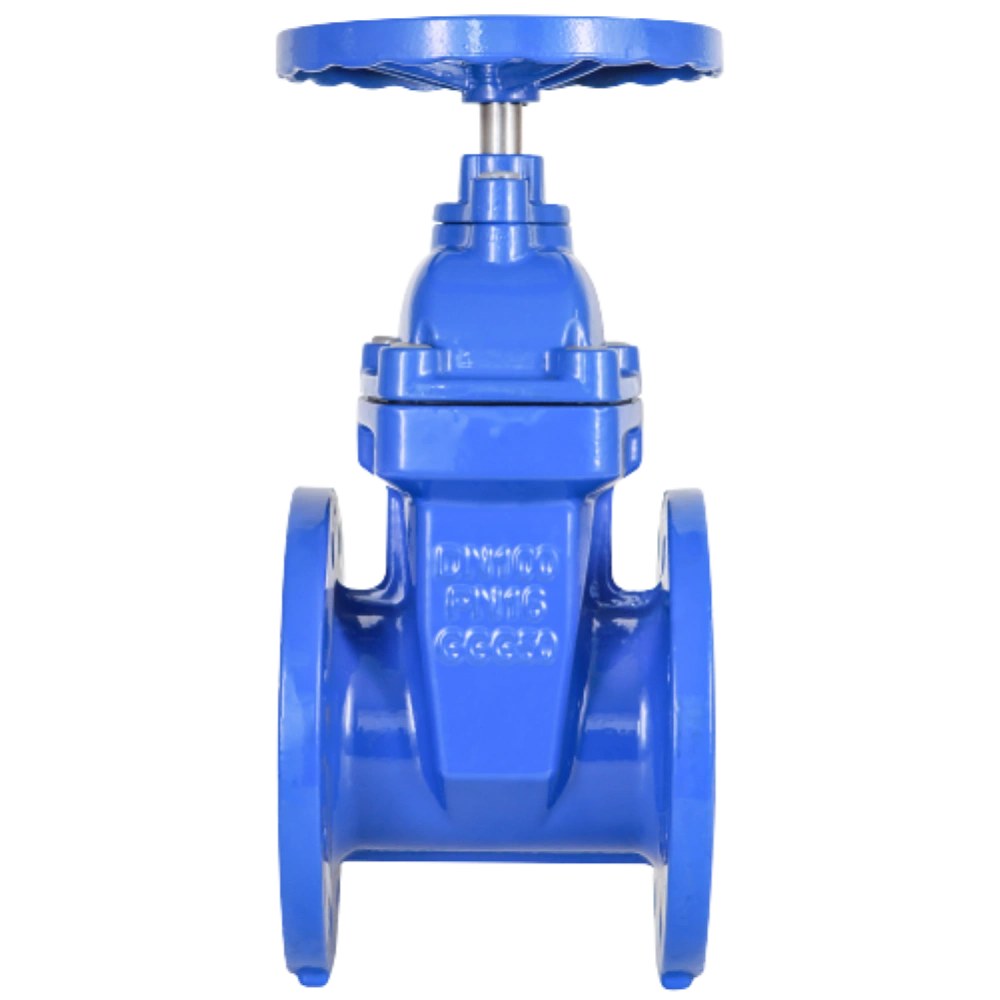
Gate valves operate in a fully open and fully closed manner, offering the advantages of low resistance and no flow restriction, making them suitable for pipeline systems requiring strict isolation, such as oil and gas transportation and drainage projects. The installation direction of gate valves is relatively flexible, but the handwheel position and gate movement trajectory are key considerations.
However, they have a large structural height and long opening and closing times. The core considerations for their installation orientation are valve stem guidance, packing seal, and the drainage capacity of the valve cavity.
3.1 Gate valve on horizontal pipelines
On horizontal pipelines, gate valve installation is most ideal. Whether it’s a rising stem gate valve or a non-rising stem gate valve, the valve stem should preferably be vertically upward, followed by horizontal placement. The handwheel position should be horizontal, vertically upward, or inclined upward at 45°. However, one golden rule must be followed: the valve stem should be in a vertical or near-vertical position. That is, the valve stem should be upward or inclined upward, and never downward.
When installed on a horizontal pipeline with the valve stem vertically upward, it prevents the medium from soaking the packing for a long time and avoids pipeline impurities from falling into the valve stem threads or packing area. The force is natural, and the gate can accurately fall into the sealing surface when closing.
Conversely, if the valve stem is downward, it will cause the packing gland to be under pressure for a long time and prone to leakage. Over time, impurities can easily clog it, making operation extremely inconvenient, and the weight of the valve stem may affect the gate positioning.
For example, in the crude oil pipelines of a refinery, installing the gate valve with the stem upward on a horizontal pipeline facilitates ground operation and reduces the risk of water accumulation.
3.2 Vertical Pipeline Installation of Gate Valves
Vertical pipeline installation of gate valves is less recommended. Gate valves are not highly recommended for installation on vertical pipelines, especially in the direction of downward fluid flow. Because of the combined effect of the gate’s weight and fluid pressure, it is prone to eccentricity or jamming during movement.
In addition, the load on the electric actuator increases, and its lifespan is shortened.
Of course, a few special designs (such as knife gate valves) are suitable for vertical pipelines.
3.3 Inclined pipelines for gate valves
Inclined pipelines pose a greater challenge for gate valves and are not recommended. Gate valves are generally not recommended for installation at an inclination angle exceeding 45°, because the oblique force will cause the gate to deflect, resulting in uneven wear of the sealing pair and affecting the seal. In irrigation pipelines on sloping terrain, if installation is necessary, the valve stem should be adjusted to be parallel to the direction of gravity, and the fixing bracket should be strengthened. Overall, the core of gate valve installation is “operational convenience and mechanical balance”: horizontal pipelines are preferred, vertical pipelines are secondary, and inclined pipelines should be used with caution. By strictly adhering to the handwheel position specifications, the gate valve failure rate can be reduced by more than 30%.
4. Installation Requirements for Check Valves
The core mission of a check valve is to automatically prevent backflow of the medium. Based on their structure, they are classified into lift type, swing type, and dual-plate type. Their installation direction highly depends on the valve disc movement mechanism and flow direction to prevent backflow or water hammer. Incorrect installation will directly lead to valve failure.
4.1 Swing Check Valve

It is preferably installed on horizontal pipes (standard method), and the rotation axis of the valve disc must be in a horizontal position. The closing direction of the valve disc is opposite to the expected flow direction of the medium, and the valve disc closes naturally by gravity.
If the medium contains air bubbles, horizontal installation can also prevent air lock. In practice, swing check valves are commonly used in horizontal pipes at the pump outlet, often combined with a butterfly design to reduce pressure loss.
For vertical pipes, swing check valves can be installed, but the medium must flow from bottom to top, and the valve disc must open upwards to push the valve disc open.
This configuration utilizes gravity to assist in closing and is suitable for drainage riser systems, such as high-rise water supply and drainage. However, vertical installation is strictly prohibited when the flow is downwards, otherwise the valve disc cannot reset, leading to a risk of backflow.
4.2 Lift Check Valve
This type must be installed horizontally, ensuring that the lifting axis of the valve disc is perpendicular to the ground. Only in this way can the valve disc accurately fall back onto the valve seat and seal properly due to its own weight and pressure difference. Installation on vertical or inclined pipes will cause the valve disc to fail to center and reset, resulting in poor sealing.
Therefore, it is not recommended.
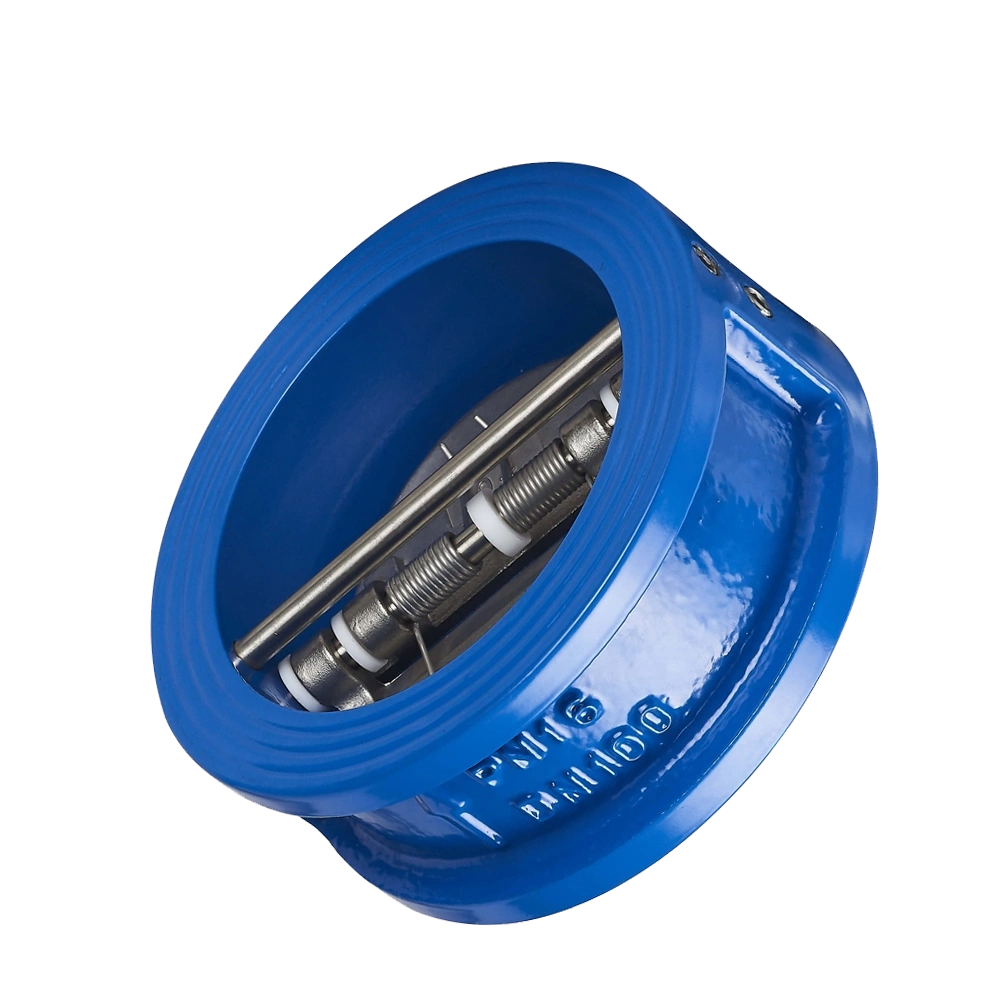
4.3 Butterfly/Dual-Plate Check Valve
Dual-plate check valves have a built-in torsion spring and can be preferably installed on horizontal pipes. If installed on vertical or inclined pipes, the flow direction must always be upwards. The arrow on the valve body must be consistent with the actual flow direction of the medium. However, inclined installation requires checking the flow velocity to avoid the medium impacting the valve disc. The general principle is “flow direction first, gravity assistance”: horizontal pipes are the most stable, vertical pipes are limited to upward flow, and inclined pipes depend on the type. Correct installation can effectively prevent water hammer and extend the system life.
5. Conclusion
The installation direction of valves is a practical technology that integrates fluid mechanics, mechanical mechanics, and materials science. The choice of valve installation direction should take into account the pipeline layout, media characteristics, and valve type. Butterfly valves are flexible and versatile, gate valves prioritize ease of operation, and check valves emphasize unidirectional flow.