
Valves are used in almost every fluid transporting system. They help regulate the flow of the fluid inside the system. However, these valves include components that are part of their operation. Among these components, valve seals are essential because they prevent leaks. These seals are made from various materials, each with its own unique properties. This valve seal material selection guide will help you choose the right material for a seal.
Remember, strong seals improve valve performance, and vice versa. In this article, you’ll also learn about the most popular materials such as Viton, PTFE, NBR, and more.
What is a Valve Seal & Its Role?
Before going into the selection guide, let’s first discuss what a valve seal is.
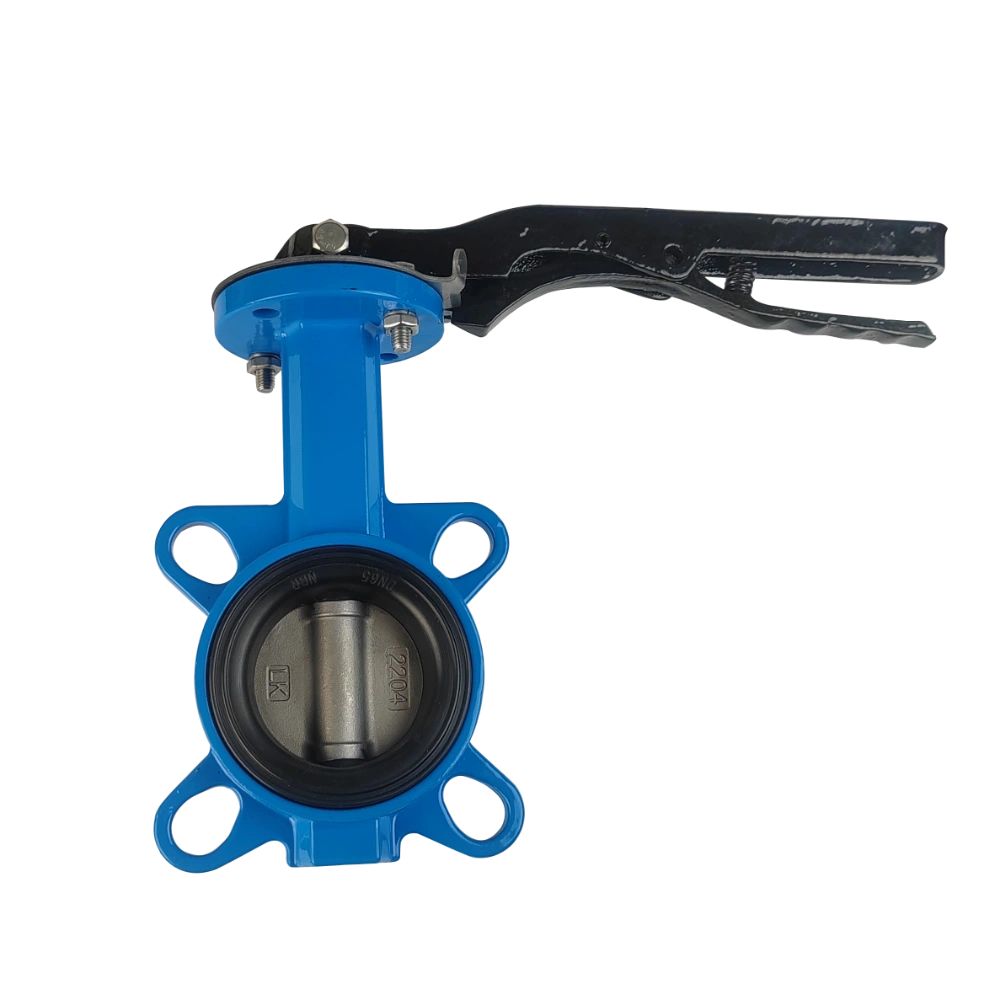
Valve seals are components installed inside the valve. They are generally placed on the valve seat. When the valve closes, the moving part (such as the disc) presses against it. The seal presses against this disc, closing the gap between the valve seat and the moving disc. The absence of a gap prevents leakage from the valve.

Interestingly, every valve comes with a valve seal. Its primary role is to prevent leakage issues and make valves safer to use. Remember, in some systems, small leaks can pose serious problems. For example, oil and gas pipeline leaks can cause deadly accidents. In such cases, these valve seals come in handy. How?
That’s because they close the gap between the valve seat and the disc, ensuring no leakage. When valves open, this disc remains away from the valve seat. However, when the valve is closed, the disc presses onto the seal on the seat. If there were no seal, a small gap could exist between the seat and disc. These gaps are very small but can cause leakage. With a seal, these small gaps are eliminated, ensuring a leak-proof system.

Valve Seal Material Selection Guide
As I said earlier, valve seals come in different materials. Each of those imparts different properties and strength to the seal. This makes selecting seal material a bit difficult. Here are some key factors you should consider when choosing valve seal materials.
1- Type of Fluid
First, you should look at the fluid that will flow through the valve. If the valve is to be used in water pipelines, any type of rubber will work fine. However, if the valve is to be used in an oil supply line, you will need to use the right rubber type. The reason is that some rubber is sensitive to oil and chemicals. If you use such rubber for a seal, it will deteriorate, compromising performance.
2- Operating Temperature & Pressure
Valves are typically used under various temperature conditions. So, a seal used in this valve must withstand those temperatures. Additionally, you should estimate the temperatures at which you will use the valve. This will help you choose a valve that’s rated for that specific temperature. Similarly, it is essential to select valve seals capable of withstanding high pressure. Valves used in gas lines must have very robust seals. That’s because such valves are more likely to encounter extreme pressures.
3- Elasticity & Flexibility
The seal material you choose must be flexible and elastic. This helps absorb the small impact when the disc of the valve closes and presses against the valve seat. If a seal is not flexible, it won’t absorb the impact. As a result, it would wear out more quickly. However, this flexibility should not be too high as it can be dangerous. Too loose seals can protrude and affect overall seal performance. A seal that is too stiff can crack when the valve closes.
4- Wear Resistance & Strength
A seal material must be wear-resistant to provide excellent durability. This wear resistance is crucial because it indicates how well a material behaves under friction. Remember, seals experience friction when the disc contacts them during valve closure. If the material is strong, it will withstand friction without wearing out. Wear-resistant materials are slightly more expensive, but they are worth it.
5- Installation Ease & Availability
Installing the valve seals inside the valve can be challenging. This becomes even more difficult if the seal material is very stiff. During installation, the chances of breaking stiff materials are very high. When choosing materials, you must consider ease of installation. Additionally, it is necessary to select a reliable material. Seal materials that are hard to source are generally more expensive than those that are more readily available.

Valve Seal Materials (Viton, PTFE, NBR, and EPDM)
If you consider the above factor when buying seal material, you won’t be disappointed. That’s because seal material that meets the above criteria will be of very high quality and meet your needs. In the section below, I will talk about some popular materials you can consider for valve seals.
1- Viton (Synthetic Rubber)
Viton is a synthetic rubber that falls in the premium category. It is used to make valve seals that are resistant to high temperatures and different chemicals. You can use these Viton seals at temperatures around 250 degrees Celsius. Not only are these materials high-performing, but they also perform well when used at low temperatures up to -20°C.
Remember, valves are also used in systems that carry fuels and acids. This synthetic rubber provides excellent resistance to those fuels and acids, making it stand out. Thanks to its excellent chemical resistance, Viton seals are highly durable and resist aging. However, Viton is a bit more expensive, so valve seals made of this rubber are quite pricey. This material may not be the best option for those on a tight budget.
2- PTFE (Teflon)
Teflon is a popular material used in making valve seals. I consider it an excellent option for creating a seal for a valve to be in extreme temperature conditions. Why? That’s because this material comes with exceptional low-temperature resistance. It remains in good shape even if exposed to low temperatures up to -200°C. PTFE is non-sticky with excellent chemical resistance.
As a result, you can use different fluid transport systems. It can withstand all types of oils, acids, and other harsh chemicals. Due to its greater strength, PTFE does not degrade over time and maintains its shape for a long time. Despite many favorable properties, Teflon’s main drawback is its stiffness. So during installation, a small mistake can break this material.
3- NBR (Nitrile Rubber)
NBR is a rubber material you can consider for valve seals. This material is generally used for its affordable price. However, you should not expect too much from this rubber since it has mediocre properties. The temperature resistance of NBR is around -30°C to 120°C, which is not ideal.
However, it can be a good starting point for valves used for water supply under normal conditions. What I like about nitrile rubber is its excellent elasticity. So, installing a seal made from this material won’t be too difficult. During use, its elasticity will ensure less wear on the material. This material is not resistant to acids or harsh chemicals. The most common use for NBR valve seals is in hydraulic systems.
4- EPDM (Synthetic rubber)
This synthetic rubber is another budget-friendly option for making seals. Its temperature resistance is slightly better than NBR. This material is UV-resistant and performs well even when exposed to sunlight for extended periods. However, its performance deteriorates when used with oil supply lines.
Ideally, you can use it for water or steam pipelines. Additionally, this material offers excellent pressure resistance, a significant advantage. EPDM also has excellent elasticity, which helps it absorb impact when the valve closes. However, I don’t recommend EPDM for systems that use oils, acids, or other harsh chemicals.
Application Comparison: Viton, PTFE, NBR, and EPDM Valve Seal Materials
Materials such as PTFE, NBR, and EPDM are excellent for making seals. However, they differ in their properties. Because of this, seals made from these materials are suitable for a wide range of applications. For example, PTFE performs well at high temperatures, but NBR falls short in that regard. Seals made from these materials are ideal for a wide range of applications.
| Material | Common Valve Seal Use |
|---|---|
| Viton | Oil, chemical, high-temp valves |
| PTFE | Chemical, pharma, food-grade valves |
| NBR | Hydraulic, fuel, general-purpose valves |
| EPDM | Water, steam, HVAC valves |
Conclusion
Let’s conclude – valve seals are an essential part of all types of valves. Their main objective is to prevent leakage by eliminating the gap between the disc and the valve seat. However, this seal must be made of a strong material to perform well in the long run.
But selecting seals can be tedious, and you might end up choosing the wrong material. In this article, I discuss key factors that will help you select the right valve seal materials. Common materials for valve seals include PTFE, NBR, and EPDM. In this article, I discuss each of those materials and their applications in seal design.