Valves are commonly used to regulate fluid flow in pipelines. They ensure smooth flow regardless of the pressure conditions. Various types of valves are used in modern systems. However, check valves are among the valuable for pipelines where backflow can cause serious problems. So, the question is: What is the purpose of a check valve?
This is a valve that allows fluid flow in only one direction. This ensures safety and reliable performance in various pipelines. This article will discuss everything about the check valves. You’ll learn about the main purpose and working of this type of valve.
Overview of Check Valve
Before discussing the purpose, let’s first understand what a check valve is!

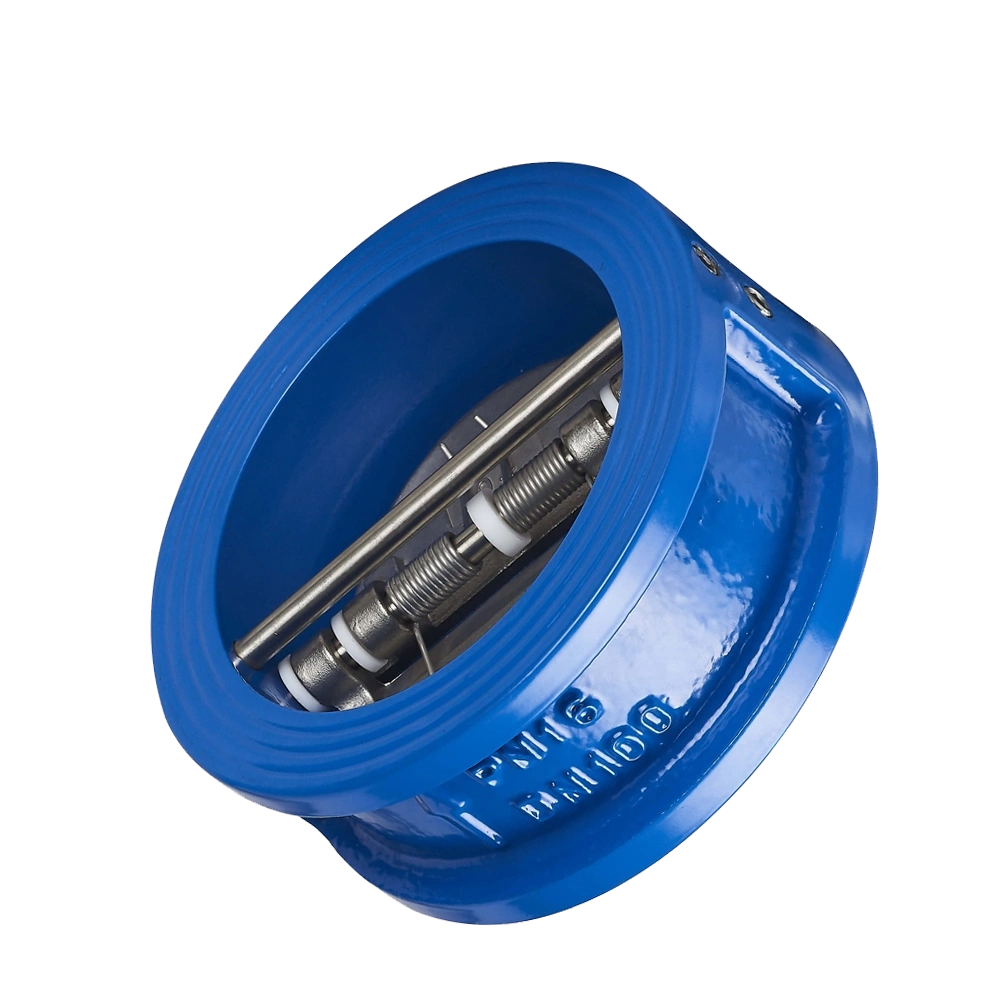
A check valve is an automatic device used in pipelines or any other fluid transport systems. Its role is to prevent backflow of fluid or gas within the system. Its operation is based on the fluid’s pressure. Stopping reverse flow ensures that pumps or compressors used in the system remain safe.
Backflow in any water transport system is dangerous for the components. Typically, pumps or compressors are used to push water, especially in long pipelines. If the pump stops, the fluid starts to flow back toward the pump rather than forward. This backflow can strain and damage the pump’s components.
This is where check valves prove extremely useful, as they prevent this backflow of fluid. The check valve requires no manual operation and is actuated solely by fluid pressure. When the fluid moves forward (in the correct direction), the disc opens. This gives a path for fluid to move forward.
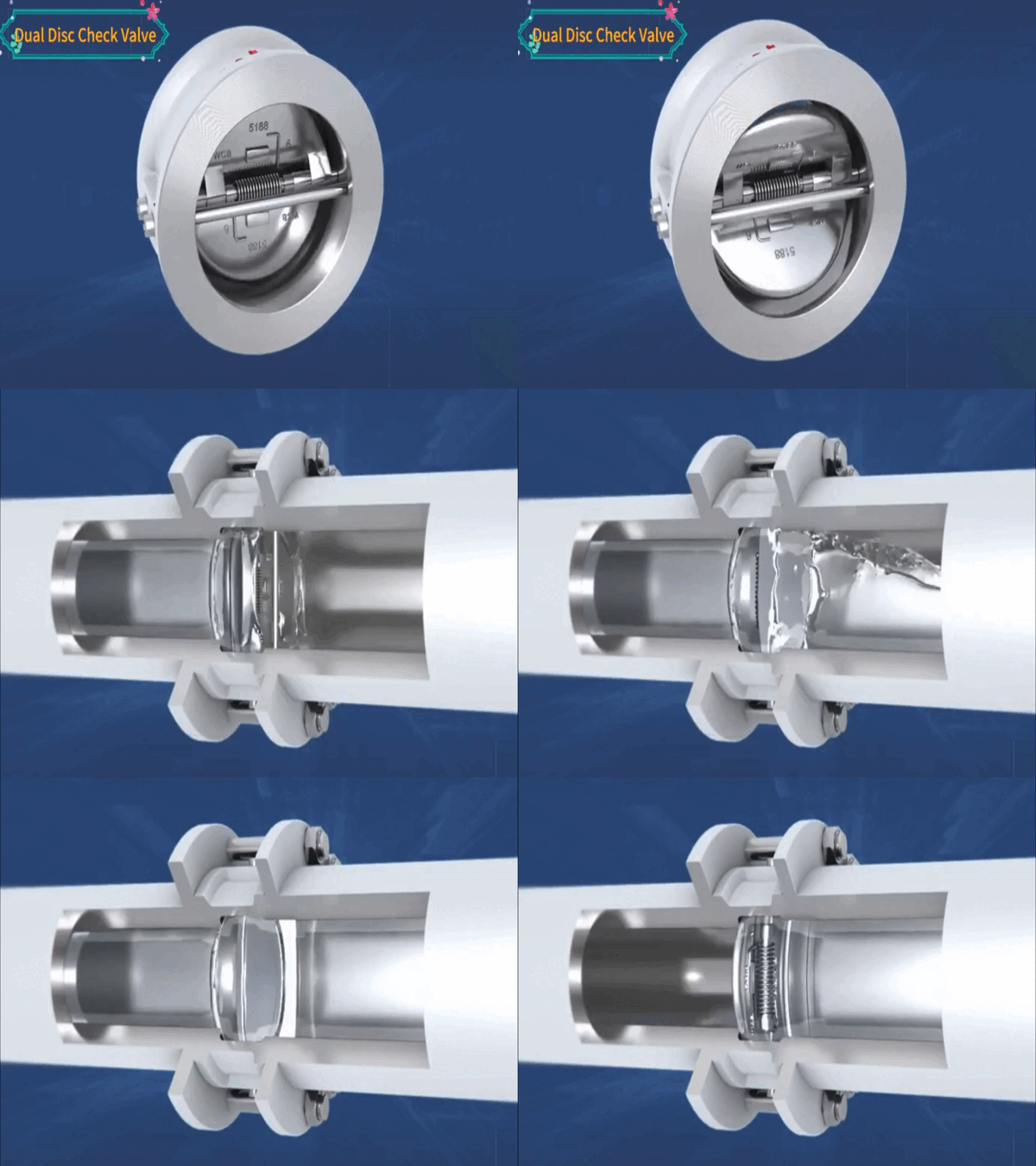
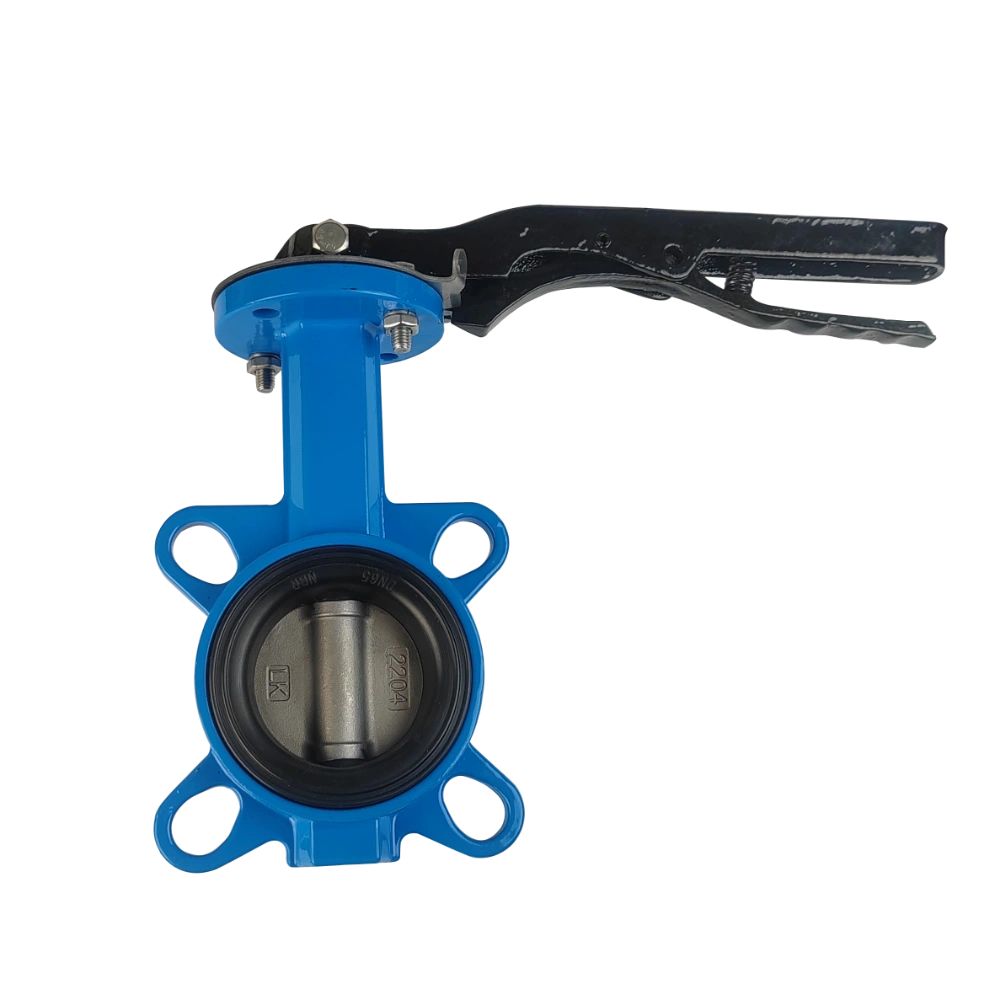
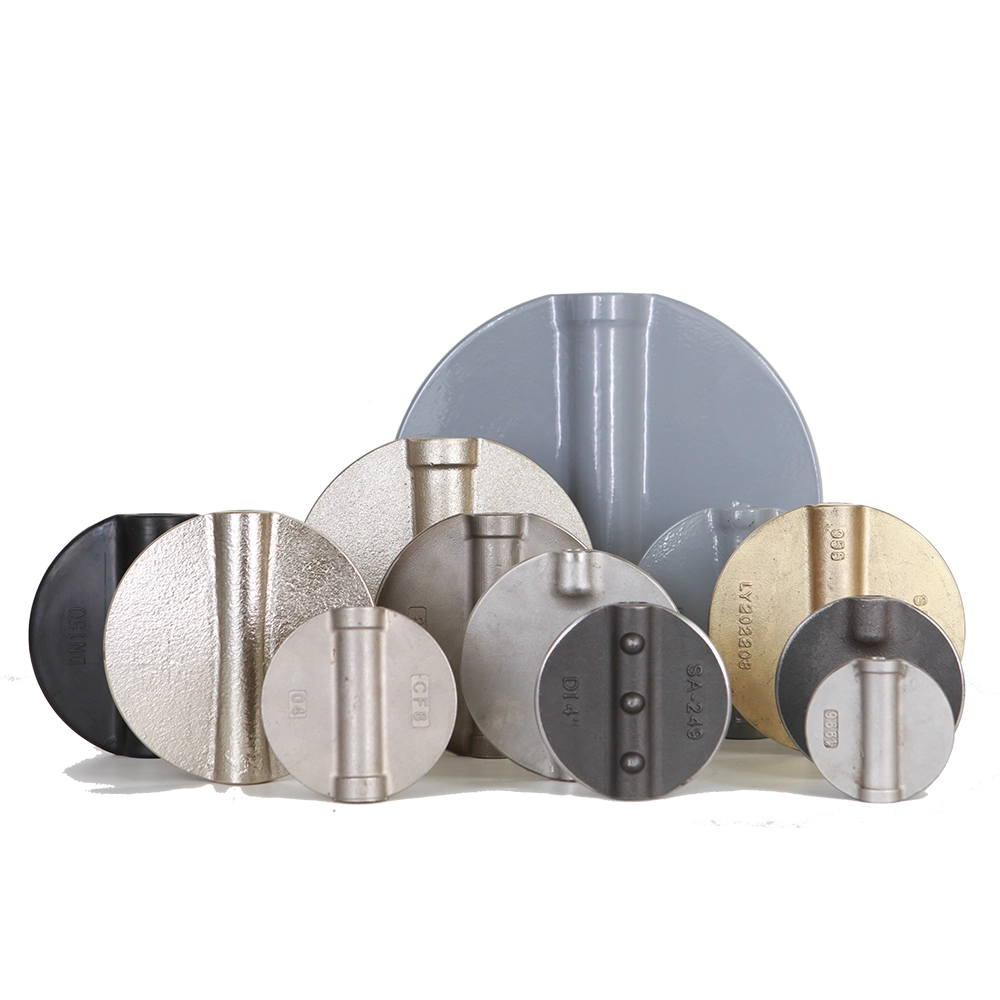
During backflow, the fluid exerts pressure on the disc. This pressure acts in the opposite direction, causing the disc to move onto the seat. This way, the disc closes the path, and the seal prevents fluid from moving back. The components of these valves include seals, seats, discs, and (sometimes) a spring. However, the spring is not a part of every check valve.
What Is the Purpose of a Check Valve?
In simple terms, a check valve prevents water from flowing back toward the pump. Let’s discuss the key purpose of these check valves.
1- Prevents backflow in the system
The primary usage of check valves is to prevent the reverse flow of fluid or gas. As I mentioned earlier, if the fluid reverses, it can damage the pump components. This becomes even more crucial in large pumps where fluid moves in high quantities and at high pressure. The check valve immediately closes the fluid path when the fluid moves in the opposite direction. You’ll see this check valve used in large oil and gas supply lines where backflow is not acceptable.
2- Prevent Contamination of Fluids
In chemical processing and filtration, pipelines are used to remove the unwanted chemicals from the system. The pump pushes the unwanted chemical through pipes. If the pump slows or stops, unwanted chemicals can flow back into the system. This can eventually contaminate the clean fluid. However, the check valves prevent unwanted fluid from flowing back into the system. If the pump stops working, the check valve immediately stops the path and prevents backflow of chemicals.
3- Protects Components of Pumps & Compressors
Check valves are essential for protecting pumps and compressors. In the large pipelines, the dedicated compressors and pumps are used. These pumps push the fluids and ensure smooth transportation. If they stop working, it would reduce the forward pressure inside the pipelines. So, the fluid will move back and come on these pumps or compressors. This stress can damage their components, such as impellers, seals, and bearings. The check valves prevent fluid from flowing back, keeping the pumps safe.
4- Maintains System Pressure and Efficiency
The pressure inside the pipelines can vary. Sometimes, it can be high, ensuring smooth forward flow. This pressure can be reduced, resulting in reduced performance due to backflow. The check valve in the pipelines prevents the fluid from moving backward and maintains consistent pressure. So, even if the pump slows down, the fluid’s flow won’t be affected. All of this happens automatically, with no human intervention. The check valve works automatically when it detects reverse flow.
5- Prevents Water Hammer
Water hammer is a serious issue in fluid transportation systems. It is a sudden increase in pressure within the pipelines that can damage them. As a result, you might notice leakage or joint weakening. The check valve installed in the pipe prevents water hammer. This valve ensures a smooth flow of water from entry to exit. Even with backflow and high backpressure, it quickly closes to prevent reverse flow. In this way, it protects the pipes from the high backward pressure.
Types of Check Valves
Check valves have different types, which are as follows:
- Lift Check Valve
- Ball Check Valve
- Swing Check Valve
- Diaphragm Check Valve
- Spring-Loaded (Spring Check) Valve
The workings of each of these check valve types differ. For example, the lift check works by lifting the disc vertically (upward). On the other hand, swing valves involve the disc swinging during operation. Similarly, the spring check valve has a spring that returns the disc to its seat when backflow is detected. All of these valves effectively block the path and prevent reverse fluid flow.
Applications of Check Valves
The check valves have become a must-have in many industries. You’ll see them being used in applications where backflow can cause accidents. From the water supply systems to HVAC, these valves are prominent. Here is a table showing the applications of check valves:

| Industry | Application of Check Valves |
|---|---|
| Municipal Water Supply | Prevents contamination in pipelines |
| Wastewater Treatment | Prevents contamination |
| Oil & Gas (Pipeline Transport) | One-way flow of crude oil and natural gas |
| HVAC & Refrigeration | Controls water or refrigerants |
| Chemical Manufacturing | Prevents cross-contamination in chemical pipelines |
Conclusion
Let’s conclude: check valves are among the most essential parts of various fluid transportation systems. They play an integral role in the smooth and safe flow of the fluid in one direction. Unlike regular valves, these check valves don’t require human intervention to operate. Instead, they are automatic – open and close themselves by detecting the direction of fluid. In this article, I’ve discussed everything about the check valves.