
Valves are essential parts of almost every system that handles liquids or gases. The main job of a valve is to control the flow of liquids and gases. Even though the job of a valve sounds simple, not all valves are the same. In reality, there are many different types of valves, each designed for a specific purpose. For example, some valves are made to open and close quickly.
However, some valves are used to control the flow slowly. With so many variations, choosing the right valve becomes highly critical. A wrongly chosen valve not only causes leakages but also serious accidents. Hence, to help you make an informed decision, I will discuss the most common valve types and their application. So, let’s get started!
Most Common Types of Valves and Their Applications
Valves are all around us. You can find valves in water pipelines, chemical plants, or even everyday household systems. However, valves come in various designs, shapes, and materials to meet the needs of different projects. Let’s discuss the most common valve types with their application.
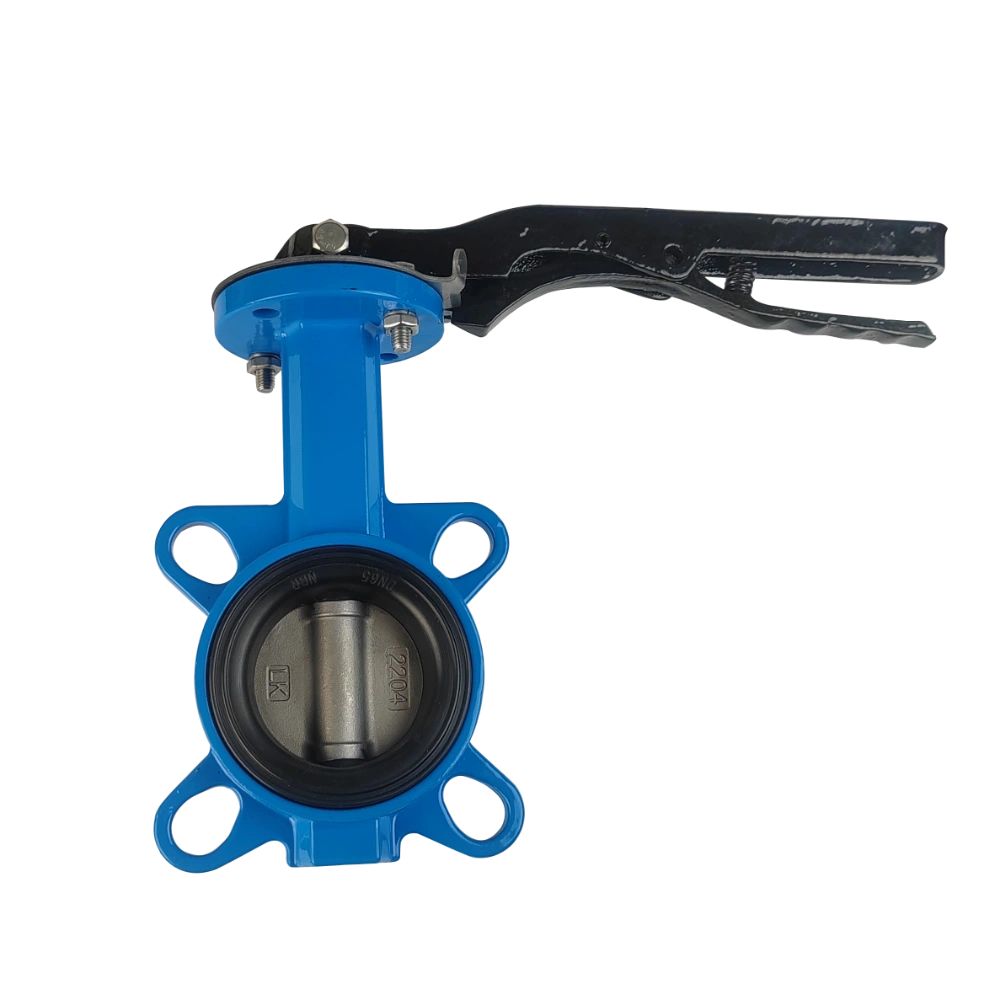
1- Butterfly Valve
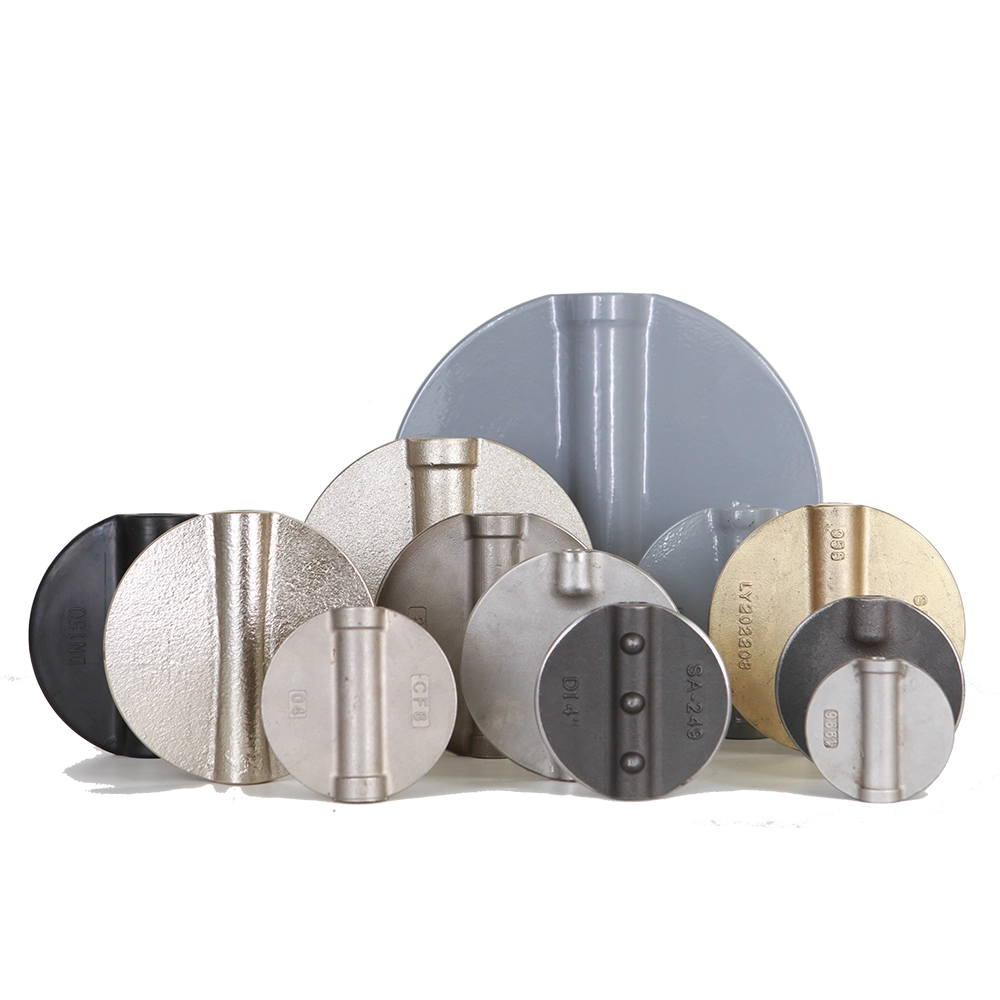
A butterfly valve is lightweight, compact, and easy to operate. Basically, butterfly valves use a flat, circular disc. That disc rotates around an axis to control the flow of liquids or gases. How? Actually, when the disc is turned so that it is parallel to the flow, the valve is fully open. As a result, the fluid can freely pass through the valve.
However, when the disc is turned perpendicular to the flow, it completely blocks the pipeline. What I like about butterfly valves is that they can also be partially opened to regulate flow. It means you can partially operate them and control the flow rate. Another advantage of butterfly valves is that they are space-saving. This makes their installation easier, especially in large-diameter pipelines.

Applications of Butterfly Valve
Butterfly valves for flow control are used in systems where large volumes of fluid need to be controlled efficiently. You can find them in water treatment and distribution systems, HVAC pipelines, and fire protection networks. They are also common in chemical plants, power plants, food and beverage processing, and marine systems.
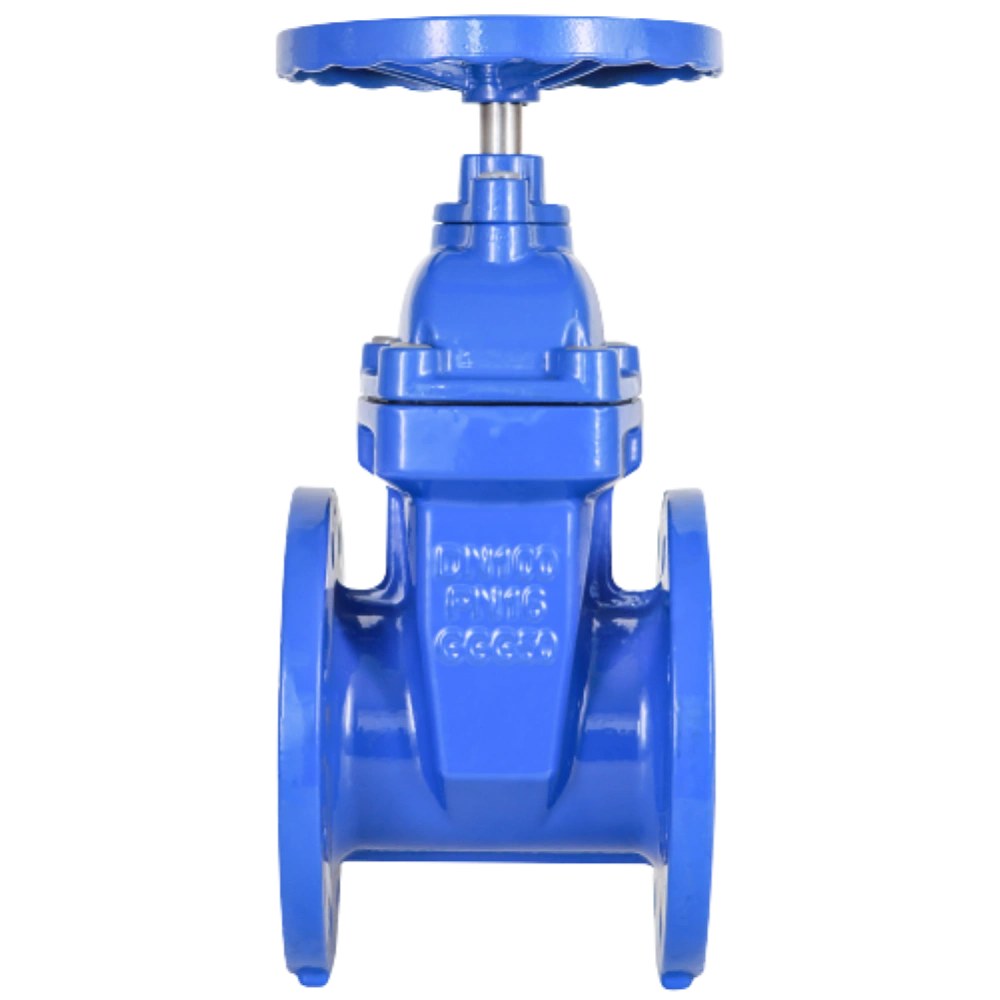
2- Gate Valve
A gate valve is one of the most common and easiest-to-operate valve types. As the name suggests, it works like a “gate,”. That gate moves up and down to control the flow. When the gate lifts, the path opens, allowing water or gas to move freely. When the gate goes down, it completely blocks the flow.
This makes the gate valve ideal for situations where you want the flow either ON or OFF. It means gate valves are not meant for gradual adjustment or flow control. If you try to keep them half open, the gate can get damaged over time. Moreover, gate valves also allow fluid to pass through with very little resistance. It means the pressure stays almost the same on both sides.

Applications of Gate Valve
You will often find gate valves in water supply lines and irrigation systems. They are also used in oil and gas lines because they can handle high pressure. One of the most significant advantages of gate valves is their durability. That’s why they are often used in industrial pipelines and marine and ship systems.
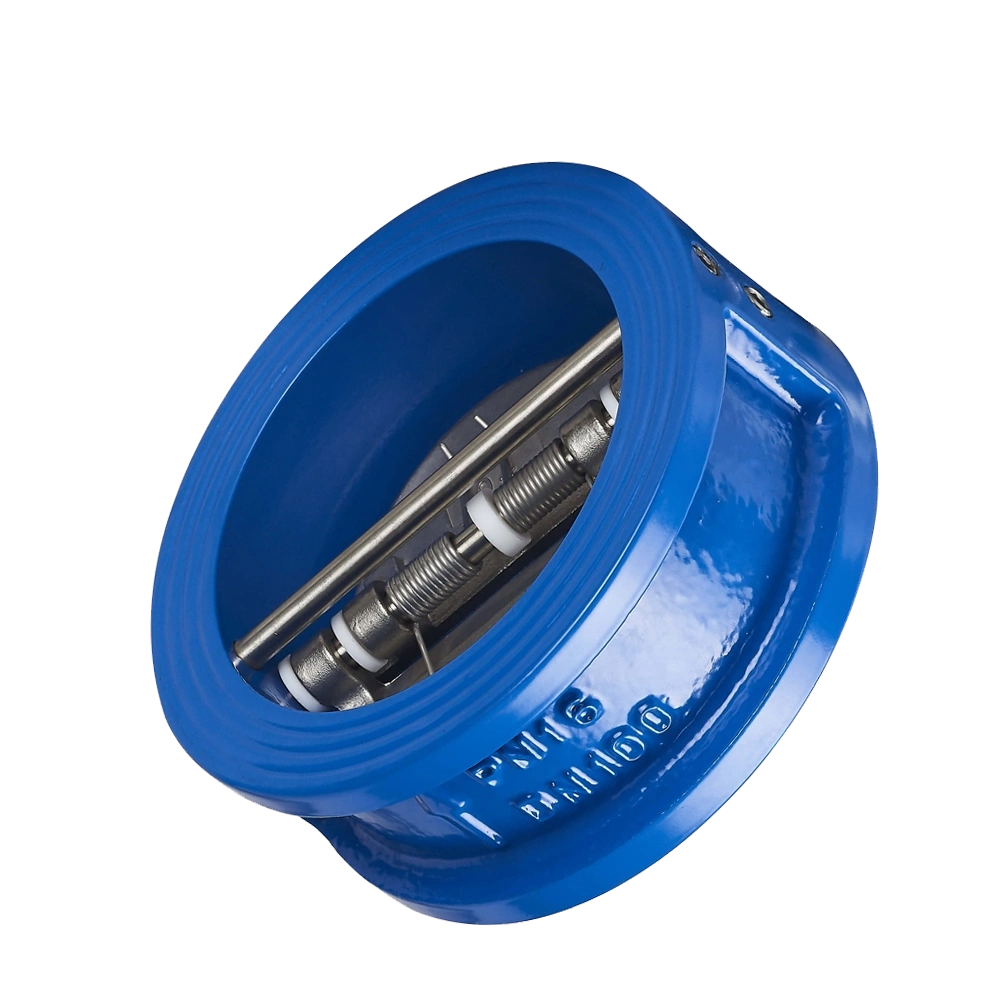
3- Check Valve
A check valve is a special type of valve that allows fluid to flow in only one direction. Basically, these valves work automatically. There is no need to open or close it manually. How? Actually, inside the valve is a flap, ball, or piston that moves to let the fluid pass forward. However, if the flow attempts to reverse, the valve closes to prevent backflow. In simple terms, a check valve acts like a one-way door for fluids. This makes check valves very important to prevent damage from reverse flow.

Applications of Check Valve
Check valves are widely used wherever backflow prevention is essential. They are found in water supply and sewage systems, irrigation pipelines, and boilers. By allowing flow in only one direction, check valves protect pumps, compressors, and other equipment from damage.
4- Globe Valve
A globe valve is used primarily to control the flow of a liquid. Unlike a gate valve, which opens or closes fully, a globe valve lets you adjust the flow smoothly. Its body shape looks round or “globe-like,” which is how it got its name. Basically, inside the valve, there is a movable disc. This disc presses against a fixed seat to control the amount of fluid that passes through.
When you turn the handle, the disc moves up or down, allowing or blocking the fluid flow. If the disc moves only slightly upward, the fluid flow slows; vice versa. This design makes the globe valve perfect for situations where you want step-by-step control over the fluid. Globe valves are known for providing a tight shutoff and very stable flow control. However, globe valves can create slightly more resistance to flow because the flow path inside the valve is not straight.

Applications of Globe Valve
Globe valves are used in cooling water systems, boiler and steam lines, and fuel oil systems. Due to their complete control over flow rate, they are also used in the chemical processing industry and in water treatment plants. Globe valves are useful in instrumentation lines. They help with industrial fluid regulation, too.
5- Ball Valve
A ball valve is one of the most popular and widely used valves due to its reliable, simple operation. As the name suggests, it uses a ball with a hole through its center to control the flow of liquids or gases. When the hole in the ball aligns with the pipeline, fluid flows freely. When you rotate the ball 90 degrees, the hole is no longer aligned, and the flow stops completely.
This makes ball valves excellent for quick on/off control. They are very reliable and provide a tight seal, which helps prevent leaks even under high pressure. However, unlike globe valves, ball valves do not control the fluid flow slowly. They have only an ON/OFF system to block or allow the fluid completely.

Applications of Ball Valve
The most common use of ball valves is in household water supply systems and gas pipelines. You can also find them in the oil and petroleum industries, chemical plants, and pharmaceutical sectors. Moreover, compressed air systems also use globe valves due to their simplicity.
6- Diaphragm Valve
A diaphragm valve uses a flexible rubber or plastic diaphragm to control the flow of liquids or gases. When this diaphragm presses down onto a seat, it stops the flow of fluid. However, when the diaphragm is lifted, it allows the fluid to pass through. This design makes diaphragm valves effective for handling corrosive, dirty, or hygienic fluids. Why?
Actually, the fluid only touches the valve body and the diaphragm. It does not affect other parts, such as the stem or the internal mechanisms that move the valve. As a result, the fluid stays clean because it doesn’t come into contact with parts that could contain dirt, rust, or chemicals. Moreover, the diaphragm can handle thicker and more abrasive fluids. That’s why diaphragm valves are excellent for controlling flow in slurries and liquids with solid particles.
Applications of Diaphragm Valve
Diaphragm valves are common in industries that need hygiene and chemical resistance. They are used in pharmaceutical, food and beverage processing, and water treatment plants. Diaphragm valves handle corrosive liquids, slurries, and thick fluids in industries.
7- Plug Valve
A plug valve is a type of valve that uses a cylindrical or tapered plug to control the flow. Basically, the plug has a hole through it and sits inside the valve body. When you turn this plug so its hole aligns with the pipeline, fluid starts flowing through it. However, when you turn the plug to block the hole, fluid cannot pass.
Some plug valves are designed for quick on/off operation, while others can allow partial flow. However, their partial flow is not as precise as globe valves for fine adjustments. Plug valves are simple in design and highly durable. That’s why they can handle high-pressure, high-temperature, or corrosive fluids.
Applications of Plug Valve
Plug valves are used across a wide range of industries where fast, safe flow control is essential. They are commonly found in oil and gas pipelines, refineries, chemical, and petrochemical plants. In these sectors, plug valves can handle corrosive chemicals. Plug valves are also used in gas distribution networks, water treatment plants, and fire protection systems.
8- Needle Valve
A needle valve is a type of valve designed for precise flow control. It gets its name from the thin, needle-shaped plunger inside. That plunger moves up and down to adjust the flow of liquids or gases very carefully. How? Actually, the valve operates by turning a small handle. This handle moves the needle into or out of a seat.
The closer the needle is to the seat, the less fluid can pass through, and vice versa. This design ensures the flow rate can be controlled with high precision, even at low volumes. Needle valves are typically small but capable of handling high pressure. Additionally, unlike gate or ball valves, needle valves allow tiny adjustments. It means you can control the flow rate to some extent.
Applications of Needle Valve
As I said above, needle valves are primarily used for precise flow control. So they are used in laboratory equipment, calibration systems, and instrumentation lines. In these systems, small, accurate amounts of liquid or gas need to be regulated. Needle valves are used in several areas. They help control fuel flow, gas sampling systems, chemical processing lines, and hydraulic systems.
9- Pinch Valve
A pinch valve is another special type of valve. This valve type controls flow by pinching a flexible tube or sleeve. Inside the valve, there is a flexible tube or sleeve through which the fluid flows. When the valve is open, the tube is not squeezed. As a result, the fluid moves freely through the valve. However, when the valve is closed, a clamp or actuator pinches or squeezes the tube, stopping the fluid completely.
The special thing about pinch valves is that the fluid only touches the flexible tube, not the parts that pinch it. This keeps the fluid free of contamination and protects the valve from abrasive or viscous liquids. They are easy to operate and require minimal maintenance, making them cost-effective in the long run.
Applications of Pinch Valve
Pinch valves are commonly used in industries that deal with abrasive, thick materials. They are widely found in mining operations, slurry pipelines, and the food and beverage industries. Moreover, pinch valves also prevent contamination. Therefore, they are also used in wastewater treatment, pulp and paper processing, and medical devices.
10- Pressure Relief Valve
A pressure relief valve is a type of safety valve. Protects pipelines, tanks, and equipment from too much pressure. As you can see, in a pipeline or tank, pressure can build up due to heat, pump operation, or chemical reactions. If this pressure becomes too high, it can damage equipment, cause leaks, or even lead to explosions. That’s where pressure relief valves come into play.
Basically, the pressure relief valve works automatically. How? Inside the valve is a spring or similar mechanism that holds it closed under normal pressure. However, when the system pressure rises above the safe limit, the spring is pushed aside. As a result, the valve opens to release the extra fluid or gas. Once the pressure returns to a safe level, the valve closes again. This ensures the system stays safe without anyone needing to operate it manually.
Applications of Pressure Relief Valve
In industries and systems where pressure can suddenly increase, pressure relief valves are used. For example, they are found in boilers and steam systems, pressure vessels, and pipelines. In these systems, pressure relief valves prevent explosions. They are also used in chemical processing plants, oil and gas pipelines, fire suppression systems, and water supply systems.
How to Choose the Right Valve For Your Needs
From the above section, you can see the large variety of valves. There is a distinct variation in material size and shape. That’s why it became tricky for anyone to choose the right type of valve for a project. But if you look at a few critical factors, it becomes much easier. Here are some factors you must consider.
- Type of Fluid: The first thing to think about is what will flow through the valve. Is it water, oil, gas, steam, chemicals, or a slurry? If you handle thick, dirty, or corrosive fluid, diaphragm or pinch valves are great. However, ball or gate valves are suitable for clean water or oil.
- Pressure & Temperature: Valves must withstand the pressure and temperature of your system. For example, high-pressure systems require stronger, more durable valves. However, high-temperature fluids require valves that can withstand high temperatures. That’s why I recommend you always check a valve’s pressure rating and temperature limits.
- Operating Method: Remember, valves can be manual or automatic. Hence, if you work with low-pressure systems, manual valves are cost-effective and straightforward to use. In large pipelines and high-pressure systems, automatic valves are more efficient.
- Budget and Cost Considerations: Finally, consider the valve’s cost. No doubt, high-quality valves may be more expensive initially. However, they often last longer and reduce maintenance costs. On the flip side, cheaper valves may save money at first but can cause problems later. Hence, I suggest you balance cost with quality, safety, and suitability for your system.
Conclusion
Valves may seem smart parts. However, they play a huge role in controlling the flow of liquids and gases in every system around us. From water and gas pipelines to industrial plants and power stations, valves ensure fluids flow safely. However, not all valves work the same. Instead, they vary in design, shape, and operation method. This variation leads to different types of valves, as discussed in this article.
Each of these valves, whether it is a gate, globe, ball, butterfly, or pressure relief valve, has a specific purpose. However, choosing the correct valve type for a distinct system is very crucial for smooth operation. For this, you should understand the fluid type, pressure, temperature, and budget. Remember, making the right valve choice saves time and money and prevents accidents.