
In any fluid-handling system, controlling the flow of liquids is a critical task. To make this possible, various types of valves are used. Can butterfly valve be used for flow control? YES! Among the many valve types, the butterfly valve for flow control often stands out as the most reliable and practical option. Why? The reason lies in its efficiency and cost-effectiveness. Additionally, butterfly valves are quick and easy to use.
With just a short turn of the handle, you can let the fluid pass or block it completely. That’s why these valves have become a popular choice among several critical sectors. But if you are new, you may wonder: when and how to use butterfly valves? In this article, I will discuss how butterfly valves work, when and how you should use them. So let’s get started!
Quick Overview of Butterfly Valve
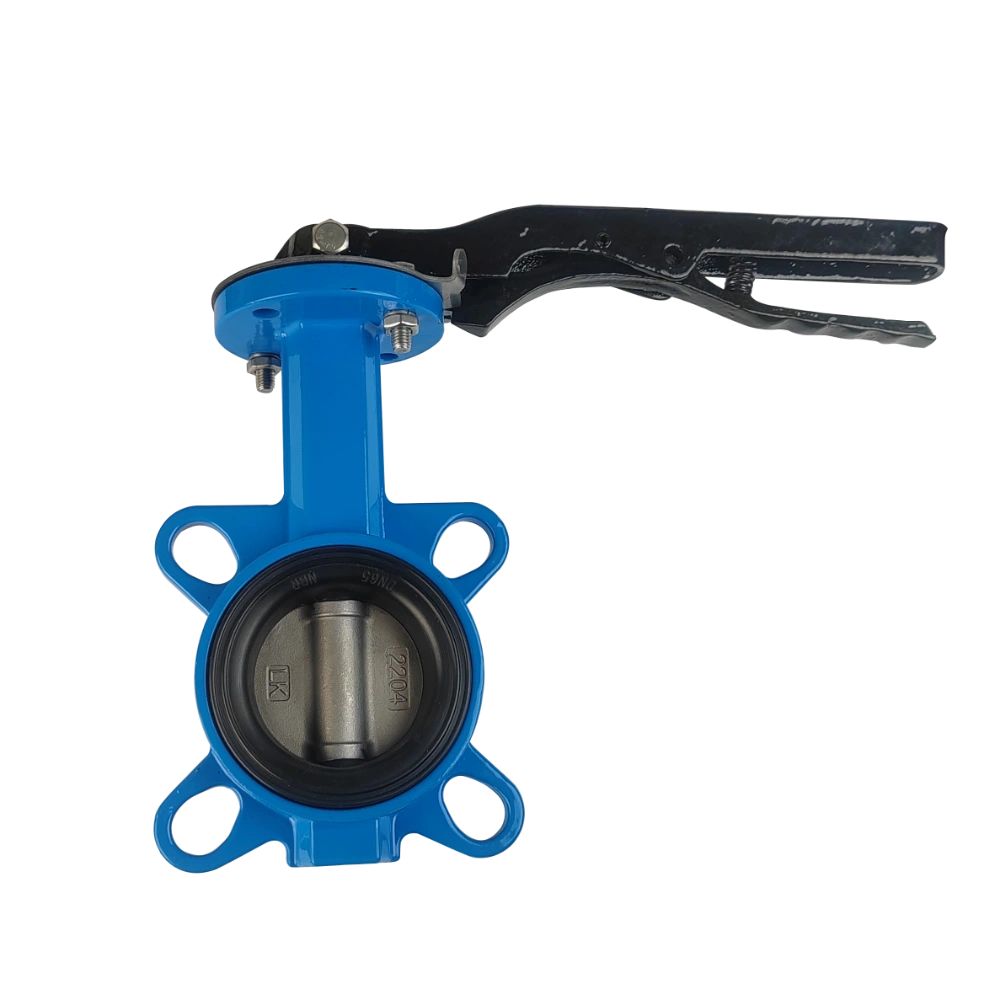
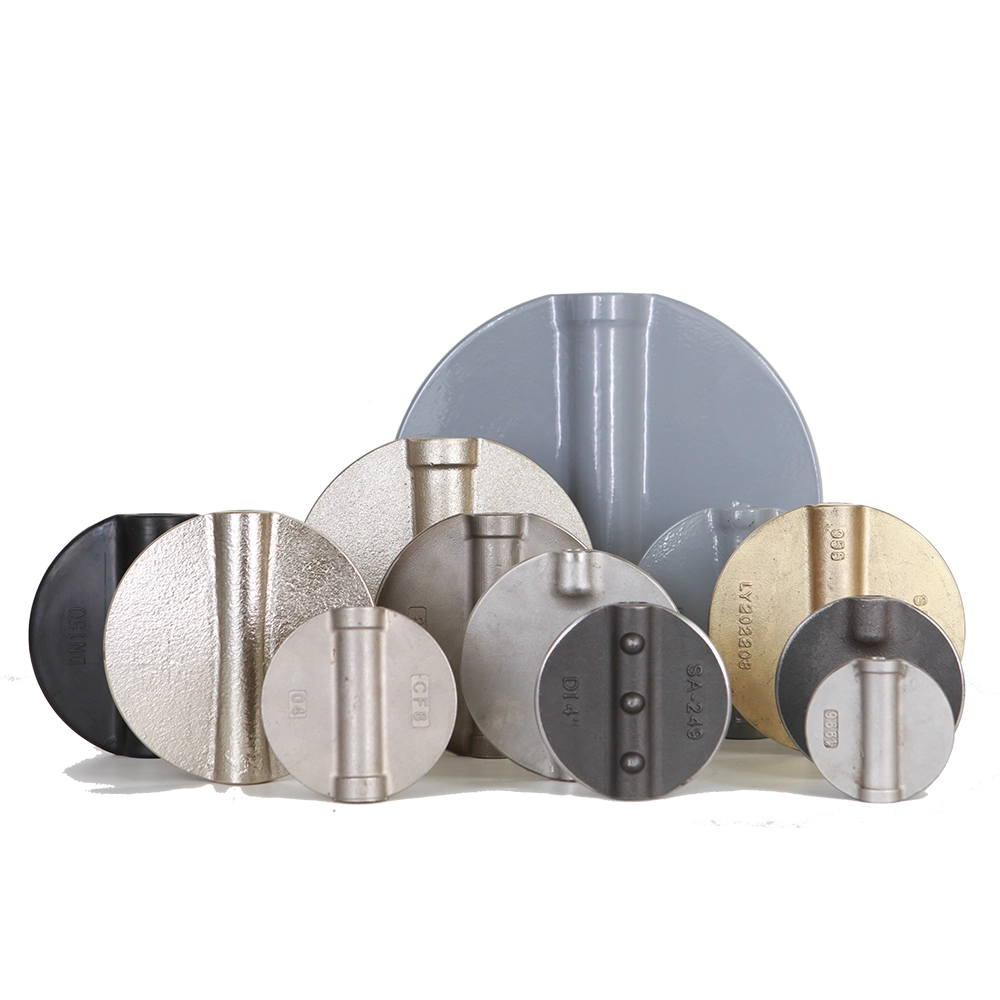
A butterfly valve is a type of quarter-turn valve used to control or stop the flow of a fluid. It has a round disc inside that looks like a butterfly’s wings; that is why it is named so. This disc turns at a 90-degree angle around a central shaft to open or close the passage of fluid.
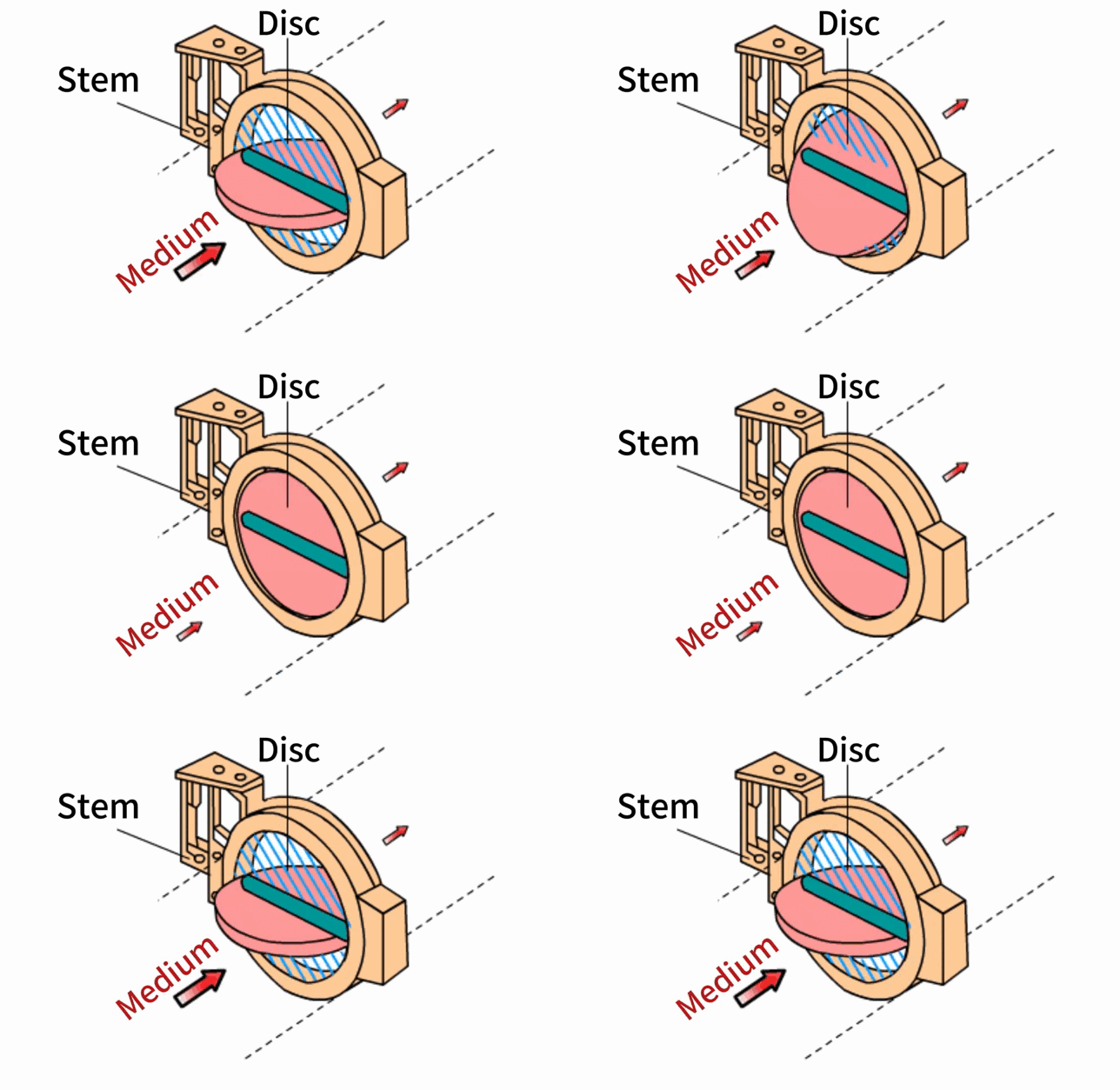
In simple terms, butterfly valves are like gates. They can completely allow the fluid to pass or completely stop it. Besides this, butterfly valves can also regulate flow. It means they can control the fluid’s speed(throttling). This makes the butterfly valve very quick and easy to operate compared to other valves that require multiple turns.
Butterfly Valve for Flow Control: How to Use a Butterfly Valve Properly
No doubt, butterfly valves are much easier to operate and have a simple design. However, sometimes a slight mistake in their operation can cause leakage and accidents. To avoid this, let’s discuss how to use a butterfly valve properly.
Step 1: Check & Know Valve’s Positions
Before you use a butterfly valve, you must first have basic knowledge of its position. The butterfly valve basically has two main positions: open and closed. In the open position, the disc inside the valve is turned parallel to the fluid flow. It means the fluid can pass through the pipe without any obstruction.
In most manual butterfly valves, the open position is when the handle is in line with the pipe. Now, let’s discuss the butterfly valve’s closed position. When the valve is closed, the disc is rotated 90 degrees so that it sits perpendicular to the flow. This blocks the passage and prevents the fluid from flowing. You can identify this position when the handle is across the pipe.
Quick Highlight: Butterfly valves can also be used to allow fluid flow partially, a process called throttling. In this case, the disc is turned at an angle between fully open and fully closed. This position is advantageous when you need to adjust flow rates gradually rather than turning them fully on or off.
Step 2: Check System Conditions Before Use
Once you know the butterfly valve’s basic positions, the next step is to check the system condition. In this step, you ensure the valve works properly and safely by doing some checks. For example, first check the butterfly valve’s temperature and pressure ratings.
Remember, each type of butterfly valve has a maximum pressure and temperature range. So, you should make sure the fluid in the system is within these limits. After that, look at the pipe where the valve is installed. Ensure it is clean and free from debris, rust, or dirt, because any foreign material can scratch the disc or seat.
Step 3: Open or Close the Valve
Once you have checked the system, the next step is to properly open or close the butterfly valve. This is the primary function of the butterfly valve. As I said above, butterfly valves are quarter-turn valves. It means they only need a 90-degree turn to allow or block the fluid flow. To open the valve, simply turn the handle counterclockwise.

As you turn the handle, the disc inside the valve rotates parallel to the flow. As a result, the fluid begins to flow immediately. Now, when you want to close the valve, turn the handle clockwise 90 degrees. It will rotate the disc perpendicular to the flow. As a result, it forms a tight seal against the seat, completely blocking fluid flow.
Step 4: Adjust for Flow Control (Throttling)
Besides fully opening or closing the butterfly valve, there is also another condition. In this condition, you can partially open or close the fluid, which is called throttling. With throttling, you can control the amount of fluid passing through a pipe. So, how to throttle the fluid flow? For this, turn the handle or actuator to a position between fully open and fully closed.
For example, you might open it halfway to allow about 50% of the fluid to pass. There is no hard-and-fast rule for throttling. You can even open the disc to 30%, 40%, or 60% depending on your system needs. But remember, it’s essential to adjust the valve slowly while throttling. Why? Sudden movements can cause pressure surges or water hammer. As a result, your piping system can get damaged.
Step 5: Use Gear or Actuated Operation
In larger pipelines, butterfly valves are often too big or heavy to operate manually. In such cases, valves are equipped with gear operators or actuators. If you have such a butterfly valve, you must know how to manage the gear and actuated systems. Suppose your butterfly valve has a handwheel with a gear system. When you turn the wheel, the gears help rotate the disc inside the valve.
This makes it easier to open or close large valves without excessive force. Additionally, some valves are automatic and use electric motors or air pressure to move the disc. These systems are helpful when the valve is hard to reach or needs to be controlled remotely. For butterfly valves with electric or automated operation, you can turn the valve by pressing a switch or button.
Butterfly Valve for Flow Control: When to Use a Butterfly Valve
Butterfly valves are versatile and widely used in many systems. However, due to their unique design, they have an ideal use case you should know about. Let’s discuss when you should use butterfly valves.

1- For Quick On/Off Control
As I said above, butterfly valves are quarter-turn valves. It means you can open or close them with just a 90-degree turn. This makes them perfect when you need to start or stop the flow of liquids or gases quickly. For example, you can use butterfly valves in water supply lines, fire protection systems, or chemical pipelines.
2- When Space is Limited
One significant advantage of a butterfly valve is its compact, lightweight design. Unlike regular big valves, butterfly valves have few layers, making them lightweight. Hence, they are ideal for areas with tight spaces or complex piping layouts. For example, in buildings, factories, or HVAC systems, pipes often run close to walls. Right? In such systems, installing a bulky valve can be difficult. But butterfly valves can be mounted between flanges, which makes their installation straightforward.
3- For Throttling or Flow Regulation
As you can see, butterfly valves are not only used to open or fully close the flow. Instead, these valves can also partially control or regulate the flow, a process called throttling. This process helps when you need to adjust the amount of fluid passing through a pipe. In simple words, throttling allows you to maintain desired flow rates in a system. So, the piping systems where you often need throttling, you can use butterfly valves.
4- In Systems with Low to Medium Pressure
Butterfly valves can handle a wide range of pressures. However, most butterfly valves are ideal for water, air, or other fluids at moderate pressures. Why? In low- to medium-pressure systems, the valve is easy to operate and install. Moreover, the disc rotates smoothly without putting stress on the stem or seat. As a result, butterfly valves not only last longer but also work efficiently for a long time.
5- In Corrosive or Aggressive Fluids
Butterfly valves come in a variety of materials. Common materials used by butterfly valve manufacturers include stainless steel, PVC, PTFE, and rubber. It means you can choose the right material butterfly valves for the proper condition. This ensures that the valve does not get damaged or wear out quickly when exposed to chemicals. For example, fluids in chemical plants may contain acids, alkalis, or other reactive substances. In such cases, you can choose a stainless butterfly valve for efficient operation.
6- For Cost-Effective Solutions
When you need a cost-effective valve solution, butterfly valves stand out. How? Actually, butterfly valves have a pretty simple design, are lightweight, and have fewer parts. It means you can easily install them without heavy equipment, reducing labor costs. Moreover, butterfly valves last longer with little maintenance. So you don’t have to worry about their frequent replacements, which further saves cost in the long run.
Frequently Asked Questions
Are butterfly valves suitable for throttling?
Yes, butterfly valves can be used for throttling. It means these valves can partially control the flow of a fluid. For this, you have to adjust the disc to an angle between fully open and fully closed. This will control the amount of fluid flowing through the pipe.
How do you operate a manual butterfly valve?
To operate a manual butterfly valve, you use the handle or lever attached to the valve. Turn this handle 90 degrees to open or close the valve. To allow the fluid to flow, turn the handle so the disc inside the valve is parallel to the flow. However, to block the fluid flow, turn the handle so the disc is perpendicular to the flow.
How do you choose the right butterfly valve size?
To choose the right size, first check the pipe diameter where the valve will be installed. After that, check the system’s flow rate and pressure to ensure the valve can handle them. Finally, select a valve that fits the pipe type and allows easy operation.
Conclusion
Butterfly valves have become the most efficient option for controlling the flow of liquids and gases. What makes them stand out is their simple design and easy operation. For example, butterfly valves have a disc that rotates 90 degrees to open or close fluid flow. You just have to rotate the handle, and it will completely block or allow the fluid. In addition, butterfly valves are ideal for throttling.
In this process, you can partially open or close the valve to regulate the rate of fluid flow. Due to this versatility, butterfly valves are used in many sectors. For example, you can use them in chemical plants, water treatment plants, HVAC systems, and so on. In short, butterfly valves are the ideal choice for anyone seeking reliable, effective flow control.