
The valve body undergoes galvanizing primarily to improve its corrosion resistance and extend its service life. Below, I will explain the reasons and principles in detail.

-
What is Valve Body Galvanizing?
Galvanized valve body: galvanizing involves plating a layer of zinc (Zn) onto the valve body surface. The most common methods are:
- Hot-dip galvanizing: Immersing the valve body in molten zinc to coat its surface with a dense zinc layer;
- Electro-galvanizing: Depositing a zinc layer onto the valve body surface using electrochemical methods;
- Cold galvanizing: This involves brushing or spraying a zinc-rich coating to form a protective layer.
Don’t worry, we will explain the processes and characteristics of these three galvanizing methods in detail later. We will especially focus on color plating, which is of great interest to many.
-
Why Galvanize Valve Bodies?
2.1. Corrosion Prevention
Valve bodies exposed to humid, saline, or acidic/alkaline environments (such as water supply systems, marine engineering, and chemical plant pipelines) are prone to oxidation and rust.
The galvanized layer has excellent chemical stability, isolating it from air and moisture, preventing the iron substrate from rusting.
The electrochemical protective effect of zinc is that even if the surface is scratched, zinc will preferentially oxidize (the principle of sacrificial anode), protecting the underlying steel from corrosion.
2.2. Extended Service Life
Ungalvanized carbon steel valve bodies may rust within months in humid environments, while galvanized valve bodies can have a corrosion resistance lifespan of 10-30 years (depending on coating thickness and environment).
2.3. Enhanced Appearance and Brand Recognition
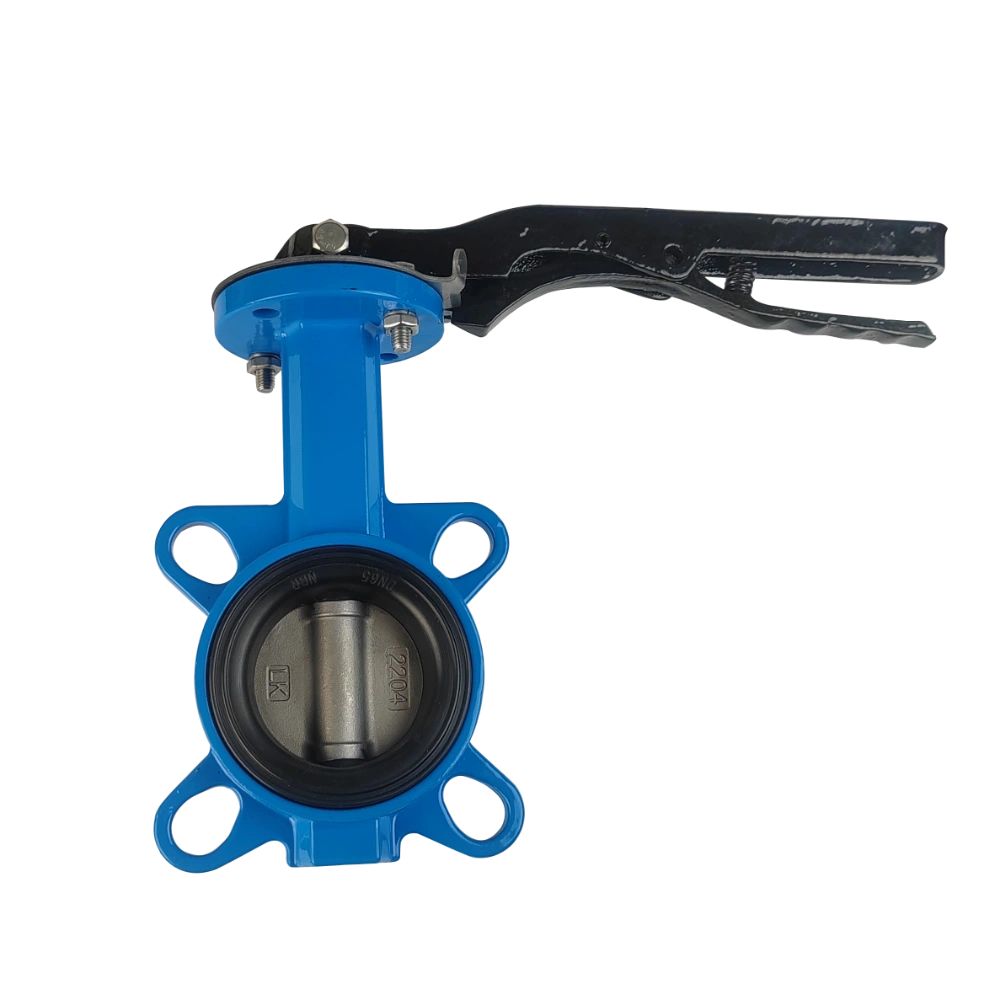
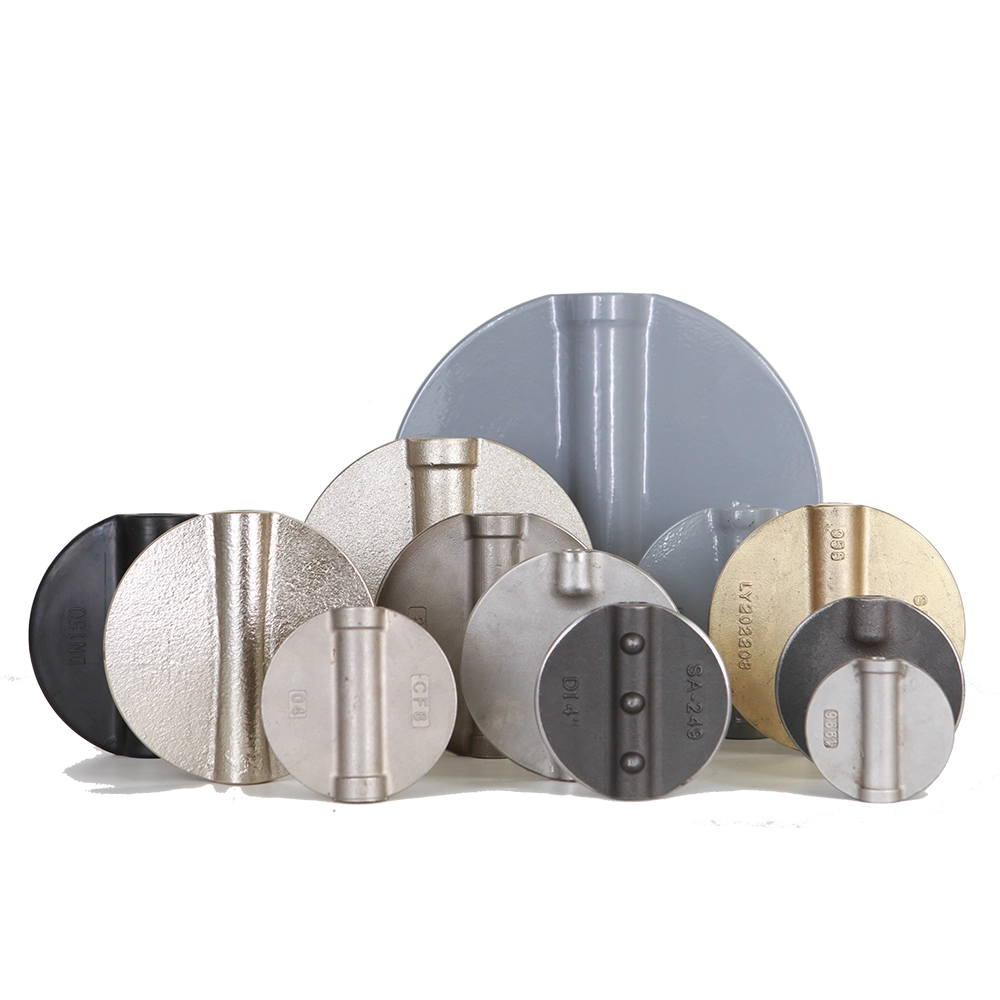
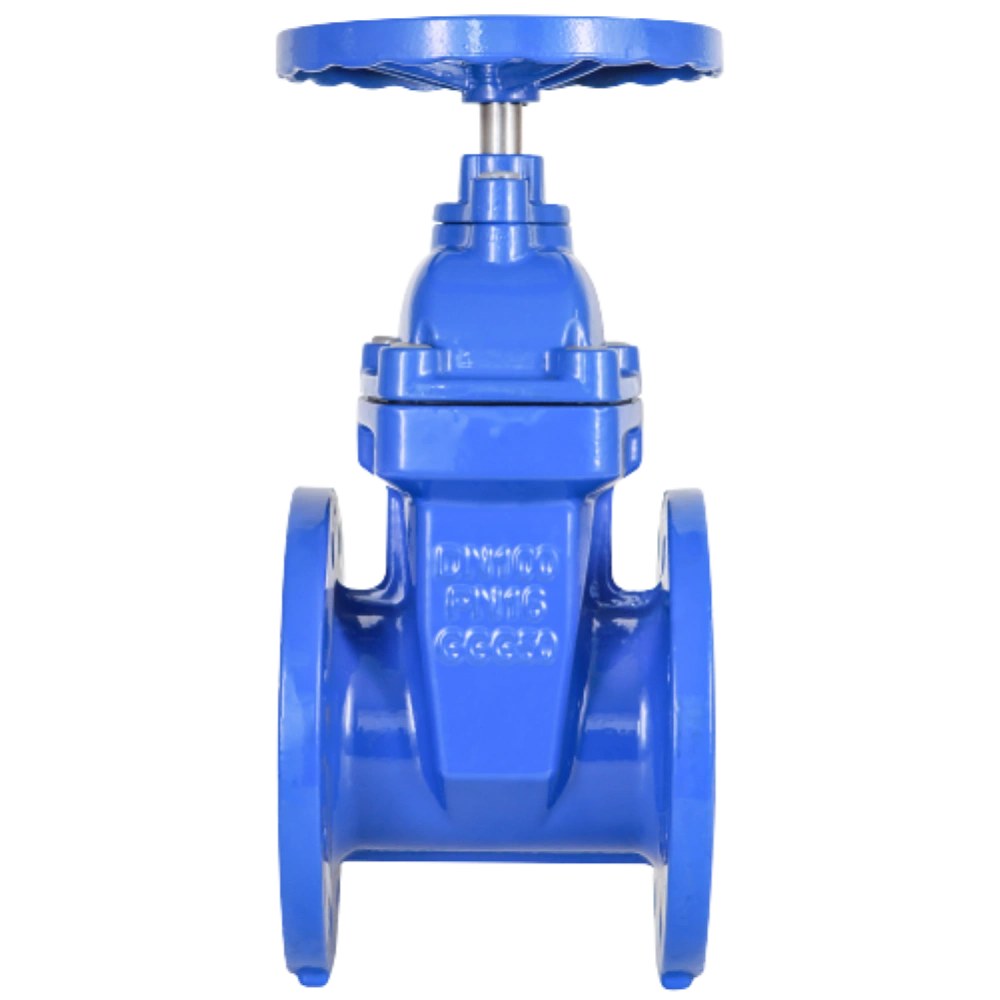
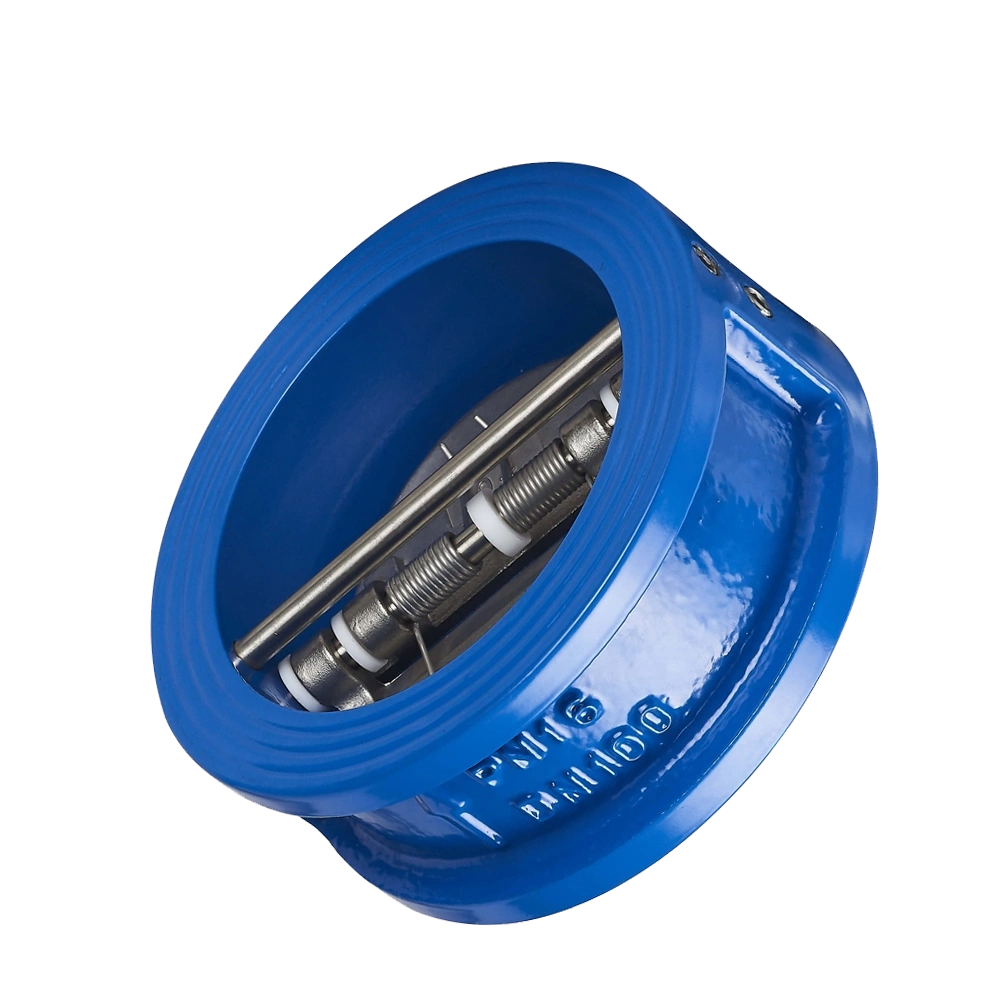
As shown in the image, galvanized valve bodies have a bright and aesthetically pleasing surface, facilitating product display and brand differentiation; it also makes the product appear more “high-end” and durable.
-
Applicable Valve Body Materials and Operating Conditions
| Valve Body Material | Recommended Galvanizing | Explanation |
| Carbon steel | ✅ Recommended | Most common, significantly improves rust resistance |
| Ductile iron | ✅ Commonly used | Particularly suitable for water supply, drainage, fire protection, and other systems |
| Stainless steel | ❌ Not Recommended | Self-corrosion resistant, no galvanizing required |
| Cast steel | ✅ Optional | Depends on the operating environment |
-
Three Galvanizing Processes
4.1 Hot-Dip Galvanizing

4.1.1 Process Description
Pretreatment: Remove oil, scale, welding slag, and other impurities from the valve body surface;
Acid Pickling: Commonly remove rust using dilute hydrochloric acid or sulfuric acid solution;
Fluent Coating: Coat with ammonium chloride or zinc chloride solution to prevent oxidation and enhance zinc adhesion;
Hot-Dip Galvanizing: Immerse the valve body in… In molten zinc at 450–460°C, zinc reacts chemically with the iron substrate to form an Fe-Zn alloy layer.
Cooling passivation: Prevents white rust formation and enhances surface gloss.
4.1.2 Characteristics
Zinc layer thickness: 50–120 μm
Adhesion: Extremely strong, forming a strong alloy bond
Appearance: Silvery-white with slight crystalline blooms
Cost: Relatively high
Suitable for: Large valve bodies, outdoor environments with high corrosion resistance requirements (water supply, ports, fire protection)
4.2 Cold Galvanizing
Also known as zinc powder coating method / zinc-rich coating spraying method.
4.2.1 Process Description
Surface cleaning: Removes oil and loose rust to improve adhesion;
Spraying zinc-rich coating: The coating contains ≥90% zinc powder and is applied by brushing, spraying, or rolling to form a protective layer;
Drying and curing: Forms a zinc-containing conductive film, providing electrochemical protection.
4.2.2 Characteristics
Zinc layer thickness: 20–40 μm
Adhesion: Relatively strong, but not as strong as hot-dip galvanizing
Appearance: Gray or matte silver-gray
Cost: Low, simple process
Applications: Indoor equipment, repair plating, post-weld protection, non-critical parts
4.3 Electro-galvanizing
4.3.1 Process Description
The valve body is placed in an electrolyte containing zinc ions, acting as the cathode;
Zinc ions are reduced and deposited on the valve body surface using direct current;
The thickness and uniformity of the zinc layer are controlled by electroplating time, temperature, and current density.
4.3.2 Characteristics
Zinc layer thickness: 5–25 μm (relatively thin)
Adhesion: Good, smooth surface
Appearance: Bright, highly decorative
Cost: Moderate to low
Applications: Small parts, decorative parts, applications requiring high aesthetics
-
Color Plating
“Color plating” is also called “color passivated zinc plating” or “color zinc plating”.
Actually, color plating is a post-treatment method of electroplating zinc. Therefore, color plating (Color Zinc Plating) is not an independent zinc plating method, but rather a process where, after electroplating zinc is completed, a chemical passivation solution is used to form a multi-colored reflective film layer on the surface.
5.1 Color Plating Process Flow
Surface Cleaning → Electroplating Zinc → Water Washing → Color Passivation Treatment → Water Washing → Drying → Inspection
Key Step: Color Passivation
Using chromium-containing or chromium-free passivation solution;
The zinc layer surface reacts with the chemical solution to form a chromate or composite oxide film;
Light interference creates a “rainbow” appearance.
5.2 Characteristics of Color-Coated Zinc Layer
Zinc Layer Thickness: Typically 5–25 μm (same as ordinary electroplating)
Appearance: Rainbow colors (blue, gold, purple, green, etc., changing with angle)
Adhesion: Strong, smooth and delicate surface
Cost: Slightly higher than ordinary electroplating
Environmental friendliness: Traditionally used hexavalent chromium process (toxic), now mostly trivalent chromium-free passivation solution is used
Application: Valve bodies or accessories requiring high appearance and moderate corrosion resistance
5.3 Common Electroplating Zinc Passivation Colors
| Name | Appearance | Corrosion Resistance (relative) | Remarks |
| Blue zinc | Silvery white with a slight bluish sheen | ★★ | Most common |
| Color zinc | Rainbow colors | ★★★ | Beautiful + practical |
| Black zinc | Black or dark gray | ★★★ | Strong decorative effect |
| Olive / Yellow zinc | Yellowish-green | ★★★★ | High corrosion resistance |
5.4、Comparison of Color-Coated Zinc with Other Zinc Plating Methods
| Comparison Items | Hot-dip galvanizing | Cold galvanizing | Electro-galvanizing (ordinary) | Color-coated electro-galvanizing (color plating) |
| Zinc layer thickness | 50–120 μm | 20–40 μm | 5–25 μm | 5–25 μm |
| Appearance | Rough silver-white | Gray | Bright silver-white | Multi-colored reflective layer |
| Corrosion resistance | ★★★★★ | ★★ | ★★★ | ★★★★ |
| Cost | High | Low | Medium | Medium-high |
| Decorative properties | Average | Average | Good | Excellent |
| Typical applications | Outdoor, water supply systems | General rust prevention | Small hardware, valve covers, | Valve bodies, Accessories, Decorative valves |
In summary:
“Color plating” is actually a combination of electro-galvanizing and a colored passivation film layer.
It balances decorative effect with moderate corrosion resistance,
making it particularly suitable for valves or accessories with high appearance requirements and in non-high-temperature, non-strongly corrosive environments.
-
Precautions
Use galvanized parts with caution in high-temperature environments (the zinc layer may peel or evaporate above 200℃);
Welded areas require re-protection (the coating will be damaged);
Select an appropriate coating thickness (usually between 50–100 μm);
After galvanizing, check whether threads, tolerances, etc., are affected.