
Butterfly valves are not a panacea, but you absolutely cannot do without them.
Butterfly valves are essential in many industries. You’ll see them in water pipelines, oil & gas transportation, and so on. However, what sets butterfly valves apart is their throttling. You can adjust the flow or pressure of fluid using the throttling. However, there remains a question: Are butterfly valves good for throttling?
The quick answer is YES, IT CAN.
But, Some can make short-term adjustments, and specific kind one can make not long-term adjustments.
Regardless of the type, their common characteristic is: they can only make coarse adjustments, not fine adjustments.
The simple design of the butterfly valve, with its 90-degree rotation, allows throttling. In this article, I’ll explain everything about butterfly valve throttling and whether it is a practical option. So, let’s get started!
What is the Throttling of Butterfly Valves?
Understanding the basics of a butterfly valve is a must before you take on throttling. Why? Because the throttling operation highly depends on butterfly valve types.
This involves two concepts: butterfly valve and throttling.
“Throttling” refers to the process of significantly reducing the pressure and controlling the flow rate of a fluid (liquid or gas) when it flows through a narrow area by changing the cross-sectional area or throttling length of the flow channel.
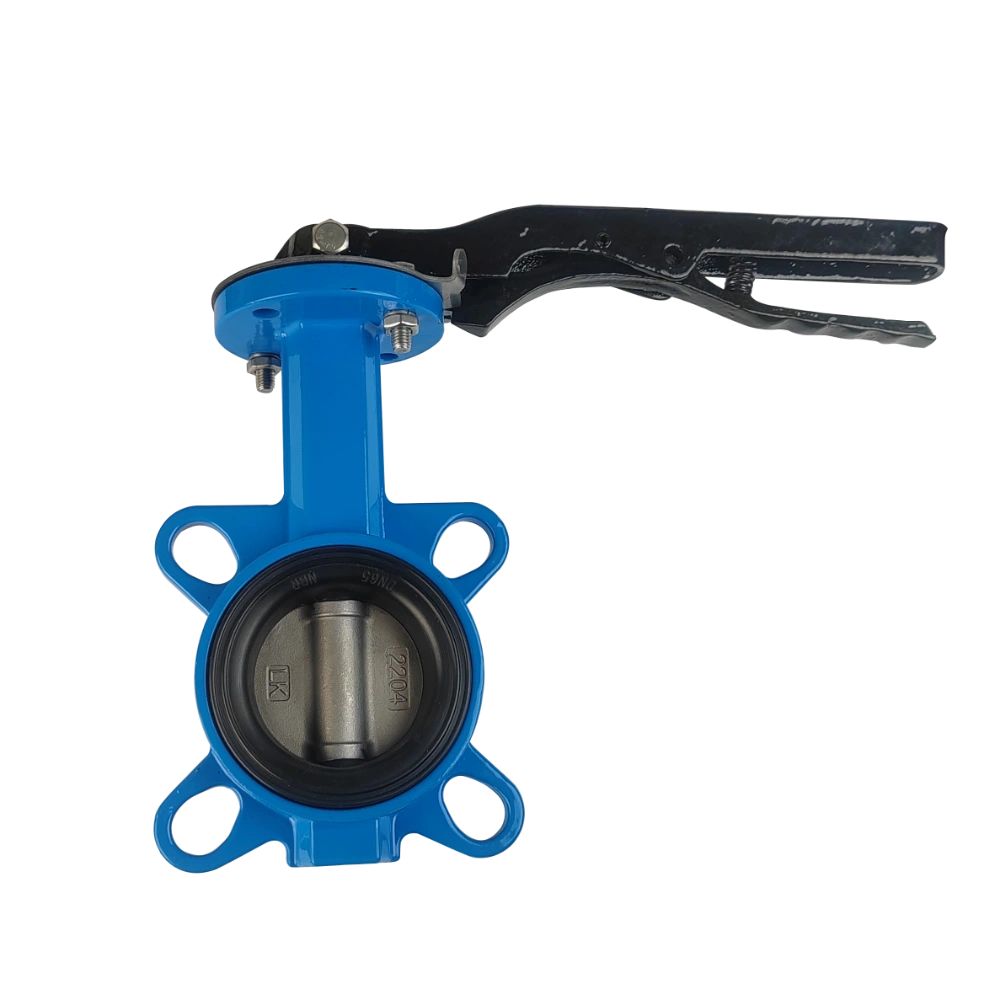
Butterfly valves used in pipelines help control fluid flow. It is called a butterfly because its shape resembles the wings of a butterfly. This valve can fully close, fully open, or partially open/close, depending on user needs. What makes it stand out is that it takes 90-degree turns from fully open to fully closed.
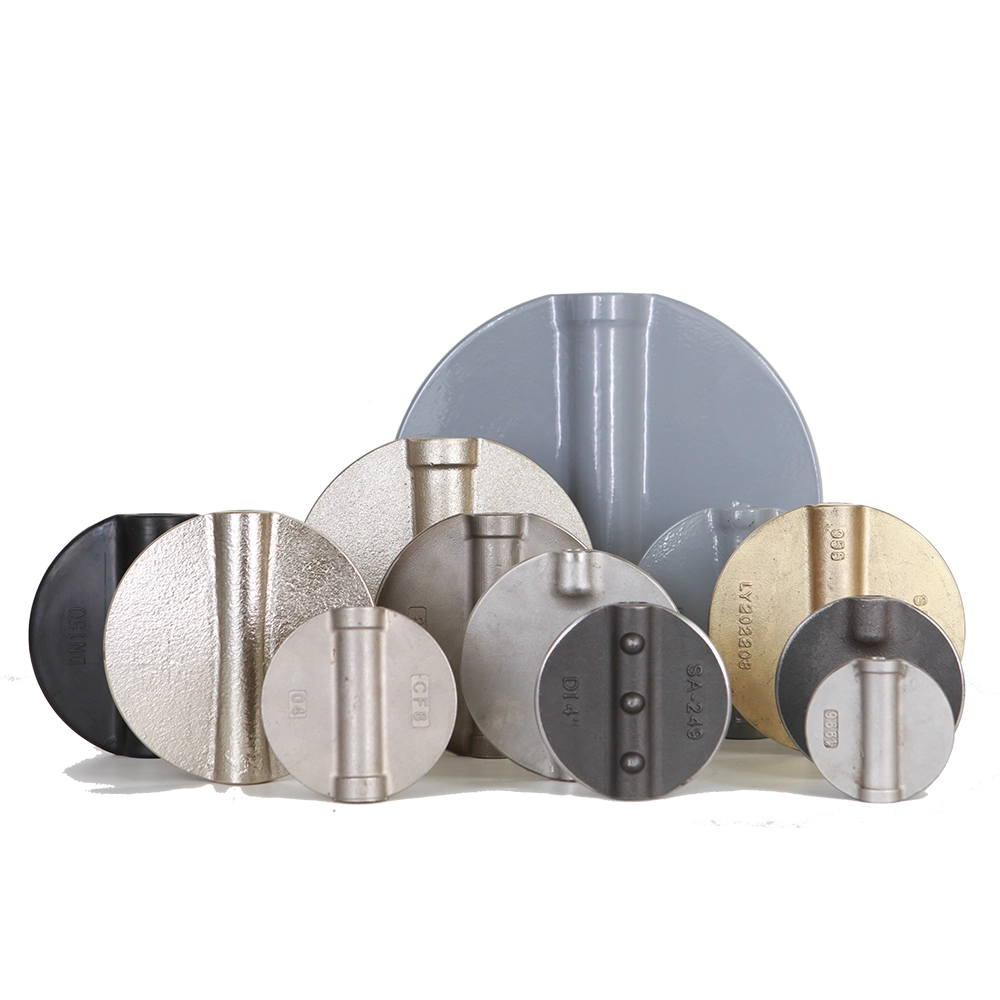
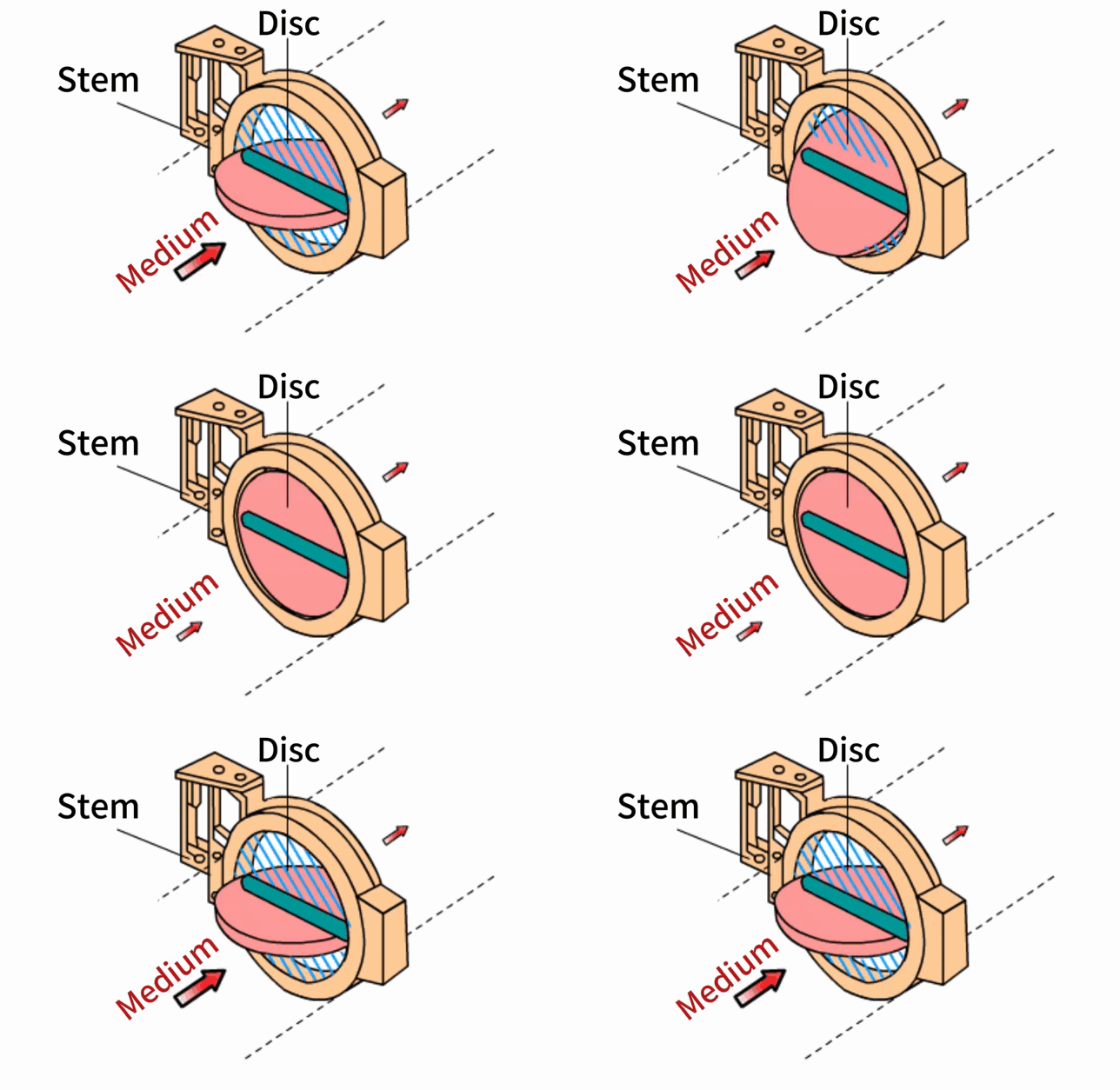
You can simply move the handle and operate this valve. This valve has a disc that plays a key role. When you move the handle, this disc opens or closes the valve. If this disc is parallel (at 0°) to the flow, it means the fluid will pass. On the other hand, if the disc rotates at 90° and becomes perpendicular to the flow, it would stop the flow of liquid. Confused about what is throttling in valves?
It is the phenomenon that happens when the butterfly disc is neither fully closed nor fully opened. It is partially open or closed, allowing some fluid to pass through but with resistance. This obstructed flow of fluid (smaller) is called the throttling. You can do this throttling with butterfly valve by keeping the disc at 30-60 degrees.
The following table shows typical resistance coefficient (K value / ζ value) for standard concentric butterfly valves under water service conditions.
| Disc Angle | Flow Condition | Typical K Value | Pressure Drop Characteristic |
|---|---|---|---|
| 0° | Fully closed | Infinite | No flow |
| 5° | Micro opening | 1500–3000 | Extremely high pressure loss |
| 10° | Very small flow | 800–1200 | Severe throttling |
| 15° | Small opening | 400–700 | Very high turbulence |
| 20° | Restricted flow | 200–400 | Heavy pressure drop |
| 25° | Limited flow | 120–250 | Strong throttling |
| 30° | Small flow control | 80–150 | Significant pressure loss |
| 35° | Moderate restriction | 50–100 | High resistance |
| 40° | Transition region | 30–60 | Pressure drop decreasing |
| 45° | Mid opening | 15–30 | Common regulating position |
| 50° | Medium-large flow | 10–20 | Stable control region |
| 55° | Improved flow | 6–12 | Lower turbulence |
| 60° | Large opening | 4–8 | Pressure loss drops quickly |
| 65° | High flow | 2–5 | Efficient flow passage |
| 70° | Near full flow | 1.5–3 | Low resistance |
| 75° | Almost fully open | 0.8–1.8 | Minor pressure drop |
| 80° | High efficiency region | 0.4–1.2 | Very low resistance |
| 85° | Near full open | 0.2–0.6 | Minimal obstruction |
| 90° | Fully open | 0.1–0.3 | Lowest pressure drop |
Are Butterfly Valves Good for Throttling?
The first question should be, can we throttle the butterfly valve?
Yes, we can throttle the butterfly valve by strategically moving the handle. You should move so the disc moves only 30 to 40 degrees. At that position, the disc will be partially open, allowing some fluid to pass through. This restricted flow is beneficial for applications that require low fluid pressure.
The next question is whether the butterfly valve is suitable for throttling.
Being able to and being suitable are two different concepts.
If I had to recommend a butterfly valve suitable for throttling, I would definitely suggest the high-performance butterfly valve. It’s the only butterfly valve that can throttle flow for extended periods.

The above chart compares the CV values of a high-performance butterfly valve and a standard centerline butterfly valve. Although the overall flow rate is proportional to the opening degree, the centerline butterfly valve does not flow according to the normal ratio within the 0-15% and 85-100% opening degree ranges.
Quick Highlight: Butterfly valves allow for throttling. However, it should not be used in applications requiring precise pressure control.
Why? You can never achieve a specific fluid pressure with this throttling. So, the fluid pressure during throttling would be slightly higher or lower than the required pressure. It would cause issues with the application’s precise pressure.
Why Choose the High Performance Butterfly Valve for Throttling?
1- Quick and Easy Flow Control
As I mentioned earlier, butterfly valves operate on a quarter-turn (90°). It means you can quickly rotate the handle to open or close the flow. If you stop the handle at 45°, the fluid will flow with resistance and obstruction, resulting in throttling. It means you won’t have to rotate the handle multiple times for throttling. Remember, some valves require multiple rotations to open and close. It is challenging to control the flow or achieve throttling with them.
2- Adjustability of the Pressure of the Fluid
The butterfly valve can help maintain low pressure during throttling. For example, you can keep the handle at 30 degrees instead of moving it at 90 degrees. At 30 degrees, this disc will be slightly opened, allowing smooth flow. This flow won’t have higher pressure, making it ideal for applications that require low pressure. It also allows you to get high-pressure flow by moving the handle to a higher degree, i-e, 50. At this position, the disc will be closer, and small fluid will flow with higher pressure.
3- No Vibration During Partial Opening
One thing I like about butterfly valves is that they do not produce vibration during throttling. Internal components, such as discs, stems, and actuators, are stable and bonded together. When you move the handle, the disc moves, and it can allow partial opening or closing. During this partial opening, the disc allows the fluid to pass through with reduced pressure. During this, it does not produce any sort of annoying vibrations. Remember, this vibration can damage the valve.
4- Lightweight & Easy to Install in Large Pipelines
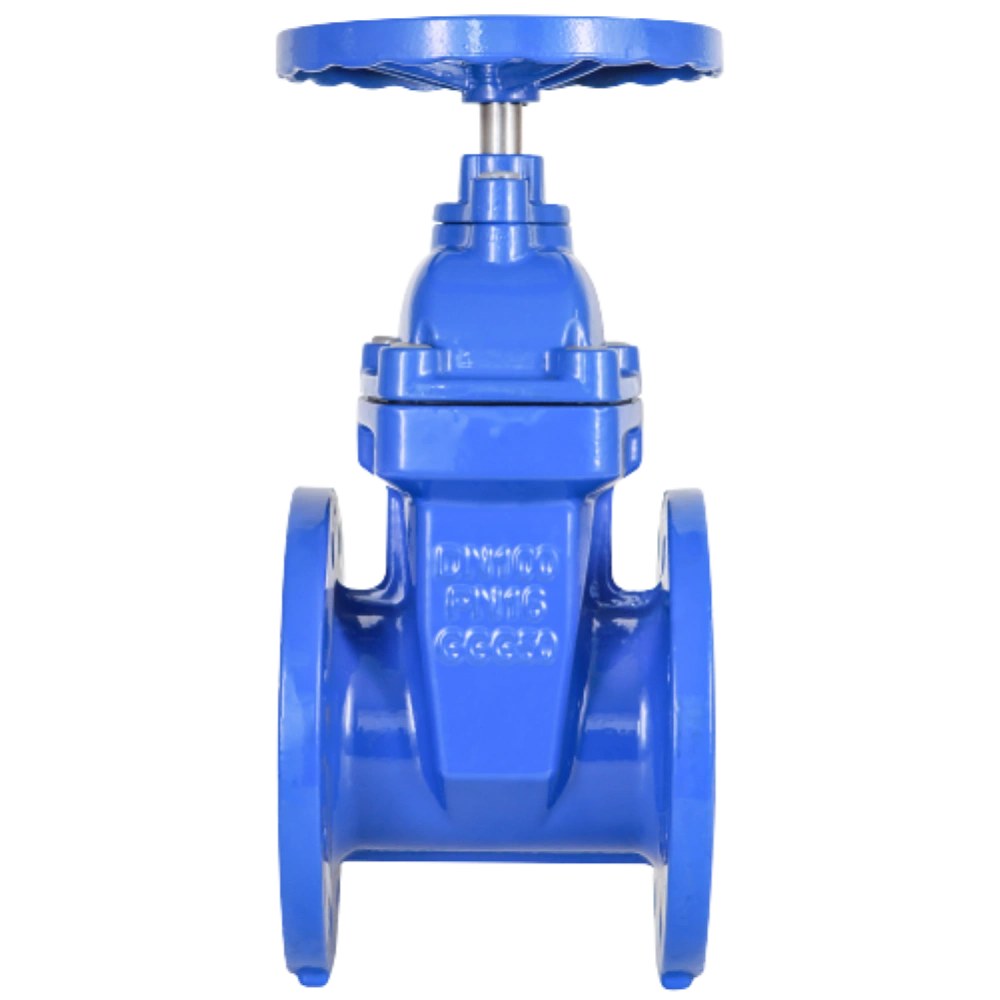
Butterfly valves are very lightweight and compact. As a result, installing them in the pipelines is relatively easier and less time-consuming. Additionally, this butterfly valve will fit even the pipes with slightly higher diameters. It means they won’t need an additional mounting system. As a result, you can use it to get throttling even in bigger pipelines. Remember, other valves, including globe valves, are heavier, and their installation is very tedious. This is another reason that the butterfly valve is an excellent option for throttling.

5- Inexpensive & Ease of Availability of Butterfly Valve
In my experience, valve throttling is never a safe option. Although many valves allow it, it can reduce their lifespan. But butterfly valves are inexpensive and readily available. You can buy a new butterfly valve and replace the old one quickly. On the other hand, globe or gate valves are expensive. If they get damaged, their replacements will cost a lot. This makes them less suitable for throttling operations.
Don’t Use Butterfly Valve Throttling Where Precise Pressure is Needed
As I said earlier, a butterfly valve is an excellent option for throttling. You can use pipes of any size, and they still offer excellent fluid control. However, there is one limitation of butterfly valves that must be considered. This valve is not suitable for applications requiring precise pressure control. Remember, you can partially open or close the disc by moving the handle.
But how much fluid will flow, or at what pressure, cannot be controlled. Generally, this throttling is a good option when a reduced-pressure fluid flow is needed. However, for precision, I don’t recommend using this butterfly valve for throttling. It does not precisely provide the required pressure for your use case.
Frequently Asked Questions
Is the throttling of the butterfly valve safer for the valve itself?
Yes. If you throttle butterfly valves only occasionally, it is considered safe. However, you should not do it regularly (for a longer time) as it can lead to damage to the valve.
Can Butterfly Valves Be Used for Throttling?
Yes, butterfly valve working mechanisms are straightforward. You can move the handle from 3 to 45 degrees to achieve a throttling effect. In this position, the disc will remain partially open, allowing restricted fluid flow.
Conclusion
The butterfly valve is of utmost value in fluid and gas transportation lines. Right? These valves help control the flow of fluid in different pipelines. Throttling the butterfly valve is possible. In fact, a butterfly valve is considered superior to many other types of throttling valves. In this article, I discussed why I favor throttling the butterfly valve. However, it should only be used in those applications that require small to medium pressure. This throttling is not suitable when pressure precision is a key requirement in the application.