
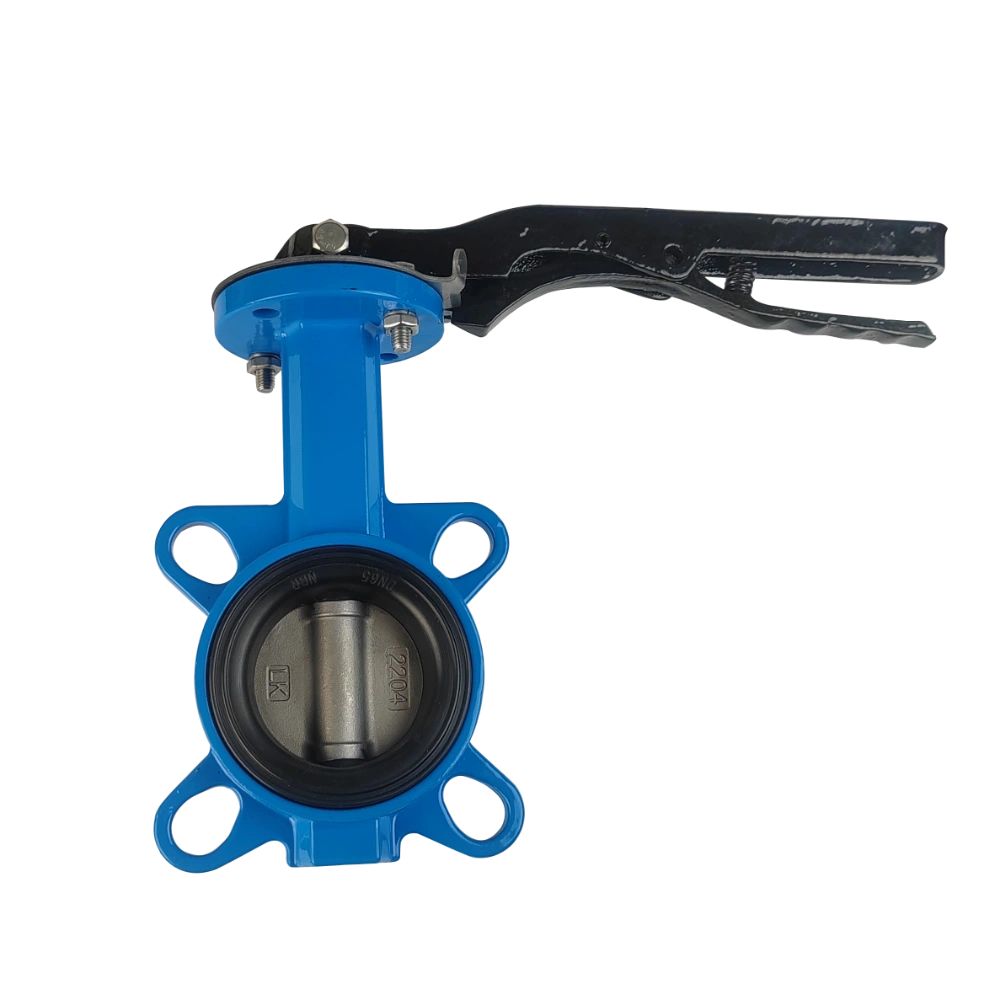
A centerline butterfly valve, also known as a concentric butterfly valve. It is a pipeline control component. Its key feature is that the stem axis, disc center, and body center are co-located. This critical feature ensures a symmetrical structure. Simply put, it resembles the wings of a rotating butterfly.
This coaxial design makes it simple and easy to manufacture. Operation is direct, responsive, and energy-efficient.
1. Butterfly Valve Components

It consists of four main components: the valve body, disc, stem, and seal.
*The valve body is the outer shell of the valve, typically made of ductile iron.
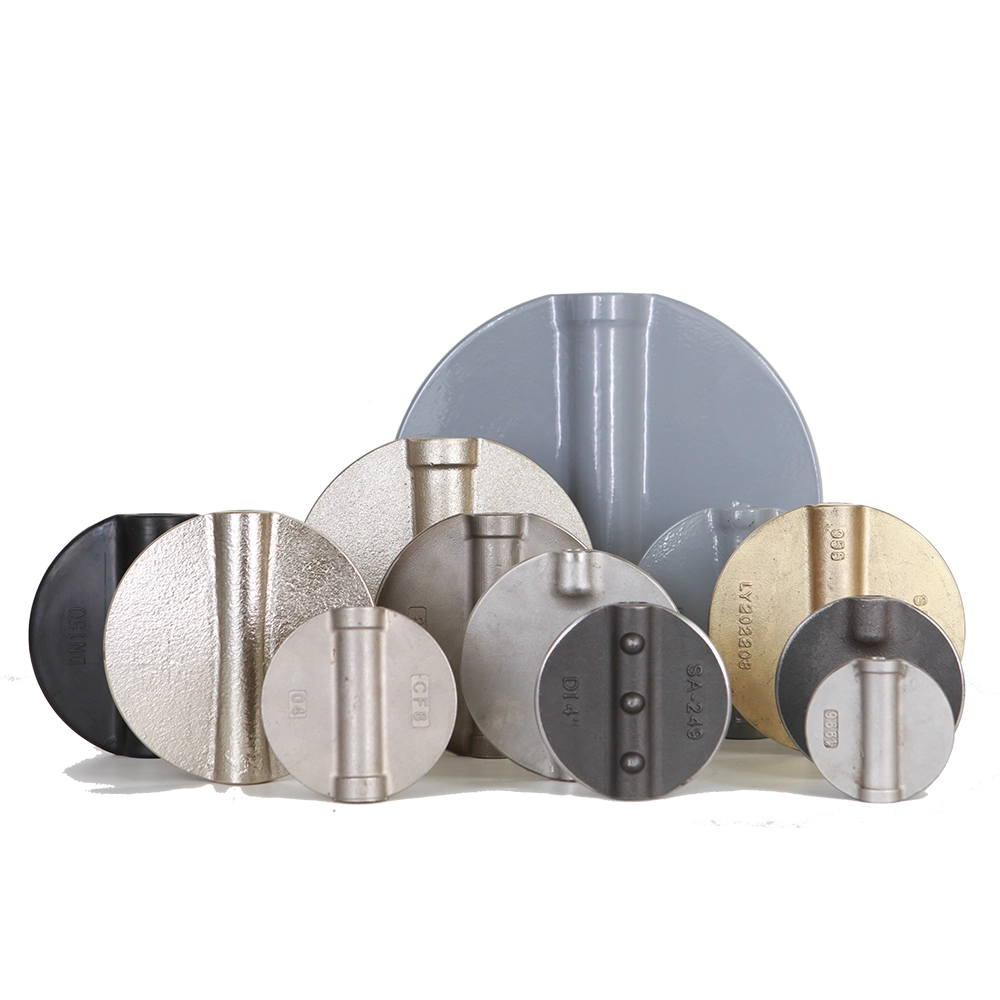
*The disc is the core component that controls the flow of fluid, typically made of coated ductile iron or stainless steel.
*The valve seat ensures zero leakage in the butterfly valve. It is made of an elastic material such as rubber or polytetrafluoroethylene. Different seals are suitable for different media: EPDM for tap water, NBR for oil, and PTFE for mild acids.
*The stem connects to the handle or actuator and transmits torque to the valve disc. *A drive mechanism is used to manually or automatically rotate the valve disc.
2. Working Principle
The working principle of a butterfly valve is very straightforward and simple.
When open, fluid flows smoothly. When closed, the valve disc rests firmly against the valve seat.
Rotating the valve stem rotates the disc 0-90 degrees. A 90-degree rotation fully opens the valve. 0 degrees closes the valve with the disc perpendicular to the flow direction. Adjusting the angle controls the flow rate. The valve provides a reliable seal. There are three common types: wafer-type (secured by two flanges), lug-type (for pipe ends), and flange-type (for high pressures).
3. Main Features
3.1 Advantages
*The centrally symmetrical design emphasizes balance to achieve uniform torque distribution, evenly distributing force on both sides of the disc, resulting in minimal wear and a long service life.
*The soft seal structure achieves zero leakage, making it suitable for low and medium pressure systems.
*The full-bore structure ensures smooth fluid flow, resulting in low flow resistance.
*Compact size and light weight require minimal installation space.
*Quick operation: fully open or close with a single 90-degree rotation.
* Highly cost-effective, particularly suitable for large-diameter piping systems.
3.2 Disadvantages
* Soft seals have poor heat resistance. Maximum heat resistance is 180°C. They can deform at high temperatures.
* Soft seals are not resistant to high pressures and are prone to leaking above PN 16.
* The valve disc and seat are often squeezed. Excessive scratching can shorten their lifespan compared to metal valves.
* The valve disc is always in the flow channel, causing some fluid turbulence and pressure loss. Therefore, they are not suitable for systems requiring precise control or laminar flow.
* Regular maintenance is required, including leak inspection, dirt removal, and stem lubrication.
4. Applications
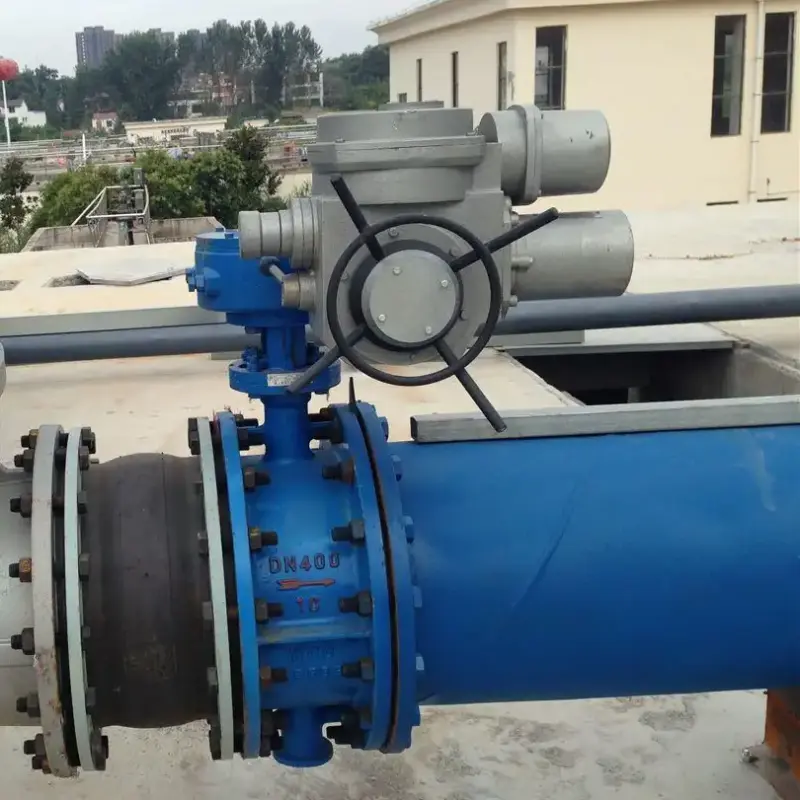
The concentric butterfly valves are widely used in low-pressure applications. They are common in water treatment. They are also used in municipal water supply and drainage, air control in HVAC systems, flow regulation in chemical pipelines, and sanitation in food and pharmaceutical applications. They are also used in marine and power plants. They can handle low-pressure gases, liquids, semi-fluids, and powders. Because they have no dead space, they are easy to clean.
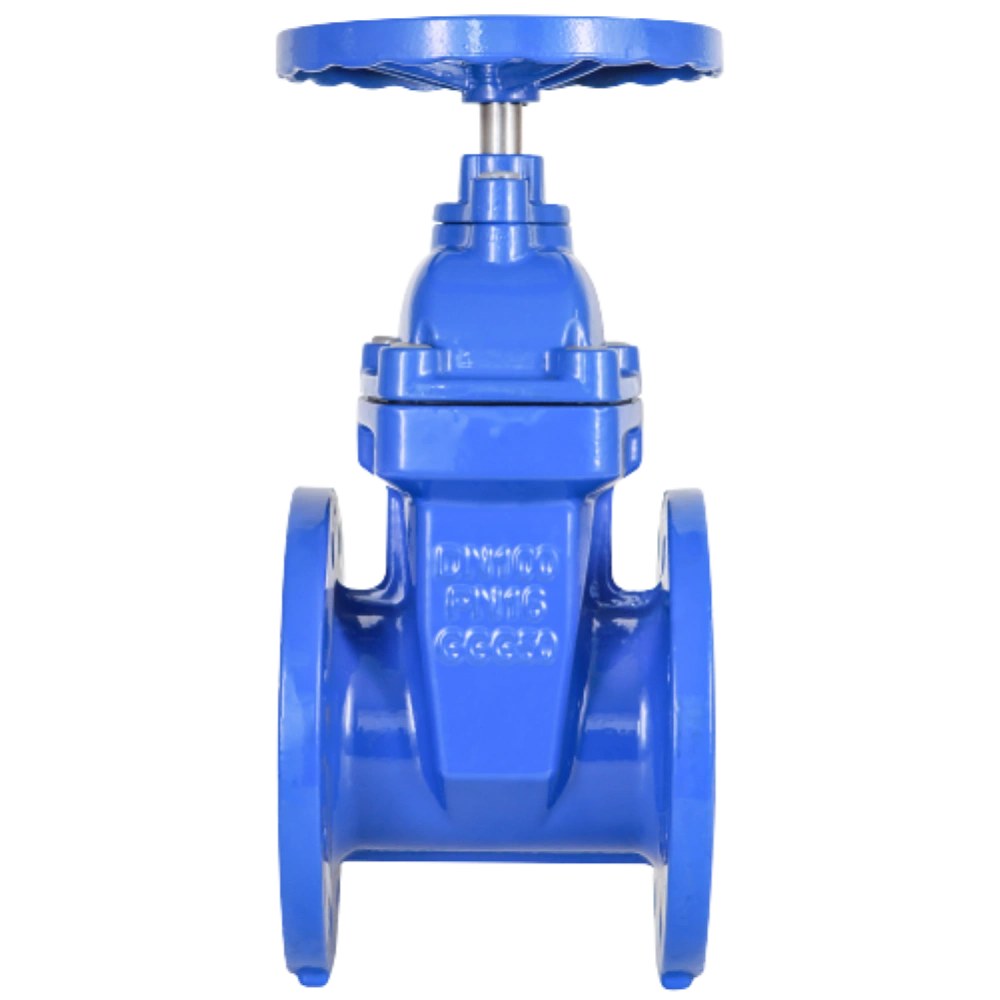
For example, in municipal water supply, DN800 valves have replaced gate valves, saving 20% of space.
5. Contradictions of Centerline Butterfly Valves
5.1 Structural Contradictions.
The coaxial design of centerline butterfly valve results in lower torque, but this also creates permanent friction between the disc and the seal. However, using harder materials can indeed improve friction and increase lifespan, but this also increases torque, negating its “low-cost advantage.” This is why it fails to balance durability and cost.
5.2 Hidden Rules of Maintenance.
A Mexican customer previously sought assistance with a centerline soft-seat butterfly valve. All materials tested and qualified, but it was leaking. Our team investigated and determined the cause was the often-overlooked lubricant.
Some manufacturers often over-lubricate to smooth installation and save time. However, during use, the friction between the disc and seat exceeds the friction between the seat and body, causing the seat to misalign, potentially leading to leakage. Furthermore, excess lubricant can mix with dirt and accelerate the aging of the seal.
5.3 The Hidden Trade-Offs Behind Material Selection.
PTFE, the king of plastics, is corrosion-resistant, but its hardness increases wear and tear, making it prone to leaks if scratched. While food-grade EPDM is safe, it’s more expensive than regular rubber.
So, material selection requires balancing performance and budget, not simply following guidelines.
6. Conclusion
In short, the concentric butterfly valve is a cost-effective option for low-pressure systems. Its value lies not only in its simple structure but also in how users balance its shortcomings with practical needs through intelligent maintenance and material selection. Engineering efficiency doesn’t equate to “absolute perfection,” but rather “the best choice for the application.”