
Butterfly valves have a special place in industries where fluid flow control is critical. This valve has different types based on their working mechanism and design. Among those, pneumatic actuator butterfly valves are very popular. The working of these butterfly valves is unique, as they use a pneumatic actuator rather than a manual one. This article is a complete guide to pneumatic butterfly valves, explaining why they are so popular. After reading this, you won’t have any unanswered questions about these butterfly valves. So, let’s begin!
What Are Pneumatic Butterfly Valves?
Pneumatic actuator butterfly valves are actually a type of standard butterfly valve. However, the difference lies in the actuator type of this pneumatic butterfly valve.
The pneumatic butterfly valve comes with a pneumatic actuator for compressed-air operation. Compressed air enters the chamber of this actuator, which then rotates the disc of these valves. In simple terms, these valves use advanced actuators that operate with compressed air rather than by hand.
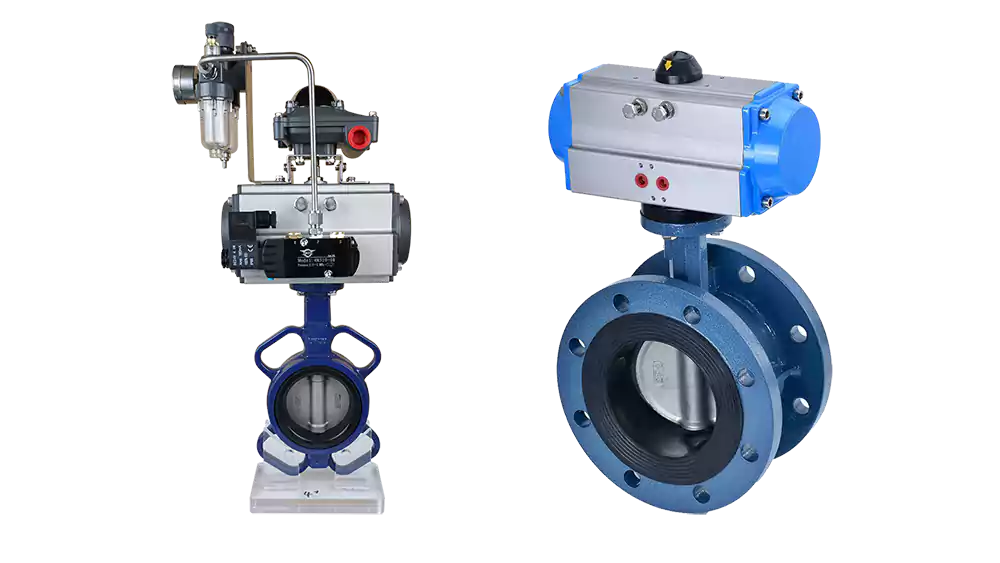
They offer the same functionality as regular butterfly valves. They regulate the flow of fluid (water or anything else) by starting, stopping, and controlling it. These valves are generally used in the pipelines; their discs are responsible for flow regulation. The disc in these pneumatic valves moves to stop or allow the fluid flow.
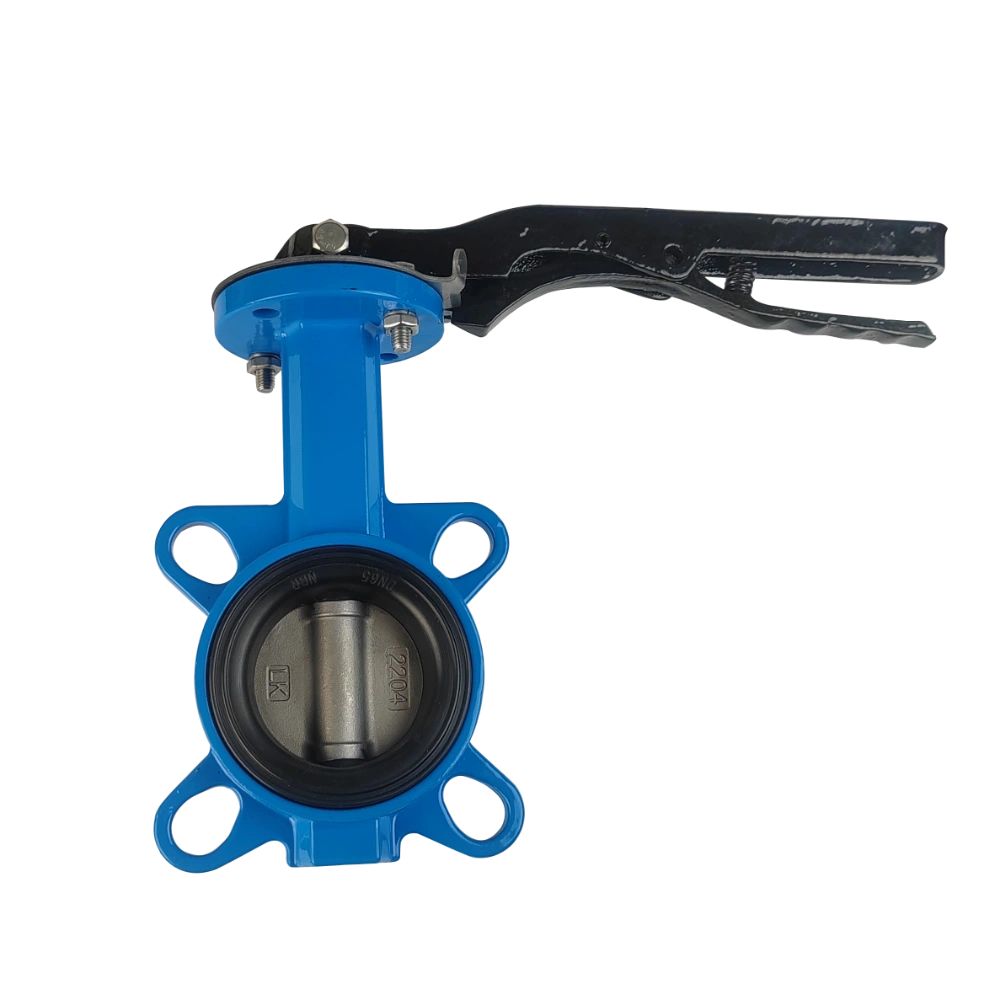
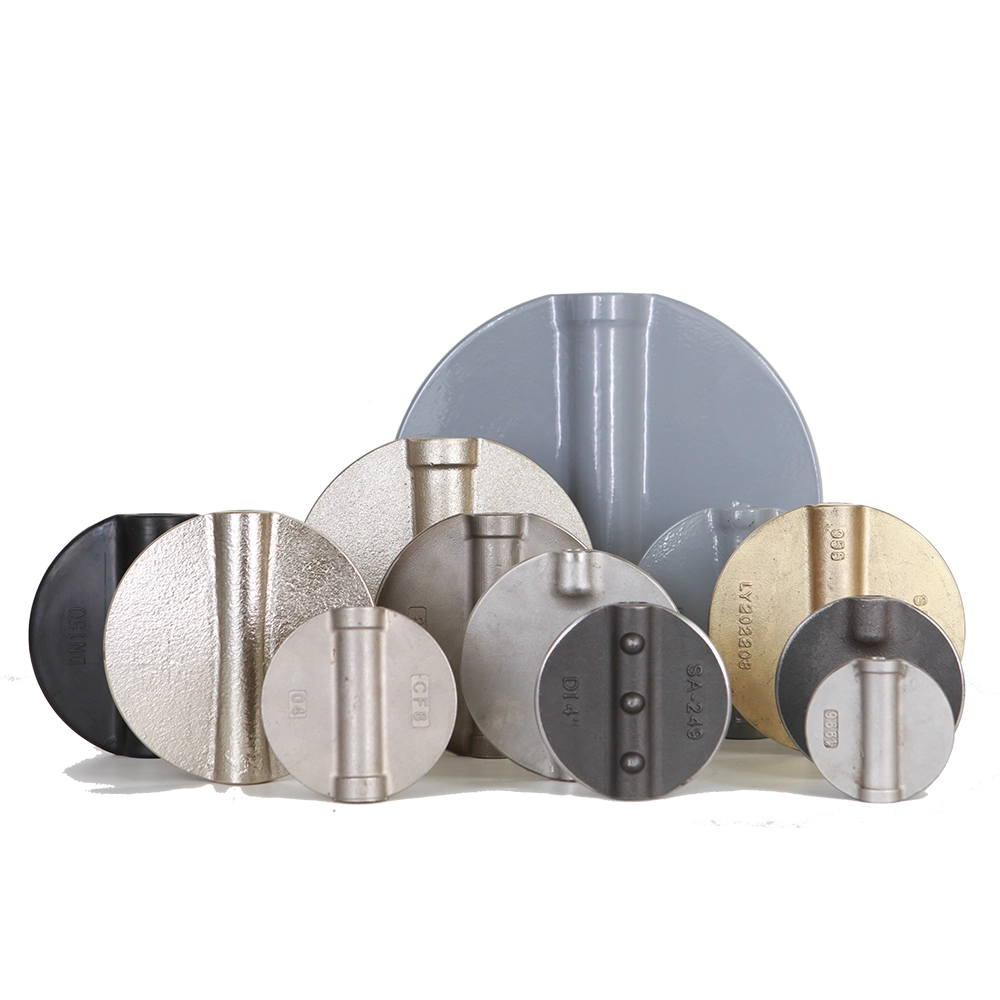
Remember, Pneumatic butterfly valves consist of the same components as you see in standard butterfly valves. Those include the stem, body, actuator, disc, and so on. They are available in various materials. Those include stainless steel, aluminum, cast iron, and more. You will also see some internal components of these valves made of rubber.
Working principle
The working of the pneumatic actuator butterfly valve is very straightforward. It works by using compressed air to move the stem, which then moves the disc. The movement of the disc regulates fluid flow in pipelines. Confused?
Let me explain the working of these valves thoroughly. First, the compressed air from the compressor enters the actuator’s chamber. Remember, this air enters the chamber through a small inlet. This compressed air inside the chamber creates pressure or mechanical force. This force is then transferred to the next component, which is the stem.
Interestingly, this stem is the part that directly connects to the disc of the pneumatic butterfly valve. When the stem moves (by mechanical force), it moves the butterfly disc. When the disc moves, it stops or starts the flow of fluid. Now, the disc’s movement decides whether the fluid will pass (flow) or stop.
If the disc is in a position parallel to the direction of fluid flow, it would allow fluid to pass. If the disc is not parallel and is perpendicular, it would stop the flow of fluid. A pneumatic butterfly valve is one whose actuator is controlled by compressed air rather than by hand (manually). In a regular butterfly valve, you have to move the actuating handles precisely to move the disc and control fluid flow.
Single-Acting VS Double-Acting Actuator in Pneumatic Butterfly Valves
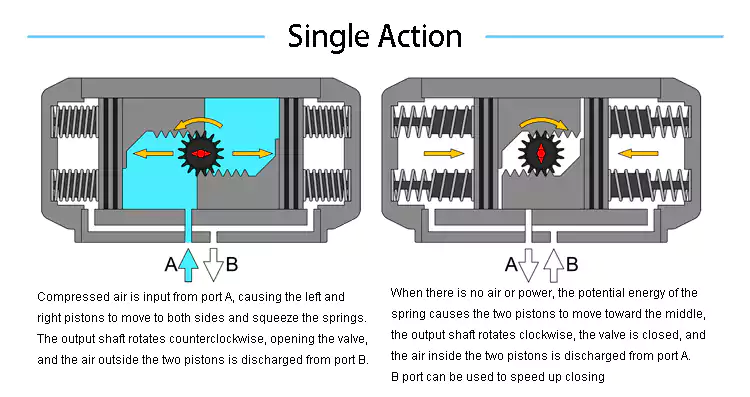
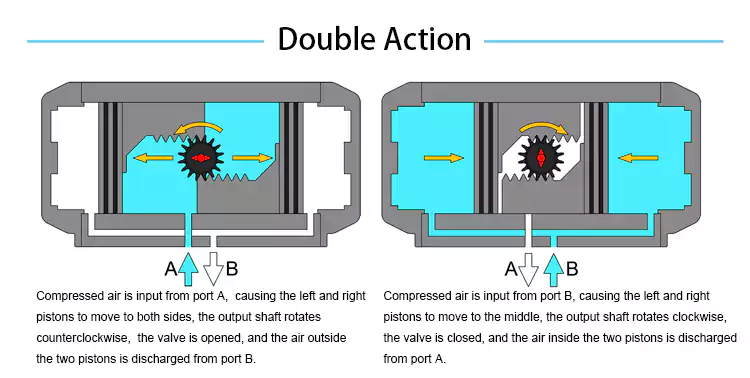
You’ll see a pneumatic actuator butterfly valve with two types of actuators. Those include single-acting and double-acting actuators. These types of actuator work differently, despite using the same compressed air to move the stem and then the disc. In a single-acting actuator, the compressed air pushes the disc in one direction. However, these actuators do not move the disc back using compressed air.
Instead, a dedicated spring (built-in automatic system) moves the disc back. In simple words, the single-acting actuator uses compressed air to move in one direction. On the other hand, double-acting is different. It uses compressed air to move the disc forward and to move it back. Simply put, compressed air provides bidirectional movement for these pneumatic butterfly valves.
Types of Pneumatic Butterfly Valves
There are different types of pneumatic butterfly valves. The working mechanism of all of these valves is almost the same. How? All of these butterfly valves come with a pneumatic actuator that moves the stem using compressed air. However, the shapes and overall performance (durability) of these valves differ. Here is the list of those types:
- Lug Pneumatic Butterfly Valve
- Wafer Pneumatic Butterfly Valve
- Triple Offset Pneumatic Butterfly Valve
- Double Offset Pneumatic Butterfly Valve
- Flanged design Pneumatic Butterfly Valve
Interestingly, each of these pneumatic butterfly valves offers unique value and properties. For example, wafer valves are compact and ideal for use in tight spaces. On the other hand, double- and triple-offset valves are more durable. I recommend using triple-offset valves for heavy-duty applications. You should analyze the properties of each of these butterfly valves before choosing any.
Advantages of Pneumatic Butterfly Valves
The trend of pneumatic actuator butterfly valves is becoming more prevalent. Why? The reason is that these valves offer exceptional performance and multiple advantages.
- Fast Speed: These butterfly valves operate at very high speeds. Unlike manual valves, these pneumatic butterflies use compressed air to move components. So, these valves can quickly start or stop fluid flow effectively.
- Low Maintenance: These valves have a simple design with fewer components. This ensures these valves operate properly, reducing the need for maintenance. Additionally, the installation and overall use of these pneumatic valves is easier.
- Space-Saving Design: The pneumatic butterfly valves are compact and can be installed even in tight spaces. This feature makes them a superior option compared to many other, bulkier butterfly valves. Their compact size does not mean compromise in their performance.
- Durability and Longevity: Pneumatic butterfly valves are made from strong materials. Examples of such materials include stainless steel and cast iron. This makes these valves perform excellently for extended periods. You won’t see any rusting or corrosion issues on these pneumatic butterfly valves.
- Ideal for Automation: These valves come with pneumatic actuators that operate on compressed air. However, you can integrate automated systems that inject compressed air into this actuator’s chamber. This will automate the operation of these pneumatic butterfly valves.
- Cost-Effective Solution: Valves are generally costly and require regular maintenance. Right? However, the pneumatic butterfly valve has a lower initial cost and very low maintenance costs. This makes them very cost-effective, especially for large projects.
Applications or Use Cases of Pneumatic Butterfly Valves
They are employed across a wide range of industries. However, I consider these valves an ideal option for tight spaces. Their user-friendly design and easy installation make these valves stand out for a wide range of applications. Here is the table showing the applications:
| Industry | Applications of Pneumatic Butterfly Valves |
|---|---|
| Water Treatment | Intake pipe to filters |
| Oil & Gas | Main pipeline isolation points |
| Chemical Plants | Reactor inlet/outlet lines |
| HVAC | Air handling unit dampers |
| Food Processing | Mixing tank inlet/outlet |
| Power Plants | Cooling water supply headers |
| Fire Systems | Sprinkler main supply lines |
Conclusion
Undoubtedly, the pneumatic actuator butterfly valve has its special place in different industries. What sets these valves apart is their reliable fluid control despite their compact size. These valves are unique because of their actuator mechanism. Unlike regular valves, the actuator of these pneumatic valves works using compressed air. In this article, I’ve discussed everything related to these valves. Should you consider them for your custom use case? Yes, I recommend these pneumatic butterfly valves, especially if you want to install them in tight spaces.