
Different valves are used to regulate fluid flow in various systems. These valves differ in terms of their operation and cost. Among these, butterfly valves are very popular due to their effectiveness. The butterfly valve price analysis is crucial, especially if you’re about to decide on this valve.
Interestingly, the functionality of butterfly valves goes beyond just starting and stopping. They can help regulate the fluid flow across different systems. Their use is common in water, oil, and gas transportation lines. In this article, I will discuss the prices of butterfly valves and outline the key factors that affect their cost. So, let’s get started.
Basic Rundown of Butterfly Valves
Before discussing prices, let’s first have a basic overview of butterfly valves.
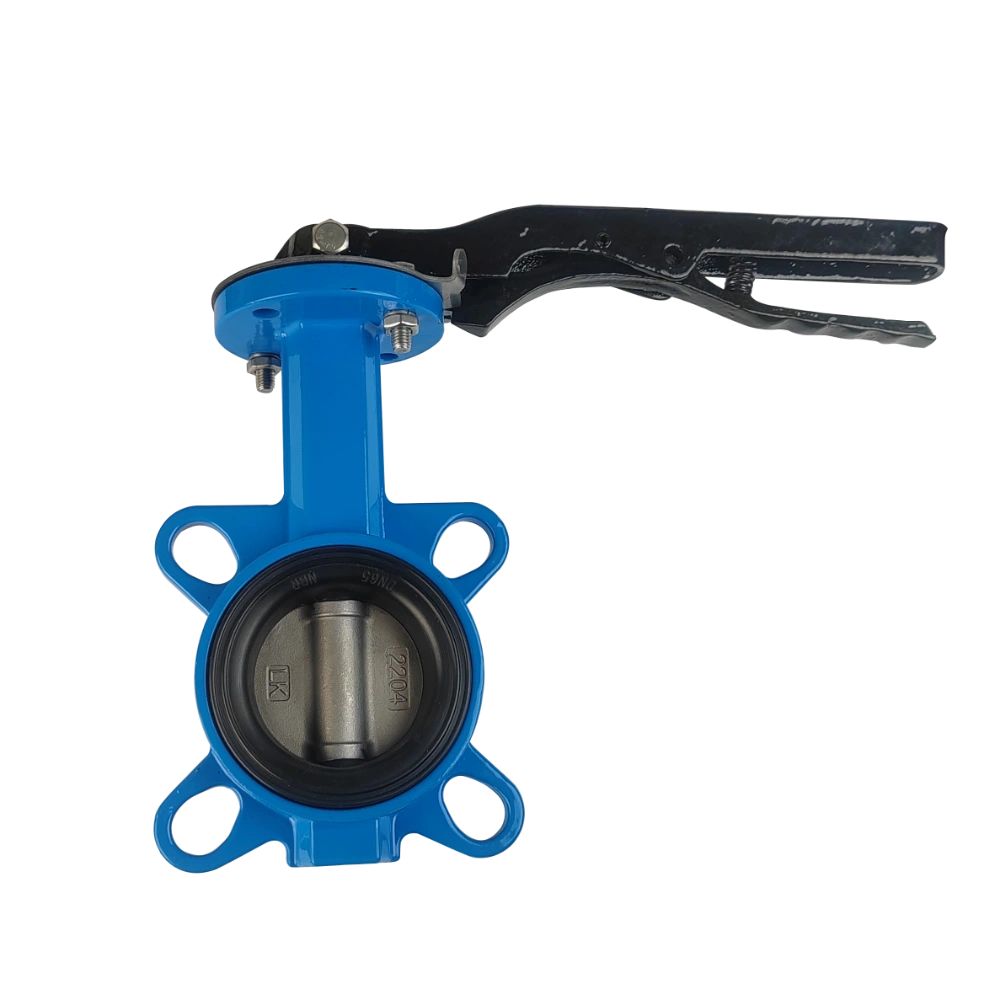
Butterfly valves, also known as quarter-turn valves, help regulate the flow of fluids or gases in various systems. This valve, consisting of a disc, regulates flow. This disc, when moved using an actuator at a 90-degree angle, stops or blocks fluid flow. This valve also helps increase or decrease fluid flow by keeping the disc at an angle below 90 degrees.
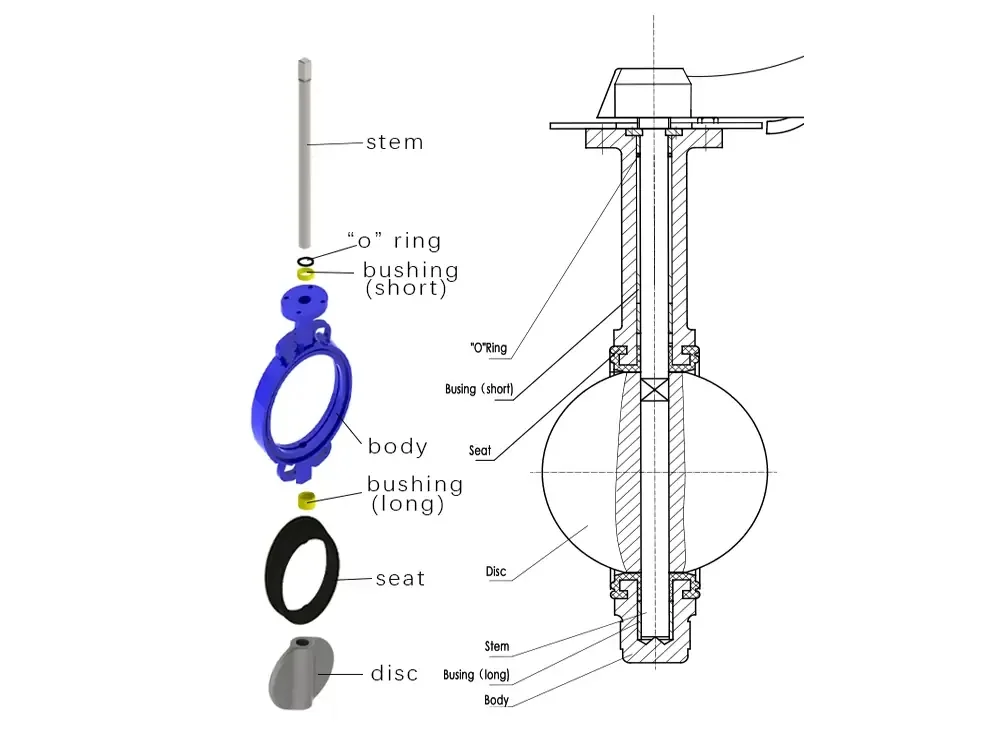
Butterfly valves may sound like a simple device that controls the flow of different pipelines. However, they have different parts that work together to ensure the smooth operation of this valve. These parts include:
- Disc
- Body
- Seat
- Seal
- Actuators
- Shaft or stem
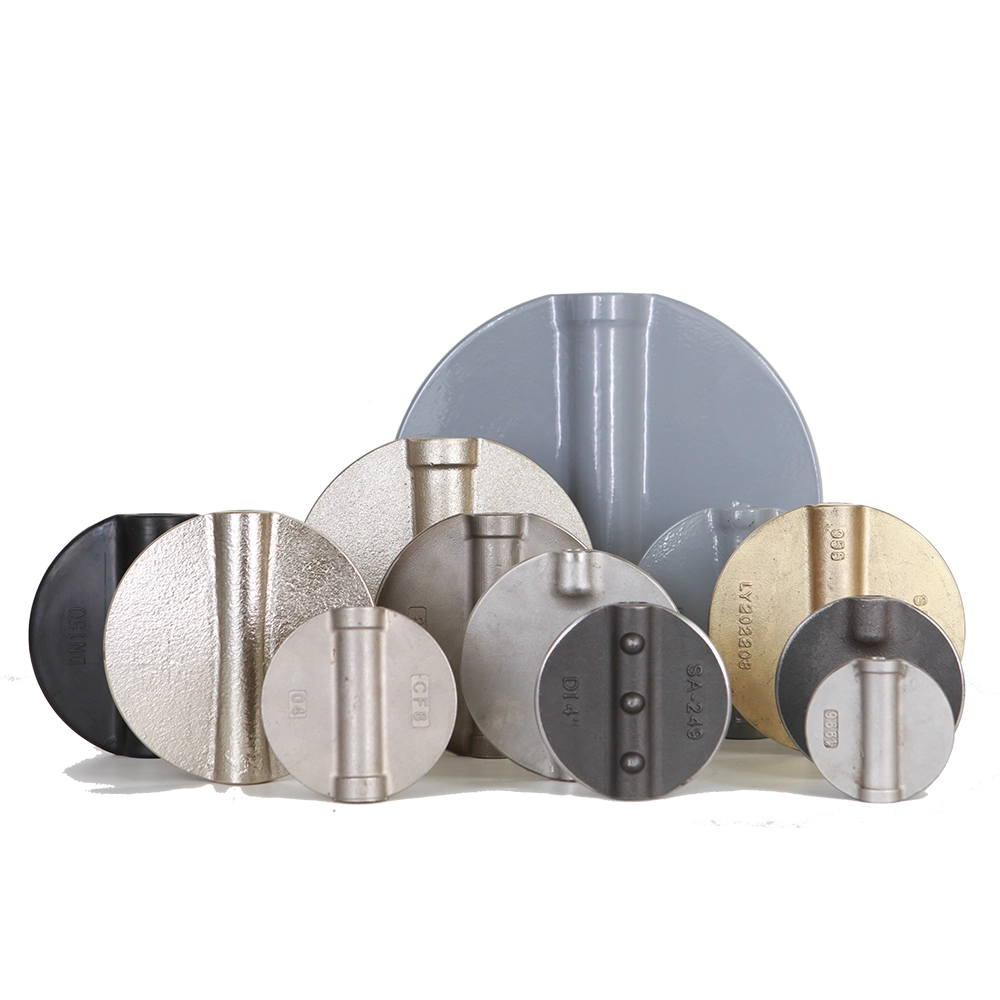
The body is the primary part that holds all the other components. In fact, this is helpful when installing the butterfly valve in the pipelines. The disc or plate is the part that is directly responsible for regulating the fluid. The shaft or stem is the part that connects the disc to the actuator. When you move the actuator, the force transfers to the disc through the stem. The seal is a rubber seal on the seat, providing a tight seal to prevent leakage when the butterfly valve is closed.
In operation, you move the actuator, which in turn moves the butterfly valve disc. This disc moves in a perpendicular (90-degree) direction as the actuator moves. As a result, it completely stops the flow of the fluid. When you move the actuator backward, the disc moves backward and becomes parallel with the fluid flow.
When the disc is in a parallel position, it allows fluid or gas to flow. You can increase or reduce the flow by keeping the disc at an angle below 90 degrees. Remember, when the disc is at 90 degrees, it blocks the fluid. The seal on the seat fully seals the passage, eliminating the risk of leakage. As a result, no gas or liquid can pass through the valve.
Cost Analysis: How Much Do Butterfly Valves Cost?
The cost of a butterfly valve can differ depending on its type and quality. Basic valves are affordable and can cost around $20 to $200. However, these valves are suitable for low-pressure applications, such as HVAC systems. On the flip side, industrial valves are expensive, priced between $300 and several thousand dollars.
Remember, basic valves are generally made with less durable materials. These include cast iron or ductile iron, etc. These materials are easily available and less costly. So the butterfly valves made of such materials are inexpensive. However, these materials are weaker, making the valves suitable only for low-pressure applications.
In contrast, industrial-scale butterfly valves are made with premium materials. The examples include stainless steel, duplex steel, and other alloys. The cost of these heavy-duty materials is also very high. So butterfly valves made of them are also pricey. Remember, such butterfly valves are robust and can withstand harsh pressure with ease.
Apart from materials, valve size also affects cost. You’ll always notice that bigger butterfly valves are generally more costly than smaller ones. Why? That’s because they use more materials in their making. Apart from size and materials, there are different types of butterfly valves. These types include:
- Triple-offset valves
- Double-offset valves
- Flanged butterfly valves
- Lug-type butterfly valves
- Wafer-type butterfly valves
- Concentric (or zero-offset) valve
The prices of these valves also differ. For instance, the concentric butterfly valves are simple and are very inexpensive. On the other hand, double- or even triple-offset valves are more precise but more expensive. In short, butterfly valve prices vary by type, materials, sizes, and so on.

Prices of Different Butterfly Valves
There is a wide range of butterfly valves. Each of them varies in performance, complexity, and precision. Some are cheaper, easy to manufacture, and widely available in the market. These butterfly valves are generally suitable for low-pressure applications. In contrast, some butterfly valves are designed specifically for high-pressure applications.
Here is the table showing the cost analysis of different types of butterfly valves:
| Type of Butterfly Valve | Typical Cost Range |
|---|---|
| Concentric (Zero-Offset) | $20 – $200 |
| Wafer-Type | $30 – $150 |
| Lug-Type | $50 – $400 |
| Flanged Butterfly Valve | $60 – $500 |
| Double-Offset (High Performance) | $200 – $1,200 |
| Triple-Offset (Metal Seated / Heavy Duty) | $500 – $5,000+ |
Prices of Butterfly Valves With Respect to Applications
Remember, the butterfly valves are used in different industries and applications. Some of these applications do not require valves to be extremely rugged. So these valves are inexpensive and less strong. On the other hand, there are some applications where valves must be very rugged and robust. Such valves are made with heavy-duty materials and stronger coatings.
Here is a table showing the prices of butterfly valves used in different industries:
| Industry or Application | Valve Type Used | Estimated Cost |
|---|---|---|
| HVAC Systems | Concentric or Wafer Type | $20 – $150 |
| Water Supply & Wastewater | Wafer or Lug Type | $50 – $300 |
| Food & Beverage Processing | Stainless Steel Butterfly Valve | $150 – $800 |
| Chemical Processing | Double-Offset Butterfly Valve | $300 – $1,500 |
| Oil & Gas Industry | Generally Double Offset | $500 – $2,500 |
| Power Plants | Triple-Offset Butterfly Valve | $800 – $5,000+ |
Different Factors That Affect Butterfly Valve Prices
Remember, the cost of butterfly valves is never fixed. It changes with respect to different factors. This means you can somehow control the cost of these valves if you grasp the factors that influence it. For example, you can choose cast iron if you have a tight budget. Similarly, several other factors must be considered when choosing a butterfly valve.
1- Material of Body and Disc
As you know, the body and disc are fundamental parts of butterfly valves. Different materials are used to make these parts. These include bronze, brass, cast iron, stainless steel, duplex steel, ductile iron, and the list goes on.
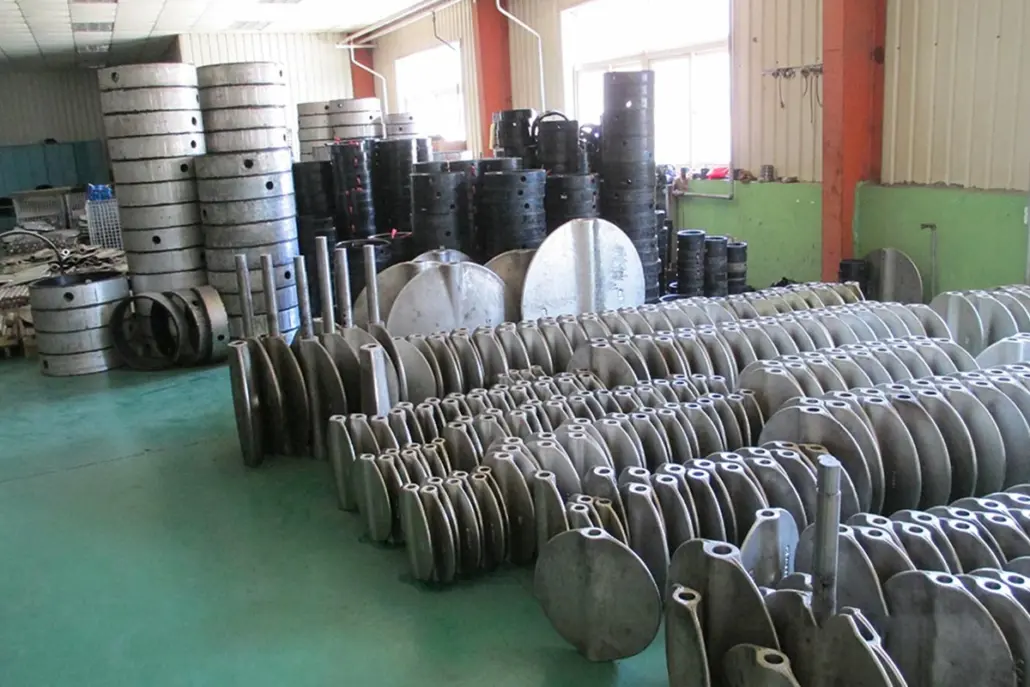
Butterfly valves made of cast or ductile iron are cheaper but have a lower pressure rating. A body made of such materials can be prone to corrosion and can deteriorate quickly. Conversely, stainless steel valves offer higher pressure ratings. Above all, these valves perform better in corrosive environments, ensuring excellent durability.
2- Size of the Valve
Size is one of the most influential factors in the cost of butterfly valves. The larger valves are always more expensive, and this is true for all the butterfly valve types. Why? The reason is that manufacturing bigger valves requires more materials. So, more material means you’ll have to spend more on the raw materials. Imagine if you’re using stainless steel to make larger butterfly valves. The cost of this valve will be even higher due to the higher stainless steel cost. On the contrary, smaller butterfly valves are inexpensive.
3- Valve Type & Design
Valves with simple designs are easier for manufacturers to produce, and vice versa. For example, Concentric butterfly valves are very affordable because of their simple design. They have discs located in the center that help regulate the flow. On the other hand, Double-offset valves are more expensive because of their complex design.
They have off-center discs, which are beneficial for performance, but make these valves more expensive. Similarly, Triple-offset valves are even more pricey than Double-offset valves. Lug-and-flanged valves are more expensive than wafer valves. Why? This is because they require more materials during manufacturing.
4- Pressure Rating & Strength
The use of strong materials enables the butterfly valve to withstand higher pressure. For example, the valves made of stainless steel or even aluminum have higher pressure ratings. However, these materials are expensive, which is a drawback. So the butterfly valves with a higher pressure rating are more costly. On the flip side, valves with lower pressure-handling capacity are cheaper. That’s because they can be made with affordable raw materials. This is true for strength as well – stronger valves will be more costly than the weaker ones.
5- Temperature & Corrosion Resistance
Some butterfly valves are designed for use in mild conditions. They don’t have any specific capabilities for high-temperature use. Such valves are cheaper as they are not made with stronger materials. Heat-resistant butterfly valves are more costly and robust. They are made for processing plants, oil refineries, and other industrial categories.
Similarly, the butterfly valves that are to be corrosion-resistant must be made of a stronger material. These valves also have additional coatings. The purpose of these coatings is to protect the valve in a corrosive environment. As a result, the butterfly valves perform better even when consistently exposed to moisture. However, there is a coating cost, which increases the overall price of butterfly valves.
6- Actuation Method (Manual, Electric, Pneumatic)
As previously mentioned, actuators are the devices that move the disc. However, butterfly valves come with different types of actuators. These include:
- Manual Actuator
- Electric Actuator
- Pneumatic Actuator
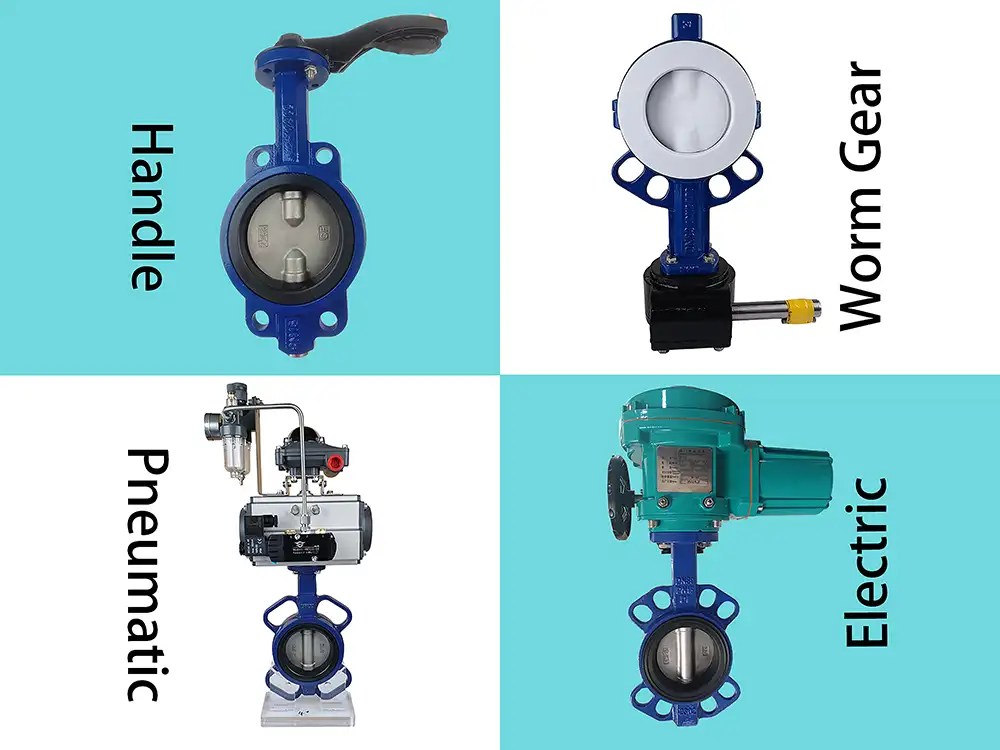
The butterfly valves with manual actuators are the least expensive. However, you’ll have to manually (with your hand) move the actuator or lever to regulate the flow. On the other hand, pneumatic and electric actuators are more advanced. The pneumatic actuator uses compressed air for its movements. Conversely, electric actuators are the most advanced, using electric motors for their motion. Butterfly valves with electric actuators are efficient, but they are the most expensive among all types.
Conclusion
In conclusion, butterfly valves are widely used worldwide. They help safely transport fluids and gases and provide better control and regulation. However, when it comes to the cost of these valves, many seem to be confused. Why? That’s because butterfly valves vary significantly from one type to another.
Even two valves of the same type can have different pricing due to differences in their size and materials. On average, you should consider $20 to $200 for a valve that is suitable for mild applications. Their cost can reach several thousand dollars for heavy-duty valves best suited for the harshest conditions. In this article, I have discussed butterfly valve prices and the key factors that affect them.