
Clean water is a basic need for homes, industries, agriculture, and many other uses. However, water from natural sources such as rivers and lakes contains impurities. Hence, to make it safe for drinking and other uses, water goes through a treatment process. In water treatment systems, several pieces of equipment clean and manage water. Among those, water treatment valves are of utmost importance.
These valves primarily control water flow. At the same time, they help direct it through different treatment stages. Without water treatment valves, the system would not work efficiently. But that’s not all. To help you understand these valves, this guide discusses their workings, functions, uses, and types. So let’s get started.
What Are Water Treatment Valves?
Water treatment valves are devices that control the flow of water in a water treatment system. They open, close, or adjust to allow water to pass through pipes. These valves help ensure that water flows in the right direction and at the right speed.
In simple words, a water treatment valve acts like a gate for water. As you know, the water treatment process involves filtration, softening, and purification. Valves help guide water to the correct treatment unit. Not only this, but the water treatment valve also controls the water speed at different stages.
For example, a valve correctly sends water to a filtration tank. After that, it directs water to another tank for further purification and so on. If there is no such valve, the water will move randomly and not purify properly. This way, these specialized valves ensure that water flows in the right direction and at the right speed throughout the process.

How Do Water Treatment Valves Work?
The working principle of the water treatment valves is very straightforward. They work by controlling the movement of water inside pipes and treatment equipment. Actually, these valves have movable parts that can be a ball, disk, gate, or plug. This part blocks or allows fluid flow.
When you open the valves, the disc moves away from the passage, allowing water to flow through the pipe. However, when the valve is closed, the internal disc blocks the passage and stops the water flow. Besides, the water treatment valves regulate water flow and adjust water speed. For example, when you partially open the valve, the disc also moves partially.
This partial opening determines the flow rate and how fast the water will move. There are now also some automatic or controlled water treatment valves. These valves work with sensors and controllers that monitor pressure, flow rate, or water quality. When the system detects a change, the valve automatically opens or closes to adjust the water flow.
Functions of Water Treatment Valves
Now you have a basic understanding of water treatment valves and how they actually work. Right? Know that these valves perform several functions to help a water treatment system run smoothly and safely. So let’s discuss the main function of water treatment valves below.
1- Flow Regulation
The main function of water treatment valves is flow regulation. It means these valves control how much water will pass through the pipe. As I said above, in the water treatment process, water passes through different stages and tanks. In each stage and tank, the water speed varies. So these are the water treatment valves that adjust the flow rate by opening or closing to different levels.
2- Isolation
Another function of water treatment plants is isolation. Isolation means shutting off a specific part of the water treatment system. During maintenance, cleaning, and repairs of water treatment plants, some parts must be shut down. Instead of stopping the entire system, operators close the specific valves to isolate a particular section.
3- Flow Direction Control
Water treatment systems often include several stages of treatment. Right? At every stage, water must move through them in the correct order. So, the function of a water treatment valve is to control the direction of water flow. The valve ensures that water reaches the right equipment at the right time. Some water treatment valves also allow water to flow in only one direction. This helps prevent backflow and water mixing.
4- Backwash Control
Backwashing is the cleaning process in many water filtration systems. In this process, water flows in the reverse direction through the filter. As a result, it removes dirt, sand, and other particles that have collected inside, making purification safe for next use.
Water treatment valves control this process. How? Actually, these valves redirect the water flow during the cleaning cycle. They open and close in a specific sequence to allow reverse flow through the filter. After the cleaning is finished, the valves return the system to normal water flow.
5- Pressure Control
The right water pressure is key during the water treatment process. Too high a pressure can damage pipes, filters, and other machinery. However, too low a pressure reduces system performance. Thus, valve manufacturers design water treatment valves to control and balance this pressure. Even some valves automatically release excess pressure if it becomes too high.
Types of Water Treatment Valves
Water treatment systems use different kinds of water treatment valves. Those valves have their own designs and functions that help maintain smooth, safe system operation. So let’s discuss the main types of water treatment valves, their functions, and specifications.
1- Ball Valves
Ball valves are the most commonly and widely used valves in the water treatment process. These valves have round balls with a hole in the center. When the valve handle is turned, the ball rotates. If the hole in the ball lines up with the pipe, water can pass through easily. However, when turned off, the ball moves sideways, and the hole no longer matches the pipe. As a result, the water flow stops.

Because of this simple design, ball valves can quickly open or close the water flow. You just have to turn the handle about 90 degrees. This slight movement is enough to open or close the valve fully. Also, you can partially open the ball valve to control the water flow and speed through pipes. Ball valves are primarily used in filtration units and industrial water treatment plants.
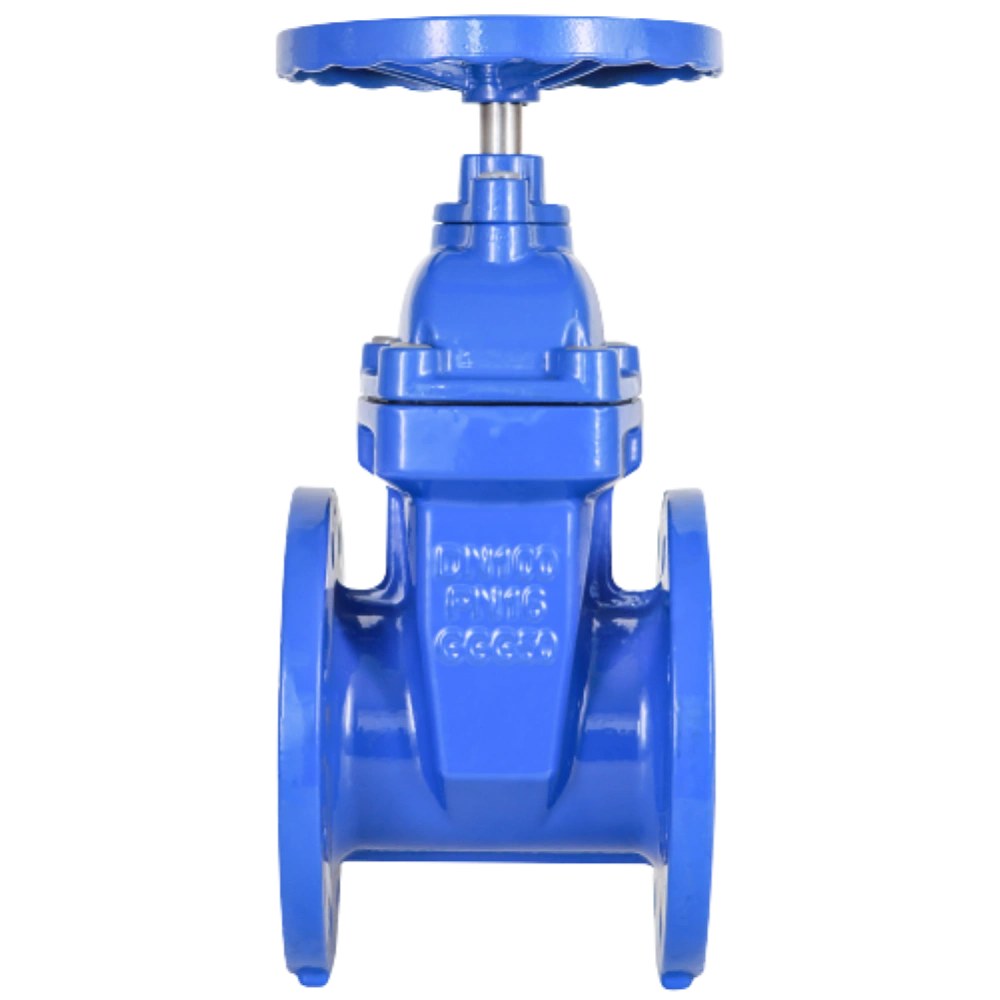
2- Gate Valves
Another valve type found in water treatment plants is the gate valve. These valves control water flow using a flat or wedge-shaped gate. This gate moves up and down inside the valve body. When you turn on the valve, the gate lifts, allowing water to flow freely through the pipe. However, when the valve is turned off, the gate sits against the seat and completely blocks the water flow.
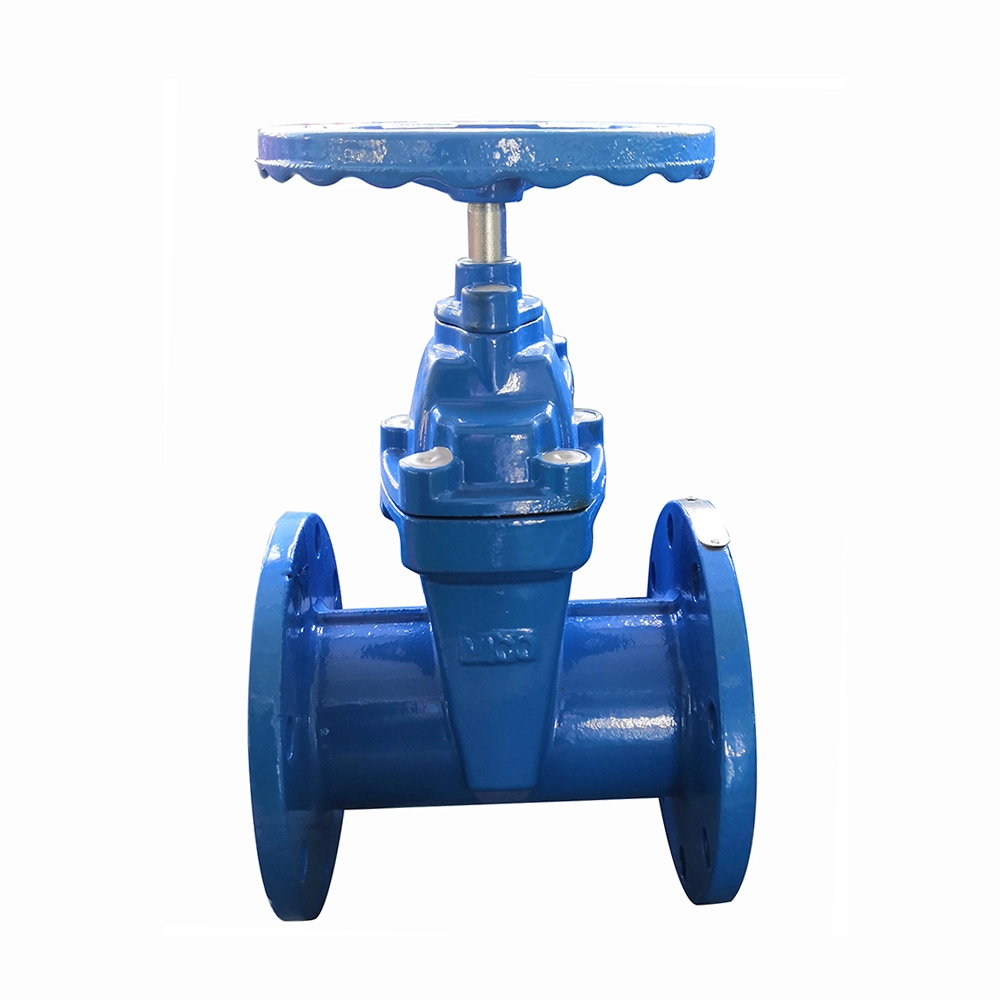
But remember, the gate valves are not meant to regulate water flow. They just fully open or fully close to allow or completely block the water. There is no partial-opening system on these valves. However, the gate valves are still used for their reliability. They provide a tight seal and prevent water leakage. In water treatment plants, the gate valves are mainly used in pipelines, municipal plants, and industrial water systems.
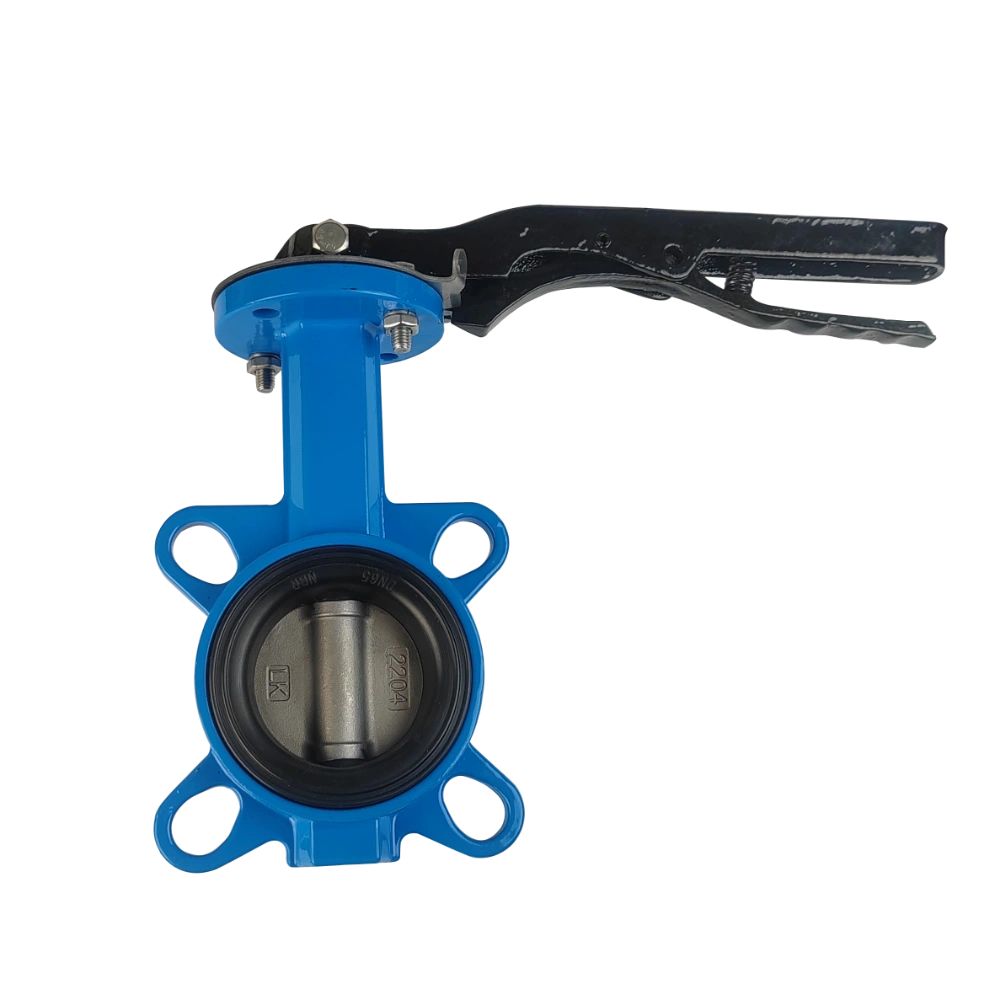
3- Butterfly Valves
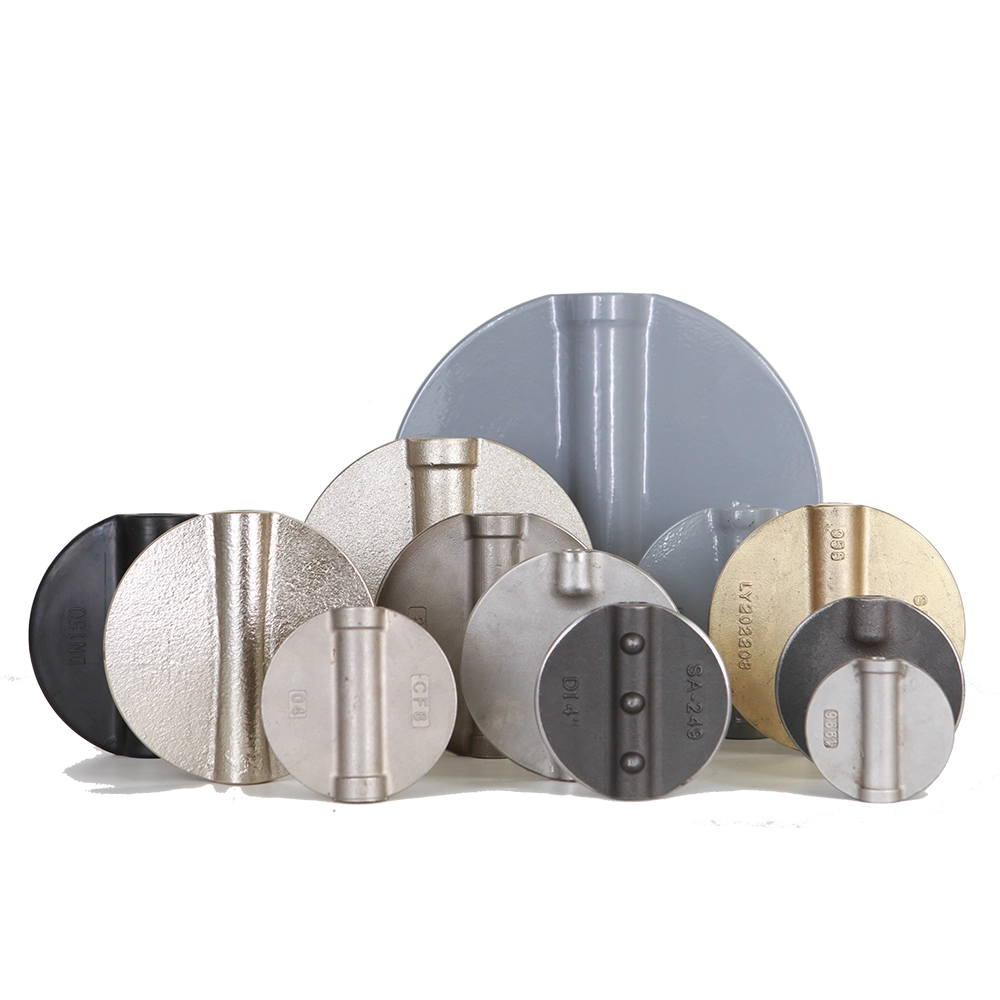
Butterfly valves control water flow in the water treatment using a flat, circular, butterfly-shaped disc. That disc sits in the middle of the pipe and rotates around its axis. When the disc rotates and is aligned parallel to the flow, water can flow through it. However, if the disc turns perpendicular to the flow, it completely blocks the water.

Additionally, the disc can also be positioned at any angle, which is useful for controlling water flow. This simple design makes butterfly valves quick to operate and easy to install in a system. Also, these valves are lightweight and more affordable than larger ones. That’s why they are used in industrial water treatment plants and large pipelines.
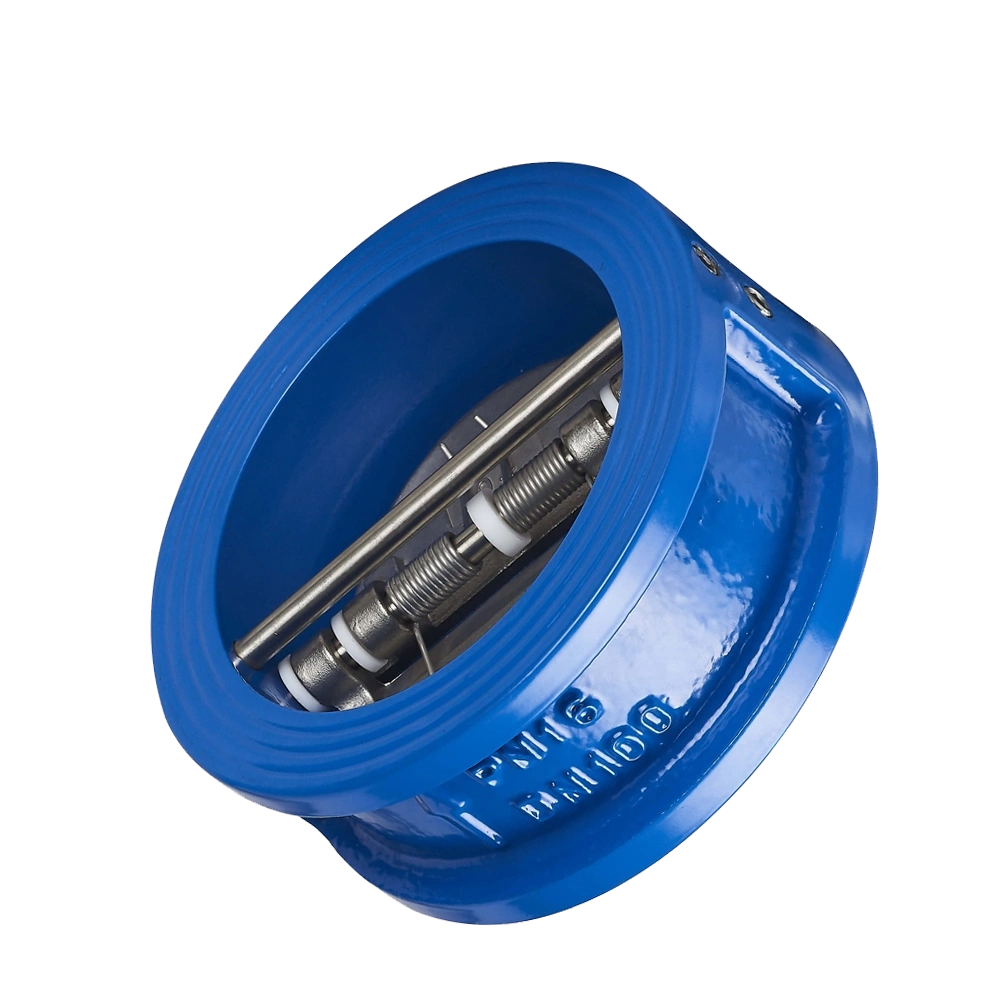
4- Check Valves
Check valves are another special type of water treatment valve that allows water to flow in only one direction. These valves automatically prevent water from flowing backward. The best thing about check valves is that they do not require a handle or manual operation. Instead, they open and close in response to water pressure. How?

Actually, when water flows in the correct direction, the valve opens. However, if water tries to flow backward, the valve instantly shuts down to block it. In this way, check valves in water treatment plants prevent damage to pumps, filters, and other equipment from reverse flow. Also, they prevent the backflow of dirty water so that it cannot mix with clean water.
5- Pressure Relief Valves
As the name suggests, the pressure relief valves release excess water pressure in the water treatment system. During the water treatment process, the pressure in a pipe or tank can sometimes become too high. If this pressure is not released, it can harm the entire system. Not only that, but high pressure can also cause leakage and even a burst.
All this can lead to serious accidents and injuries. That’s where the pressure relief valves are used. These valves automatically open to release water or pressure. Once the pressure returns to a safe level, the valve closes again. This way, these valves ensure safety and system reliability.
6- Control Valves
Control valves are the automatic valves that regulate the flow, pressure, or level of water. It means control valves work with sensors or controllers that monitor system conditions. When the system detects a change, the valve adjusts its opening to maintain the desired flow or pressure.
They can precisely control water flow through filters, chemical dosing units, or other treatment stages. That’s why you’ll find control valves in automated water treatment systems. They ensure consistent operation without constant human intervention.
Applications of Water Treatment Valves
Water treatment valves are used in many different places. They help control the flow, pressure, and direction of water. Their main job is to ensure water flows safely and properly through treatment systems. So let’s dive in and discuss the main uses of water treatment valves across different sectors.
1- Municipal Water Treatment Plants
Municipal water treatment plants are one of the main users of water treatment valves. These facilities clean water before it is supplied to homes and businesses in a city or town. So they use the water treatment valves in these plants. The valves control the flow of water through filters, chemical treatment tanks, and storage tanks.
2- Residential Water Treatment Systems
You might know that many homes and businesses install their own water treatment systems. These systems can be water filters, water softeners, or reverse osmosis units. All these residential water treatment systems use valves to turn water on or off, control flow, and manage cleaning cycles. This makes the system easy to use and ensures that the water coming out of taps is clean.
3- Industrial Water Treatment
Industries such as food production and pharmaceuticals need treated water for their processes. Therefore, they use water treatment valves to ensure water purification. Valves in industrial systems control water, its pressure, and direct water through treatment units. This ensures that the water meets quality standards and is safe for use.
4- Wastewater Treatment Plants
Waste that comes from homes, factories, and businesses is very harmful. Therefore, it is first treated in a wastewater treatment plant before being released into the rivers and lakes. These plants also use valves to control the flow of dirty water through filters and chemical treatment units. These valves also help prevent backflow and manage wastewater pressure.
5- Agricultural Irrigation Systems
Farmers use irrigation systems to water crops efficiently. For this irrigation system, they use water treatment valves. These valves control how much water flows to different fields and maintain steady pressure. As a result, the risk of overwatering or underwatering decreases. In some cases, valves also direct water through filters. There, the dirt, debris, and chemicals from the water are removed before they reach the crop.
Conclusion
Today, clean water is essential to almost every sector, from homes to factories and industries. To ensure water purity, several water treatment plants operate actively. The main components of these plants are the water treatment valves. These are specialized valves that control the flow, direction, and pressure of water.
Also, some water treatment valves prevent backflow. This makes the clean water safe from dirty water. However, not all these valves are the same; they come in different types. Each of those types has a distinct design and function that I have discussed in this article. That’s why selecting the right valve is crucial. So make sure the water treatment valve you choose matches your project’s and system’s needs.