
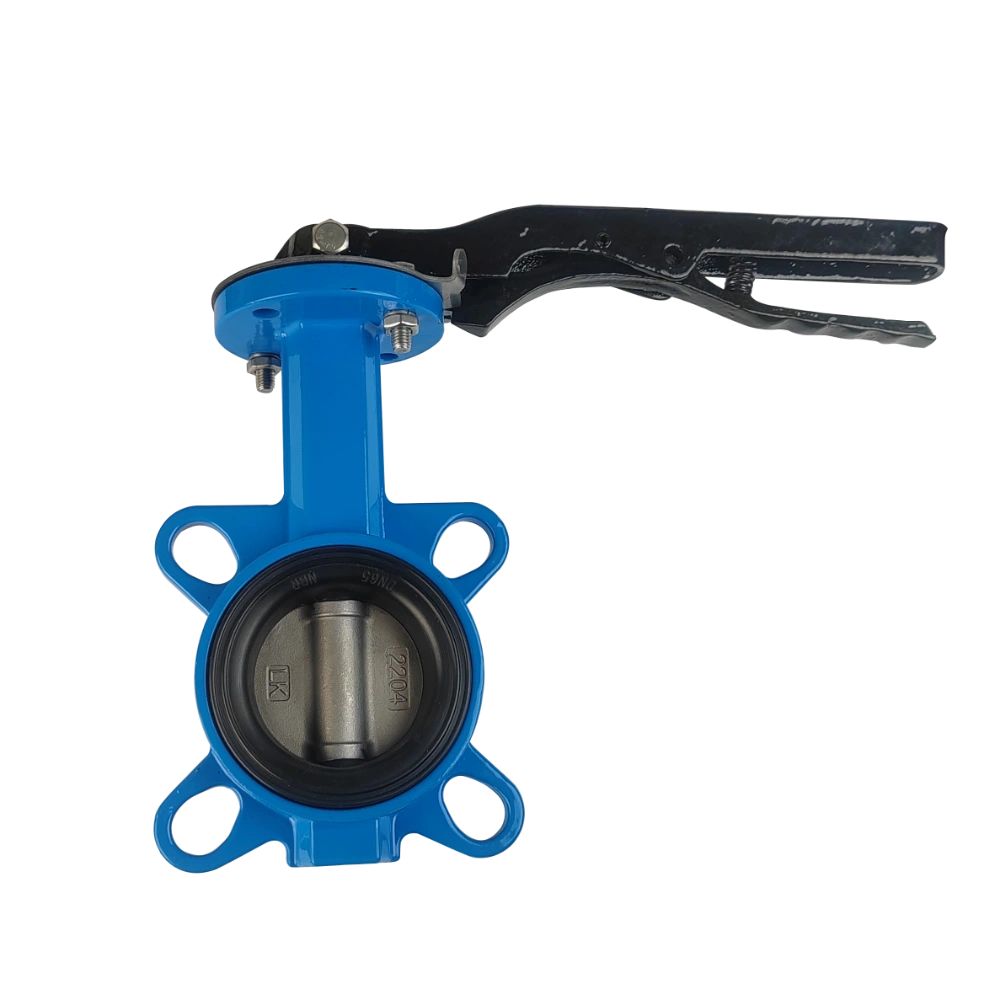
When selecting a butterfly valve for seawater, the most important consideration is the corrosiveness of its chloride ion concentration on the valve body/plate and seat. Brine is one of the most common corrosive application scenarios for butterfly valves, especially in desalination plants, offshore platforms, coastal power plant cooling systems, ship ballast water systems, and swimming pool circulation systems.
However, butterfly valves often suffer from pitting, crevice corrosion, leakage, or premature failure due to incorrect material selection.
Based on experience from multiple seawater projects and customer feedback, the technical team at Tianjin ZFA Valves has summarized the core logic for material selection in seawater media for butterfly valves.
This article will focus on the two main components when choosing butterfly valve material for seawater: the valve body/plate and the valve seat (sealing ring), comparing the corrosion resistance of common materials.

-
Chloride Ions (Cl⁻): The Main Culprit of Butterfly Valve Corrosion
1.1 Typical seawater components
chloride ions approximately 19,000 ppm, pH 7.8–8.2, oxygen-containing can cause:
– Pitting corrosion: Localized perforation, most common in stainless steel.
– Crevice corrosion: Flange connections, valve seat dead zones.
– Stress corrosion cracking (SCC): Under high temperature and tensile stress.
– Galvanic corrosion: Accelerated corrosion when different metals come into contact.

1.2 PREN Value: A Key Indicator for Seawater Corrosion Toxicity
PREN value (Pitting Resistance Equivalent Number) = Cr% + 3.3 × Mo% + 16 × N%. A higher PREN value indicates stronger resistance to pitting corrosion.
– 304/304L: PREN ≈ 18 → Not suitable for seawater.
– 316/316L: PREN ≈ 24–25 → Suitable for slightly saline water, prone to pitting corrosion in moderately saline seawater.
– Super duplex stainless steel (e.g., 2507): PREN > 40 → Preferred for seawater.
-
Valve Body/ Plate Material Comparision (Parts in Direct Contact with Media)
2.1 Comparision Data of butterfly valve material for seawater:
| Material Type | Typical Grade/ASTM | PREN/Value | Seawater Corrosion Resistance (Flowing Seawater) | CPT (Critical Pitting Temperature, in 1M NaCl or Seawater Simulation) | Typical Corrosion Rate (mm/year, in Seawater) | Upper Temperature Limit | Cost Factor | Typical Application Scenarios | Summary of Advantages and Disadvantages |
|---|---|---|---|---|---|---|---|---|---|
| Ordinary Stainless Steel | 304/CF8 | ~18 | Poor (Rapid Pitting) | <10°C | High(>0.1–0.5) | ~150°C | 1x | Freshwater/Low-Saline Water | Inexpensive, but not suitable for seawater |
| Molybdenum Stainless Steel | 316/CF8M, 316L | 24–25 | Medium (OK in Slightly Saline Water, High Risk of Pitting in Heavy Seawater) | 10–15°C(Easily Pitting) | 0.01–0.1(Low under Flow, but Deep Pitting) | ~200°C | 1.5x | Coastal Swimming Pools, Slightly Saline Water Circulation | High cost-performance ratio, but requires flow rate monitoring |
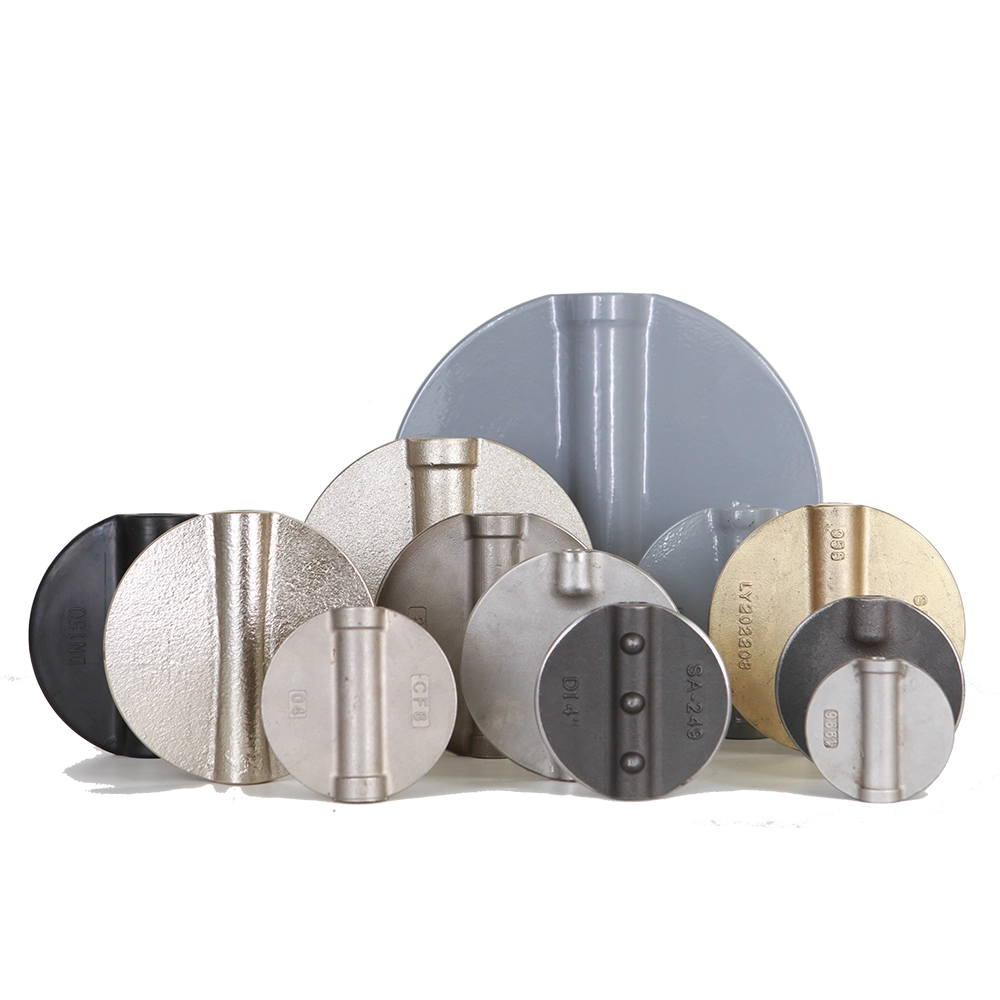
| Duplex Stainless Steel | 2205 (UNS S31803) | ~35 | Good | 35–40°C | <0.01(extremely low uniform corrosion) | ~250°C | 2.5x | Medium seawater, desalination pretreatment | High strength, good SCC resistance |
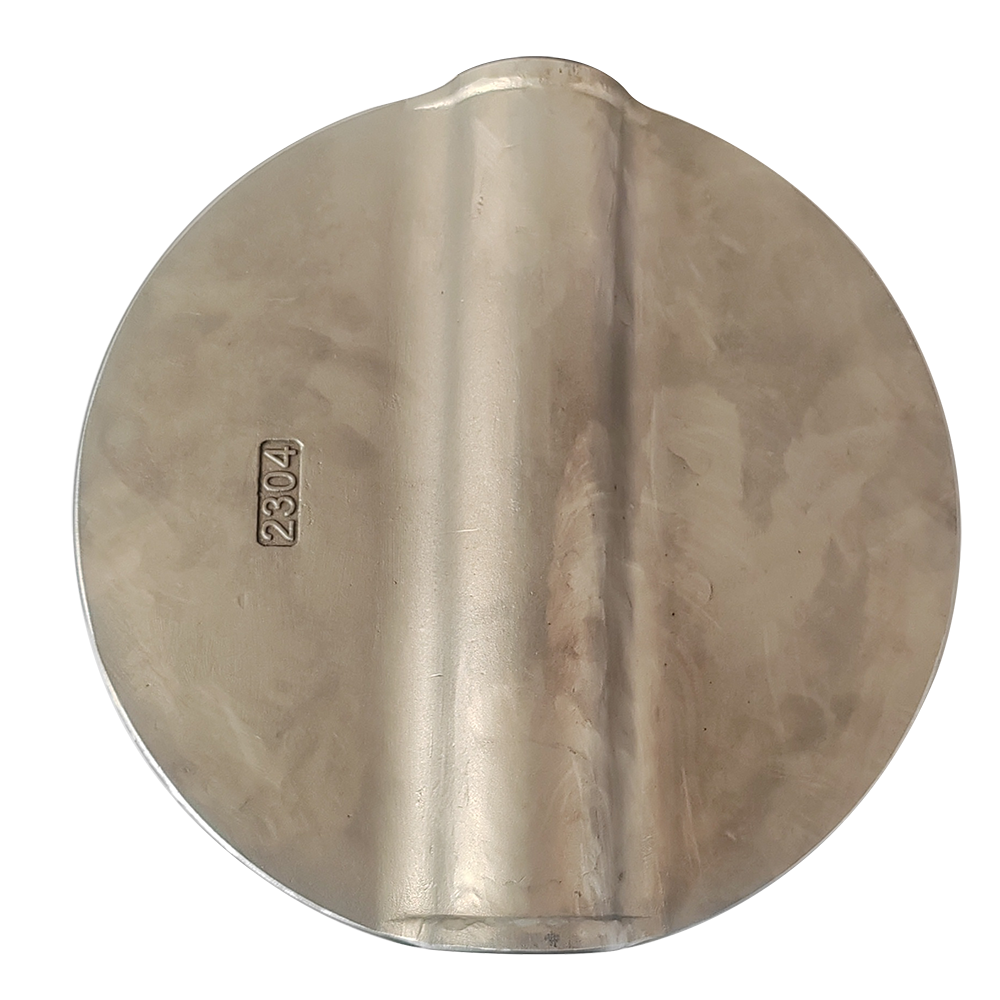
| Super Duplex Stainless Steel | 2507 (UNS S32750) | >40 | Excellent (extremely low pitting rate) | >50°C(excellent resistance to pitting/crevice corrosion) | <0.002–0.01(virtually no uniform corrosion) | ~300°C | 4x | Deep-sea platforms, high-pressure sections of seawater desalination | Best corrosion resistance, but expensive |
| Nickel-Aluminum Bronze | C95800 | – | Excellent (oxide layer protection under flowing seawater) | –(strong erosion resistance, no tendency to pitting corrosion) | ~0.012–0.05(low under flowing conditions) | ~200°C | 2–3x | Marine, marine cooling systems | Highly erosion resistant, but less strong than duplex titanium alloys |
| Titanium Alloy | Grade 2/5 | – | Excellent (virtually zero corrosion) | >80°C(extremely high) | <0.001 | ~300°C | 6–8x | Extreme seawater and chlorine environments | Most resistant, but costly |
| Liners/Coatings | Nylon coating, PTFE lining | – | Good (isolates from corrosive media) | Depends on lining (PTFE is extremely inert) | Nearly 0 with intact lining | Depends on lining | 1.8–3x | Isolates from corrosive media | Economical, but lining is vulnerable. |

2.2 Data Source Notes:
– PREN & CPT: Based on ASTM G150 electrochemical testing and industry consensus (Rolled Alloys, Carpenter Technology reports).
– Corrosion Rate: Typical values are from seawater immersion/flow tests (low flow rate <3 m/s); 316L is prone to pitting corrosion in chlorinated seawater, resulting in localized depths >0.1 mm/year; 2507 exhibits crevice corrosion depths close to 0 mm in chlorinated seawater at +40°C (confirmed by multiple super duplex reports); aluminum bronze forms a protective film in flowing seawater, reducing the long-term corrosion rate to 0.012 mm/year.
– Super Duplex 2507: In chlorinated seawater (1 mg/L chlorine) at +40°C, crevice corrosion depth <0.05 mm (significantly better than 316L’s 0.3–1 mm).
- Slightly saline water (Cl⁻ <5,000 ppm, such as coastal groundwater): 316/CF8M is sufficient and offers the best cost-performance ratio.
- Standard seawater (Cl⁻ ≈19,000 ppm, flow rate <3 m/s): Super duplex 2507 or 2205 with lining is preferred (PREN>40 ensures no pitting at >50°C).
- High-velocity/high-temperature seawater (>4 m/s or >60°C): Nickel-aluminum bronze or titanium alloys are more stable (erosion resistance + low corrosion rate).
- Avoid pure 304/carbon steel – almost guaranteed to fail.
2.3 Why do we recommend this?
Here are some research reports we studied* that led to these conclusions: Macroscopic corrosion morphology of three stainless steels after immersion in natural seawater for different times. 
Figures:
The first row of four figures a-d shows the surface morphology of 316L stainless steel at 6, 12, 24, and 36 months, respectively.
Figure 2, rows 4 (e-h) show the surface morphology of 2205 duplex stainless steel at 6, 12, 24, and 36 months, respectively.
Figures i-l show the surface morphology of 2507 duplex stainless steel at 6, 12, 24, and 36 months, respectively.
———————————————————————————–

Microscopic Corrosion Comparison of 2205 Duplex vs. 2507 Super Duplex in Seawater
-
Valve Seat (Sealing Ring) Material Comparison
The valve seat directly determines the sealing performance and media resistance. In seawater, it is most vulnerable to chloride ion penetration and aging.
| Valve Seat Material | Temperature Range | Seawater/Chloride Ion Resistance | Oil/Chemical Resistance | Elasticity/Sealing Performance | Typical Life (Seawater) | Recommended Scenarios |
|---|---|---|---|---|---|---|
| EPDM | -10~+120°C | Moderate (easily degraded under chloride ions) | Poor, | Excellent | 3–5 years | Freshwater/Low-chlorine water |
| Viton (FKM) | -15~+180°C | Good (strong chlorine resistance) | Excellent | Good | 5–8years, | Oily and salty water, chemically treated water |
| PTFE (Teflon) Lined/Fully Lined | -20~+180°C | Excellent (almost inert) | Very Excellent | Moderate | 8–15+ years | Strongly corrosive seawater, acids and alkalis |
| Metal Seal (Hard to Hard) | -200~+600°C | Depends on body material | Average | Average | Depends on body | High temperature and high pressure seawater |
Key Conclusions:
– EPDM is a little bit easily hydrolyzed/chlorinated in seawater, resulting in a short lifespan—not recommended for pure seawater.
– Viton is suitable for brackish water containing small amounts of oil, but its effectiveness is limited under high-temperature chlorinated water.
– PTFE lining is the most common choice for desalination plants: it isolates the medium and provides low friction. ZFA’s PTFE-lined butterfly valves have operated for over 10 years without leakage in multiple Middle Eastern desalination projects.
– Metal seals are suitable for high temperatures, but their sealing performance is not as good as soft seals.
-
Real-world case comparison: Lessons learned and successes from 3 seawater projects
Case 1: Middle Eastern desalination plant (Lessons learned)
– Original: 316 discs + EPDM seats
– Problem: After 18 months of operation, multiple pitting corrosions on the discs + seat expansion and leakage → shutdown and replacement.
– Cause: Insufficient 316 PREN + chloride ion concentration exceeding the chlorine resistance of EPDM.
– Improved: Super duplex 2507 discs + PTFE lining → 5 years of zero failures to date.
Case 2: Cooling Water System of a Coastal Power Plant in China (Medium-Level Solution)
– Uses: 316L body + Viton seat
– Results: At a flow rate of 2.5 m/s, only slight surface corrosion after 7 years of operation, low maintenance costs.
– Applicable to: Non-high-pressure sections, moderate Cl⁻.
Case 3: Ballast Water System of a South China Sea Platform (High-End Solution)
– Uses: Nickel-aluminum bronze disc + super duplex body + PTFE seat
– Results: At a high flow rate (4.5 m/s), no significant corrosion after 8 years of operation, far exceeding the 316 solution.
-
Butterfly Valve Material for Seawater Selection Checklist
- Determine the medium: Cl⁻ concentration, pH, temperature, flow rate, oxygen/sulfide content?
- Calculate PREN requirements: Seawater standard >35, recommended >40.
- Valve seat priority: PTFE lining > Viton > EPDM.
- Budget Tiers:
– Economy: 316 + PTFE Lining
– Balanced: 2205 Duplex + PTFE
– High-End: 2507 Super Duplex or Titanium
6. Conclusion: Choosing the Right Material Saves Money and Hassle
In seawater/saltwater media, the material for butterfly valves is not “the more expensive the better,” but rather “the one best suited to the operating conditions.” Many projects initially choose 316 to save money, but frequent replacements end up increasing costs. ZFA Valves, as a manufacturer specializing in butterfly valve exports, offers a full range of options from 316 to Super Duplex 2507 and PTFE fully lined valves.
*The research report comes from: A comparison study of crevice corrosion on typical stainless steels under biofouling and artificial configurations
https://www.nature.com/articles/s41529-022-00301-w