
You most probably notice that valves play a key role in almost all types of piping systems. You can find them in every piping system, from gases and water to critical liquids. Have you ever wondered how engineers make sure a valve will handle the required flow correctly? That’s where the valve flow coefficient (Cv) comes into play.
It ensures you choose valves that deliver the desired flow efficiently and safely. Remember, if you don’t know about the CV of a valve, it will cause poor flow, energy loss, or even damage to the system. But for beginners, this term might feel confusing and technical. But you need not worry! In this guide, I will explain the valve flow coefficient, its calculation, and more. So let’s get started.
What is the Valve Flow Coefficient (Cv)?
The Valve Flow Coefficient (Cv) is a number that shows how easily fluid can pass through a valve. It tells us the amount of liquid (in gallons per minute) that can flow through a valve with a 1-psi pressure drop. In other words, Cv indicates a valve’s flow capacity.
Now, remember that the number that comes after the CV calculation matters a lot. How? Every valve creates some resistance to fluid flow. It is the CV that measures that resistance. Now, suppose a valve has a higher CV value. It means that it has less resistance and allows more fluid to pass.
On the flip side, a valve with a lower CV creates more resistance and allows less fluid to pass. Moreover, when calculating the CV, you will notice that it combines flow rate, pressure drop, and valve size. By knowing the CV, you can choose the right valve for your system’s needs and avoid guesswork.

Why is a CV Important?
After understanding the basics of a CV, let’s explore its importance.
- Ensures the Right Flow Rate: First, Cv helps you determine the flow rate through a valve. Now that you know this valve, you can choose the correct valve that provides the exact flow your piping system needs.
- Helps with Accurate Valve Sizing: Remember, if you don’t know Cv, choosing the valve size is just a guess. However, CV gives you a clear number to match your system requirements. By using this value, you can select a valve that is neither too big nor too small.
- Improves System Efficiency: The right Cv value of your valve means fluid flows smoothly. Right? There will be less resistance, which could damage the entire system. The smooth, correct flow reduces energy loss and helps equipment operate more efficiently.
- Supports Better Flow Control: In many systems, you need to control or adjust the flow, not just open or close it. CV also proves handy in this regard. It helps you understand how the valve will behave when it is partially open.
How to Calculate Cv for Liquids?
Calculating CV for liquids is actually quite simple once you have understood its basics. As I mentioned above, to calculate the CV, you will need three parameters. For example, you have to know the flow rate, the pressure drop, and the type of liquid you are using. These values help you find how much flow a valve can handle. Once done, use the following formula.
Cv = Q ÷ √(ΔP / SG)
Here:
Q = flow rate (in gallons per minute)
ΔP = pressure drop across the valve (in psi)
SG = the specific gravity of the liquid
Now, let’s clarify it with an example. Suppose you are using water in your piping system. First, you need to know the flow rate (Q), which is the volume of liquid passing through the valve per unit time. Now, if your system needs 50 gallons per minute, then Q is 50. After that, find the pressure drop (ΔP), which is the difference in pressure before and after the valve.
If the pressure drops by 4 psi, then ΔP will be 4. Finally, it comes to the specific gravity (SG) of the liquid. Here, as you are using water, its specific gravity is fixed at 1. Now put all of these values into the above formula.
Cv = 50 ÷ √(4/1)

When you solve it, the final value will be 25. This means you need a valve with a CV of about 25. In other words, a valve with a CV of 25 will be able to handle this flow under the given pressure conditions.
How to Calculate CV for Gases?
Many beginners think that a CV for water and liquid is the same, which is a big misconception. Calculating Cv for gases is a little different from calculating it for liquids because gases are compressible. That’s why the volume of gases can be changed with pressure and temperature. The formula you have to use for calculating the valve Cv for gases is:
Q = 1360 × Cv × √((P1 − P2) / (G × T))
Here:
Q = Flow rate in standard cubic feet per hour (SCFH)
Cv = Valve flow coefficient
P1 = Inlet pressure (psi)
P2 = Outlet pressure (psi)
G = Specific gravity of the gas
T = Temperature in °R (Rankine = °F + 459.67)

Now that you know all these values, put them into the formula and get the exact value. Let’s suppose you are calculating the CV for air. Its flow rate (Q) = 10,000 SCFH, inlet pressure (P1) = 50 psi, outlet pressure (P2) = 40 psi, and gas = air (so G = 1). Now put all these values into the formula.
10,000 = 1360 × Cv × √((50 − 40) / (1 × 539.67))
When you solve it step by step, you get a final value of 54. It means you will need a valve with a Cv of 54 for this airflow.
Quick Highlight: From the above formula, you can see that the Cv calculation for gas is not simple. It uses a complicated formula that becomes tricky, especially for beginners, and takes time. That’s why engineers often use charts, software, or online calculators. These tools provide quick, accurate results without confusion.
How to Select the Right Valve Size Using Cv: Step-by-Step
The value of Cv is crucial not only for the correct flow rate but also for choosing the right valve size. Don’t you know how? Here are the steps you can follow.
Step 1: Understand Your System Requirements
Before doing any calculation, you need to understand your system clearly. For this, you have to know the flow rate, fluid type, and pressure conditions. These details are very important because they directly affect how the valve will perform. If you skip this, you may choose the wrong valve, which can cause poor flow or system problems later.
Step 2: Calculate the Required Cv Value
Now you know everything needed to calculate liquid CV from the above step. Those include flow rate, pressure, and fluid type (for SG). At this point, you will only need to put these values into the formula. The end value gives you a clear number representing the flow capacity your valve should have. When you have calculated the CV value, it will guide you to the right valve size.
Step 3: Choose the Suitable Valve Type
After you calculate the CV, you might think your work is done. But that’s a misconception. You still need to choose the type of valve. Why? Because different valves control flow in different ways. Even if two valves have the same CV, they may not perform the same in practice. Remember, the valve Cv only helps you know the fluid rate. However, valve type will help you understand how the flow will behave.
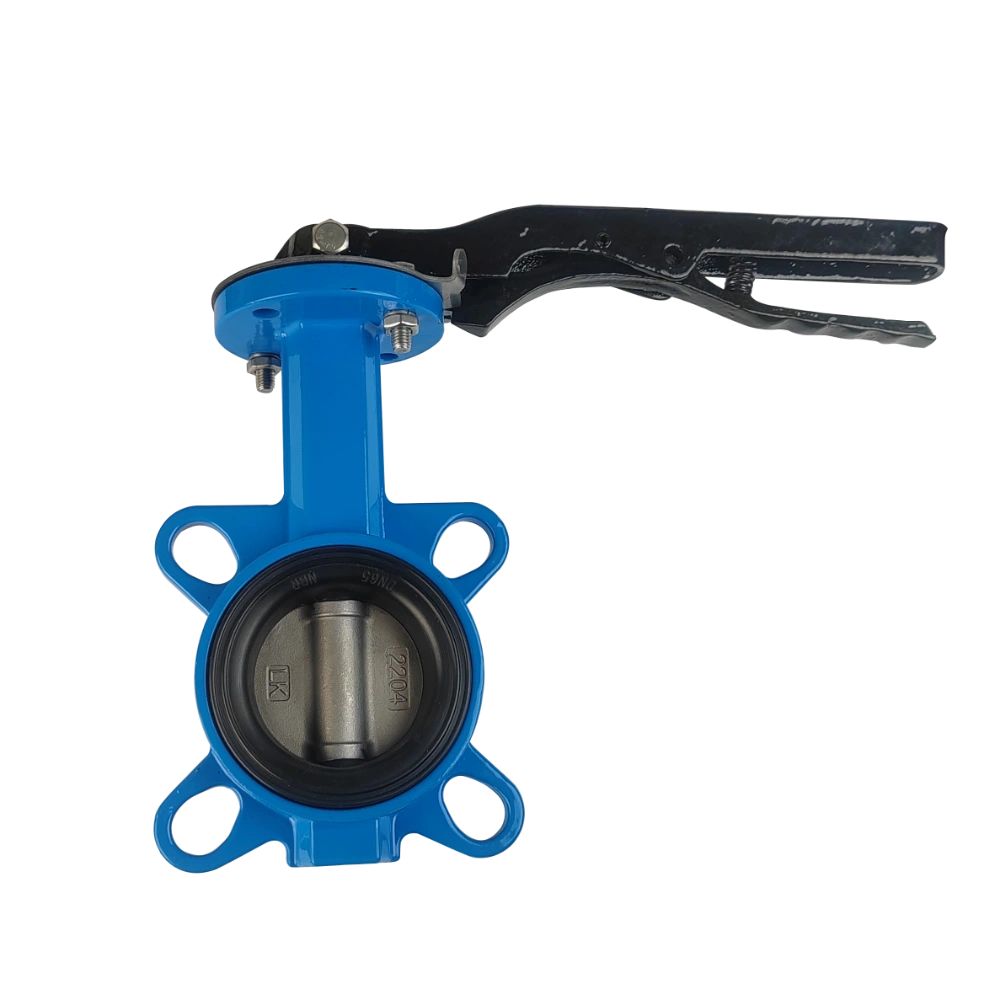
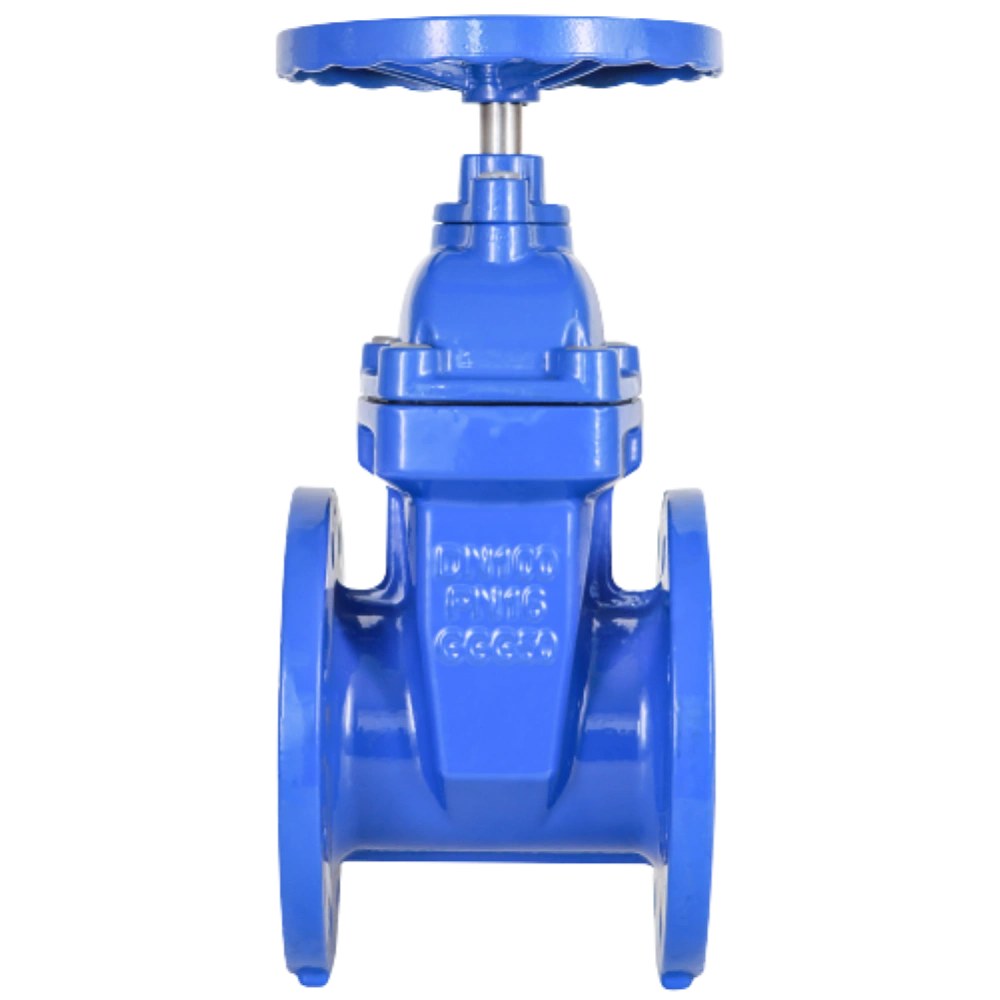
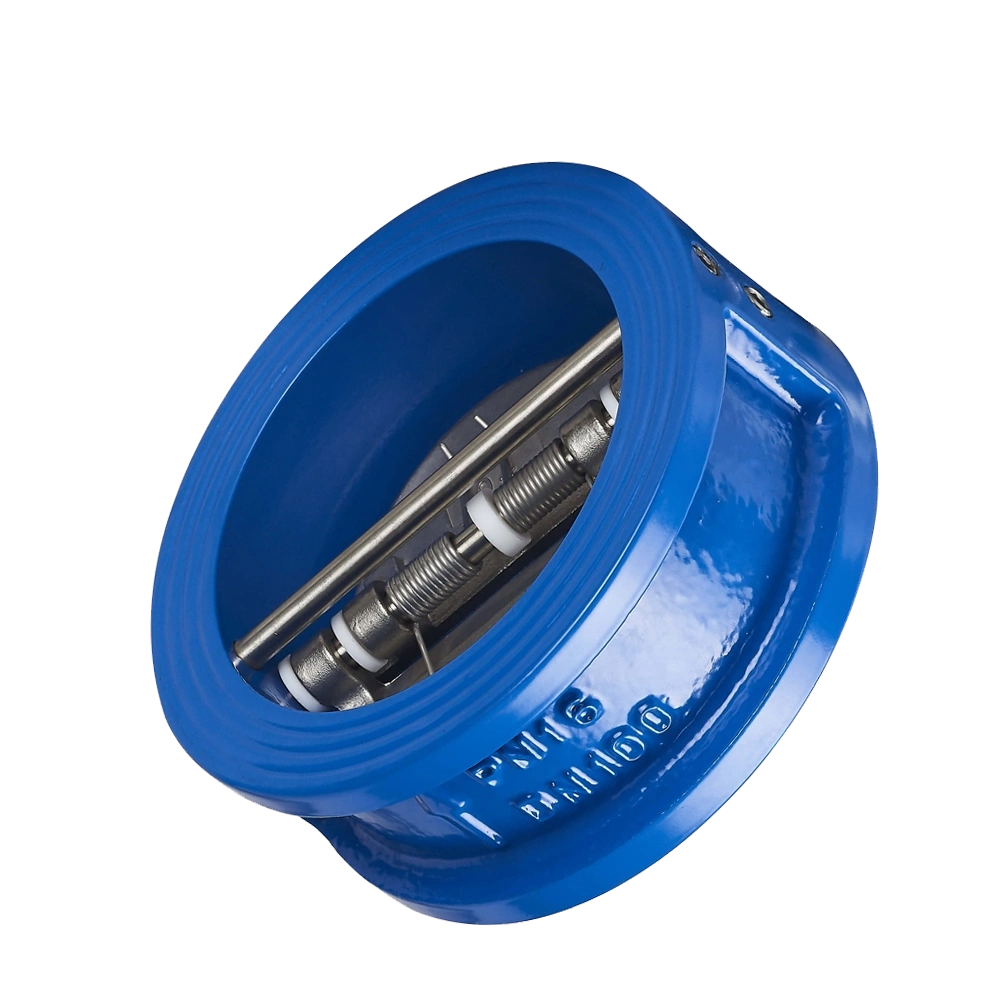
You can find several types of valves, such as ball valves, globe valves, butterfly valves, gate valves, and more. Some of these valves only allow or completely block the fluid. However, some valves can also allow partial fluid flow. Hence, to choose the right one, you have to understand whether you want to control the flow or just open/close it.
Step 4: Compare with Manufacturer CV Data
Once you know the CV and the right valve type, next you have to check what the manufacturer offers. Actually, every valve comes with a datasheet or chart. This chart shows the Cv value for each valve size, the amount of flow it can handle at different openings, and the maximum pressure limits. Now, compare the valve type you have selected with this chart.
For example, look at the Cv column in the chart that shows Cv for each valve size. Now choose a valve with Cv equal to or slightly higher than your number. Suppose you calculated Cv = 25, and the chart shows a 1-inch ball valve has Cv = 24 and a 1.25-inch valve has Cv = 28. At this stage, you must pick the 1.25-inch valve. Why? Because this slightly higher CV will handle your flow more safely.
Factors That Affect Valve Flow Coefficient (Cv)
Remember, the CV of a valve is never fixed. It can change with several factors. When exploring everything about CVs, you must know these factors to choose the right valve.
- Valve Type & Design: The type of valve you choose has a big impact on CV. As I said above, different valves handle the flow differently. Even if two valves have the same diameter, their CV can be very different. This is because of their different internal designs.
- Fluid Type: Cv also varies with the fluid type used in your system. For example, water is easy to calculate because its specific gravity is 1. However, oil is thicker (higher viscosity), so it flows more slowly, reducing Cv.
- Fluid Temperature & Pressure: Temperature and pressure affect the fluid’s density and flow behavior. When the flow changes, CV automatically alters. For example, high temperatures make fluids thinner (less viscous), which increases flow and Cv and vice versa. Likewise, high or low pressure drops can affect flow efficiency and alter CV.
- Pipe Size & System Layout: Lastly, the pipe size connected to the valve also varies the CV. For example, larger pipes can handle more flow, so valves may need a higher CV to match. Conversely, smaller pipes restrict flow, reducing the effective CV. Also, bends, elbows, and fittings often create resistance, which lowers the CV.
Conclusion
Let’s conclude: Valves are the essential parts of any piping system. However, in choosing the right valve, calculating the CV is very crucial. CV is a dimensionless number that indicates the amount of fluid that can flow through a valve under specific conditions. At first, calculating it might feel very overwhelming.
That’s why, in this guide, I have discussed some formulas for calculating the Cv of gases and liquids. Remember, when you know the correct CV value for a valve, you ensure the correct flow in a system. This directly prevents system damage, proves energy efficiency, and reduces long-term costs.