
Oil and gas are two of the most critical industries that face the risk of leaks. To prevent this issue, valves are used. However, not all the valves are the same, nor can they all be used in gas and oil pipelines. There are distinct types of valves in the oil and gas industry that ensure the safe fluid flow from one place to another.
But remember, not all those valves work the same way. For example, some only stop and allow the fluid to flow, some regulate the flow, and some even prevent dangerous backflow. If you are involved in the oil and gas operations, knowing those valve types is crucial. That’s why, to help you with this guide, I will discuss some common valve types you may encounter in the oil and gas industry.

Some Common Types of Valves in the Oil and Gas Industry
In the oil and gas industry, valves are the most critical part that ensures safety. However, not all valves are the same; they come in different designs and serve different roles. To better understand them, I will share some common valve types used in oil and gas, along with their specifications and roles.
1- Gate Valves
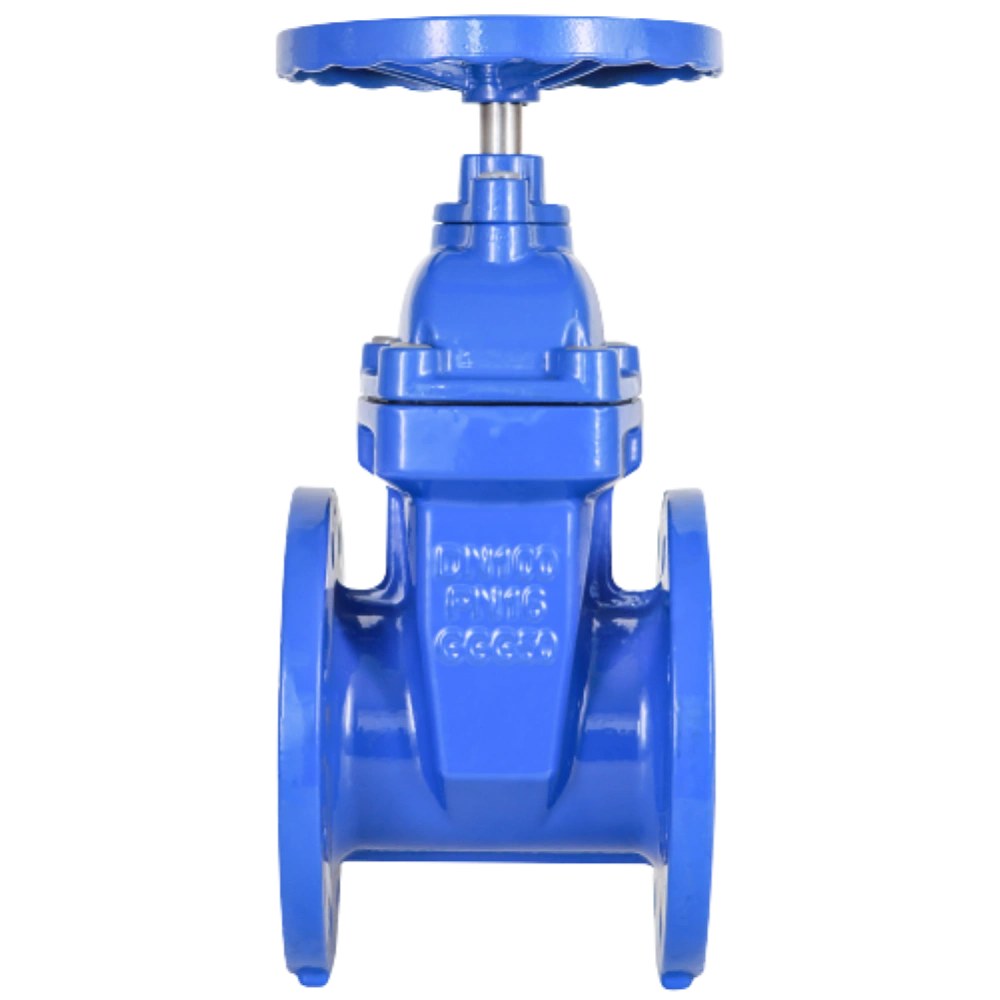
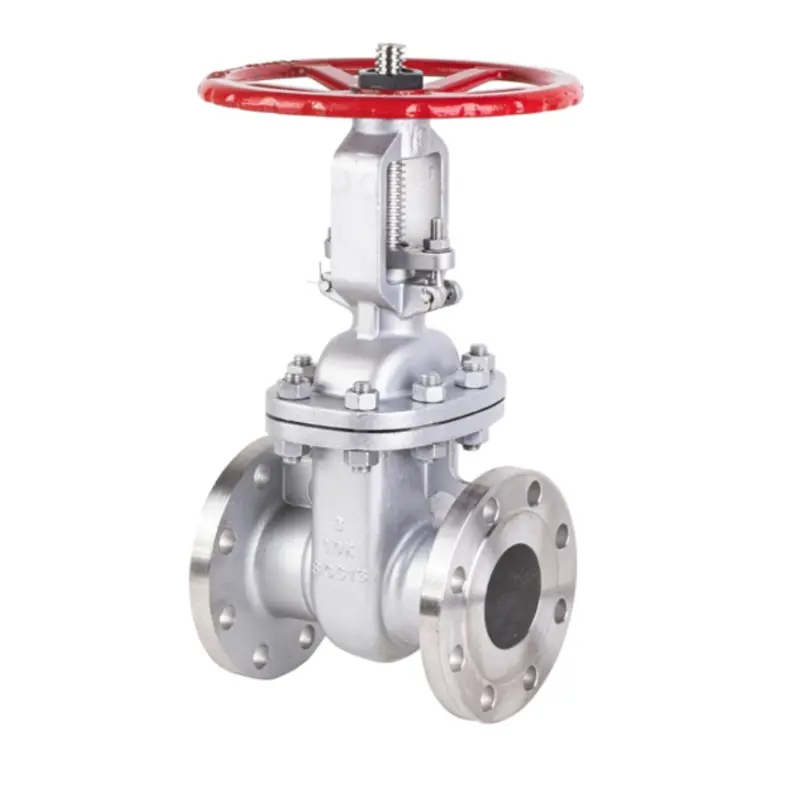
The most common valve type used in the oil and gas industry is the gate valve. These valves primarily control fluid or gas flow, either allowing or completely blocking it. Actually, inside the valve is a primary part called the gate or wedge. When this gate moves up, it allows the fluid or gas to pass without hindrance.
However, when this gate is fully down, it does not allow all the gas or oil to flow. That’s why we can say gate valves are not meant to regulate fluid flow. But they are still well-known for their robust design. That’s why you can use them in high-pressure pipelines without adjusting the flow rate.
2- Globe Valves
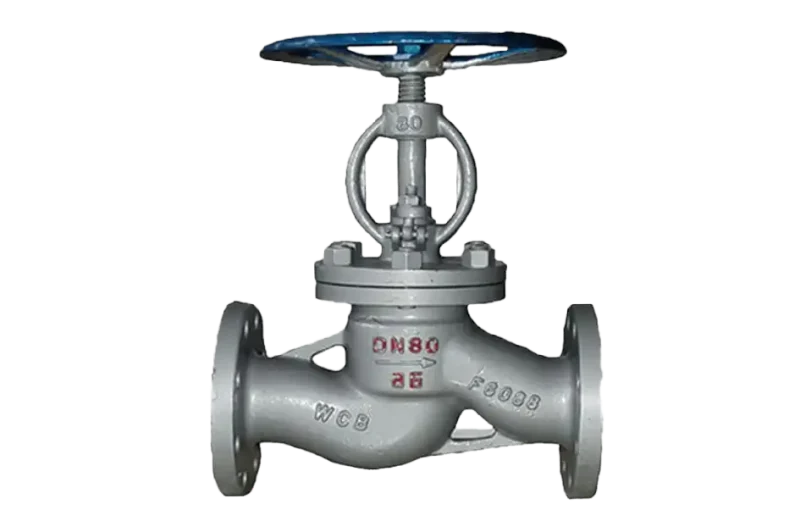
A globe valve is a type of valve used primarily to control the flow of oil, gas, or other liquids. It means these valves not only stop or allow the fluid flow but also maintain its speed. Globe valves have a round body with a disc inside. This disc moves up or down to regulate the fluid flow. For example, when the disc is closer to the seat, the passage for fluid or gas narrows, slowing the flow.
However, when the disk lifts away, the flow increases steadily. This precise control of the globe valve allows you to regulate pressure, flow rate, or even direction very effectively. In the oil and gas industry, you will find these valves where safety and precision are critical, such as in chemical injection lines.
3- Ball Valves
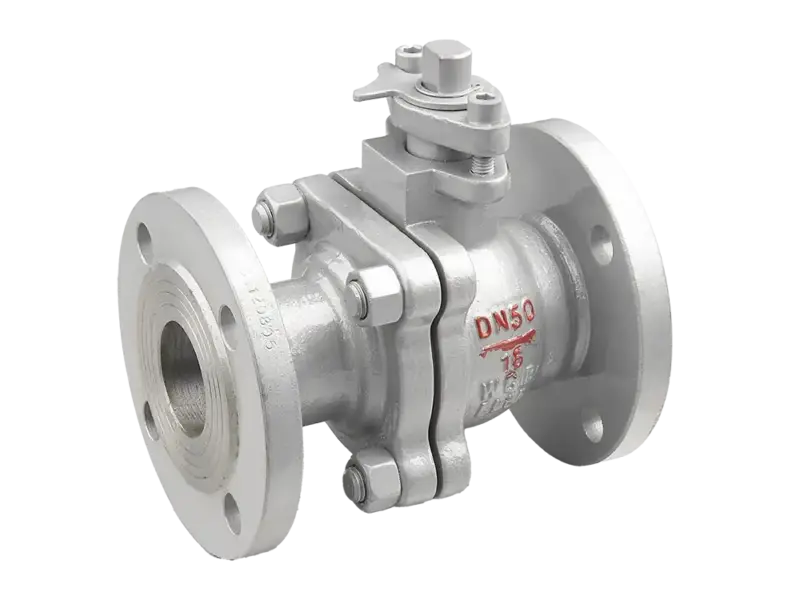
A ball valve is a type of valve that uses a round ball with a hole in its center. That hole controls the flow of oil, gas, or other fluids. How? Let me explain. Actually, the ball sits inside the valve body. So when the ball is in such a position that the hole aligns with the pipeline, the fluid flows freely. However, when the ball is turned 90 degrees, the hole is perpendicular to the flow. As a result, the valve completely stops the fluid.
This design makes the ball valve easier to operate and safer to use, even for beginners. They come with a simple quarter-turn handle that switches from fully open to fully closed. These valves are also durable and reliable, providing a tight seal when closed. Therefore, ball valves are used to handle high pressure, high temperature, and even corrosive fluids.
4- Butterfly Valves
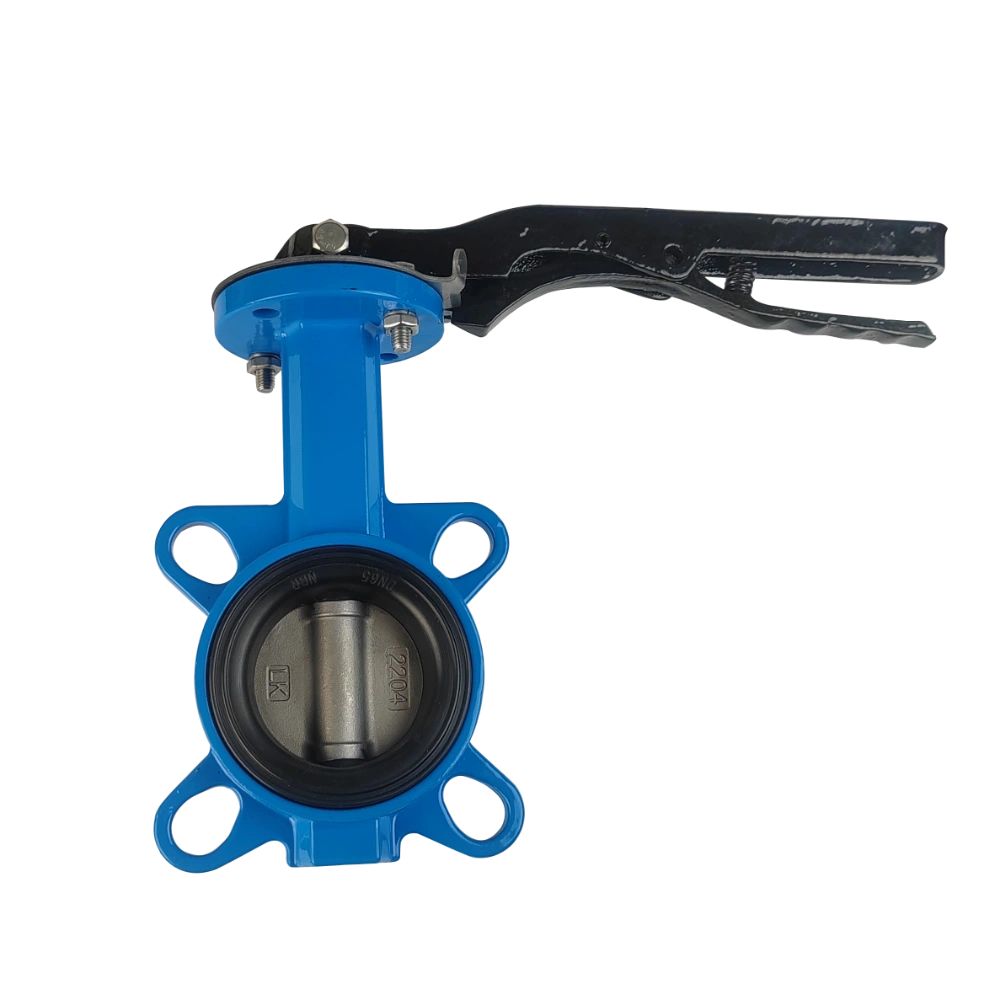
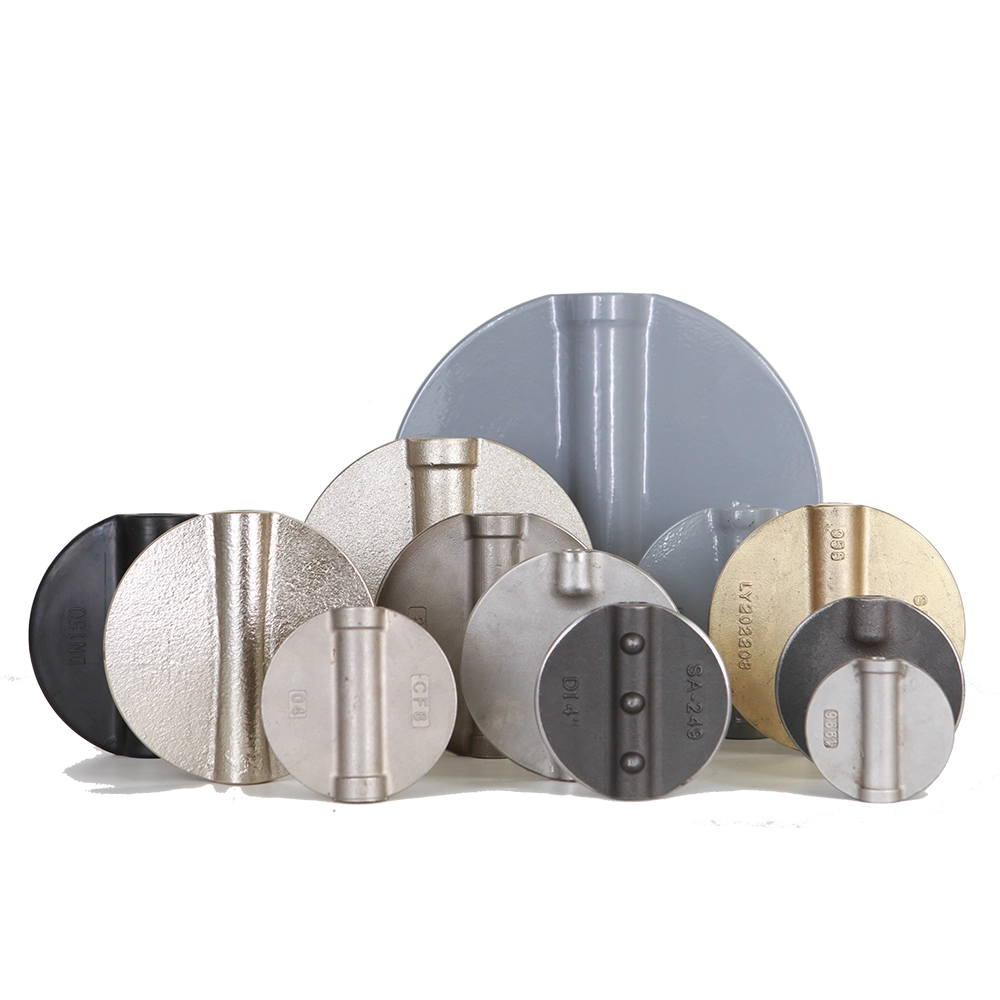
A butterfly valve is another common valve type used in the oil and gas industry. First of all, it gets its name from the flat, circular disc that looks just like a butterfly. This disc, when rotated around the shaft inside the valve, controls fluid flow, blocking it or completely allowing it. Actually, when the disc is aligned parallel to the flow, the fluid passes through the pipe with no resistance.
However, when the disc turns perpendicular to the fluid or gas flow, it blocks the fluid. Besides all this, the disc can also partially open at a certain angle to control the speed of the fluid or gas. Moreover, unlike gate or globe valves, butterfly valves do not require much space to operate. That’s why they are best used in tight spaces in pipelines.

5- Check Valves
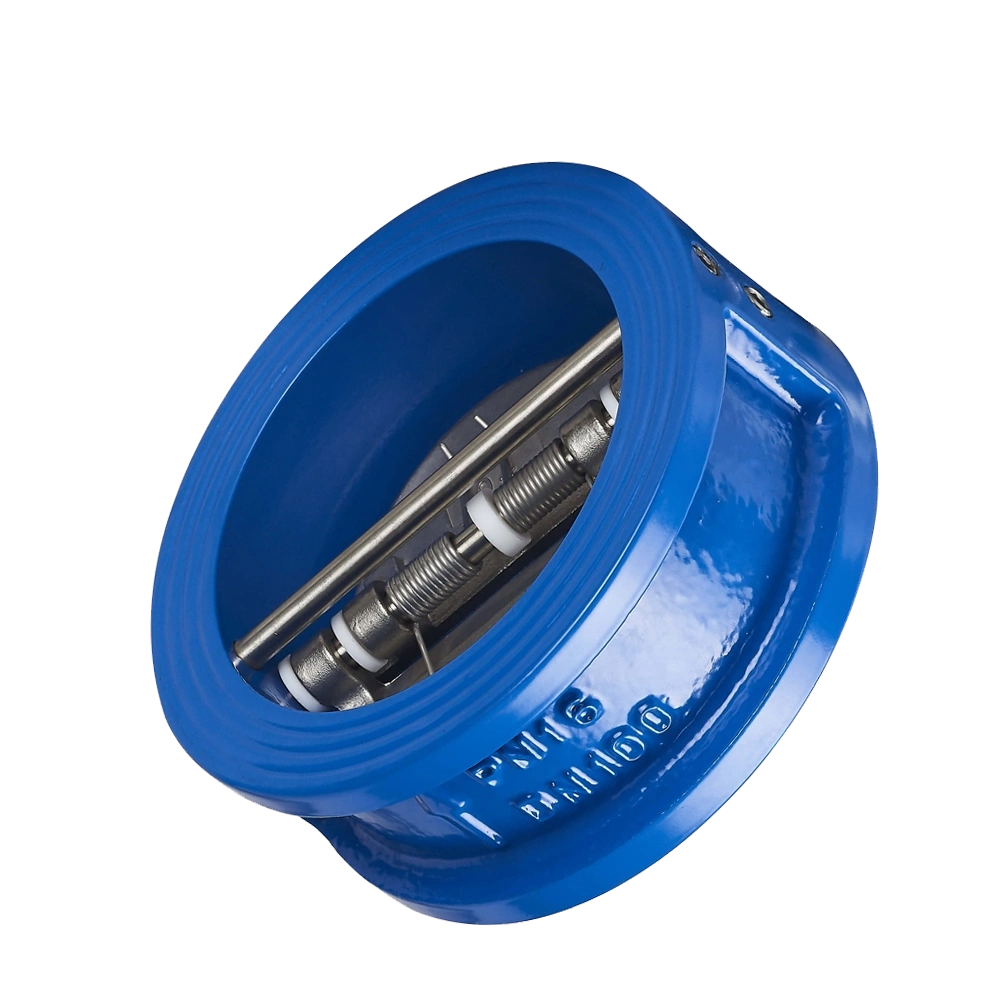
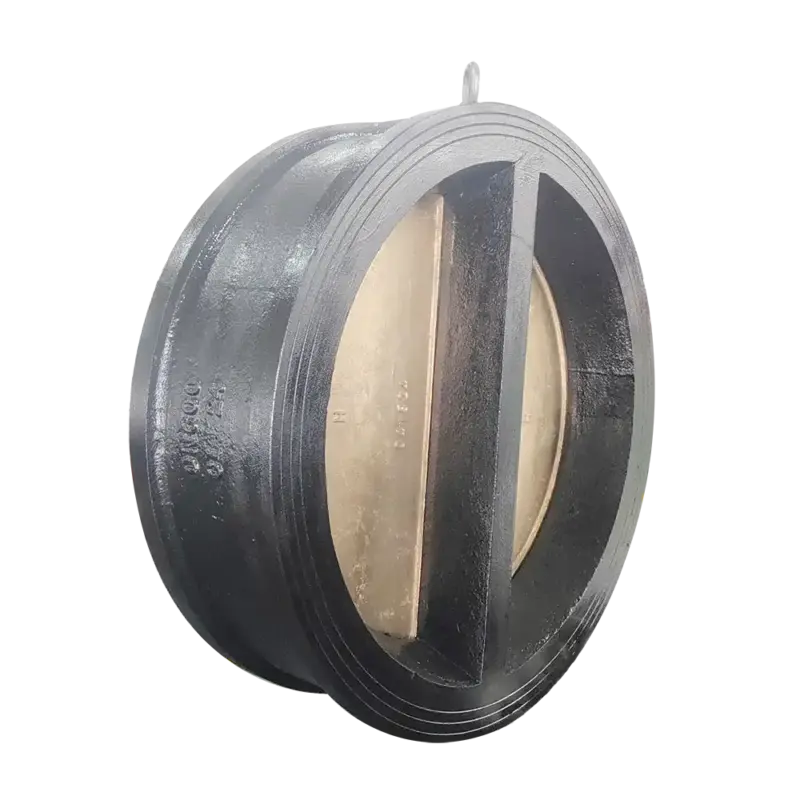
A check valve is a special type of valve that allows fluid or gas to flow in only one direction. It means these valves prevent backflow, which can be dangerous in many oil and gas systems. But how do check valves work? Actually, they have a flap, ball, or disc that moves with the flow of fluid. When the fluid flows in the right direction, the valve opens automatically.
But the fluid tries to flow backward; the ball of the valve closes it. What makes these valves unique is that all this happens automatically, without any manual intervention. Due to this precision, check valves are often installed in pumps, pipelines, and compressors to prevent backflow. But remember, check valves are not about regulating fluid flow.
6- Pressure Relief Valves
A pressure relief valve is a valve designed to protect pipelines in the oil and gas industry from dangerously high pressure. How? In oil and gas pipelines, high pressure can build up due to blockages or sudden flow changes. If this pressure is not controlled in time, it can damage equipment, cause leaks, or even lead to explosions. That’s where the pressure relief valves come into play.
Basically, inside these valves is a spring-loaded mechanism, or pilot system. This system keeps the valve closed when pressure is within a safe limit. But when pressure exceeds the safe limit, the fluid’s force overcomes the spring. As a result, the valve opens to release excess fluid or gas pressure. Once the pressure again comes to its safe limit, the valve automatically closes.
7- Plug Valves
A plug valve is a type of valve used in the oil and gas industry to control the flow of fluids or gases. This valve gets its name from the cylindrical or conical plug inside the valve. This conical plug has a hole just like a ball valve. When the plug rotates, it either allows, blocks, or regulates the fluid flow. For instance, when the hole in the plug lines up with the pipeline, fluid flows freely.
However, when the plug rotates so that the hole is out of line with the pipe, the flow stops completely. Now, modern plug valves also come with multiple passages. These pathways allow them to divert fluid between different pipelines. That’s why plug valves are generally used in complex oil and gas pipeline systems.
8- Diaphragm Valves
Now, it comes to diaphragm valves, which use a flexible rubber or plastic membrane (called a diaphragm). This diaphragm is what controls the flow of fluids. How? The diaphragm is not hard but is very soft and flexible. It is connected to a compressor or actuator. When you turn on the compressor, the diaphragm pushes down against the valve seat, creating a tight seal.
As a result, no fluid can pass. However, when the diaphragm is lifted upward from the valve seat, it allows the fluid to pass easily. The best thing about a diaphragm valve is that the fluid does not actually come into contact with the mechanical parts of the valve. Instead, the diaphragm itself acts as a barrier, separating the harsh fluids from the rest of the system.
9- Needle Valves
Another widely used and common type of valve in the gas and oil industry is the needle valve. As the name suggests, this type has a long, tapered needle. This needle controls the flow of fluid or gas by moving upward and downward. When the valve is operating, the needle moves upward, increasing the opening and allowing more fluid to pass through.
However, when the needle moves down, it reduces the opening and creates a hindrance to fluid flow. As the needle is long, it moves gradually rather than suddenly. That’s why these valves are best for precisely controlling fluid flow rather than completely blocking or allowing it.
10- Control Valves
Lastly, the most important type of valve used in the oil and gas industry is the control valve. These specialized valves are designed to control multiple functions simultaneously. For example, they control or maintain the right flow, pressure, temperature, or level of fluids in pipelines. In fact, these valves are connected to controllers or sensors. These sensors measure conditions such as flow rate, pressure, and temperature in the system.
When there is a change, the controller sends a signal to the valve, instructing it to take action. For example, it tells the valve to fully open, slightly close, fully close, or stay in place in response to any pressure or temperature change. Additionally, control valves are fully automated. They don’t need human intervention and work continuously and precisely.
How to Choose the Right Valve for Your Needs
Even after knowing all types of valves used in the oil and gas sector, many still get confused about choosing the right one. Remember, if you accidentally install the wrong valve in any pipeline, the results can be dangerous, like leaks and even bursts. So, before making the final selection of the valve, here are a few things you must consider.
- Type of Fluid or Gas: First of all, you should think about what type of fluid or gas will pass through the valve. For example, if you are dealing with thick oil, it will move slowly, so you will need a ball or gate valve. Likewise, the corrosive liquid will require a valve with a special material, such as a diaphragm valve. On the flip side, gases move too quickly.
- Flow Control Requirement: Secondly, consider the valve’s flow requirements. If you need on/off control, valves like gate or ball valves are suitable. However, if you need precise control, globe or needle valves are better.
- Pressure & Temperature Conditions: As you know, in the oil and gas sector, pressure and temperature can be very high. So you must choose the valve that handles these conditions. Prefer the valve made from a robust, durable material.
- Valve and Pipeline Size: Ensure the valve size matches the pipeline size. In large pipelines, you may need valves capable of handling high flow rates. Generally, butterfly valves are best suited for large pipelines. In smaller pipelines, more precise valves, such as needle valves, work best.
- Cost & Performance: Lastly, you should balance cost and performance. Remember, a cheaper valve may save money initially, but it will fail and increase maintenance costs. That’s why I recommend choosing a high-quality valve that may cost more but will provide better performance and longer life.
Conclusion
Valves play a crucial role in the gas and oil industry. They are among the most important pieces of equipment that ensure the system’s safety and the safety of its workers. However, ordinary valves might not work well in these sectors. That’s why there are some special types of valves used in oil and gas systems that I have discussed. All of those types work differently and offer varying roles.
For example, some only block or allow the fluid or gas flow. However, some can also regulate the rate of flow by partially opening or closing. Even some types of valves perform the safety task by controlling pressure and temperature. In short, when choosing the right valve, always consider your system requirements. Then, pay heed to the size, flow requirements, and cost for a more informed selection.