
Valves are a critical part of almost every piping system. They come in various types. Among those, the wafer type butterfly valves are widely used in several industrial applications. However, when it comes to installing these valves, many beginners get confused. That’s where this step-by-step guide for wafer type butterfly valve installation will help you.
Actually, wafer butterfly valves are known for their lightweight, compact design, and affordability. Also, they are easier to install than other types of valves. However, minor mistakes during installation can lead to leaks and serious financial loss. But you need not worry! In this guide, I will explain how to install wafer butterfly valves correctly, step by step. So let’s get started.
What Is a Wafer Type Butterfly Valve?
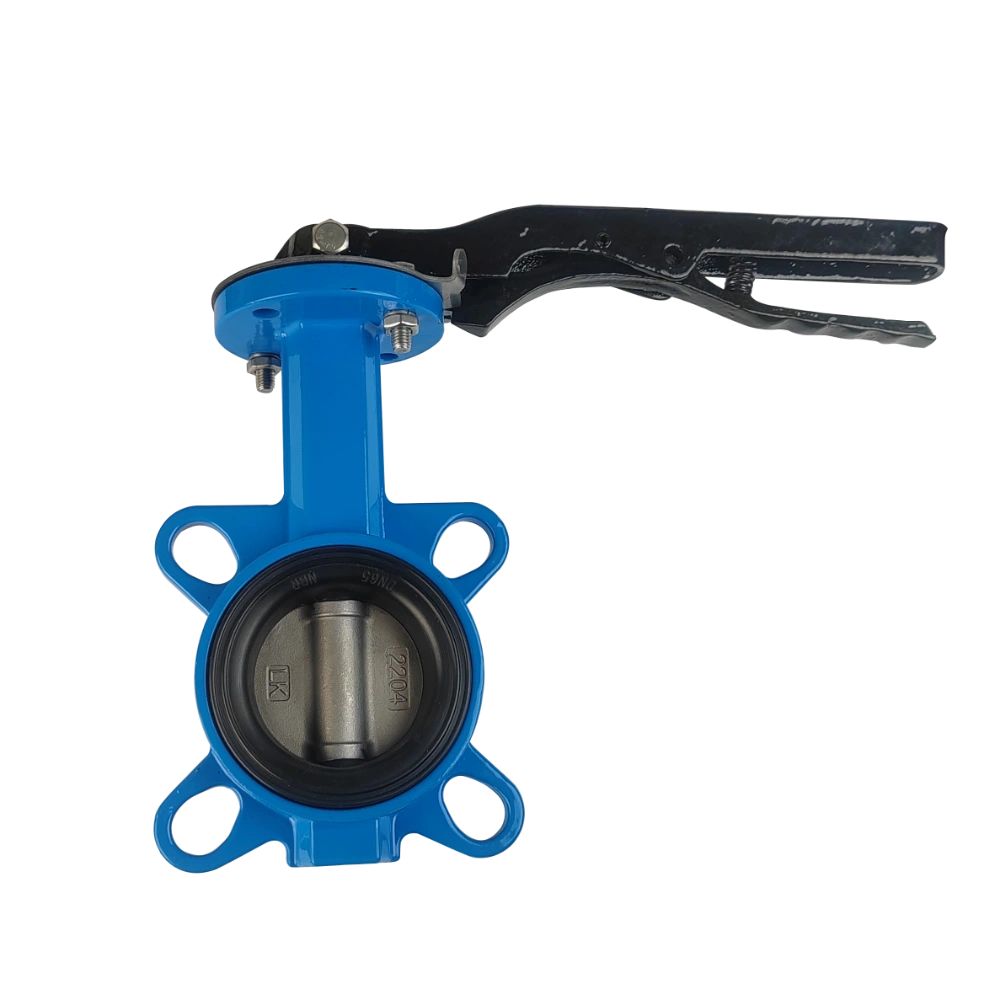
A wafer type butterfly valve is a valve used to control or stop the flow of liquid or gas. It has a circular disc inside the valve body. This disc rotates to allow or block the flow. This type of valve is thin and fits between two pipe flanges; hence its name, the “wafer” type.

This wafer design is what makes these valves compact and lightweight. Unlike regular valves, wafer valves do not have a separate body on one side. Instead, they are sandwiched between the pipes and held by bolts around the flanges. That’s why they are easier to install. But how does the wafer type butterfly valve work?
Actually, as I said above, these valves have a disc connected to a handle or actuator. When you turn the handle or actuator, the disc rotates around its center. Now, if you turn the handle clockwise, the disc turns at right angles to the pipe. This rotation blocks the fluid flow and acts as a stop valve.
However, when you turn the handle counterclockwise, the disc becomes parallel to the pipe. This position allows the fluid to pass, and the valve is fully opened. In addition to fully blocking or allowing the fluid, wafer butterfly valves can also regulate it. It means you can partially open or close it to control the flow and speed.
But remember this type of valve is not ideal for high-pressure fluids or gases. They work best for medium to low-pressure systems. That’s why you can find wafer butterfly valves in water supply, fire protection, and chemical industries.
How to Install Wafer Type Butterfly Valves? Step-by-Step Guide
Do you have a basic idea of wafer type butterfly valves and how they work? For beginners, it seems very tricky to install this type of valve. But their installation is easier if you follow the right guidelines. To help you out, I will discuss the main steps for the wafer type butterfly valve installation.
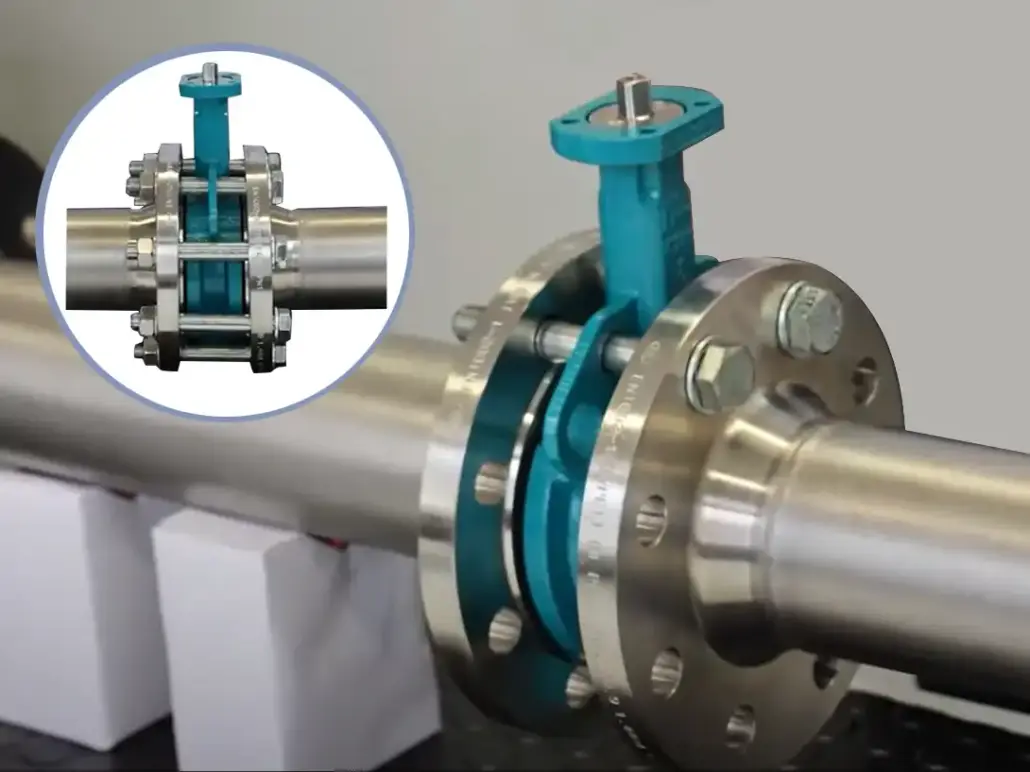
Step 1: Prepare and Inspect the Valve & Pipeline
The very first step in installing the wafer-type butterfly valve is inspecting the valve and the pipeline. The inspection ensures your valve works smoothly throughout its service life. So, in the inspection, first look at the wafer-type valve itself. Look carefully at the rubber seat and disc, and ensure there are no dents or cracks in the valve body.
After that, rotate the disc to check that it moves smoothly without sticking. Also, check the manufacturer’s markings on the manual. Make sure that valve size, pressure rating, and flow direction match your system. After checking the valve, come to the pipeline. You should ensure that flanges inside the pipe are dust- and rust-free.
If you notice any debris, clean it immediately, as it can damage the valve’s rubber seat. After cleaning the pipeline, inspect the flanges for proper alignment. Make sure these flanges are parallel and evenly spaced. The right space and position of flanges are necessary to fit the valve. Any misalignment here can cause leaks and damage to the valves.
Step 2: Position the Valve Between Flanges
Once you have prepared and inspected the valve and pipeline, the next step is positioning the valve. The wafer-type butterfly valve will go between the flanges of the pipeline. However, before placing the valve, open the valve disc slightly, about 10–15 degrees. Why? A slightly open valve disc will prevent it from scraping against the flanges during installation.
Now, carefully place the valve between the two flanges in such a way that the disc does not touch the pipe walls. At this point, a slight misalignment will lead to leakage and reinstallation. Make sure that the valve is aligned correctly with the flow direction. For this, check the arrow symbol on the valve or manual.
Step 3: Insert & Hand-Tighten Bolts
After the valve is properly positioned between the pipe flanges, it’s time to secure it. To secure the valve, you have to use bolts. First, choose the right bolts that match the valve size. Industrial valve manufacturers usually recommend the correct bolt size. So after choosing the bolts, insert them through the flange holes around the valve body.
However, make sure they go straight and do not tilt or become misaligned. After inserting the bolts, hand-tighten them just enough to hold the valve in place. At this stage, do not fully tighten the bolts yet, as you may still need to make some alignments and adjustments. Lastly, when the bolts are hand-tightened, ensure the valve remains centered between the flanges. Also, check that the disc still moves freely.
Step 4: Align & Fully Tighten Bolts Gradually
Now that the valve is correctly positioned and the bolts are hand-tightened, it is time to tighten them fully. But before that, you have to check that the valve is fully aligned. Proper alignment ensures the valve disc can rotate freely and prevents leaks or damage. To do this, check that the valve is centered between the flanges and that the disc does not touch the pipe walls.
If you notice any misalignment, you can still correct it and make adjustments at this stage. However, once the bolts are fully tightened, adjustment will become difficult. So once everything is settled, fully tighten the bolts using a criss-cross (or star) pattern. This means tighten one bolt, then the bolt opposite it, then the next, and so on.
This criss-cross pattern actually applies even pressure on the valve body and flanges. Also, tighten the bolts gradually, not all at once. For example, tighten each bolt halfway. After that, go around again to the next level, and finally bring them to the recommended torque. However, do not overtighten the bolts as they can damage the butterfly valve parts.
Step 5: Test Valve Operation & Check for Leaks
Finally, when the valve is installed and the bolts are tightened, the last step is its testing. So start by slowly introducing fluid into the pipeline. However, do not open the system to full pressure immediately. Why? Because this sudden high pressure can increase stress on the valve and cause damage. At this point, check how the valve performs under pressure.
Rotate the handle to open and close the disc to see its operation fully. If you find the handle hard to rotate, it indicates some misalignment inside the valve. Then, carefully inspect around the flanges and valve body for any signs of leakage. If you notice minor leaks, you may need to retighten the bolts slightly. Once the valve operates smoothly and no leaks are detected, the installation is complete.
Mistakes to Avoid While Installing Wafer Butterfly Valves
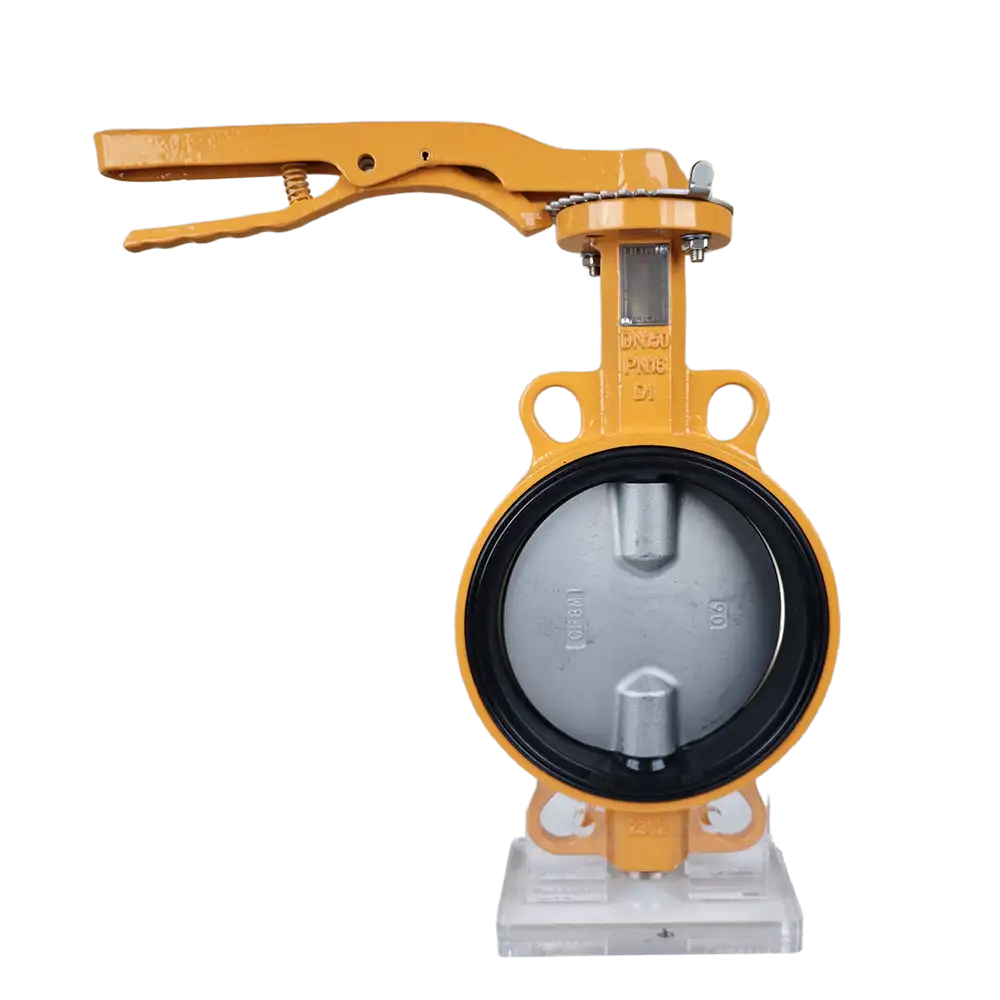
From the above section, you can see that the installation of the wafer-type butterfly valve is simple. However, minor mistakes during installation can lead to leaks and major accidents. So before you get started, here are the common mistakes you must avoid.
- Do Not Use Extra Gaskets: Almost all the wafer butterfly valves have a built-in rubber seat. This seat provides a seal between the valve and the pipe. So you should not add extra gaskets for sealing. Adding this extra gasket can prevent the valve from sitting evenly between the flanges. This can result in leaks and uneven pressure on the valve body.
- Do Not Over-Tighten Bolts: Over-tightening bolts is a very common mistake. Actually, valve manufacturers recommend an absolute torque value for tightening the bolts. Tightening this limit too much can damage the valve body. So you should always tighten bolts gradually within the recommended torque value.
- Avoid Using the Valve to Spread Flanges: Sometimes, people try to use the valve itself to push the pipe flanges apart. This is a big mistake. Forcing the valve between improperly spaced flanges can crack the valve body or damage the disc and seat. So you should always first align the flanges and their space.
- Install in Correct Flow Direction: Some wafer-type butterfly valves are bi-directional. It means they can work with the flow in either direction. However, many wafer butterfly valves are designed to handle flow in only one specific direction. Installing such valves backward can reduce performance. So always check for flow-direction markings. Make sure this direction matches the direction of fluid in your system.
Conclusion
Wafer-style butterfly valves are one of the most widely used industrial valves. You can find these valves in water plants, fire protection systems, and chemical plants. However, when it comes to installing these valves, many beginners feel overwhelmed. In this article, I have discussed some easy steps you can follow to install a wafer-type butterfly valve.
But remember, skipping any of these steps will result in improper installation. This will directly cause leaks, valve damage, and time waste. So always properly position the valve, tighten the bolts gradually, and test for smooth operation. Lastly, avoid the common mistakes I discussed that beginners can make.