
Water pumps are essential for moving water in homes, industries, and farms. However, to control water flow in these pumps, check valves are necessary. But many beginners ask: Where to install check valves on a water pump? Remember, installing the check valve in the correct direction and at the correct location is very important. Otherwise, the water will start flowing backward, damaging the entire pump. That’s why, in this guide, I will discuss where to install a check valve in water pumps to prevent leakage and damage. So let’s get started.
What is a Check Valve & How Does it Work?
Before we discuss the right installation, let’s first understand what a check valve is.
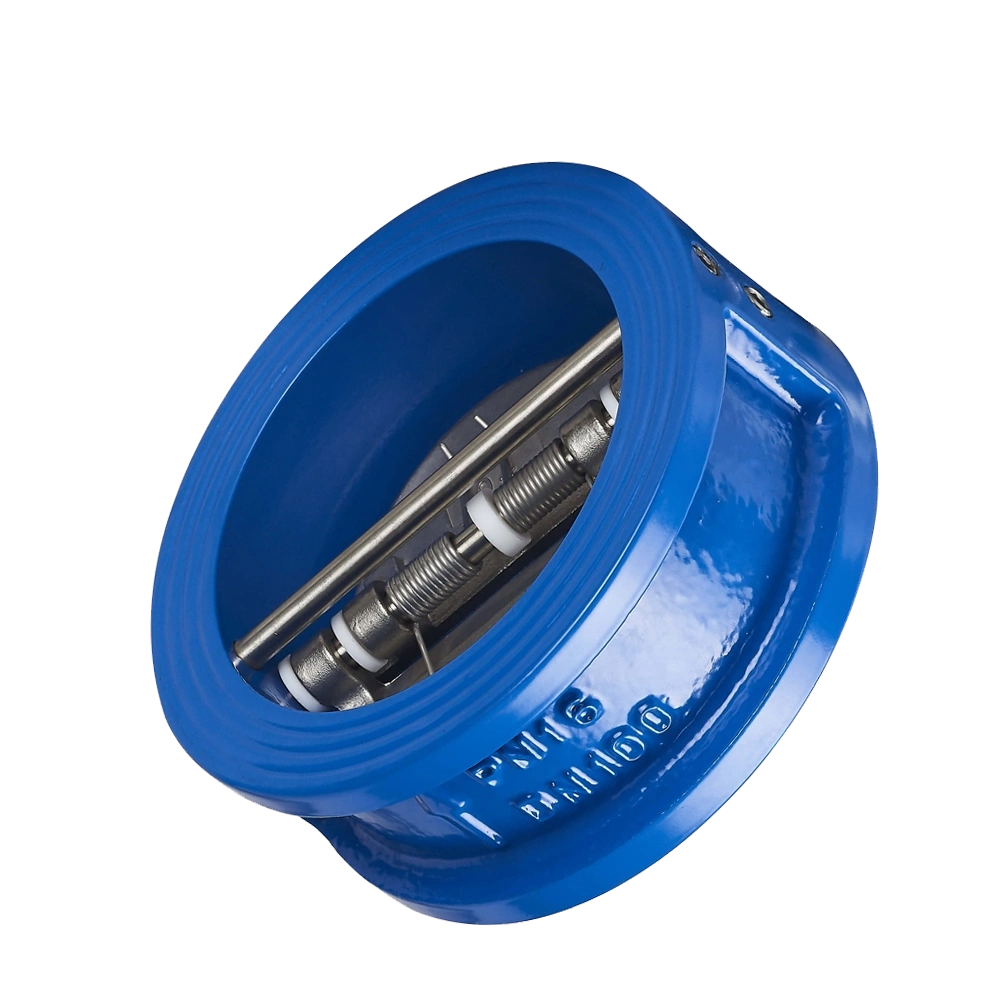
A check valve is a special valve that allows water to flow in only one direction. This valve prevents backflow, which can damage the water pump’s machinery. That’s why we can say a check valve is like a one-way door in a water pump system, ensuring water flows the right way.
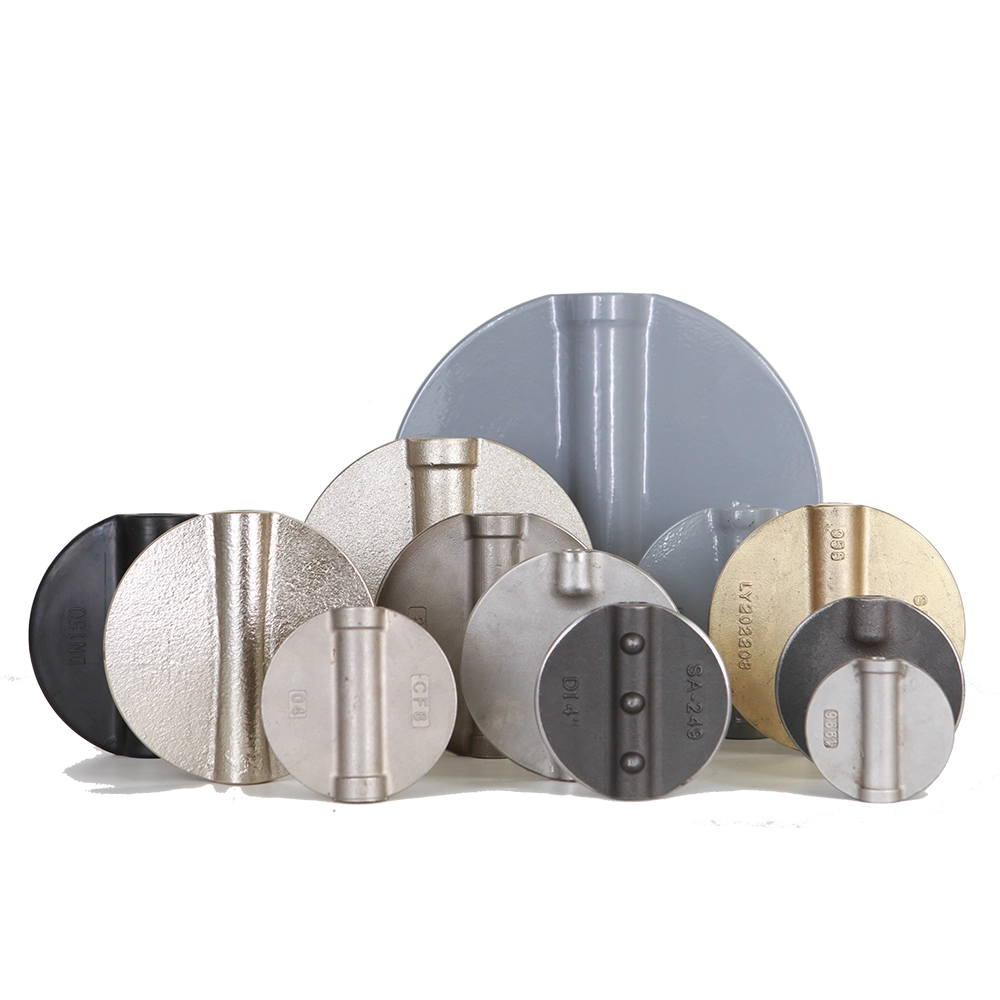
But how does a check valve actually work? Inside a check valve, there is a metal disc. When you operate the check valve, this disc tightly sits against the seat. As a result, when water tries to flow backward, it finds no path to reverse its flow. In this way, a check valve efficiently blocks the backward water flow and prevents damage.
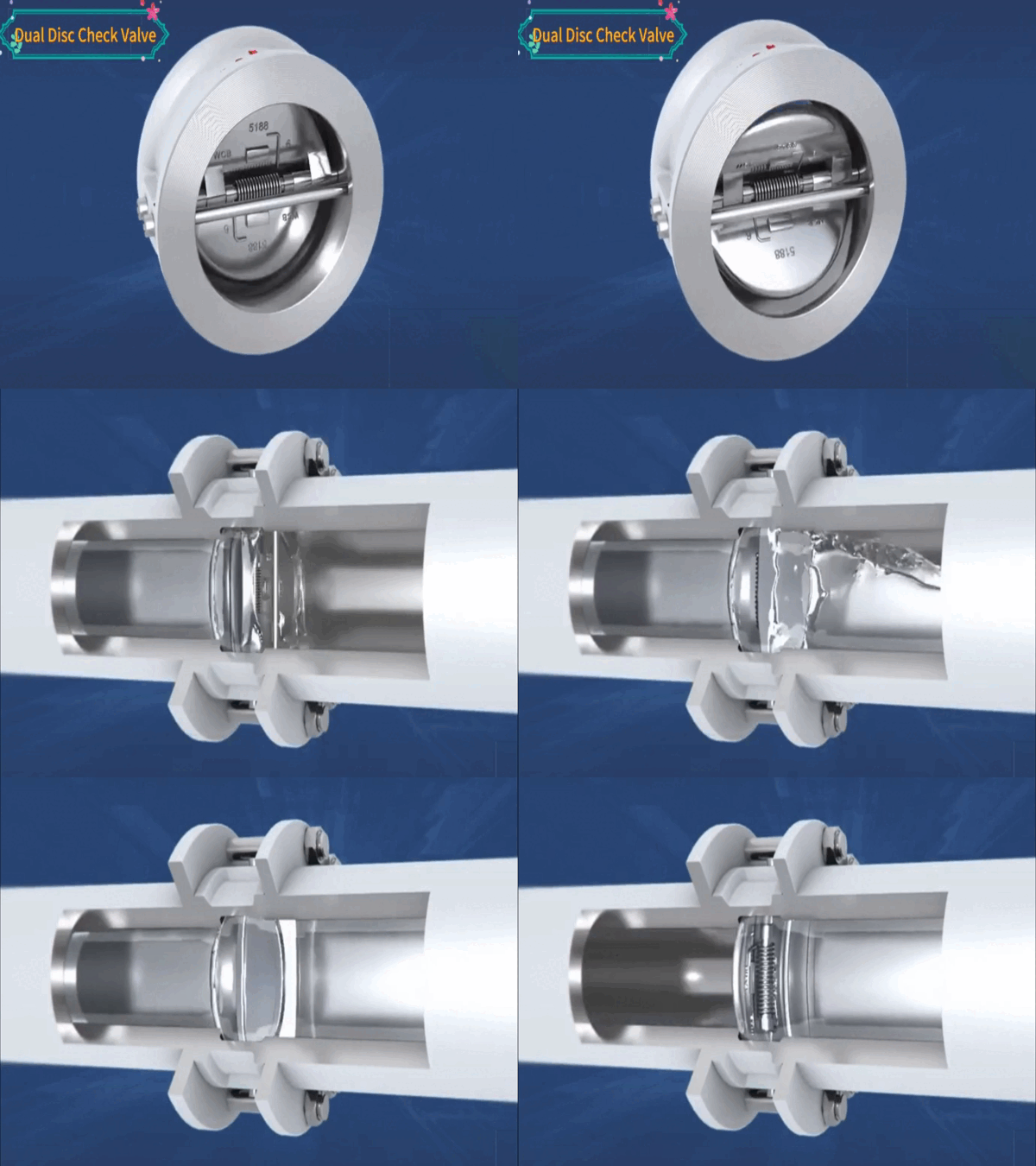
Where to Install Check Valves on a Water Pump?
Now you have a basic understanding of check valves. Right? Now, know that installing a check valve in the right spot is crucial. Usually, there are two main spots where check valves should be installed. Misplacement of the check valve in the water pump system can damage the entire pump. Let’s dive in and explain why you should install a check valve in the water system to ensure it works effectively.
1- Discharge Side Installation
The first and most common place to install a check valve in a water pump is on the discharge side. But what is the discharge side? Actually, it is the point where water leaves the water pump and enters the plumbing system or irrigation line. This is where the chance of backflow into the pump is higher.
When you install the check valve on the discharge side, it prevents backflow by automatically closing the disc. Not only that, but installing a check valve here also reduces water hammer. A water hammer is the loud banging or knocking noise in pipes. This happens when water tries to flow backward and can affect the pump’s efficiency.
However, installing the check valve on the discharge side is slightly tricky. You should always ensure the check valve is close to the pump, in a straight pipe. Avoid placing it near bends or corners, as this can reduce its efficiency.
2- Suction Side Installation
Another place to install the check valve on the water pump is the suction side. It is the point on the water pump where water enters from the source. This source can be a tank or a well. Installing a check valve here stops the water from going back to the source. In other words, check valves keep the water pumps primed.
A primed pump stays filled with water, preventing it from draining back to the source. Next time, when you start the water pump, it won’t have to work so hard to pump water. Water is already there, so it can easily pull it. However, remember that not all pumps work well with a suction-side check valve. Why?
Because if the check valve is installed incorrectly, it can make it hard for the pump to draw water. As a result, water pumps need to work hard, which can reduce their efficiency. Hence, for efficient operation of the check valve on the suction side, use it only in vertical pipes or deep water sources.

Common Mistakes You Must Avoid When Installing Check Valves on Water Pumps
At first, installing the check valves on water pumps seems very easy. However, even slight mistakes can ruin the entire installation and cause backflow, damaging the water pumps. To avoid such outcomes, here are some mistakes you must avoid when installing a check valve on either side of the water pump.
- Installing the Valve Backwards: The first big mistake is to install the check valve in the wrong direction. If you install it backward, water cannot pass through the valve. This can cause the pump to run dry or lose pressure. There is an arrow on each check valve indicating the direction of water flow. You should check this arrow before tightening the valve.
- Placing the Valve Too Far: Some beginners place the valve too far from the pumps. Due to the long distance, the valve cannot prevent backflow. So you should place the check valve as close as possible to the pump, but in a straight pipe section.
- Installing Near Pipe Bends: Installing the check valve near the water pump bend is a big mistake. Bends basically disturb the flow of water and make the valve less effective. So, always install it in a straight section of pipe.
- Over-tightening Connections: Lastly, you should never over-tighten the check valve. Over-tightening can damage threads or crack the valve body. So the results would be leakage and ultimate failure. Therefore, you should tighten the valve enough to secure it without forcing it.
Frequently Asked Questions
Can one pump have more than one check valve?
Yes, one pump can have more than one check valve if it has multiple branches. Each valve helps stop water from flowing backward in different sections of the system.
What size check valve should I use for water pumps?
You should use a check valve that matches the size of your pump’s pipe. For example, if your water pump has a 1-inch pipe, use a 1-inch check valve. Remember, using the wrong size check valve can reduce its efficiency.
Can a check valve be installed horizontally?
Yes, a check valve can be installed horizontally. However, it is only possible when the check valve is designed for horizontal installation. For example, swing check valves work well in horizontal pipes and are installed horizontally. Hence, before you install, check the manufacturer’s instructions.
Can a check valve be installed vertically?
Yes, a check valve can be installed vertically, but it must be the correct type. For example, lift check valves and spring check valves are commonly used for vertical installations.
Conclusion
Check valves are small but very efficient tools to protect water pumps. However, when it comes to installing the check valves in the right place, many feel overwhelmed. That’s why in this article, I have discussed where you should install the check valve on the water pumps. Basically, there are two places where check valves are installed. The first is on the discharge side, where water leaves the pump.
Installing the valve at this location prevents backflow of water from the water pump. As a result, the pumps remain safe and efficient in the long run. Secondly, you have to place a check valve on the suction side. On this side, the check valve prevents backflow of water to the source. As a result, the water pump doesn’t have to struggle to start. In short, installing the check valve in the right place on the water pumps prevents leakage and extends your pump life.