
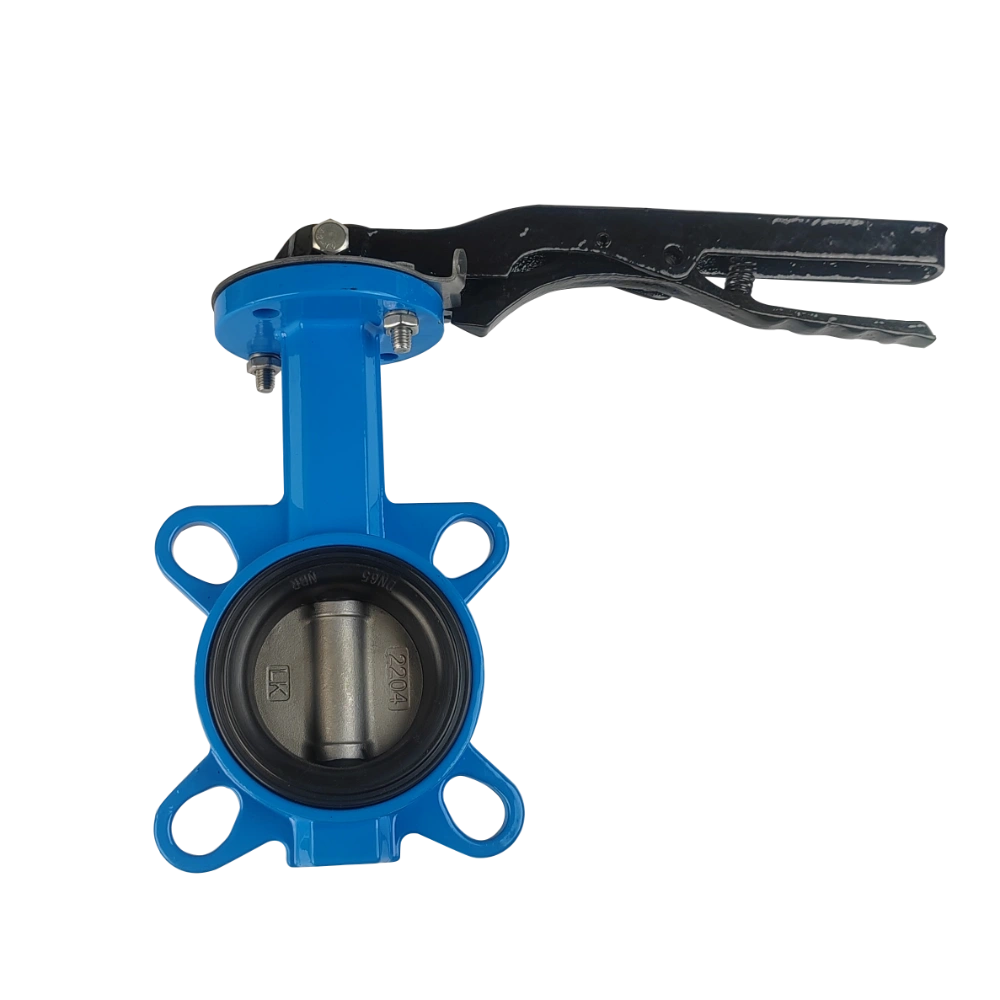
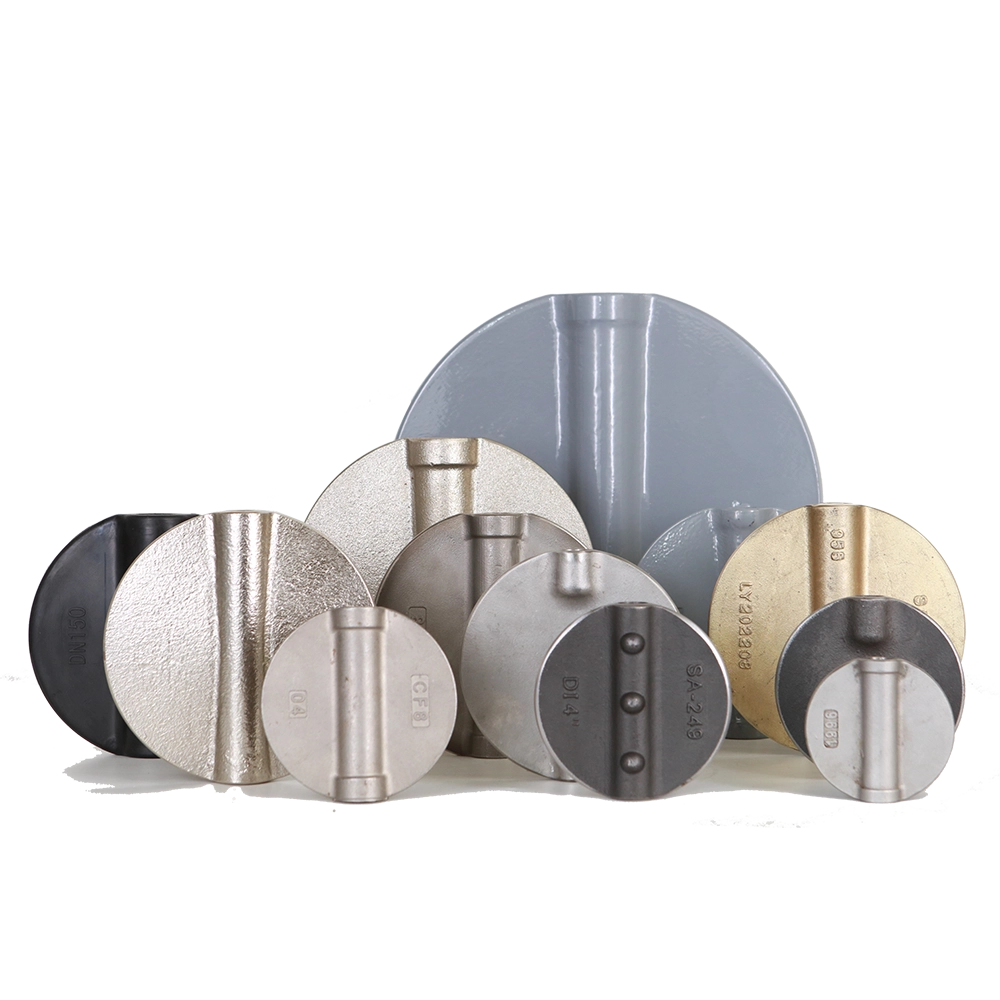
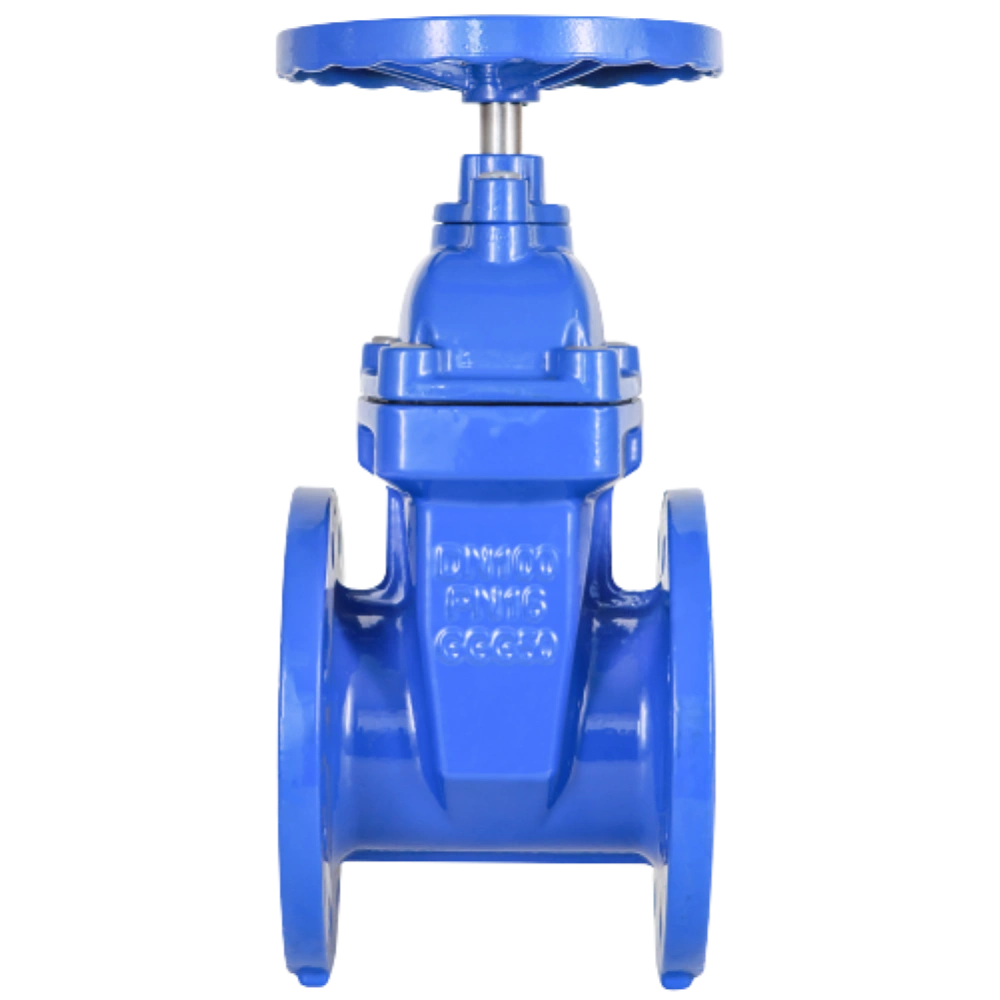
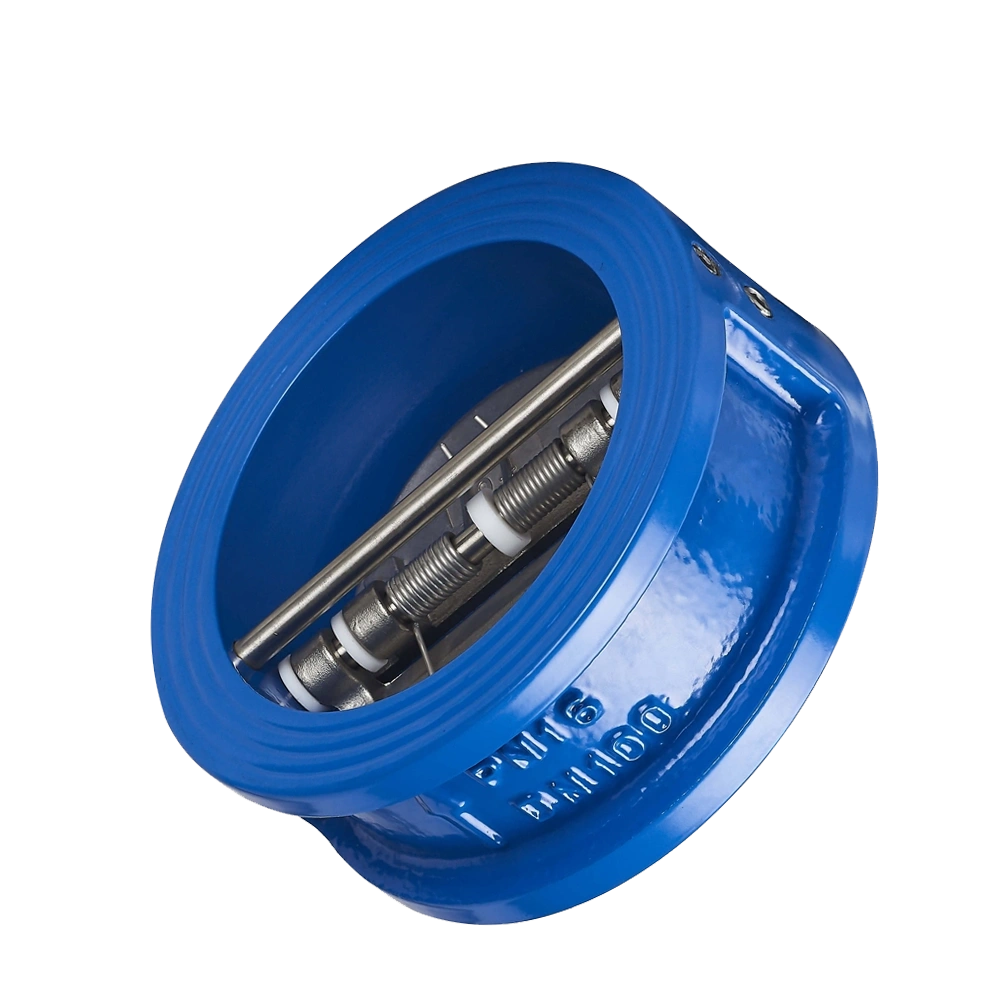


Butterfly valves are not a panacea, but you absolutely cannot do without them. Butterfly valves are essential in many industries. You’ll see them in water pipelines, oil & gas transportation, and so on. However, what sets butterfly valves apart is their throttling. You can adjust the flow or pressure of fluid using the throttling. However,…

In any industrial system, controlling the flow of fluids or gases is a very critical task. To do this safely, industries rely on various types of valves. Among those, the most advanced option is the triple eccentric butterfly valve. This type of valve is known for its high performance and tight sealing. Yet many seem…

1. High-Performance Butterfly Valves High-performance butterfly valves is typically featuring a double-eccentric disc design. They utilize specialized seats to achieve tight shutoff, low torque, and durability under high-pressure, high-temperature, or corrosive conditions. Unlike resilient-seated valves that utilize elastomer seats (such as common EPDM or nitrile rubber), high-performance seats are preferably constructed from materials like fluoropolymers,…

1. What is a Manual Butterfly Valve? A manual butterfly valve is a control device that controls the flow of fluid in a pipeline by rotating a disc. The disc, commonly called a “butterfly disc,” is mounted on a shaft or stem connected to a handle or worm gear. An actuator applies force to the…

I. Definition and Characteristics A semi-lugged butterfly valve features lugs on both sides of the valve body. However, unlike a full-lugged butterfly valve, these lugs are located only along a portion of the valve body’s perimeter, rather than along the entire circumference. This design addresses sealing requirements in low- and medium-pressure environments while also improving…

What is a 4 butterfly valve? A butterfly valve is a flow control device used in piping systems to regulate, start, or stop the flow of liquids or gases. It operates by rotating a circular disc 90 degrees to open or close the flow path. A 4 butterfly valve is a butterfly valve with a…

The debate on low-pressure VS high-pressure valves has been a popular topic in industries that use valves. Their usage of these valves is everywhere, from water systems to oil and gas pipelines. The main difference is the pressure each one can handle. Low-pressure valves are made for gentle flow and lower pressure. At the same…

Measuring pressure is essential in many industries, like automotive, HVAC, and oil and gas. Two standard units for measuring pressure are PSI and PSIG. They sound alike, but there are many differences between PSI and PSIG. PSI VS PSIG, what’s the difference? Knowing the difference can help you avoid expensive mistakes in design and performance…

Valves are essential components of any system dealing with fluids. They manage the movement, direction, and speed of the fluids. However, in engineering drawings, you can’t show the actual 3D valve. Instead, symbols represent the type of valve and its function. It is very critical to understand the types of valves symbols if you are…

Pipes are everywhere. They carry water, air, gas, and many other liquids. To control how much liquid flows in a pipe, we use a special tool called a valve. One common type is the butterfly valve. Butterfly valves are called “butterfly” because the round disc inside looks a bit like a butterfly’s wings. Turning the…

In valve systems, an additional gasket is placed between the two flanges connecting the butterfly valve and the pipe during installation. It provides a seal and prevents leakage during system operation. Butterfly valve gaskets are typically made of flexible, corrosion-resistant materials that resist deformation, such as rubber, silicone, graphite, or composite materials. In addition to…

What is a butterfly valve stem? The stem is one of the core components of the butterfly valve, responsible for transmitting torque to drive the disc to rotate and realize the opening or closing function. Therefore, the choice of stem material directly affects the performance, life, and applicability of the butterfly valve. 1. Common stem…

Lug butterfly valves are great for controlling water and other fluids in pipes. They cost less than many other valve types. Additionally, they are well-suited for a wide range of jobs. Plus, they’re easy to install and maintain. This guide helps you pick the right lug butterfly valve for your needs.

The manufacturing process of the lug butterfly valve body includes the steps of flange connection surface, seat inlay surface, top flange and drilling, top and bottom holes of the valve stem, threaded hole of the valve stem top, lug ear drilling, deburring and threading. Lug butterfly valve body manufacturing process The manufacturing of the lug…

1. What is a Wafer Butterfly Valve? A wafer-type butterfly valve is similar to a quarter-turn valve with two or four non-threaded holes (some have 0 ears). These holes help hold the valve between two pipe flanges. A long bolt or rod goes through the flanges and the valve. When you tighten the bolt, the…