
Pipes are everywhere. They carry water, air, gas, and many other liquids. To control how much liquid flows in a pipe, we use a special tool called a valve. One common type is the butterfly valve. Butterfly valves are called “butterfly” because the round disc inside looks a bit like a butterfly’s wings. Turning the handle moves this disc to let liquid flow or stop it. But did you know there are different kinds of butterfly valves? The two main ones are the concentric butterfly valve and the eccentric butterfly valve. If you have ever tried to choose one, you have probably wondered about concentric VS eccentric butterfly valve. Which one works better, and which is right for your job?
In this guide, I will explain both types in straightforward words so you can understand what they do, how they are different, and when to use each one.
What is a Butterfly Valve?
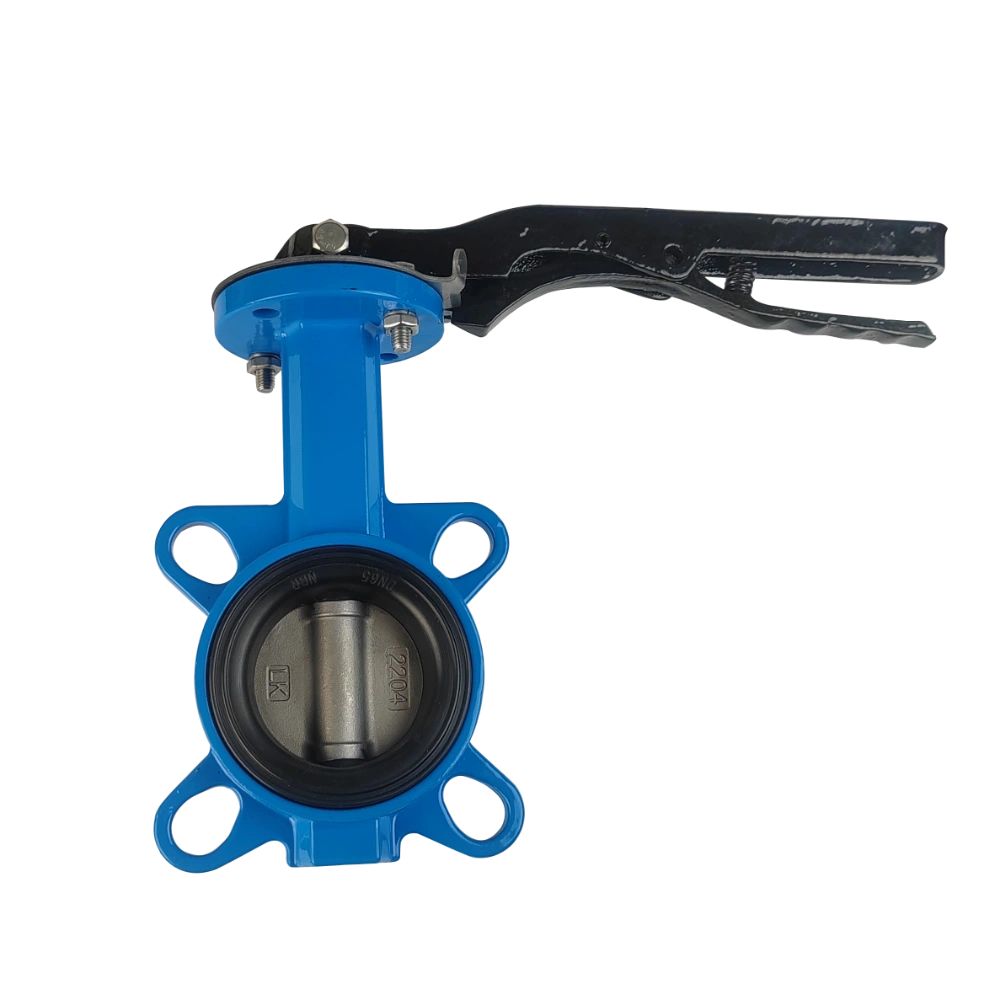
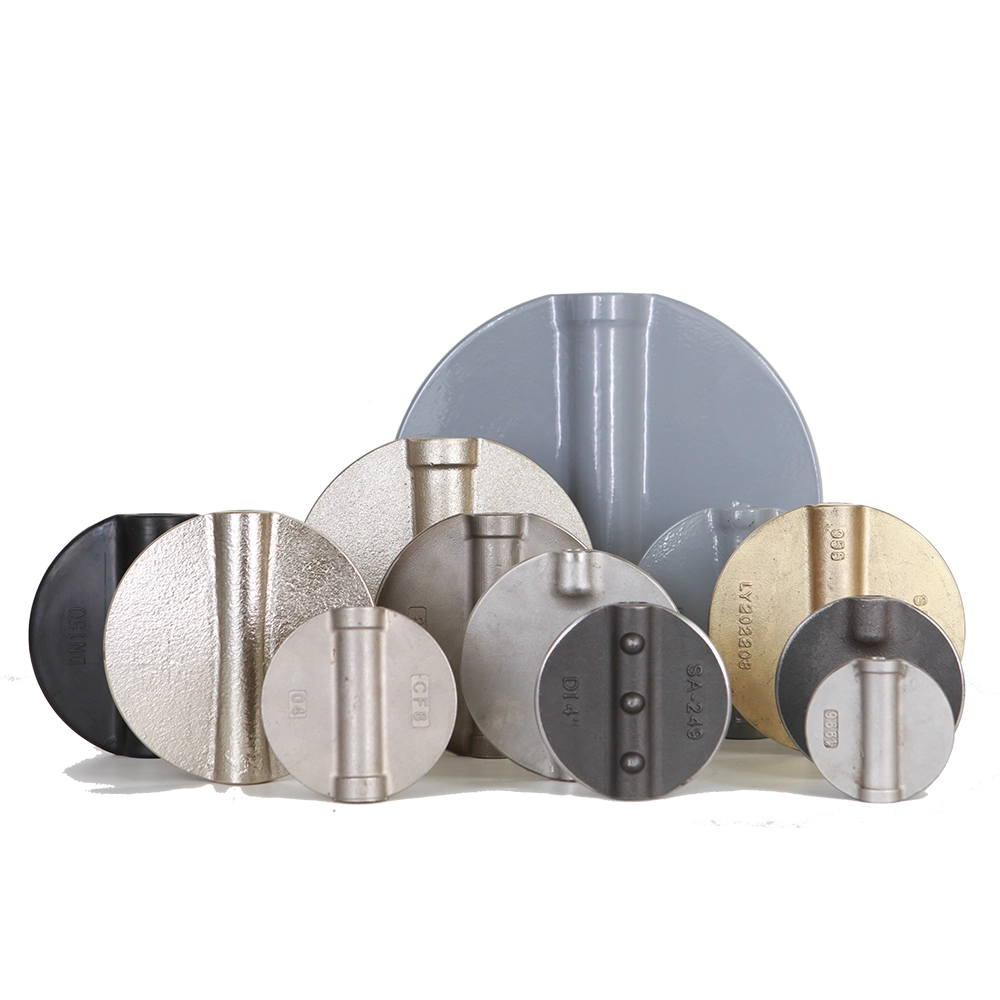
A butterfly valve is a type of quarter-turn valve used to control flow. It has a round disc mounted on a shaft in the center of the pipe. When the valve is turned, the disc rotates either parallel or perpendicular to the flow, allowing or blocking movement of the fluid.
Butterfly valves are popular because:
- They are small and do not take up much space.
- They are cheaper than many other valve types.
- They are quick and easy to open or close.
What Does “Concentric” Mean?
In a concentric butterfly valve, the disc’s shaft is right in the middle of the disc and the seat (the part that seals the valve).
This means:
- The seal touches evenly all around the disc.
- The design is simple.
- It works best for low-pressure and low-temperature jobs, like cold water or air.
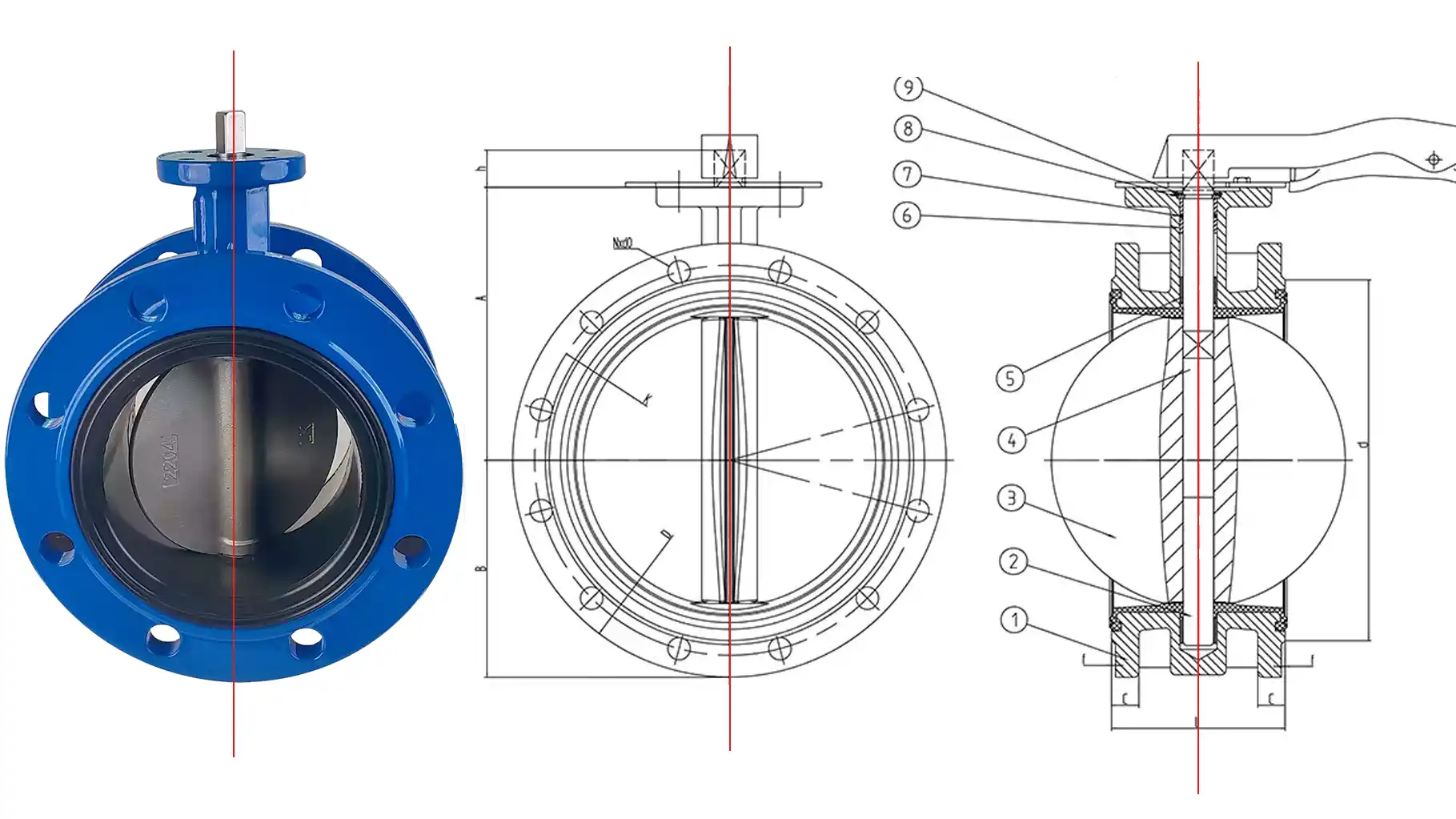
Pros of Concentric Butterfly Valves:
- Low cost
- Easy to make and fix
- Works well for everyday use
Cons:
- Cannot handle very high pressure
- Rubber seats can wear out faster
What Does “Eccentric” Mean?
In an eccentric butterfly valve, the shaft is not in the center. It is off to the side. This design helps the disc move away from the seat faster, so it wears out less.
There are different kinds:
- Single-offset: Shaft is slightly off center.
- Double-offset: The Shaft is off-center in two directions.
- Triple-offset: The Shaft is off center in three ways, usually for very tough jobs.

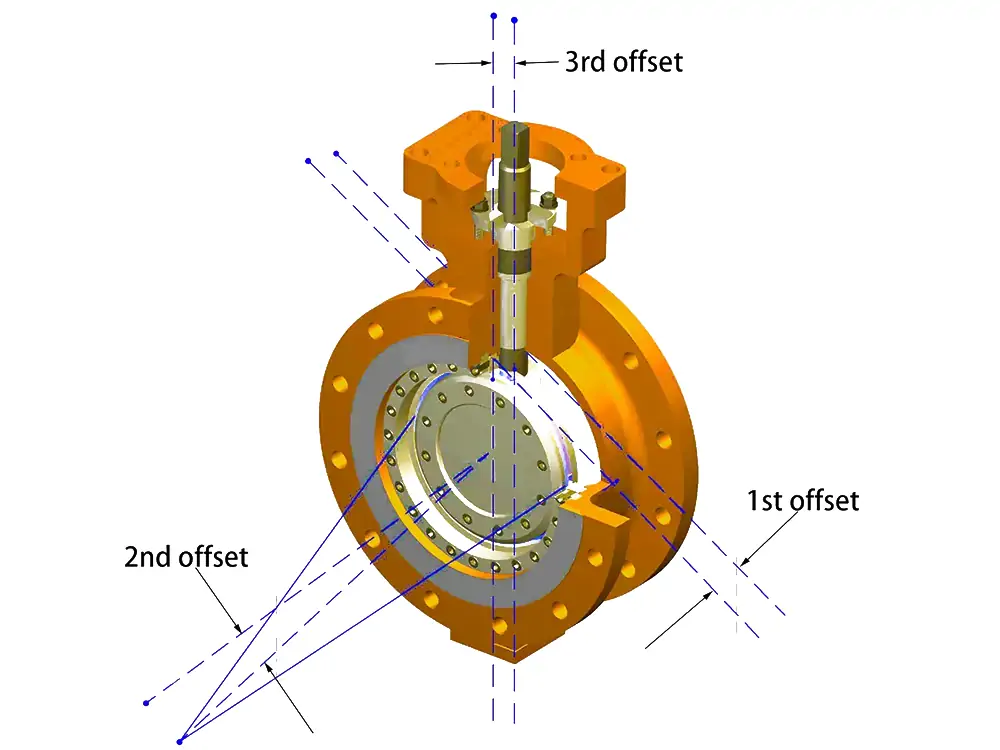
Pros of Eccentric Butterfly Valves:
- Works better in high-pressure and high-temperature
- Seat lasts longer
- Good for steam, oil, and chemical use
Cons:
- Costs more
- More complex design
Concentric VS Eccentric Butterfly Valve: Key Differences
If you are choosing between concentric and eccentric butterfly valve designs, think about what type of liquid or gas you are controlling, the operating temperature and pressure, and how often the valve will be opened or closed. Concentric valves are usually best for low-pressure, low-temperature applications, while eccentric designs are better for higher pressures, extreme temperatures, and situations where a tighter seal is needed. Also, consider factors like installation space, maintenance needs, and budget before making your choice.
How to Choose the Right Type
You should ask yourself:
- Is my system low pressure? Concentric is fine.
- Is it high pressure or high heat? Eccentric is better.
- Do I want an option in my budget? Concentric works.
- Do I need a long life and less wear? Eccentric wins.
Examples of Use
Concentric Butterfly Valve:
- Common in water treatment plants for regulating clean or treated water flow.
- Used in air conditioning systems to control chilled or warm air circulation.
- Installed in cold water pipelines for general water distribution.
- Helpful in irrigation systems for farms and gardens, ensuring a steady water supply.
Eccentric Butterfly Valve:
- Widely used in oil and gas systems where tight sealing is critical under high pressure.
- Suitable for steam pipelines to handle high temperatures without leakage.
- Found in high-temperature chemical plants for controlling aggressive or corrosive fluids.
- Used in power plants for various high-pressure and high-heat applications.
Why It Matters to Know the Difference
Using the wrong valve type can cause leaks, wear, or even damage to your whole system. That is why people often search for concentric VS eccentric butterfly valve guides before buying.
Advantages of Concentric Valves:
- Low cost: Usually cheaper to buy, which makes them a good choice if you need many valves for a project.
- Simple to use: The design is straightforward, so even people with little experience can operate them easily.
- Good for low stress systems: Works well in systems with low pressure and low temperature, like cold water or air pipes.
Disadvantages of Concentric Valves:
- Not for extreme pressure: Can leak or wear out quickly in high-pressure systems.
- Rubber seal can get damaged faster: The seal can wear down sooner if the valve is used often or with rough liquids.
Advantages of Eccentric Valves:
- Great for intense jobs: Can handle high pressure and high temperature without failing.
- Lasts longer: The design reduces friction, so the parts wear out more slowly.
- Stronger sealing: Often provides a tighter seal, making it better for preventing leaks.
Disadvantages of Eccentric Valves:
- More costly: These valves cost more to buy and sometimes more to install.
- Slightly harder to install: The design can be more complex, which requires more skill during installation.
Detailed Comparison Table: Concentric VS Eccentric
| Feature | Concentric Butterfly Valve | Eccentric Butterfly Valve |
|---|---|---|
| Shaft Position | Centered with disc | Offset from center |
| Best For | Low pressure, low temperature | High pressure, high temperature |
| Seal Contact | Full contact during rotation | Minimal contact until fully closed |
| Wear Rate | Higher due to constant seal contact | Lower due to reduced friction |
| Cost | Lower | Higher |
| Maintenance | Simple, low-skill | Requires more expertise |
| Applications | Water distribution, HVAC, irrigation | Oil & gas, steam lines, chemical plants |
| Seal Material | Usually rubber or elastomer | Metal, PTFE, or composite materials |
| Service Life | Shorter in harsh conditions | Longer even in tough conditions |
Why a Better Choice Saves Money Long Term
A concentric valve might cost less upfront, but if it wears out quickly in a high pressure system, you will spend more on replacements and downtime. Conversely, an eccentric valve may seem expensive at first, but its durability can save thousands over the life of the system.
In industrial plants, downtime can cost hundreds or thousands of dollars per hour. A wrong valve choice could mean frequent shutdowns, which is something that no facility manager wants.
Concentric VS Eccentric Butterfly Valve Installation Tips
No matter which type you choose, proper installation affects performance as much as the valve type itself.
- Check alignment: The valve should be perfectly aligned with the pipe to avoid stress and premature wear.
- Use proper gaskets: The wrong gasket can cause leaks or reduce sealing efficiency.
- Torque bolts evenly: Uneven tightening can warp the valve body or damage the seat.
- Consider flow direction: Some eccentric valves are designed for a specific flow direction. Installing them backwards can cause seal failure.
Maintenance Tips for Concentric VS Eccentric Butterfly Valves
Looking After Your Butterfly Valves
If you want your valve to last, don’t just install it and forget about it. Give it a little attention now and then:
- Turn it every so often. Open it, close it. Just so it doesn’t get stiff from sitting in one position too long.
- Peek at the seals. If you spot any cracks or rough spots, swap them out before they start leaking.
- Keep it free from dust or rust. A quick clean makes a big difference in how smoothly it works.
- If a part’s looking worn, change it right away. Waiting will only turn it into a bigger, more expensive fix.
- A bit of lubricant can help on moving parts, but only if your valve type needs it.
Little check-ups like this take minutes, but they can save you from the headache of a breakdown later.
Troubleshooting Common Issues
| Problem | Likely Cause | Fix |
|---|---|---|
| Leakage when closed | Worn or damaged seal | Replace seal; check for debris |
| Hard to operate | Rust, debris, or misalignment | Clean, lubricate, or realign |
| Noise/vibration | Cavitation or turbulence | Ensure correct sizing and installation |
| Rapid wear | Using wrong valve type for conditions | Switch to appropriate valve type |
Choosing the Right Butterfly Valve for Your Needs
The choice between concentric VS eccentric butterfly valve depends on your job needs. If you need a basic, low-cost valve for water or air, go for a concentric type. If you need to handle high-pressure, high-temperature, or tough liquids, choose eccentric.
Knowing these differences helps you make a smart choice, save money, and keep your system working well for years.