Valves are essential components of any system dealing with fluids. They manage the movement, direction, and speed of the fluids. However, in engineering drawings, you can’t show the actual 3D valve. Instead, symbols represent the type of valve and its function. It is very critical to understand the types of valves symbols if you are working with any kind of valves.
By learning these symbols, you can easily read system diagrams. This information will help you understand how fluid systems work. Also, knowing the symbol enables you to deal with any valve-related issue. Don’t feel confused if you are a newbie to this topic. This detailed guide will introduce you to valve types and their symbols, giving you all the essential information you need.
What is a Piping & Instrumentation Diagram (P&ID)?
Before we proceed to the types of valves and symbols, let’s understand the P&ID system first!

A Piping and Instrumentation Diagram, often called a P&ID, is like a map or blueprint. It shows how pipes, valves, and instruments are connected in a system. This diagram does not show the 3D model of valves. Instead, they are shown using circles, arrows, or unique shapes.
So each valve type has its own standard P&ID valve symbol. It helps engineers use it to plan and design the piping system. Moreover, it enables you to know what each part does. This diagram also proves helpful in safety. HOW? For example, it helps the safety team identify the locations of the control valves and alarms. So in any troubleshooting, it can be used to fix problems quickly.
Types of Valves and Symbols
In a P&ID, each valve type has its unique symbol. These symbols give engineers quick information about how a valve works, what it controls, and how it is operated. If you learn these symbols, you can easily read any system diagram, even without seeing the real valve. Below are the most common valve types and their symbols explained in detail.
1- Gate Valve Symbol
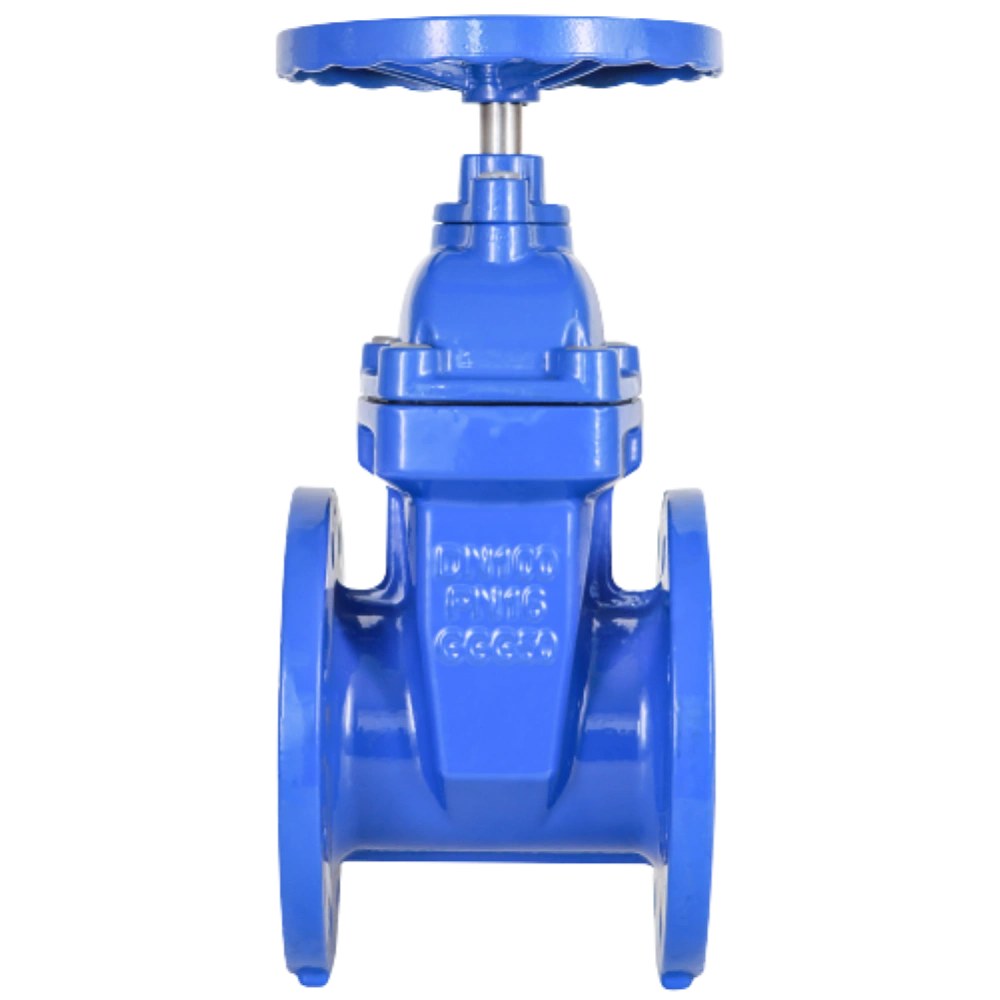
A gate valve works just like a sliding gate. When you open it, the gate moves up and allows fluid to pass. When you close it, the gate comes down and completely blocks the flow. In P&ID, a gate valve symbol is shown as two parallel lines with a small wedge or triangle between them. That wedge represents the gate inside.
It is mainly used in water supply pipelines, oil and gas pipelines, and also in various chemical plants. Gate valves are perfect for on/off control. However, they are not suitable for controlling the speed or amount of flow. When you need a fully on or fully off function, these are the most reliable valves. They also cause minimal pressure drop when open, which makes them an excellent choice.
2- Globe Valve Symbol
A globe valve is named for its round body shape. Inside, it has a plug that moves up and down to control the flow. You can open it fully, close it completely, or keep it partially open for controlled flow. In P&ID, the symbol looks like a circle with a short horizontal line or an S-shaped curve inside it. This shows the internal path the fluid takes.
It is used in steam systems, cooling water systems, and fuel supply lines. Globe valves are great for flow regulation. Unlike gate valves, they allow you to control how much fluid passes through. This makes them ideal for systems where you need precise control over pressure and flow.
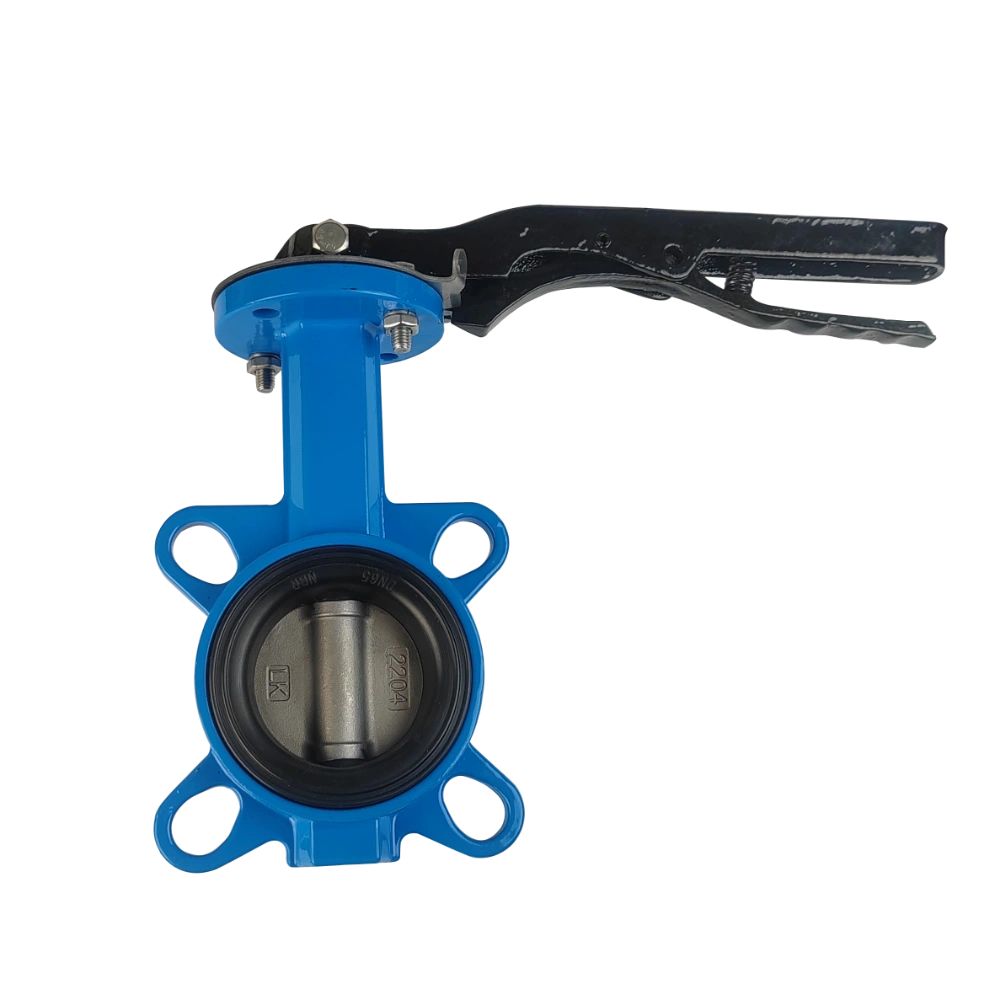
3- Butterfly Valve Symbol
A butterfly valve has a thin disc in the center. The main butterfly valve parts are the body, disc, stem, and seat. Turning the disc changes the flow from open to closed.

In P&ID, the butterfly valve symbol is a circle with a diagonal line through it. The line represents the disc inside.

It is used in HVAC and water distribution systems. It also works well for food and beverage processing. Butterfly valves are lightweight and take up less space than other valves. They are suitable for large-diameter pipes and are quick to operate.
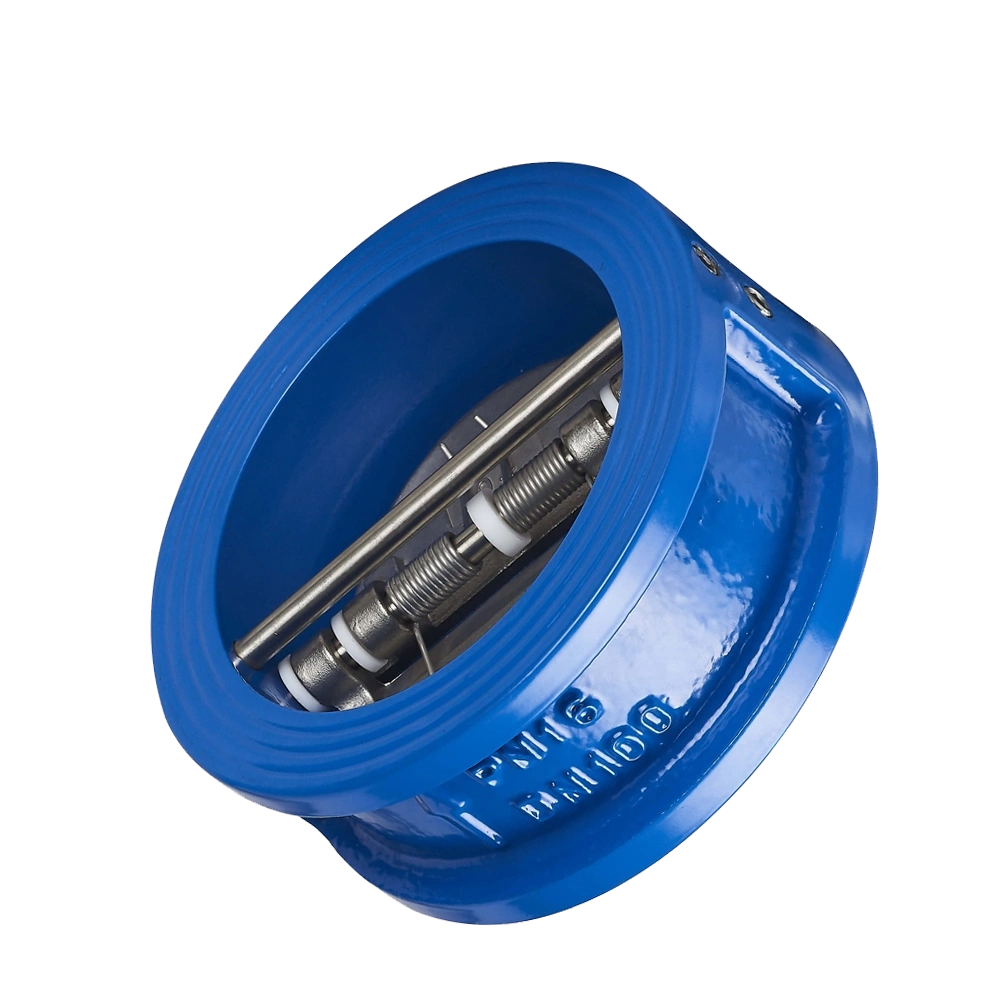
4- Check Valve Symbol
A check valve allows fluid to flow in only one direction. The main parts are the body, disc, and seat. The disc opens when fluid flows forward and closes if the flow tries to reverse. In P&ID, the check valve symbol is a line with an arrow inside a small circle or wedge.
The arrow shows the direction of flow. Check valves are used in pumps, pipelines, and water systems. They prevent backflow, which can damage equipment or contaminate the system. They work automatically without the need for manual control. Check valves are low-maintenance and have a long service life.
5- Plug Valve Symbol
A plug valve is similar to a ball valve, but instead of a sphere, it has a solid cylindrical or conical plug. The plug has a passage drilled through it that aligns with the pipe when open. In P&ID, the plug valve symbol is similar to the ball valve symbol, but with a solid-filled shape or a diamond inside.
It is used in chemical industries and slurry and viscous fluid systems. Lug valves are durable and straightforward. They can handle thicker fluids that might clog other valve types. Plug valves also offer quick quarter-turn operation for fast opening and closing. They provide a reliable seal and require little maintenance.
6- Diaphragm Valve Symbol
A diaphragm valve uses a flexible membrane (diaphragm) to block or allow flow. The diaphragm is pressed down onto a seat to close the valve. In P&ID, its symbol shows a horizontal line across the valve body with a curved line above it, representing the diaphragm.
It is mainly used in pharmaceutical manufacturing and water treatment plants. They are also great for food and beverage processing. Diaphragm valves are hygienic and corrosion-resistant. The fluid doesn’t touch the moving parts, which makes them perfect for clean and sterile processes.
7- Pinch Valve Symbol
A pinch valve works by pinching a flexible tube inside the valve to stop flow. These valves also help prevent contamination, which is essential in food and medicine production. In P&ID, the symbol usually shows two parallel lines called the tubing, with a thick solid bar across them called the pinch.
It is used in slurry systems, powder transport lines, and food product handling. Pinch valves are simple and clean. The fluid only touches the tubing, making them suitable for abrasive or food-grade materials. They are light and affordable, so they work well in many industries.
8- Needle Valve Symbol
A needle valve uses a long, pointed plunger (needle) that fits into a matching seat to control minimal flow rates. In P&ID, the symbol often shows a sharp arrow pointing toward a seat, inside the generic valve body. They can handle high-pressure systems without leaking.
It is used in laboratory equipment and gas and liquid sampling. Needle valves give precise flow control and are perfect for fine adjustments in sensitive systems. Needle valves are durable and provide consistent performance over time. They are also helpful in calibration tasks where exact flow measurement is essential.
9- Angle Valve Symbol
An angle valve changes the flow direction by 90 degrees. It can also control flow like a globe valve. In P&ID, the angle valve symbol looks like a globe valve but with an angled outline showing the change in direction. They are easy to install and maintain due to their simple design.
It is used in cooling systems and steam lines. It is also great for high-pressure applications. Angle valves are space-saving because they change the flow direction. They also offer good throttling ability. They are also durable and perform well under continuous use.
Importance of Valve Symbols
The valve symbols may seem like small diagrams. However, their use and applications make the world easier for engineers. Here are some key applications of valve symbols or P&ID diagrams:
- System Design: Knowing symbols helps engineers design and plan the system more efficiently. During the planning phase, they can specify which valve type will be used by checking the symbol.
- Valve Installation: P&ID ensures the correct valve installation and prevents costly mistakes. Remember, installing the wrong valve type can be useless. It won’t serve the desired flow regulation optimally. The valve symbols also understand the flow of the fluid inside the pipeline.
- Faster & Accurate Repairs: The technician checks the symbol before starting the repair work. In this way, they open the correct valve, ensuring quick problem-solving. Additionally, identifying problems becomes easier.
- Better Communication: One of the prominent advantages of valve symbols is ease of communication. Anyone with P&ID symbols will understand the specific valve type, fluid control method, and basic functionality. This makes the fitting and future troubleshooting easier and more efficient.
- Emergency Response: Valve symbols are also helpful in responding to emergencies more effectively. If there is a leakage, the engineers check the valve symbol and shut the correct valve. This is especially beneficial in oil and gas pipelines, where leakages can cause significant accidents.
Conclusion
A Piping & Instrumentation Diagram is handy, indicating specific symbols for each valve. These symbols give all the key information about valve functionality and actuation methods. Suppose you’re at the gas pipeline, which has multiple valves for efficient and controlled fluid flow. If you have P&ID (symbols), you’ll be able to understand the complete valve system installed in those gas lines. In this article, I have discussed various valve types along with their symbol and meanings.