
Measuring pressure is essential in many industries, like automotive, HVAC, and oil and gas. Two standard units for measuring pressure are PSI and PSIG. They sound alike, but there are many differences between PSI and PSIG. PSI VS PSIG, what’s the difference? Knowing the difference can help you avoid expensive mistakes in design and performance checks.
Some people believe that the PSI pressure measurement unit is superior to PSIG. Is that correct or just a myth? Remember, both of these units serve the same purpose, i.e., denoting pressure per square inch. So, neither of them is superior to the other. In this article, we will discuss these two units and their fundamental differences. So, let’s get started!
Basic Rundown of PSI & PSIG
Before we explore PSI VS PSIG, let’s first understand what they are.
PSI stands for Pounds per Square Inch. It is a conventional unit that measures the pressure on a specific area. However, when pressure is measured in vacuum conditions, it is referred to as PSIA (absolute). Suppose you have a box with 40 PSIA pressure. It means that each square inch inside the box is experiencing a pressure of 40 pounds.
Interestingly, this unit (when absolute) generally includes atmospheric pressure in its calculation. As you know, the atmosphere exerts a pressure of about 14.7 PSI at sea level. Our body is constantly exposed to this pressure, but we don’t feel it because we have become accustomed to it. The PSIA unit includes this atmospheric pressure.
For example, if the box has 40 PSIA, it means that 14.7 PSI of this is atmospheric pressure. On the other hand, PSIG is different because it does not include atmospheric pressure in its calculation. PSIG stands for Pounds per Square Inch Gauge. This unit measures pressure relative to atmospheric pressure.
Using the previous example, if the box has 40 PSIG pressure inside, this 40 PSIG does not include atmospheric pressure. It represents pressure above atmospheric (sea level) pressure. Both of these units are used to measure pressure. We can convert PSI (absolute) into PSIG by knowing the value of atmospheric pressure.
PSI (absolute) to PSIG conversion:
PSIG = PSIA − 14.7
PSIG to PSI (absolute) conversion:
PSIA = PSIG + 14.7
PSI VS PSIG: Key Differences
Before we look at the differences, you should know what the terms mean. PSI stands for Pounds per Square Inch, which is a standard way to measure pressure in the imperial system. PSIG stands for Pounds per Square Inch Gauge, which measures pressure relative to atmospheric pressure. Now, let’s go over the PSI VS PSIG in detail.
1- Difference in Basic Definition
The main difference starts with what each term means. PSI (Pounds per Square Inch) is a basic unit for measuring pressure. It doesn’t say whether the reading is compared to absolute pressure or atmospheric pressure. It depends on the context. For example, PSIA means absolute pressure and PSIG means gauge pressure, but both use PSI as the unit.

PSIG (Pounds per Square Inch Gauge) is more specific. It measures pressure compared to the surrounding air pressure. A PSIG reading of zero means the pressure inside the system is the same as the ambient air pressure. This matters because PSIG does not include atmospheric pressure in its reading. PSI can mean either absolute or gauge pressure, depending on the context.
2- Reference Point for Measurement
PSI can use two reference points: absolute zero pressure or atmospheric pressure at sea level, which is about 14.7 PSI. When written as PSIA, it uses a vacuum as the baseline. When written as PSIG, it uses atmospheric pressure. Without the suffix, PSI can be unclear. So always check which reference point is being used to ensure accurate pressure readings.
PSIG always uses atmospheric pressure as its baseline. It measures the amount of pressure above atmospheric pressure. For example, a tire gauge reading 35 PSIG means the tire’s pressure is 35 PSI above atmospheric pressure. It does not show the total pressure, including the air pressure. This clear baseline makes PSIG common in everyday use.
3- Inclusion of Atmospheric Pressure
One big difference between PSI and PSIG is how they handle atmospheric pressure. PSI can include atmospheric pressure when shown as PSIA (absolute pressure). This means the reading measures from a perfect vacuum and consists of the 14.7 PSI of air at sea level plus any extra system pressure.
PSIG does not include atmospheric pressure. It only measures the pressure above it. For example, if the absolute pressure is 50 PSIA, the gauge pressure would be about 35 PSIG. This is because it subtracts 14.7 PSI for atmospheric pressure. Knowing which type of PSI is being used is vital because mixing them up can cause errors that affect safety and performance.
4- Common Applications
PSI is a general term used in both science and industry. You’ll see it in product specs, experiments, engineering designs, and anywhere pressure needs to be measured. But if PSI is written without PSIA or PSIG, you need to confirm which one it means. PSI is used in many fields, from aerospace to food processing.
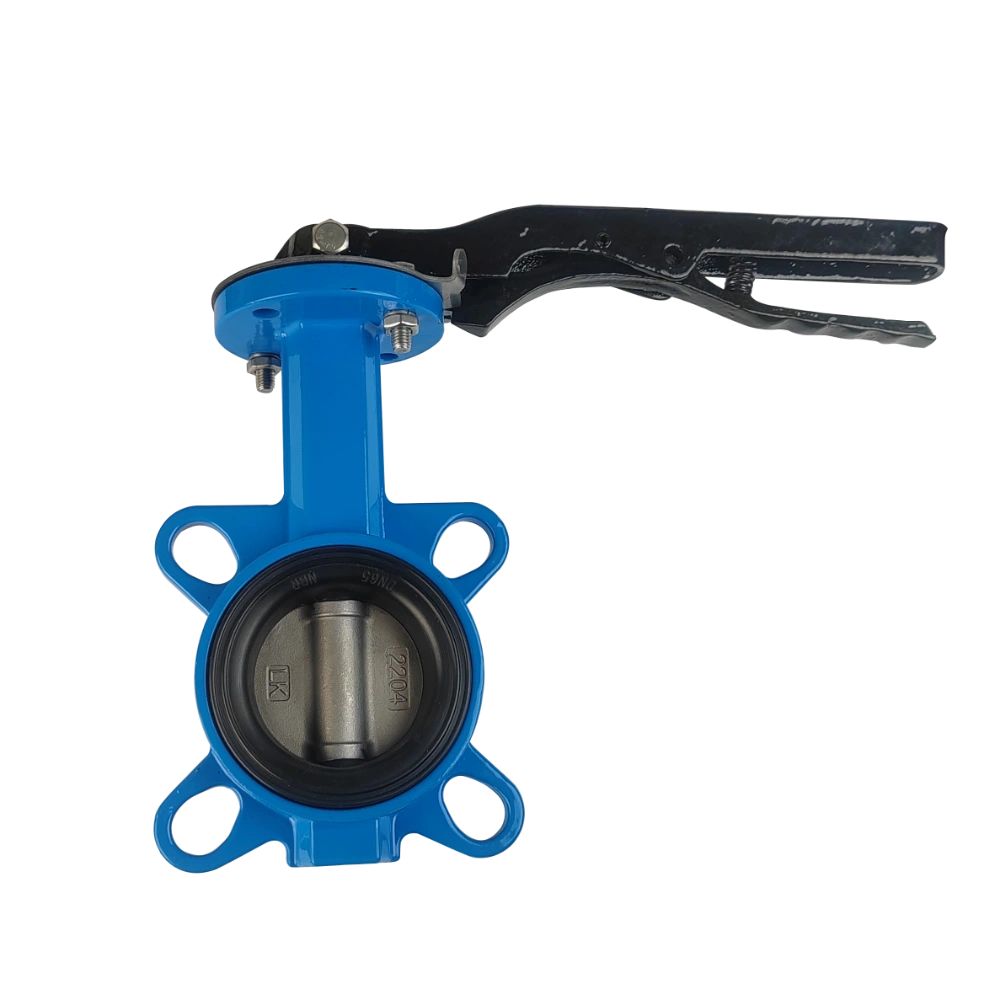
PSIG is much more common in everyday situations. It’s used for monitoring HVAC systems and measuring air compressor output. Many industrial systems also rely on the Butterfly Valve to control fluid flow efficiently. Most gauges show PSIG because people usually only care about pressure above normal air. This makes PSIG the preferred choice for most hands-on work.
5- Reading Instruments and Gauges
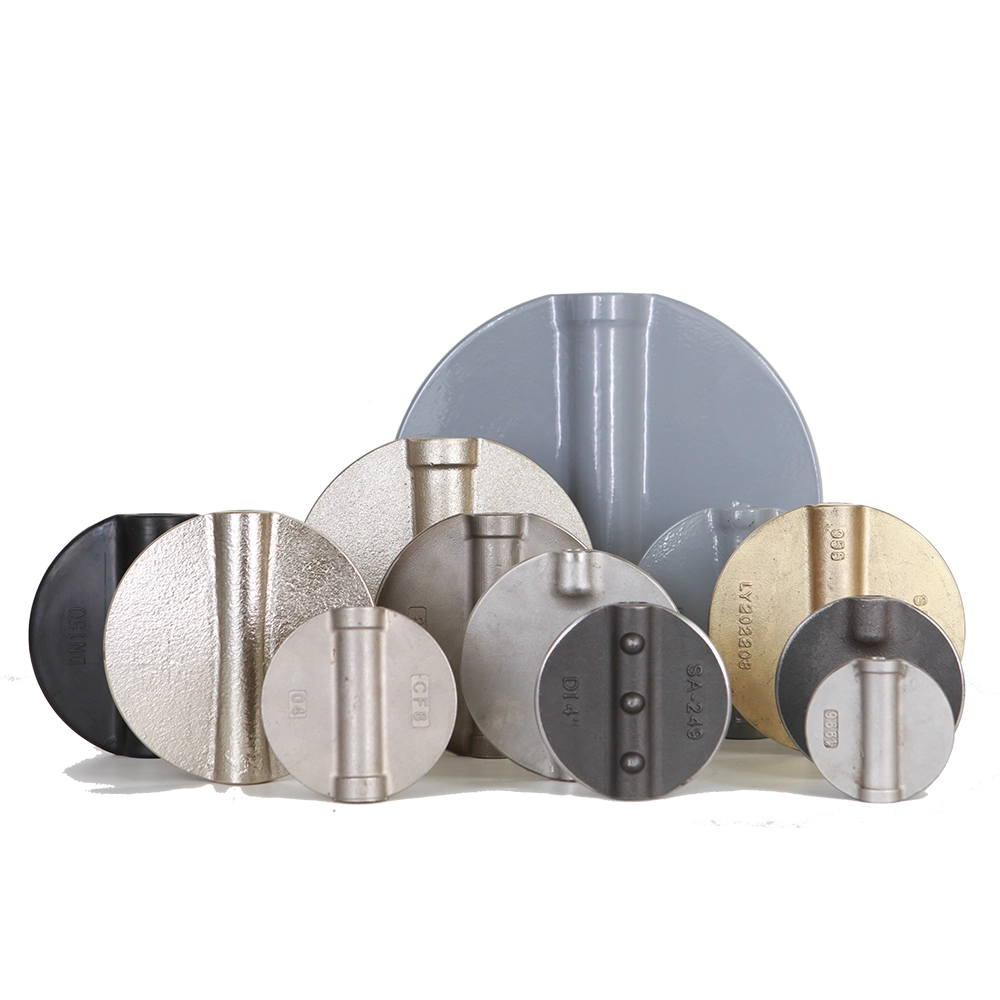
PSI instruments can measure either absolute pressure (PSIA) or gauge pressure (PSIG). This entirely depends on how they are calibrated. Operators must also consider parts like the Butterfly Valve Part when monitoring pressure. One type might include atmospheric pressure in the reading, while another leaves it out. This can make PSI readings confusing if the type isn’t specified.

A PSIG gauge is always set so that zero equals normal air pressure. That’s why a tire gauge reads zero when it’s not attached to anything pressurized, even though air pressure is still present. Knowing which type of gauge you have is essential to avoid mistakes. Using the wrong reference could lead to incorrect calculations or even unsafe conditions.
6- Impact of Altitude
Altitude changes affect PSIG readings more than PSI in absolute terms. As you go higher, atmospheric pressure drops, so a PSIG reading will change even if the system’s actual pressure stays the same. For example, a tank showing 50 PSIA will give one PSIG value at sea level and a different one in the mountains.
Absolute PSI (PSIA) doesn’t change with altitude because it measures pressure from a perfect vacuum, not from the air around it. This makes PSIA more reliable for scientific comparisons. PSIG, however, is better for everyday use when local air pressure matters. Absolute PSI is often used in labs and research, while PSIG is common in field tools and gauges.
7- Suitability for Precision
PSIA is ideal for precision tasks like lab experiments, aerospace projects, and chemical processes. It measures from a perfect vacuum, giving a fixed reference unaffected by altitude or weather changes. This makes it highly reliable for accurate calculations when you need to know the absolute pressure.
PSIG works best for everyday use in pipelines, boilers, and vehicle tires. It measures pressure above local atmospheric levels, making it easy for operators to read and understand. While less precise than PSIA, it’s practical for quick checks and fieldwork. This is important when only excess pressure matters for safety and performance.
8- Zero Reference Reading and Calibration
A key difference between PSI and PSIG is their zero reference point and how gauges are set up. PSI can mean either absolute pressure (PSIA) or gauge pressure (PSIG), which can be confusing if not clearly stated. For PSIA, zero means a perfect vacuum. So, if a PSIA gauge reads zero, it means there is no pressure at all, not even air pressure.
A PSIG gauge is calibrated so zero equals normal atmospheric pressure, which is why it reads zero at sea level despite air pressure being about 14.7 PSI. This calibration difference affects pressure readings. So devices measuring absolute pressure use different settings from those for gauge pressure. Correct valve pressure unit conversion ensures equipment settings match readings accurately.
Conclusion
PSI VS PSIG can be confusing, especially for those who are newbies. Remember, PSI is incomplete without a suffix. Generally, pressure is measured with a specific reference. When we say PSI, we don’t mention what the reference point for this measurement is. However, PSIG has a reference point as it measures pressure using atmospheric pressure as a baseline.
On the other hand, PSIA refers to measuring pressure by taking a vacuum as the baseline. Remember, PSI is generally a term, and both PSIA and PSIG are subtypes of this. In this article, I’ve explained all the differences between PSI and PSIG. Remember, if you have PSI, you can easily calculate PSIG and vice versa using the conversion formula.