
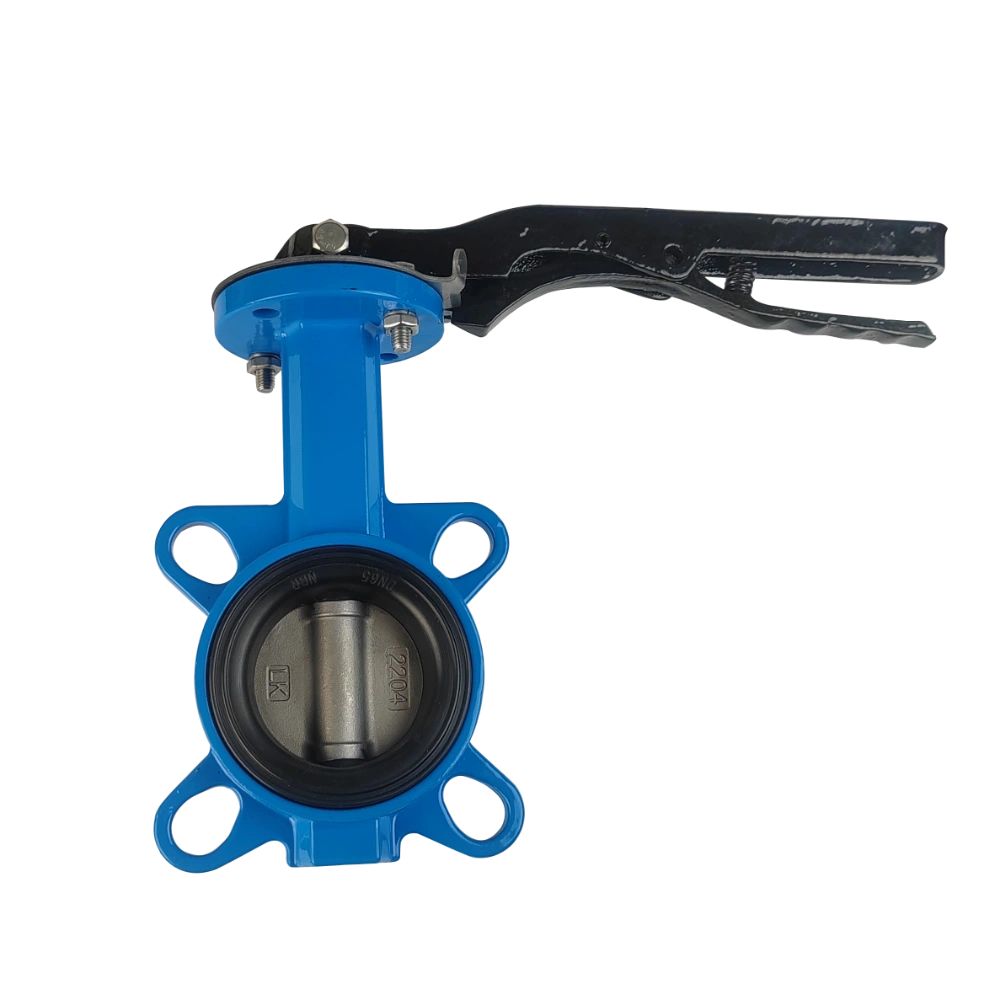
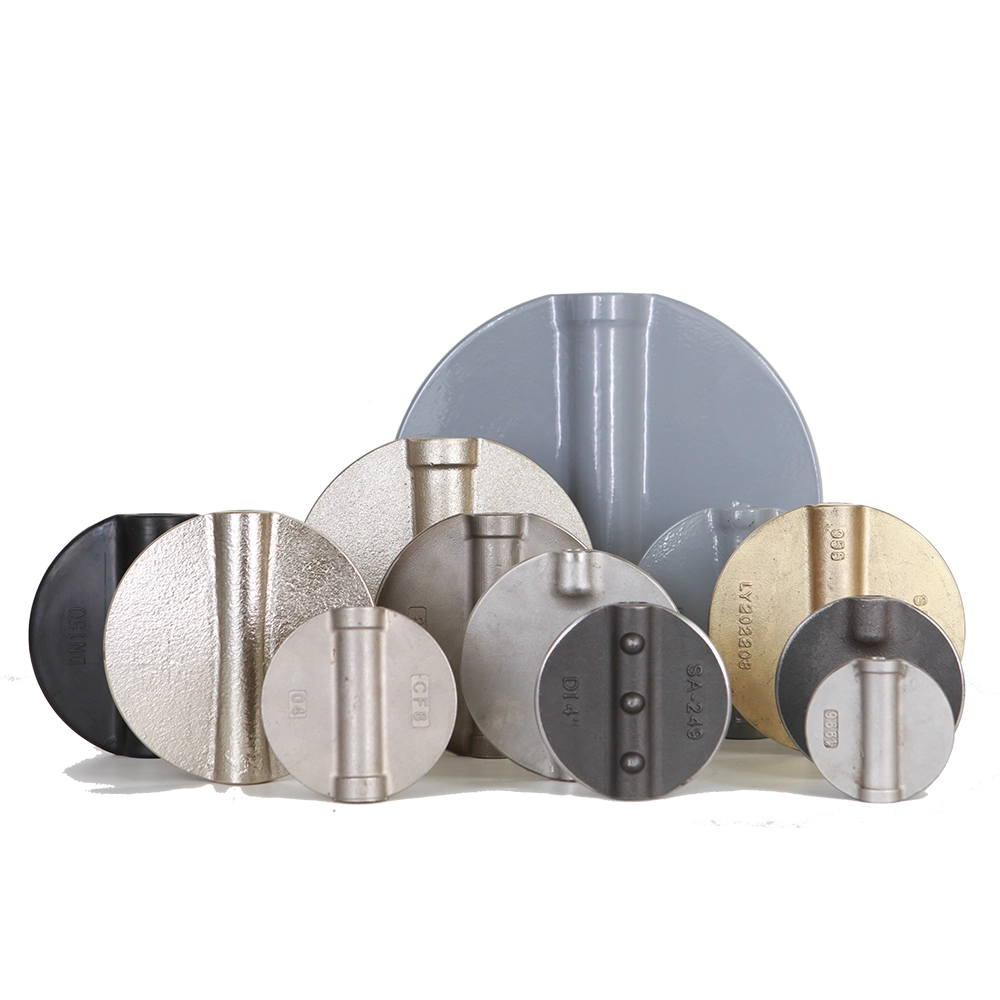
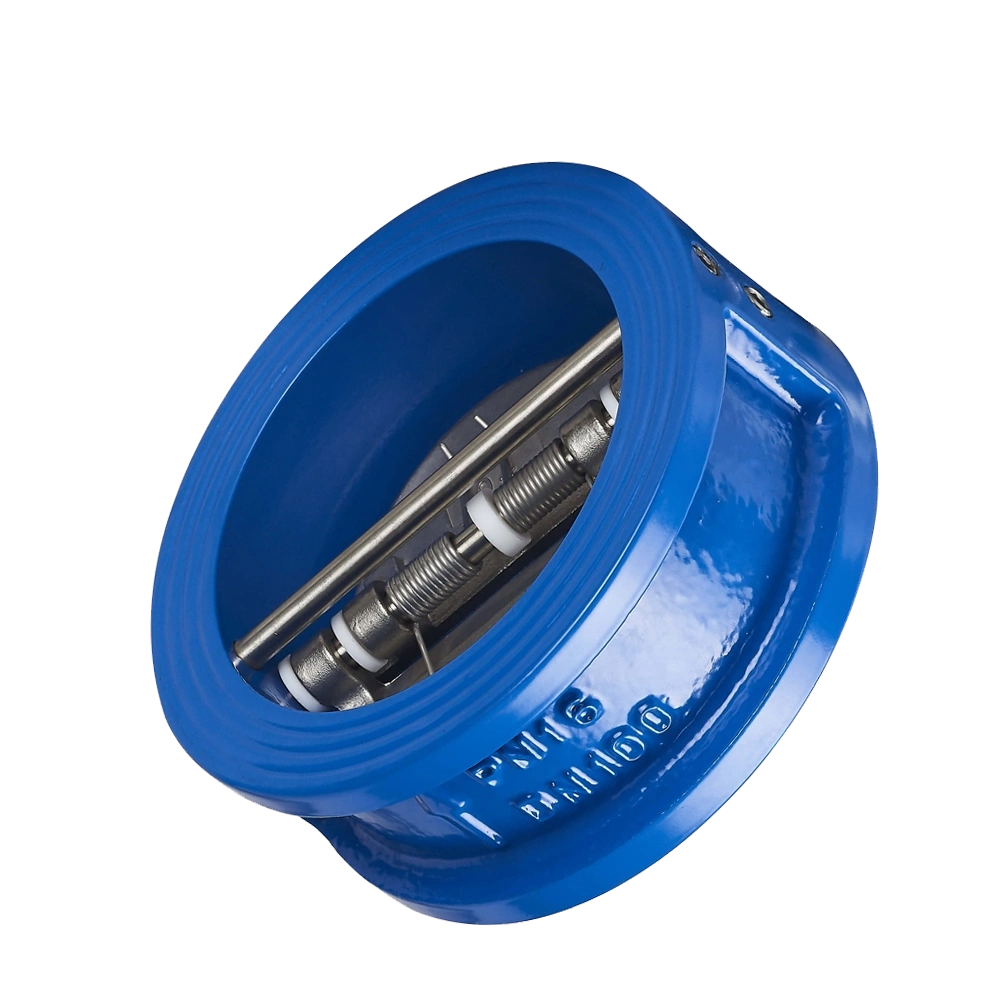
The debate on low-pressure VS high-pressure valves has been a popular topic in industries that use valves. Their usage of these valves is everywhere, from water systems to oil and gas pipelines. The main difference is the pressure each one can handle. Low-pressure valves are made for gentle flow and lower pressure.
At the same time, high-pressure valves are built for strong flow and challenging jobs. Knowing the difference helps to choose the best valve to control water flow. Interestingly, both valve types differ in terms of their pricing, which is the primary reason for their direct comparison. In this article, I will compare low-pressure and high-pressure valve heads head-to-head.
Overview of Low Pressure & High Pressure Valves
Before discussing differences, let’s have a bird’s-eye view of the basics of these two valves.
Low-pressure valves are designed to withstand pressures below 300 PSI. These valves are generally weaker and not ideal for heavy-duty applications. They are typically made of PVC, aluminum, or brass. These valves can get damaged if exposed to pressure higher than 300 PSI.
These low-pressure valves are used in water pipelines and irrigation systems. Pressure in these pipelines is generally low and can be easily handled by the low-pressure valves. Even the sealing of these pressures is also weaker, made of rubber materials. These valves are also cheaper, which is the primary selling point.

The high-pressure valves are more expensive, durable, and strong. They come with higher pressure ratings. They can handle pressures up to 300 PSI and go up to 1000 PSI or even higher. These valves are generally made of stainless steel, which makes them robust.
As you know, the oil and gas pipelines require a more careful approach. Even a minor spillage of oil or gas can create major accidents. So these high-pressure valves are used in these cases. They withstand extreme pressure with ease and do not experience leakage. Their usage is also common in hydraulic machinery, power plants, and high-pressure steam lines.
Low Pressure VS High Pressure Valves: Key Differences
Low-pressure valves are affected by the materials used, their size, and various safety features. When we look at each of these factors closely, we can easily pick the correct valve for the job. Now we will explain the main differences so you can see how each type works.
1- Pressure Handling Capacity
The main difference between low-pressure and high-pressure valves is the amount of force they can withstand. Low-pressure valves usually work with pressures under a few hundred PSI. The low-pressure system makes them suitable for things like irrigation systems or small water pipes. They are also easier to install and maintain compared to high-pressure valves.
High-pressure valves, on the other hand, can handle thousands of PSI. They are needed in oil drilling or hydraulic machines. This difference comes from their design and materials. High-pressure valves often have thicker and stronger seals. They also have special coatings to handle the extra force. By consulting an Industrial valve manufacturer, you can choose the correct valve for your system.
2- Material Strength and Durability
The material used makes a big difference in how low-pressure and high-pressure valves work. Low-pressure valves are often made from lighter materials like PVC, brass, or mild steel. This is because they don’t have to handle powerful forces. These materials cost less and are easier to install, but they can wear out faster in harsh conditions.
High-pressure valves use strong metals like stainless steel or treated alloys. These can resist cracking and bending under heavy pressure. These stronger materials make high-pressure valves more costly. But they also last much longer in harsh environments. Choosing the right material helps keep the system safe and reliable for years.
3- Wall Thickness & Seal Type
The low-pressure valves come with thinner and smoother walls. There is no reinforcement of material on the walls. Additionally, the seals of these pressure valves are also lightweight. They are made with lighter materials such as rubber or silicon. These thin walls make them less durable and less able to withstand lower pressure.
On the other hand, high-pressure valves come with thicker walls. The material on the wall is reinforced to handle higher pressure. Their seals are also robust, made of PTFE or even reinforced composites. The enforced material in the walls makes the high-pressure valves more bulky and heavier.
4- Application Areas
Knowing where each type is used helps you choose the right one and avoid expensive repairs. Low-pressure valves are used in systems that require minimal force to move liquids or gases. Examples include home plumbing and low-pressure steam systems. They are easier to use and require less maintenance.
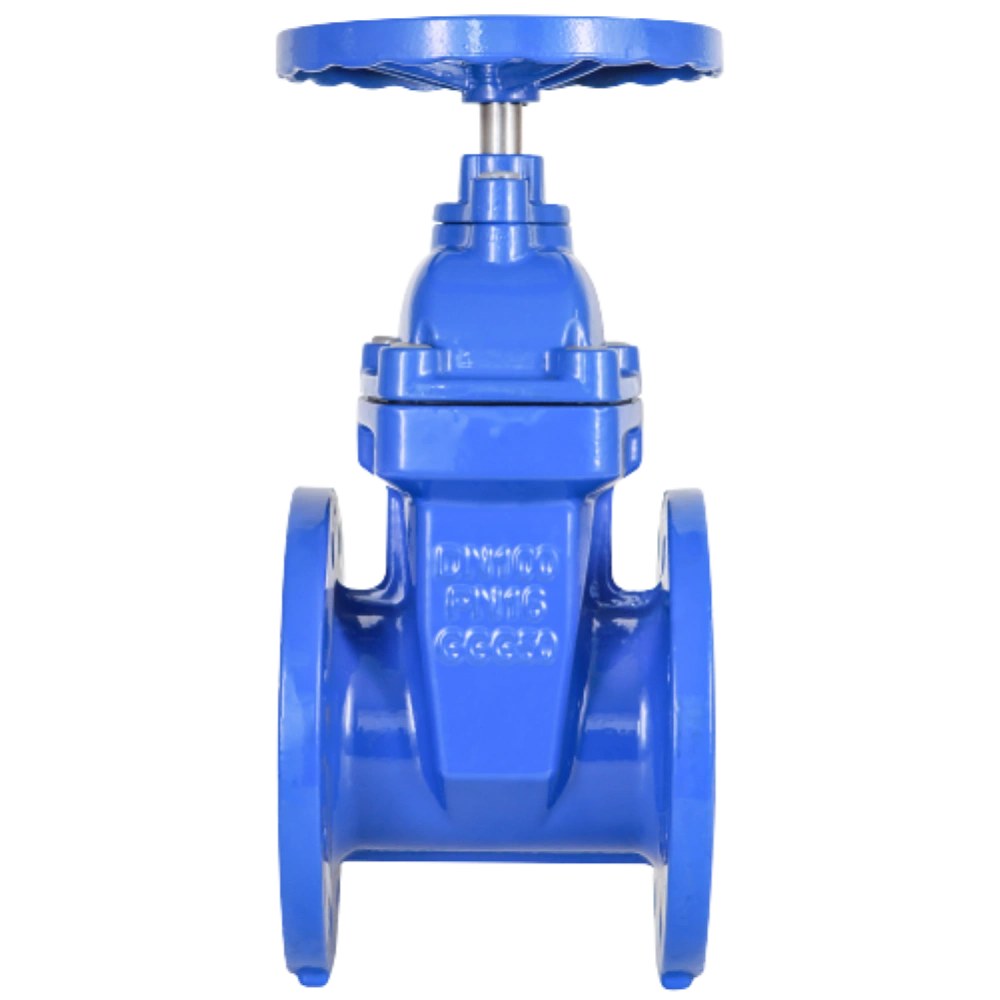
High-pressure valves, on the other hand, are used in industries that need strength and accuracy under heavy pressure. You’ll find them in hydraulic presses and oil rigs. They are also common in chemical plants and high-pressure systems. These places need valves that can work safely without breaking. A gate valve is preferred because it can completely stop flow when needed without causing a significant pressure drop.

5- Cost and Maintenance
Low-pressure valves usually cost less to buy and maintain. Their simple design and lighter materials make them a good choice for small or low-stress systems. They are also easier and cheaper to replace if they break. This quality makes them a practical option for projects where cost control is essential.
High-pressure valves cost more because they are made with stronger materials and have advanced designs. Their manufacturing standards are also higher to avoid malfunction. However, they can last much longer before needing a replacement. Maintaining high-pressure valves often requires skilled technicians and special tools.
6- Flow Rate Control
Low-pressure valves give smoother and more gradual control of flow, which is helpful in areas like irrigation or lab equipment. These jobs require precision with lower pressure. They can handle steady flows without harming pipes or equipment. This strength makes them ideal for tasks that require accuracy over speed. They also help reduce wear and tear on the system and increase its overall lifespan.
High-pressure valves are built to start or stop the flow under extreme pressure quickly. This control makes them essential for safety systems where fast action is a must. While they can still control flow rates, their main job is to handle intense bursts of pressure without breaking. They are often used in emergency shut-off systems to prevent accidents. Their fast response and strength make them essential in high-risk industrial settings.
7- Safety Features
Safety is an essential difference between low-pressure and high-pressure valves. Low-pressure valves have simple seals and locks to stop leaks and spills. Since the pressure is lower, the risk of failure is also less in many cases. They are often used in systems where safety risks are minimal. This makes them suitable for everyday applications. They can be home plumbing or small-scale water systems.
High-pressure valves need stronger safety features like extra seals and pressure relief systems. These are important for preventing dangerous blowouts or sudden drops in pressure. Many high-pressure valves meet high safety standards to ensure they work safely in extreme conditions. Picking the proper safety level is key to keeping both workers and equipment safe.
8- Installation Requirements
Low-pressure valves are usually easier to install and often only need basic tools and standard fittings. This makes them a good choice for quick repairs or small projects. General technicians can set them up without special training. They also take less time to fit compared to high-pressure valves. This makes them ideal for situations where speed and simplicity are essential.
High-pressure valves need careful installation with proper alignment and the correct tightening. They also use special gaskets to handle intense pressure. Skilled workers usually install them while following safety rules. Sometimes, the valve is pressure-tested after installation before use. This extra care makes sure it works safely and can handle heavy loads.
Frequently Asked Questions
What is the difference between a high-pressure valve and a low-pressure valve?
High-pressure valves are durable and have a higher pressure rating. On the flip side, low-pressure valves can withstand pressures below 300 PSI. Additionally, their durability and overall longevity are also compromised.
Can I use a low-pressure valve in a high-pressure system?
It is highly advised not to use a low-pressure valve in high-end applications. If you do so, the chances of valve failure are high. This failure can result in serious accidents.
Which valve type lasts longer?
The high-pressure valves are generally more robust and durable. Their walls are thicker, and seals are also harder, made of PTFE material. They can withstand higher pressure and last longer than low-pressure valves.
What happens if a high-pressure valve fails?
The high-pressure valve failure can result in a catastrophic accident. The oil or gases will burst out of the pipeline, causing a big accident. I highly recommend keeping the high pressure maintained to avoid its failure.
Concluding: Which One Should You Choose?
There is no one-size-fits-all solution when it comes to high-pressure VS low-pressure. For routine usage like water supply or irrigation, you can use low-pressure valves. They are cheaper and can bear low pressures with ease.. However, high-end applications need high-pressure valves. These valves will withstand the high pressure without leakage or deterioration.
Remember, these valves have different use cases. In the oil and gas sector, it is mandatory to use high-pressure valves. The reason is that gases can exert more pressure on the valves. The low-pressure systems are only suitable for applications where the pressure of the fluid or gases remains low (below 300 PSI).