
-
What is a 4 butterfly valve?
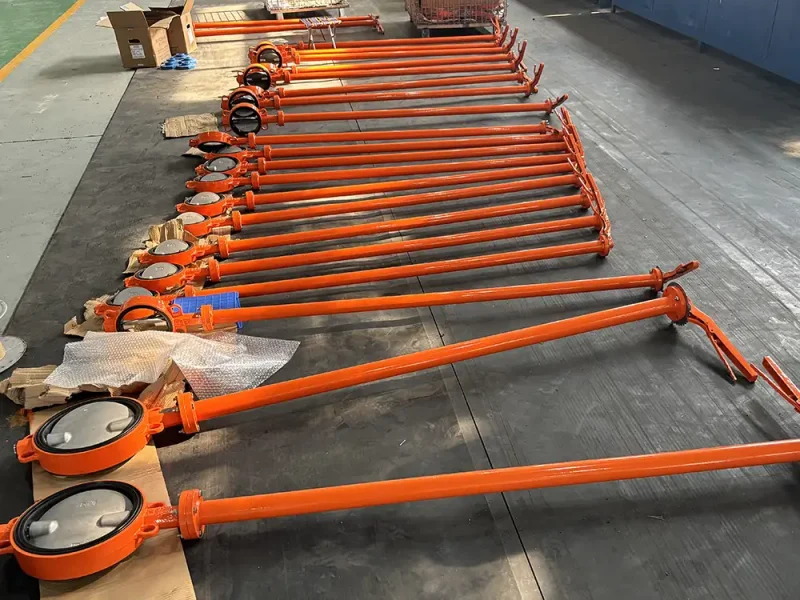
A butterfly valve is a flow control device used in piping systems to regulate, start, or stop the flow of liquids or gases. It operates by rotating a circular disc 90 degrees to open or close the flow path.
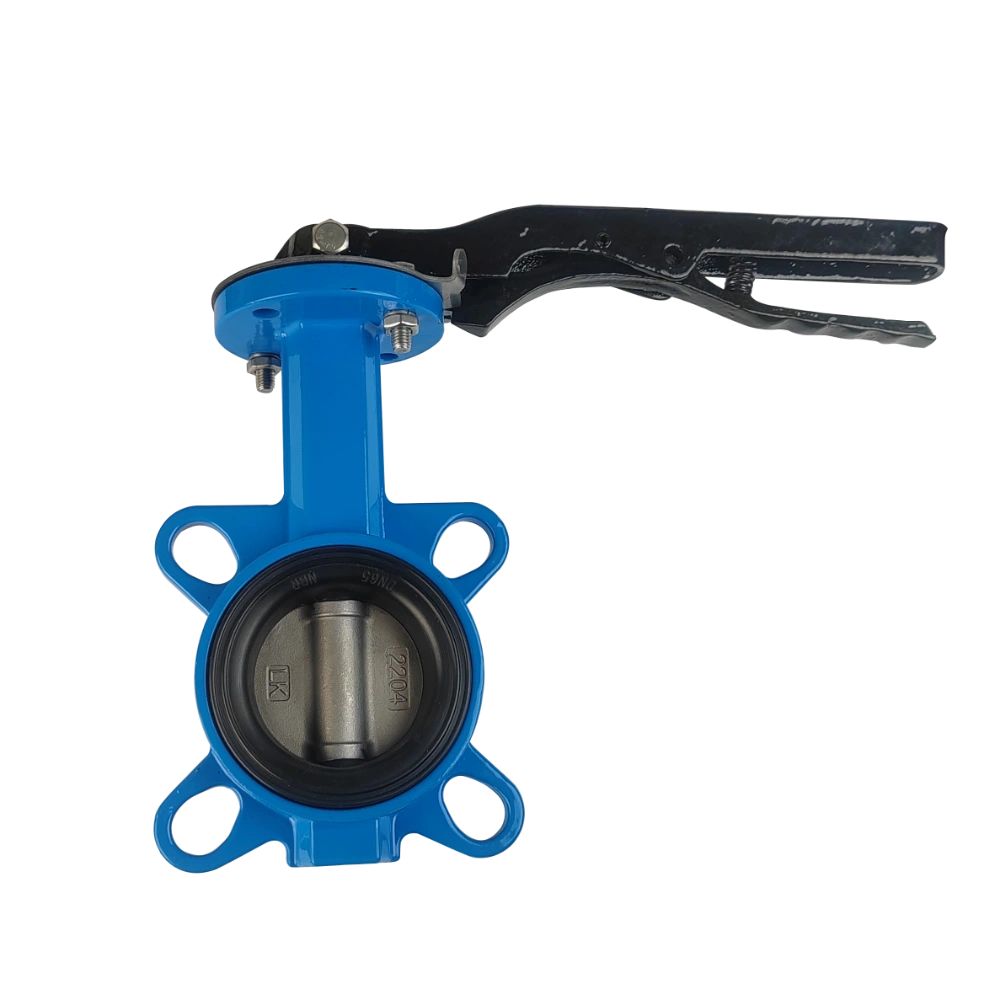
A 4 butterfly valve is a butterfly valve with a nominal diameter (DN) of 4 inches, equivalent to DN100 in the metric system. It is suitable for pipes with an inner diameter of 4 inches. The 4-inch diameter is a medium-sized valve—it provides a large flow rate while remaining compact and easy to install and maintain.
-
Key Features of a 4 Butterfly Valve:
2.1. Design
It consists of a circular disc or “disc” mounted on a rotating shaft. When the disc is parallel to the flow direction, the valve is fully open; when it is perpendicular, the valve is fully closed.
2.2. Operation:
The valve is operated by rotating the disc 90 degrees, typically using a handle, worm gear, or pneumatic or electric actuator.
2.3. Types:
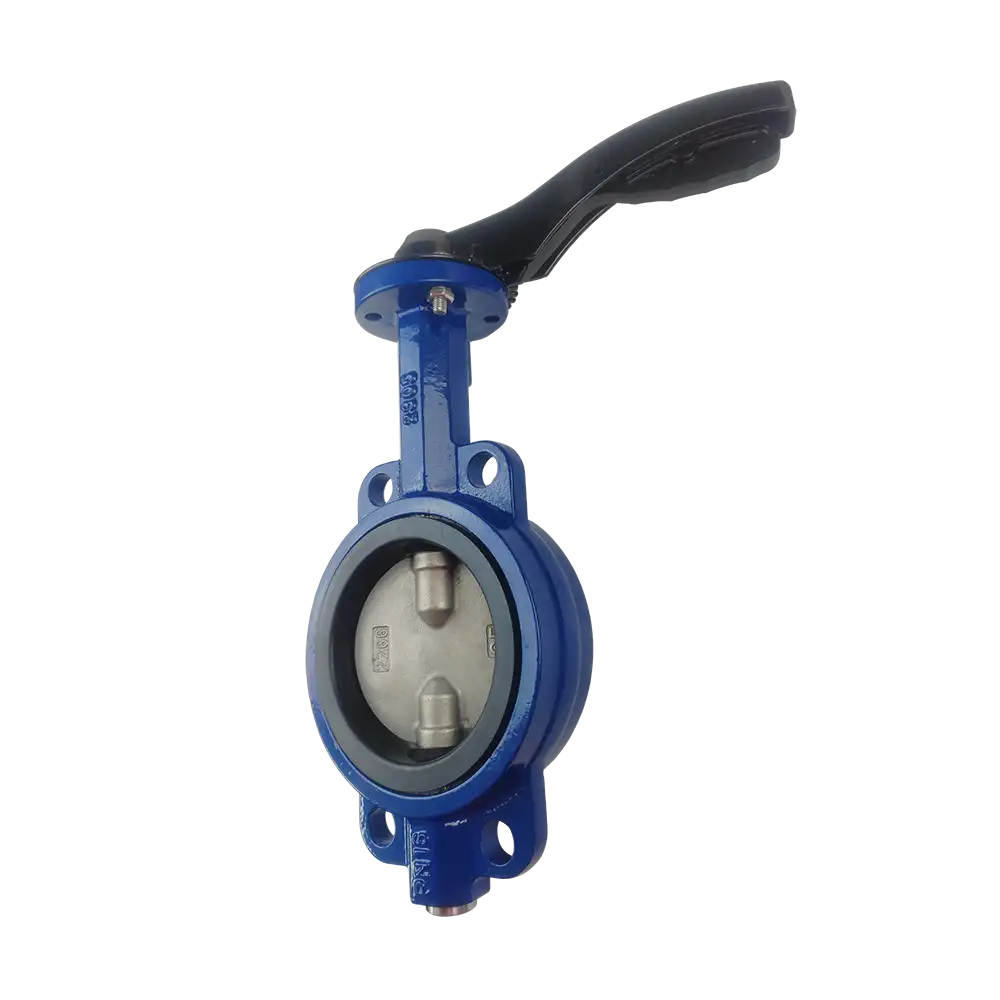
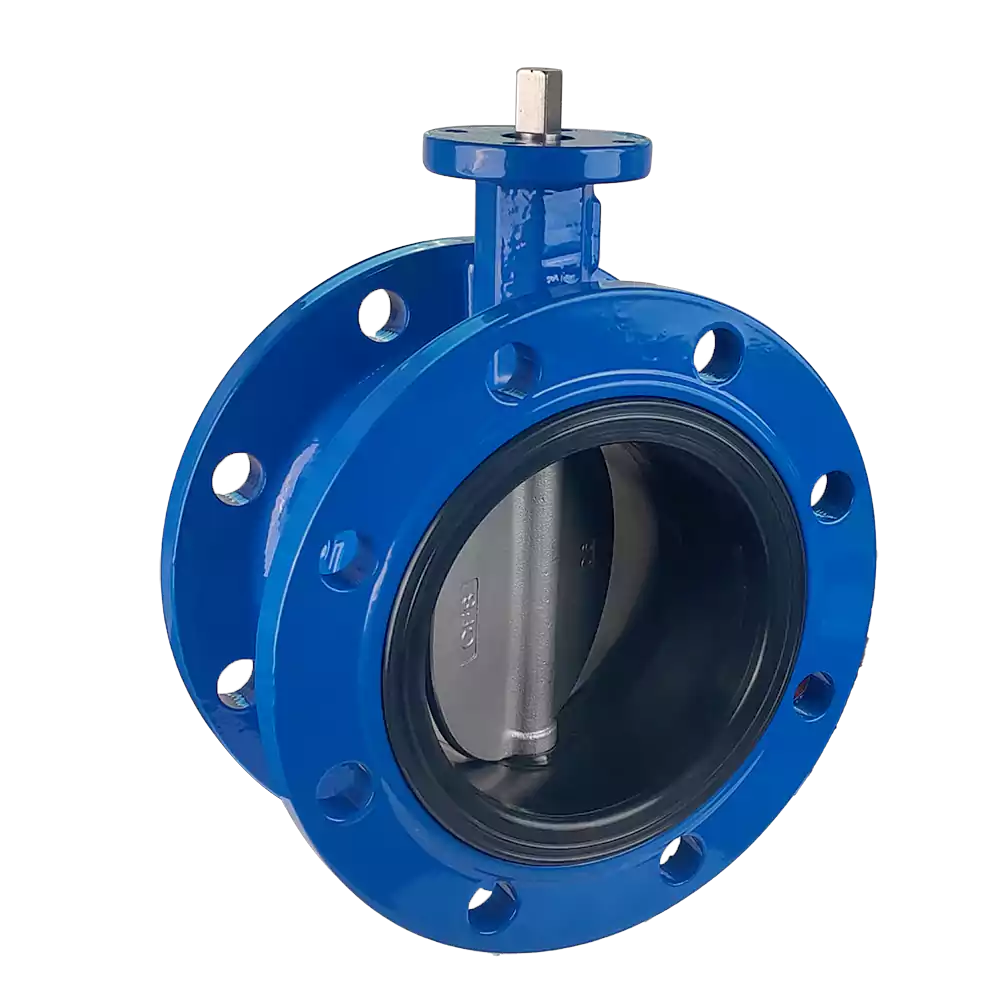
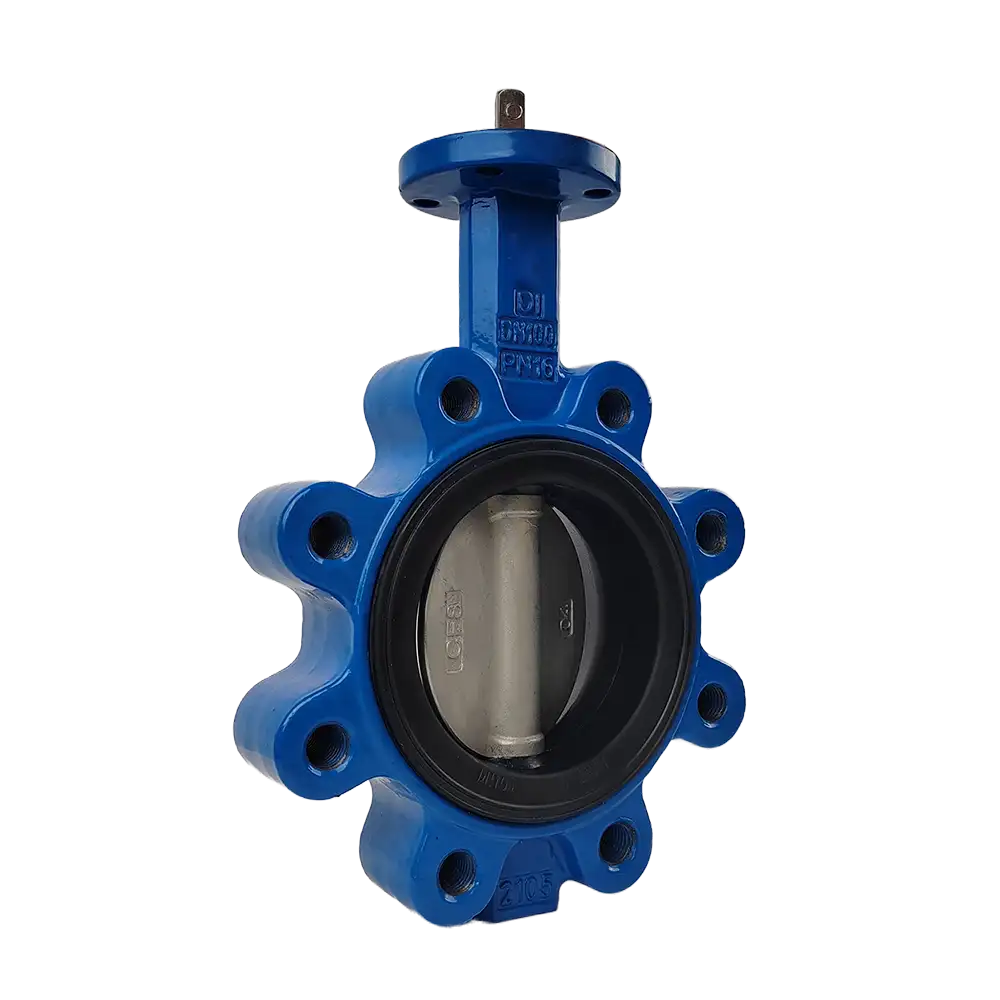
– Wafer Type: Clamped between pipe flanges, compact and lightweight.
– Lug Type: Features a threaded socket (lug) that can be bolted, allowing it to be used at the end of a pipe.
– Flange Type: Connects directly to the pipe flange and is suitable for larger or high-pressure systems.
2.4. Materials:
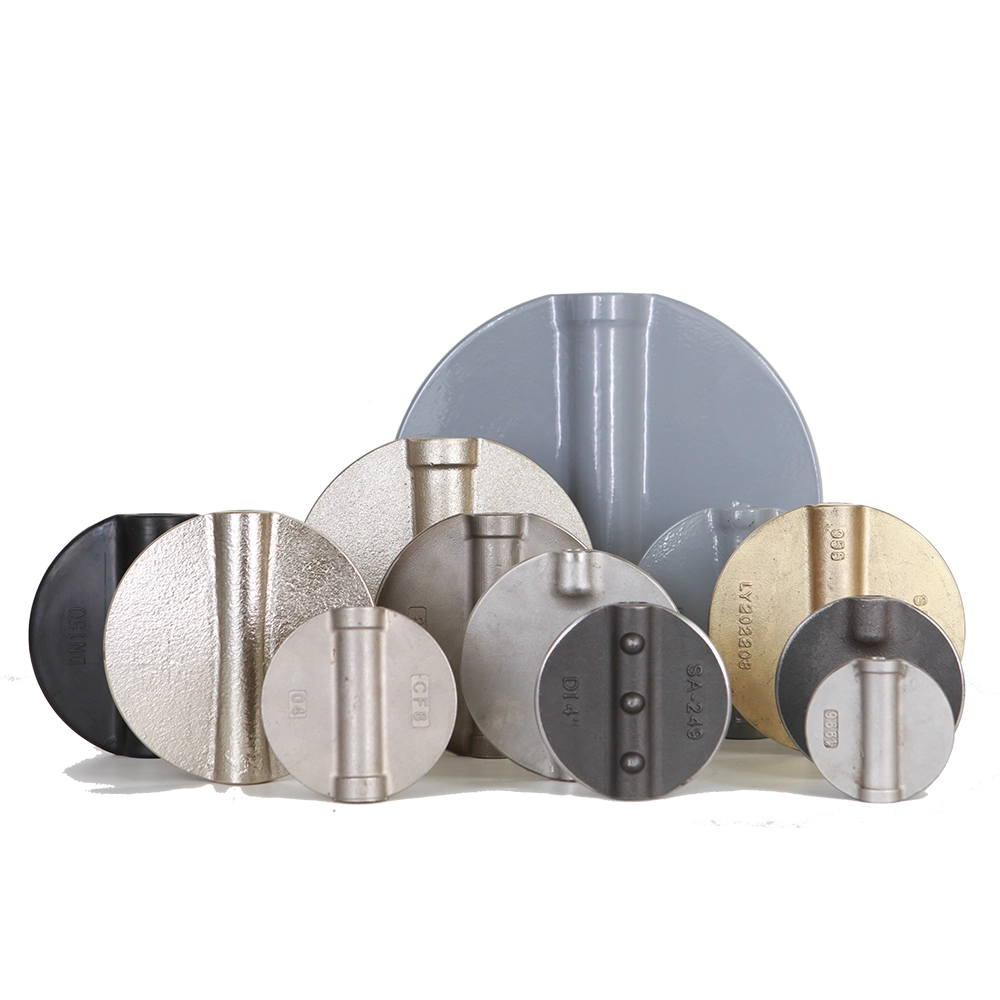
Common materials include cast iron, stainless steel, PVC, or ductile iron for the valve body. The disc is made of stainless steel or nickel-plated ductile iron. Seals are made of rubber (such as EPDM, Buna-N), PTFE, or SS+STELITE, depending on the application.
2.5. Pressure and Temperature:
Typically withstands pressures from PN6 to PN40, or 150–300 PSI, with temperatures depending on the material (e.g., 600°C for metal seals).
2.6. Advantages:
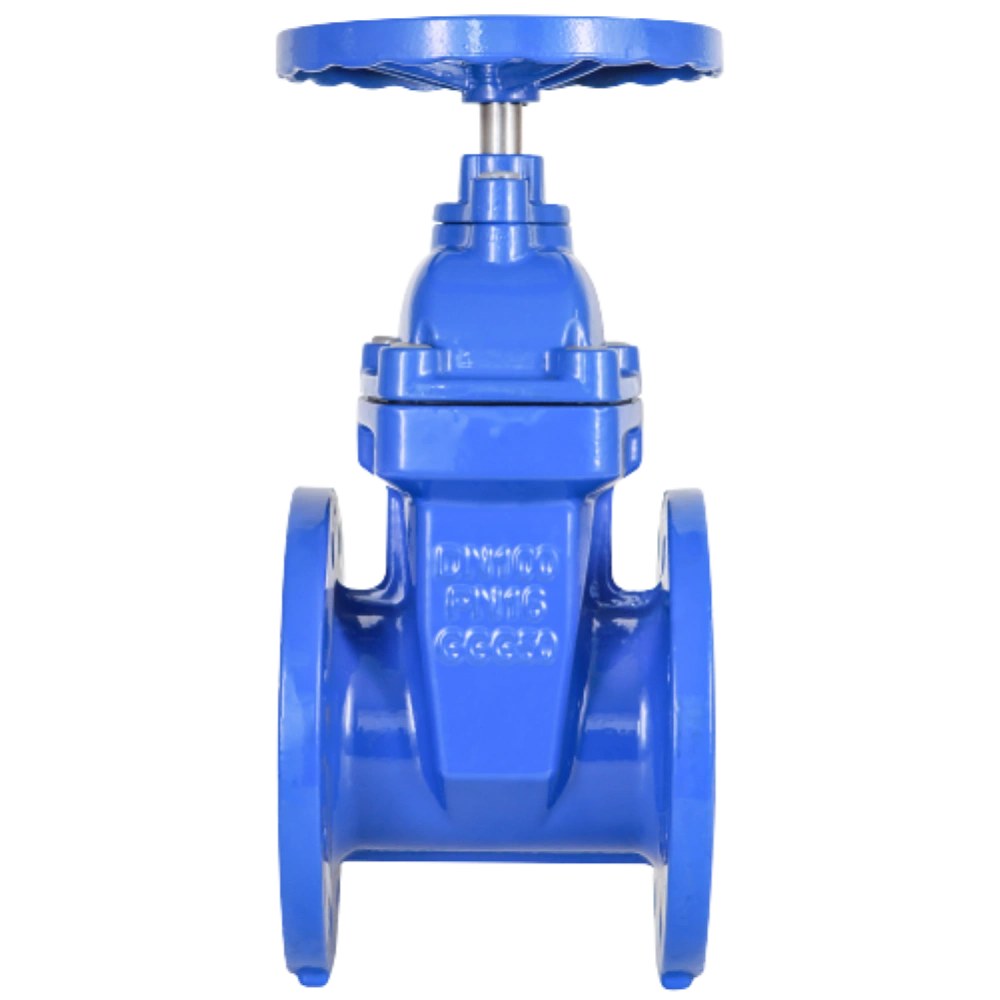
– Compact and lightweight compared to gate or ball valves.
– Fast opening/closing (quarter-turn operation).
– Cost-effective for large-diameter pipes. 2.8. Limitations:
– Not suitable for precise flow regulation (high-performance butterfly valves can be used for flow control).
2.7.High degree of standardization:
Most valve suppliers have these valves in stock, shortening delivery times.
Example specifications for a
3. 4 butterfly valve:
| Parameter | Typical Value / Option |
| Nominal Diameter | 4 inch / DN100 |
| Pressure Ratings | PN10, PN16, PN25, PN40, PN64, ANSI 150 |
| Connection Types | Wafer, Lug, Single Flange, Double Flange, U type |
| Seat Material | EPDM, NBR, PTFE, Viton,SS+Graphite, SS+Stelite |
| Disc Material | Stainless Steel (CF8, CF8M), Ductile Iron, WCB, DSS, Aluminium Bronze |
| Stem Material | Stainless Steel,Monel |
| Operation | Manual Lever, Gearbox, Pneumatic, Electric |
– Size: 4 inches (Metric DN100).
– Pressure Rating: ANSI Class 150 or PN10/PN16 (common standards).
– Connection Type: Wafer, Lug, or Flange.
– Disc Material: Stainless steel or nickel-plated ductile iron.
– Seals: EPDM for water, Viton for chemicals, PTFE for corrosive fluids, SS+Graphite and SS+Stelite for high temperatures.
4. Torque Curve and Actuator Selection for 4 Butterfly Valve
The actuating torque of a 4-inch butterfly valve does not scale linearly with valve diameter—for a DN100 valve, the static torque generated by seal compression, rather than the flow resistance torque, dominates. For example:
Dry operation (without lubrication) can increase the required torque by 20-30%.
In many projects, increasing the actuator redundancy factor to over 50% can be wasteful; accurate torque calculations can save actuator costs.
5. Service Life Under Cyclic Conditions
Although data sheets often list 50,000 cycles, the actual service life depends largely on mid-opening operation. Long-term partial-opening throttling can cause asymmetric wear on the soft-seal seat lip, potentially reducing service life by half.
6. Temperature-Pressure Trade-offs
A 4 butterfly valve with a PTFE seal can withstand temperatures around 180°C, but the permissible pressure decreases with increasing temperature. Consult the pressure-temperature curve before use to prevent premature leakage.
7. Summary of 4 Butterfly Valve
The 4-inch butterfly valve (DN100) is a highly versatile flow control device. Beyond standard specifications, a thorough understanding of fluid characteristics, torque behavior, and seal wear mechanisms can significantly improve reliability and cost-effectiveness in practical applications.