
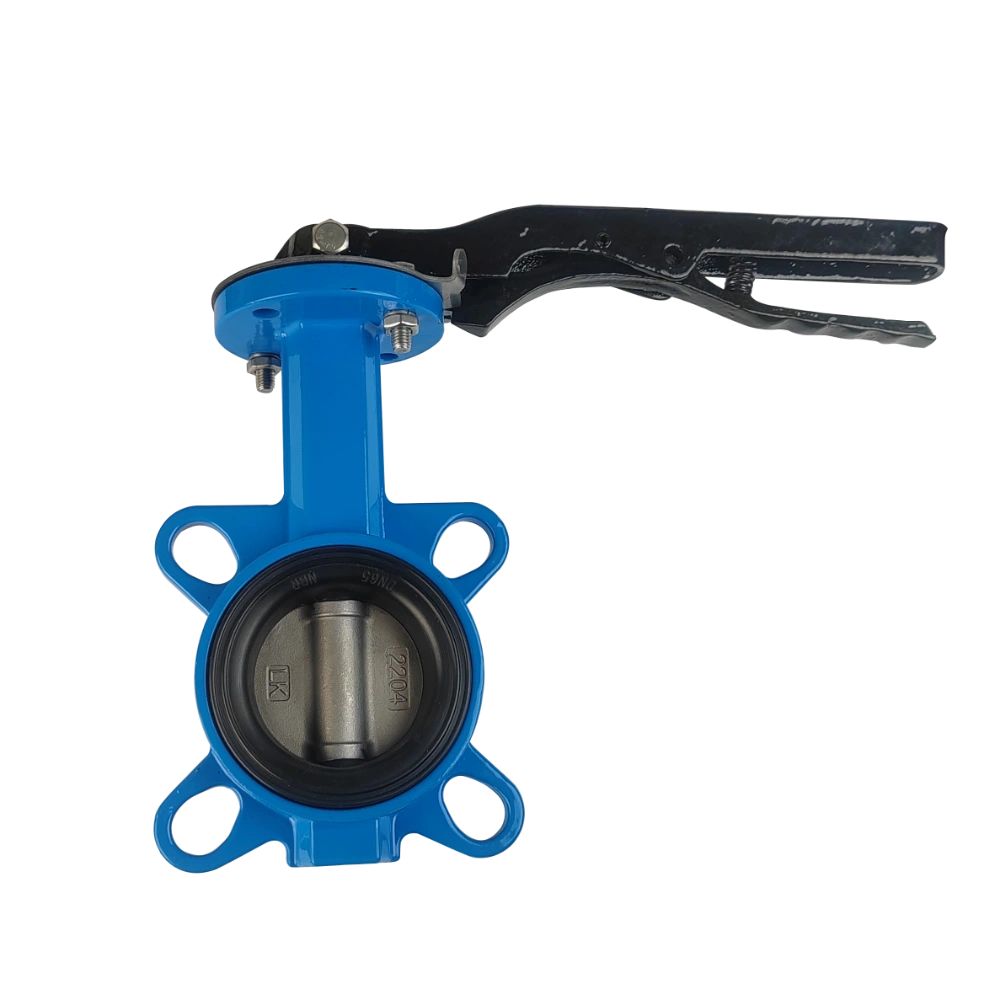
In valve systems, an additional gasket is placed between the two flanges connecting the butterfly valve and the pipe during installation. It provides a seal and prevents leakage during system operation.
Butterfly valve gaskets are typically made of flexible, corrosion-resistant materials that resist deformation, such as rubber, silicone, graphite, or composite materials. In addition to preventing leakage, butterfly valve gaskets can also reduce damage to the valve caused by pipeline vibration and even compensate for thermal expansion and contraction.
Whether a butterfly valve requires additional flange gaskets depends on the type of connection (wafer, flange, or lug) and the seal type (soft or hard).
The following is a detailed explanation based on the requirements:
1. Centerline Butterfly Valve

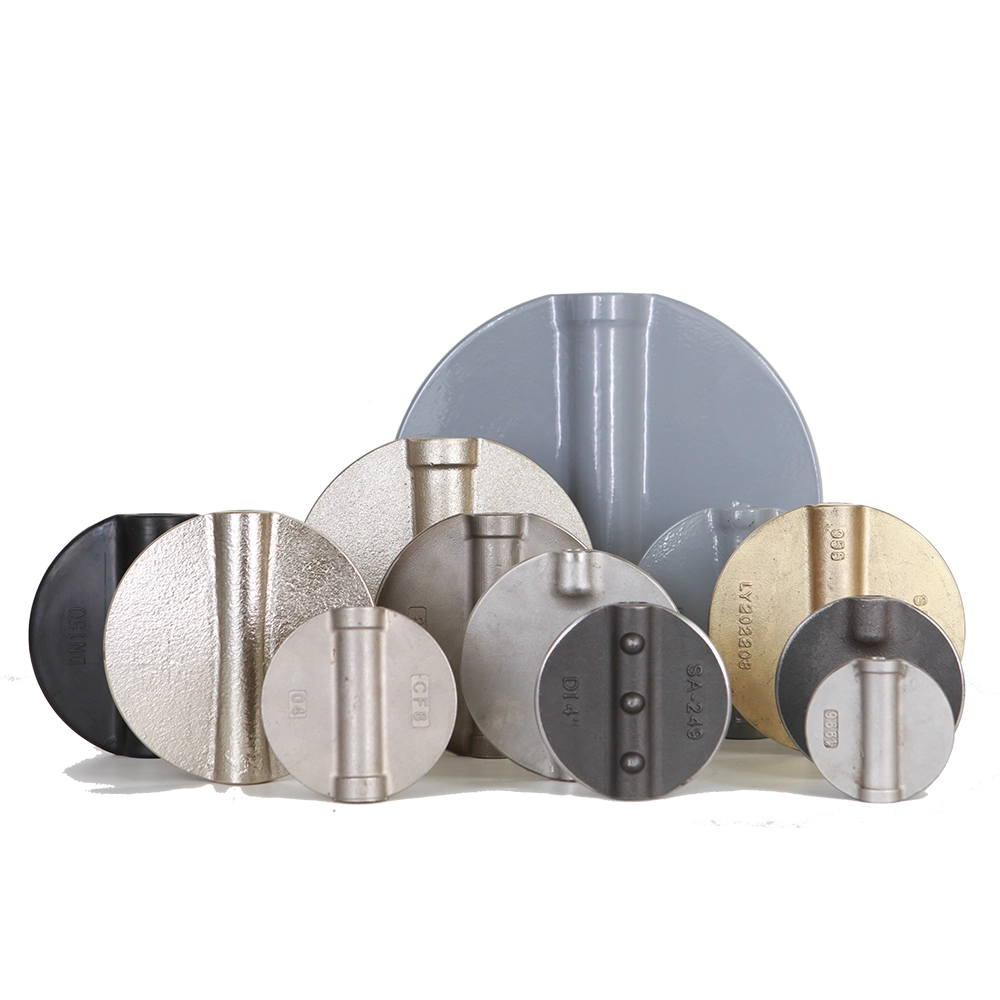
Centerline butterfly valves, whether wafer, flange, or lug, have soft (non-metallic) seats made of elastomeric materials such as EPDM, NBR, or PTFE.
Soft seats are categorized into three types: soft seat, hard backing seat, and vulcanized seat. The rubber or PTFE seats of centerline butterfly valves already provide a seal, so no additional gaskets are required. Additional gaskets may actually cause a poor seal or deformation of the sealing surface.
Of course, there are some special cases, such as when a butterfly valve is installed for the first time. The valve seat may age, deform, or develop scratches and indentations due to prolonged compression. Therefore, a gasket may be required when reinstalling.
1.1 Soft-Seat Butterfly Valve

The soft seat butterfly valve, also known as the dovetail seat bfv valve.The seat is made entirely of rubber. It acts as a built-in gasket and provides adequate sealing performance, so additional gaskets are generally not required.
– Precautions: During installation, slightly open the valve disc approximately 10 degrees. Ensure the pipe flange surface is flat and tighten the bolts evenly to avoid excessive compression of the soft sealing material, which may cause deformation or leakage.
1.2 Hard-Back Butterfly Valve
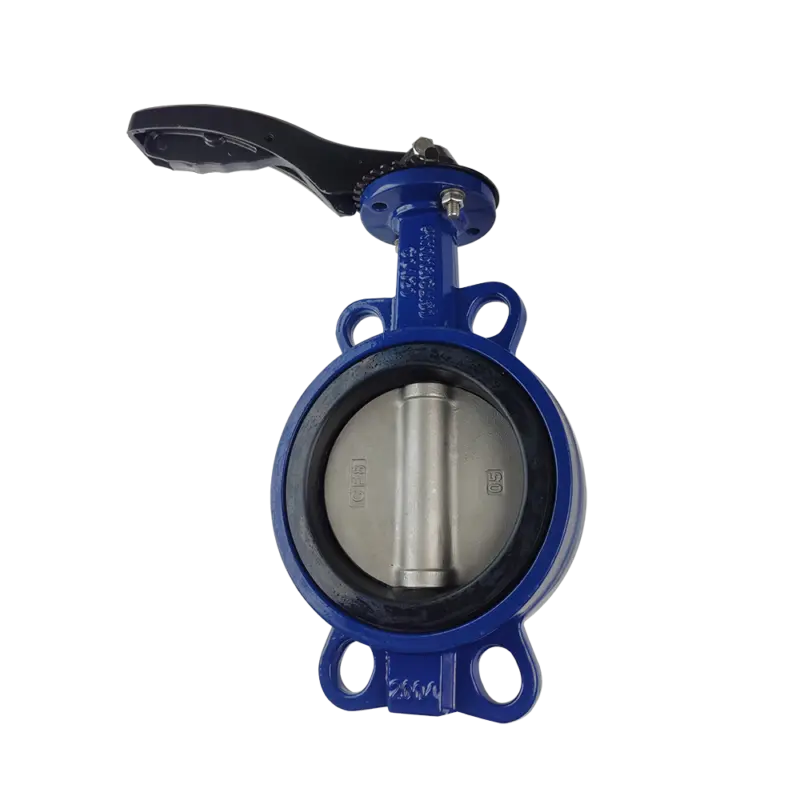
The butterfly valve hard-back seat consists of a rubber outer layer wrapped around a hard backing. It is installed by mechanically pressing or fastening it into the valve body, ensuring a secure fit and difficult to remove or replace manually.
– Precautions: During installation, insert the seat directly between the two flanges and tighten the bolts evenly.
1.3 Vulcanized Butterfly Valve
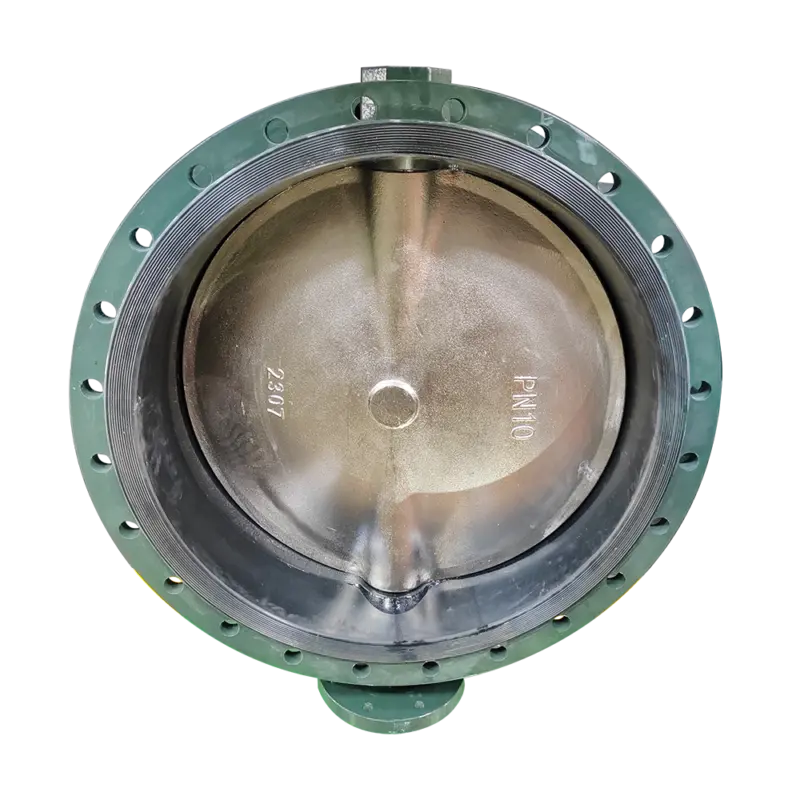
Vulcanized butterfly valves feature a rubber ring integrally attached to the valve body, forming an integral part of the valve body. These butterfly valves are manufactured in large batches using large-scale equipment. Compared to traditional butterfly valves, these butterfly valves offer superior high-temperature resistance and ease of operation.
– Note: The flange end faces should be flat flanges or flat flanges with raised bosses (RF), with a smooth, burr-free surface. Flanges with concave or convex surfaces (such as grooved flanges) should not be used, as they will damage the rubber vulcanized layer.
2. Eccentric Butterfly Valve
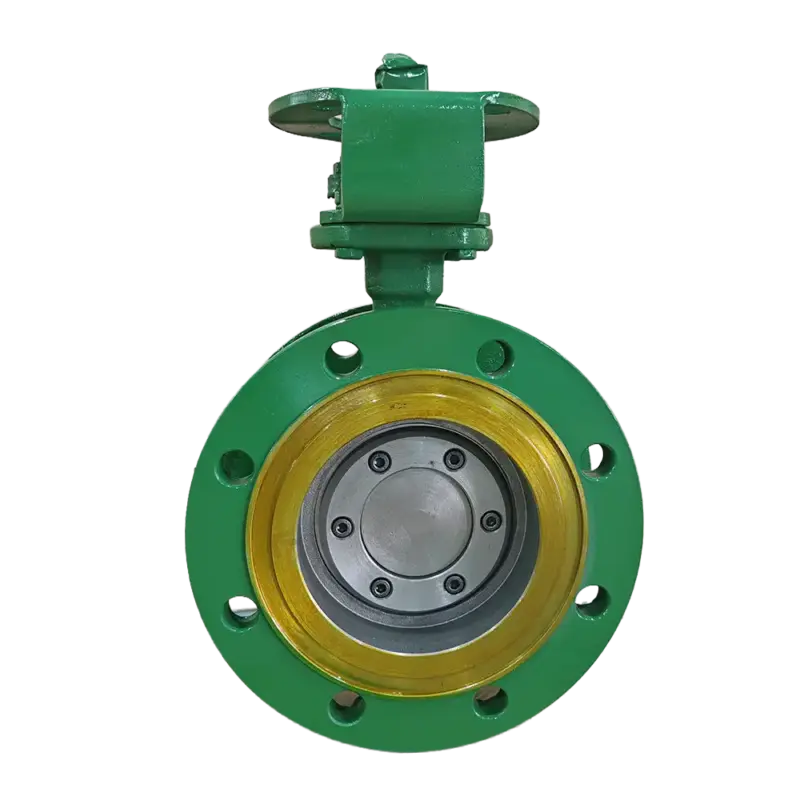
The flange surface of an eccentric butterfly valve that connects to the pipe is made entirely of metal, and the pipe flange is also metal. Even minor damage to either surface during transportation or installation is possible. If a slight gap exists between the valve body and flange of a hard-seal butterfly valve, a rubber, spiral wound gasket, graphite gasket, or other high-temperature and high-pressure resistant gasket must be used to ensure a tight seal. Therefore, a gasket is required to ensure a tight seal between the valve and the pipe.
However, it is important to note that the gasket material selection differs between double-eccentric and triple-eccentric butterfly valves.
2.1 Double Eccentric Butterfly Valve
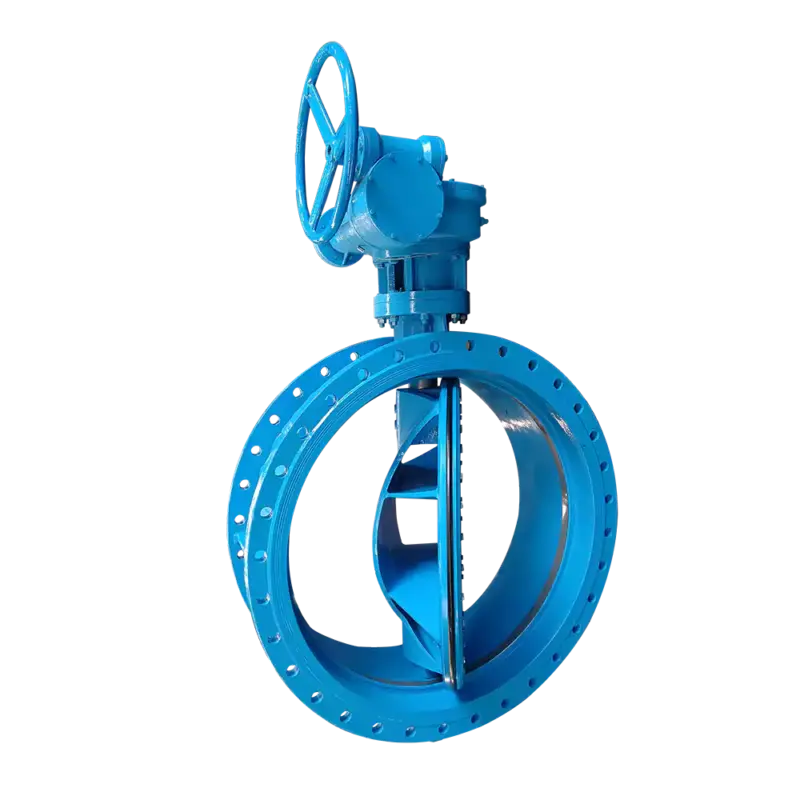
Gaskets are generally required. Because double offset butterfly valves use PTFE or rubber for their valve seats, their operating temperature is relatively low, typically between -20°C and 150°C. Some high-performance soft sealing materials can operate at slightly higher temperatures, but generally not exceeding 200°C. Therefore, high-temperature-resistant rubber or PTFE can be used as sealing gaskets.
– Note: When selecting gaskets, consider the temperature, pressure, and corrosiveness of the media to ensure compatibility with the hard sealing material.
2.2 Triple Eccentric Butterfly Valve
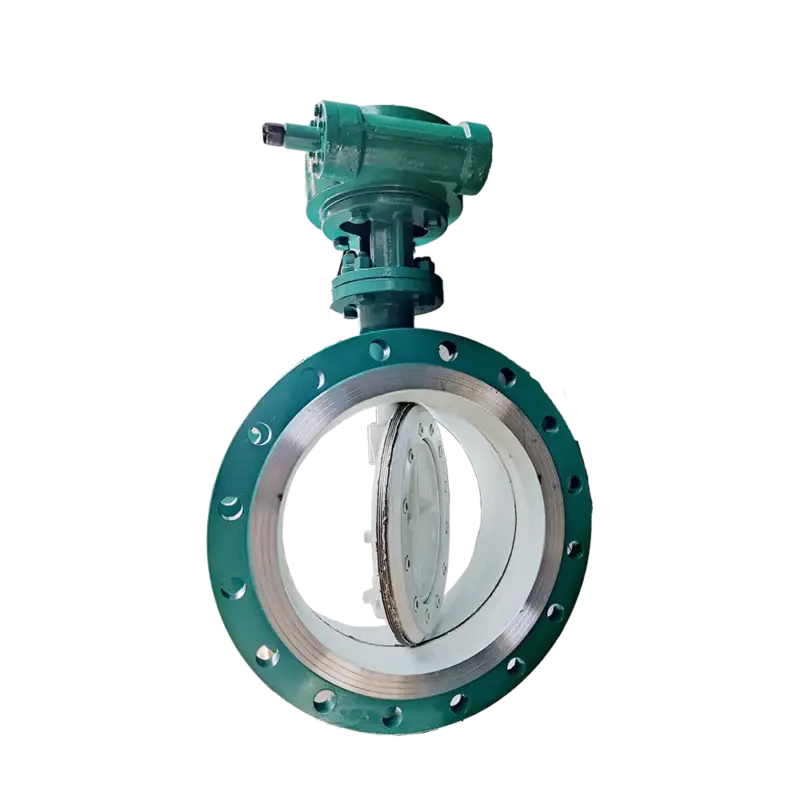
Gaskets are generally required. Triple eccentric butterfly valves are generally suitable for higher temperatures, typically between -29°C and 425°C. Certain specialized materials (such as stainless steel or high-temperature alloys) can withstand even higher temperatures, up to 600°C or higher. Therefore, spiral wound gaskets, graphite gaskets, or other high-temperature and high-pressure-resistant gaskets are required to ensure a tight seal. Rubber gaskets are generally not suitable for hard sealing due to their insufficient temperature and pressure resistance. – Notes: When selecting a gasket, consider operating parameters (such as temperature, pressure, and media) to ensure that the gasket matches the flange surface.
3. Other Recommendations
– Operating Conditions: When selecting a butterfly valve gasket, consider the media type, temperature, pressure, and pipe material. For example, high-temperature or corrosive media may require graphite or metal gaskets, while normal temperature and low-pressure environments may use rubber gaskets.
– Installation Specifications: Refer to relevant standards (such as ASME B16.5 and GB/T 9113) to ensure the flange surface is flat and that bolt tightening torque is uniform.
– Manufacturer Consultation: Specific butterfly valve models may have special designs. It is recommended to consult the manufacturer’s installation guide to confirm whether additional gaskets are required and the recommended material.