
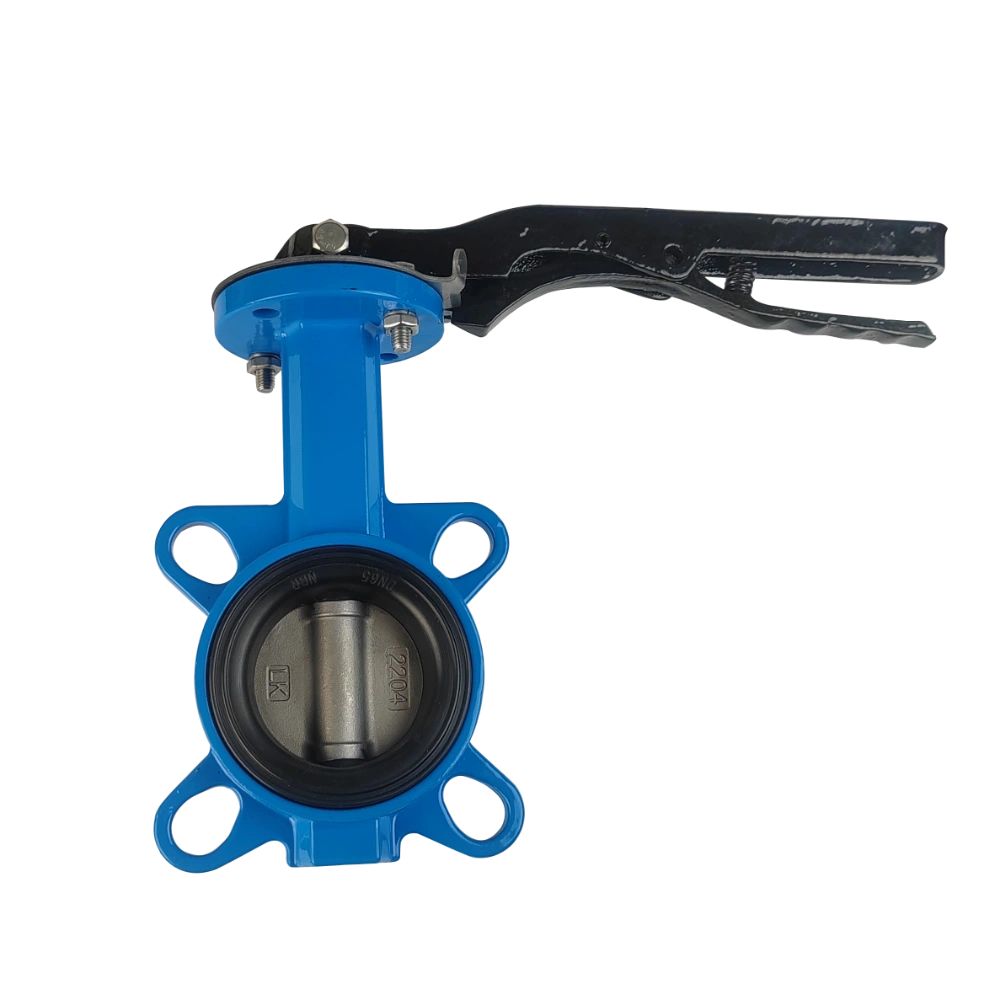
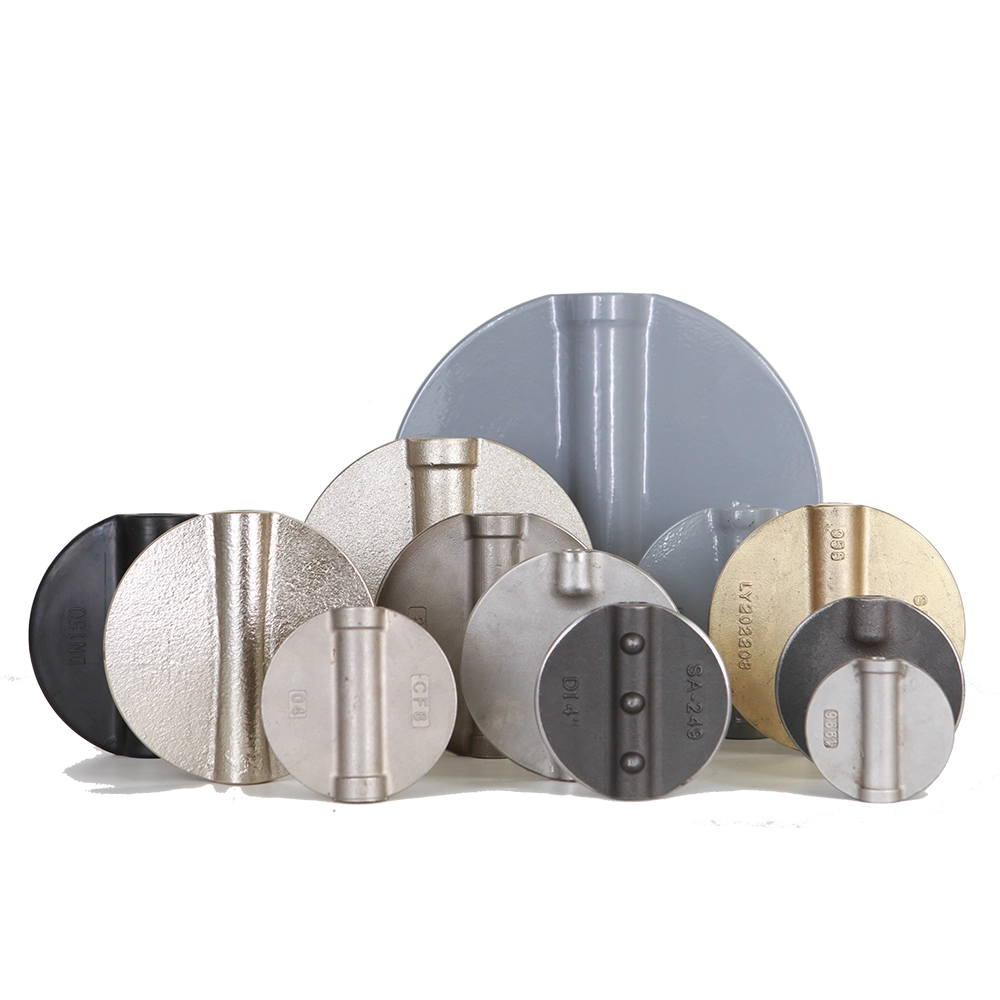
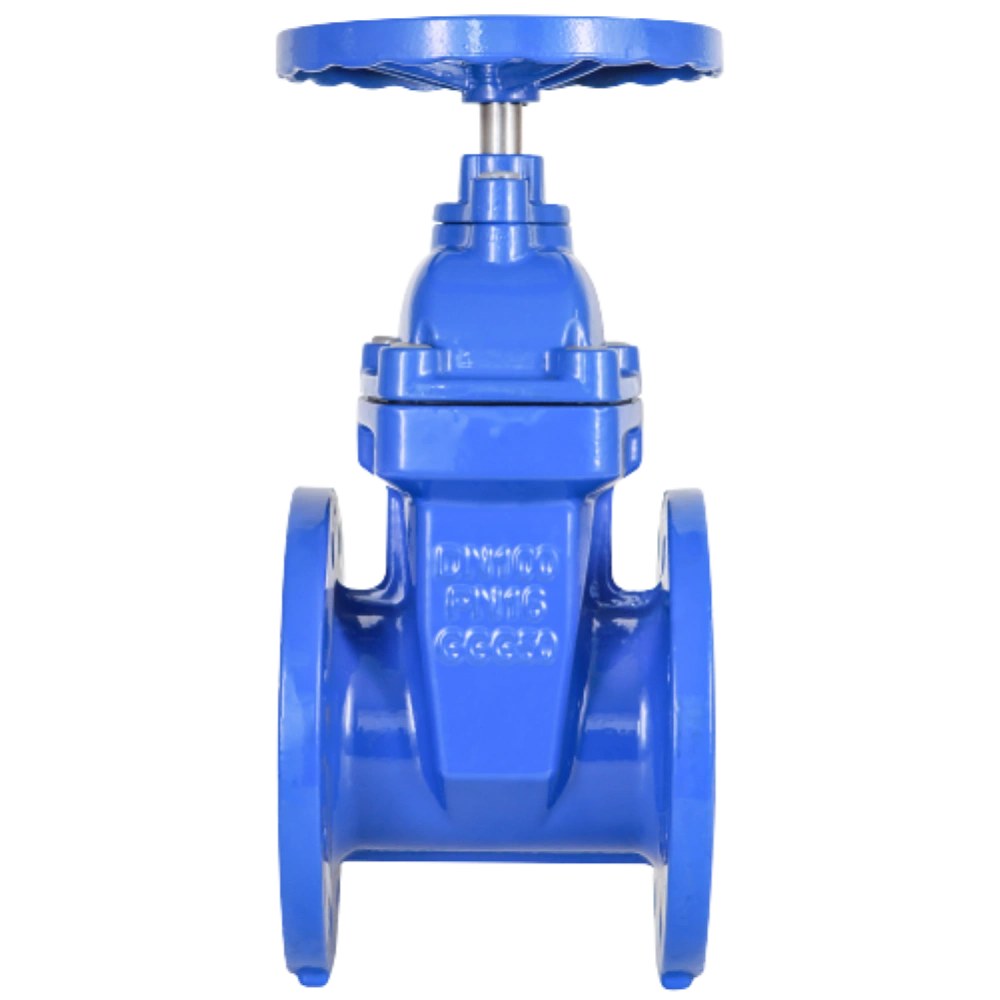
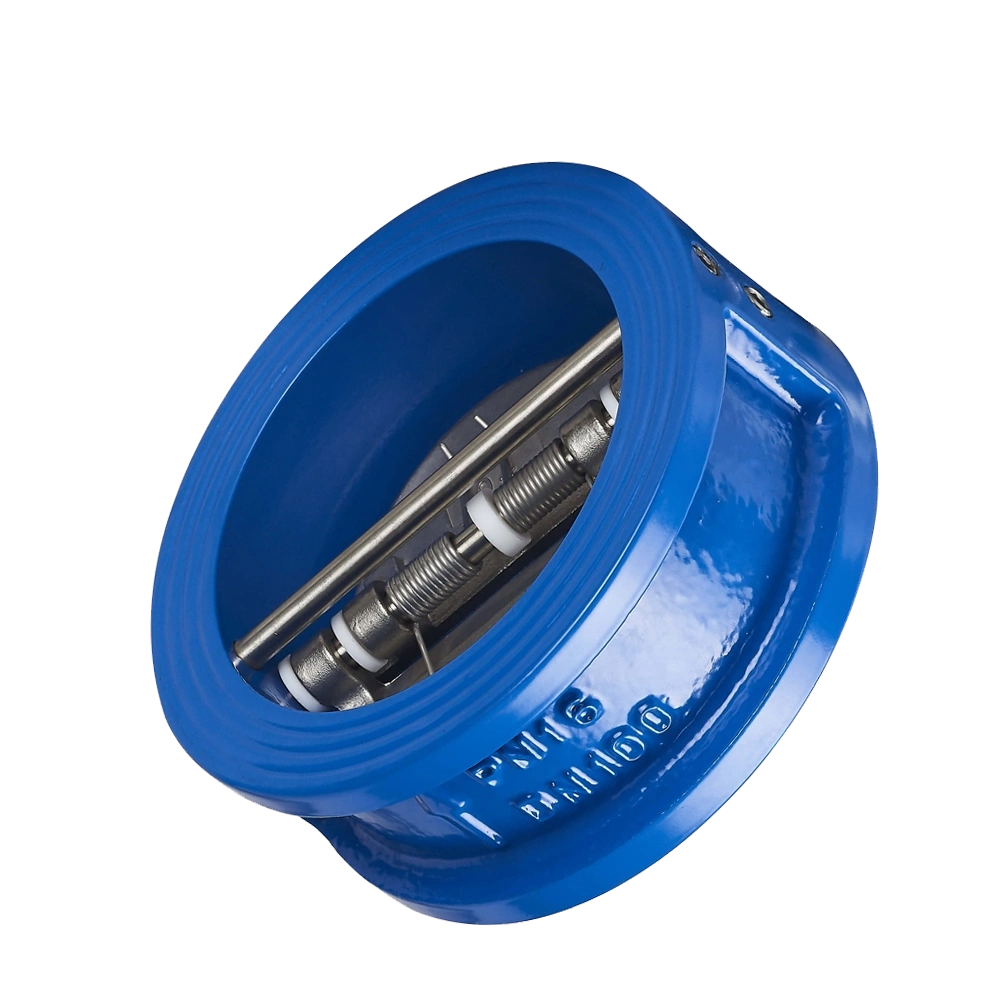
The valve seal is an integral part of the primary pressure fluid. There are different seal materials available. Each of those materials offers unique properties to the seal. Among those, EPDM and Viton are two popular materials due to their excellent strength. However, these materials differ in many ways, leading to a comparison of EPDM VS Viton.
Generally, people prefer EPDM seal material due to its cost-effectiveness. However, Viton is an excellent choice for performance and durability. In this article, I will compare these two valve seal materials head-to-head. In the end, you will learn which of these materials you should use for valve seals.
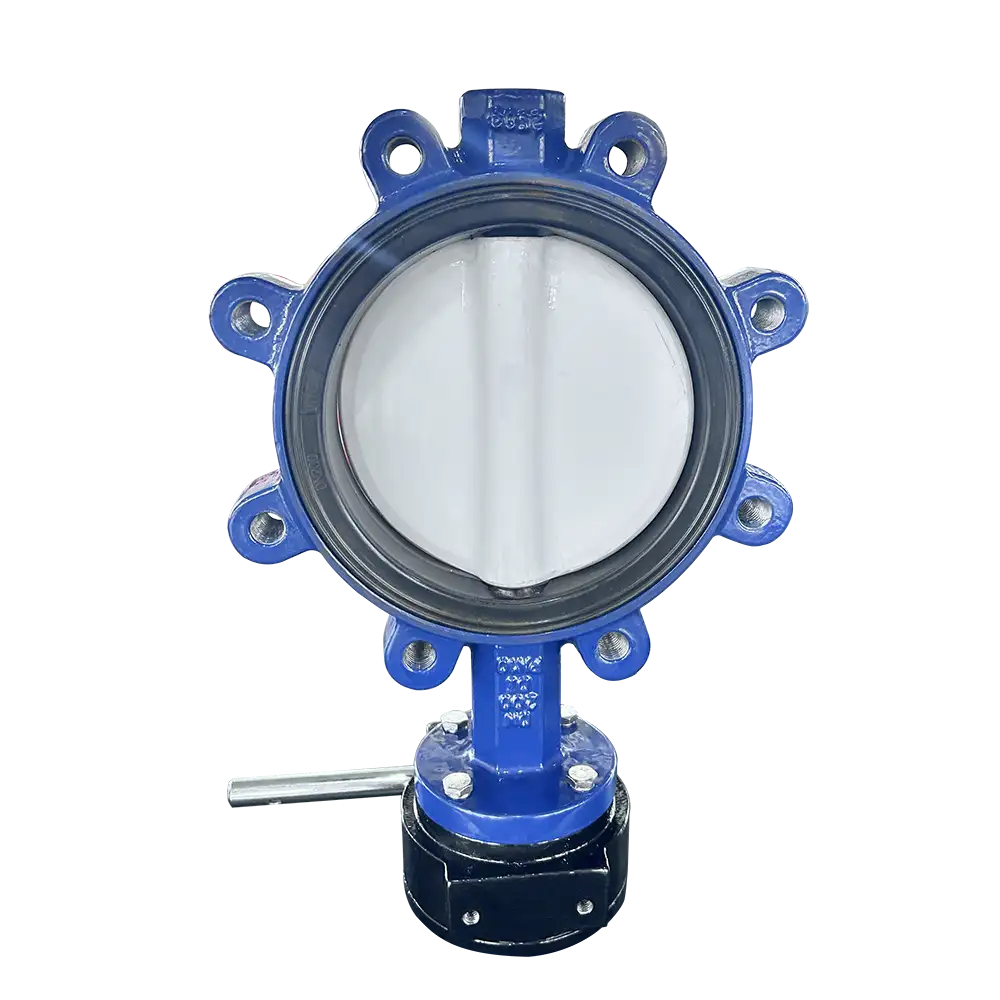
Overview of EPDM and Viton Valve Seal Material
First things first – valve seals are an integral component of all types of valves. This seal is generally made of rubber material and is soft. It is placed inside the valve to ensure a smooth flow of fluid. The primary role of the valve seal is to prevent leakage. When the valve is closed, the disc comes into contact with this seal.
EPDM and Viton are soft synthetic rubbers. So they are used to make seals and perform excellently against water and other fluids. However, EPDM is slightly compromised by oil and different lubricants. On the other hand, Viton is more durable and offers better oil resistance. Additionally, this rubber performs better at high temperatures.
EPDM stands for “Ethylene Propylene Diene Monomer.” On the other hand, Viton is a fluoroelastomer rubber. Both of them are synthetic, meaning they are artificially produced in laboratories. EPDM is suitable for water-handling valves and is better than many other valve materials, such as NBR. However, Viton is a premium material that is superior to EPDM.
EPDM VS Viton Valve Seal Material: What Are the Differences?
I will explain the differences between these two materials in the upcoming section. Understanding them will help you choose the right seal material for your specific applications.

1- Temperature & Chemical Resistance
These seal materials differ in terms of their resistance to temperature and chemicals. The EPDM can withstand temperatures of around –40°C to +150°C. If the temperature is above this range, it can affect the integrity of these seals. Additionally, this seal material cannot withstand chemicals and is only suitable for water or steam.
If exposed to chemicals, EPDM starts to swell and deteriorate. Conversely, Viton performs well over a temperature range of –20°C to 250°C. Moreover, this material can withstand water, steam, oil, and other chemicals, including acids. So, Viton is the superior option for high-temperature performance.
2- Oil & Fuel Compatibility
EPDM is only resistant to water and hot steam. However, it suffers when it comes to oil, fuel, or other fluids. On the other hand, Viton is an excellent option in this regard. Why? This is because it resists both oil and fuel and does not deteriorate. Valves used in water supply lines should use EPDM valve seals. Conversely, Viton is an ideal option for use in fuel valves, oil pipelines, and so on.
3- Flexibility & Elasticity
Elasticity is an essential factor you must pay heed to. Why? This is because seals made of elastic material can be placed easily inside the valve. Additionally, it performs better and prevents leakage issues in the valves. EPDM is very flexible and can be bent with ease.
Additionally, it returns to its original state when you remove the bend. On the other hand, Viton is not very flexible and is rigid. As a result, installing seals made of this material in the valve is a bit more difficult.
4- UV & Ozone Resistance
UV and ozone resistance is another factor in which EPDM and Viton differ. It refers to how well a valve material withstands sunlight and UV rays without deteriorating. If we discuss EPDM, it is exceptionally resistant to UV and ozone. Why? The main reason is its saturated polymer backbone. This structure makes EPDM chemically stable so that it does not react with ozone.
It means that, in sunlight or under UV and ozone exposure, EPDM does not lose its flexibility. On the flip side, Viton is ozone-resistant to some extent, but not as good as EPDM. This is because of its fluorinated structure. This structure allows Viton to resist heat but not continuously. Prolonged exposure to heat, UV, and ozone can deteriorate Viton’s structure, leading to a loss of flexibility.
5- Service Life & Durability
When choosing a valve seals material, another critical factor you must consider is its durability. It means how well a valve seal material can survive and perform its function. EPDM offers a long service life in water-based and environmentally exposed applications. As I said above, EPDM can efficiently withstand heat, UV rays, and water and steam without deteriorating.
However, in oil-based applications, EPDM may lose durability due to chemical swelling. In contrast, Viton maintains its durability more effectively even in harsh industrial environments. When Viton comes into contact with oil, chemicals, or fuel, or with high temperatures, it does not lose its strength. Instead, the Viton seals resist chemical and thermal attack without getting damaged.
6- Cost & Valve Applications
Cost and application are closely related and are essential differentiating factors between Viton and EPDM. The price of the valve material decides where it is more practical to use. For example, EPDM is a readily available material in the market for valve seals, making it cost-effective. It performs well in large-scale water- and steam-based applications.
If you have a budget-conscious project, then EPDM is the best cost-effective choice. On the contrary, Viton is a premium valve seal material and thus costs more. The reason for its high cost is its advanced structure, which performs well in harsh conditions and an oily environment. However, Viton’s long-term performance proves cost-effective.
Conclusion: Which One Should You Choose, EPDM VS Viton?
There is no fixed answer when it comes to selecting between EPDM and Viton. If you use a valve on the water supply line, I recommend choosing an EPDM seal. The reason is that this rubber material is affordable and performs excellently against water. You can also use it in hot steam transportations.
However, when a system uses fuel or oil, EPDM should not be used. In such cases, Viton is a better option due to its excellent performance with oils, fuels, acids, and other chemicals. Additionally, Viton seals perform better at high temperatures. Best of all, this valve material is long-lasting but expensive, which is a drawback.