
1. Conclusion: Common Types of Data Centers Butterfly Valve and Their Applications
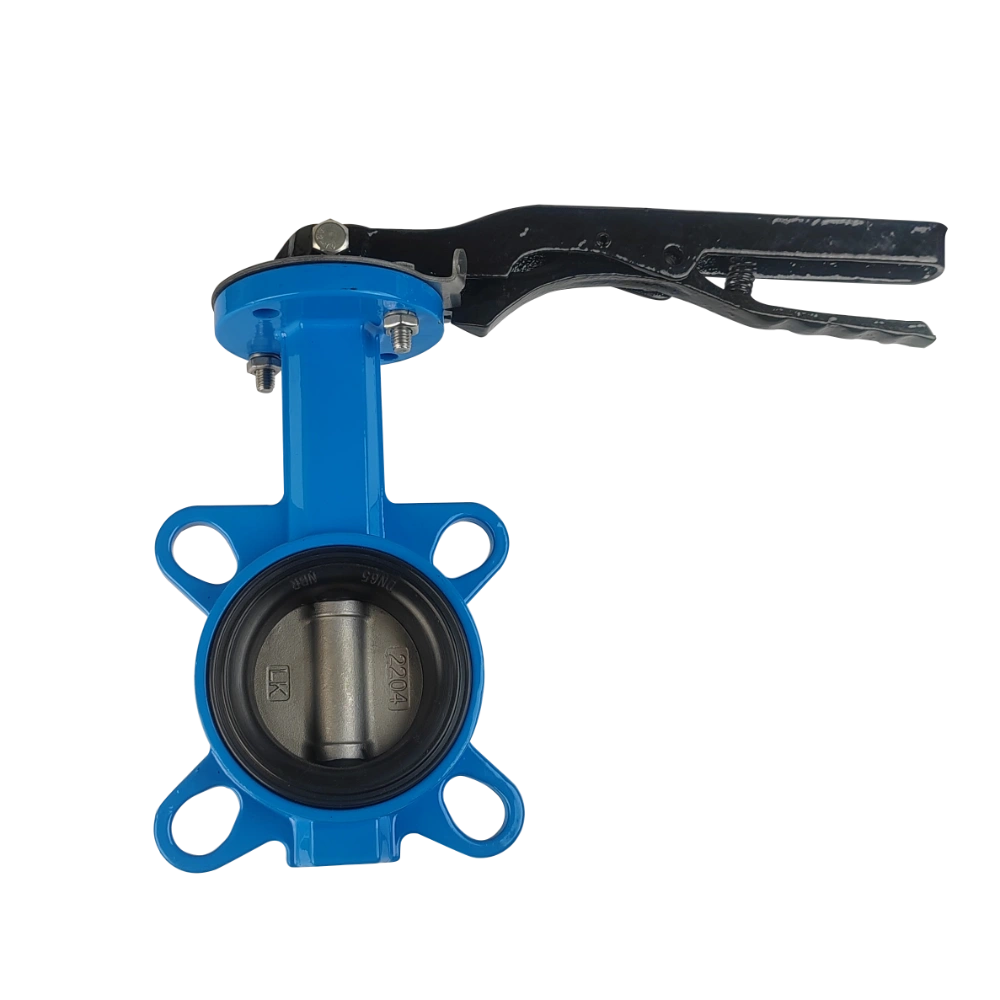
Concentric (Zero Eccentric/ Soft-Seated)
Simple structure and lower cost. Suitable for primary side chilled water or cooling towers.
where sealing requirements are relatively flexible. The valve seat is typically made of EPDM, which offers good compatibility with coolants like propylene glycol.

Double-Offset (High-Performance)
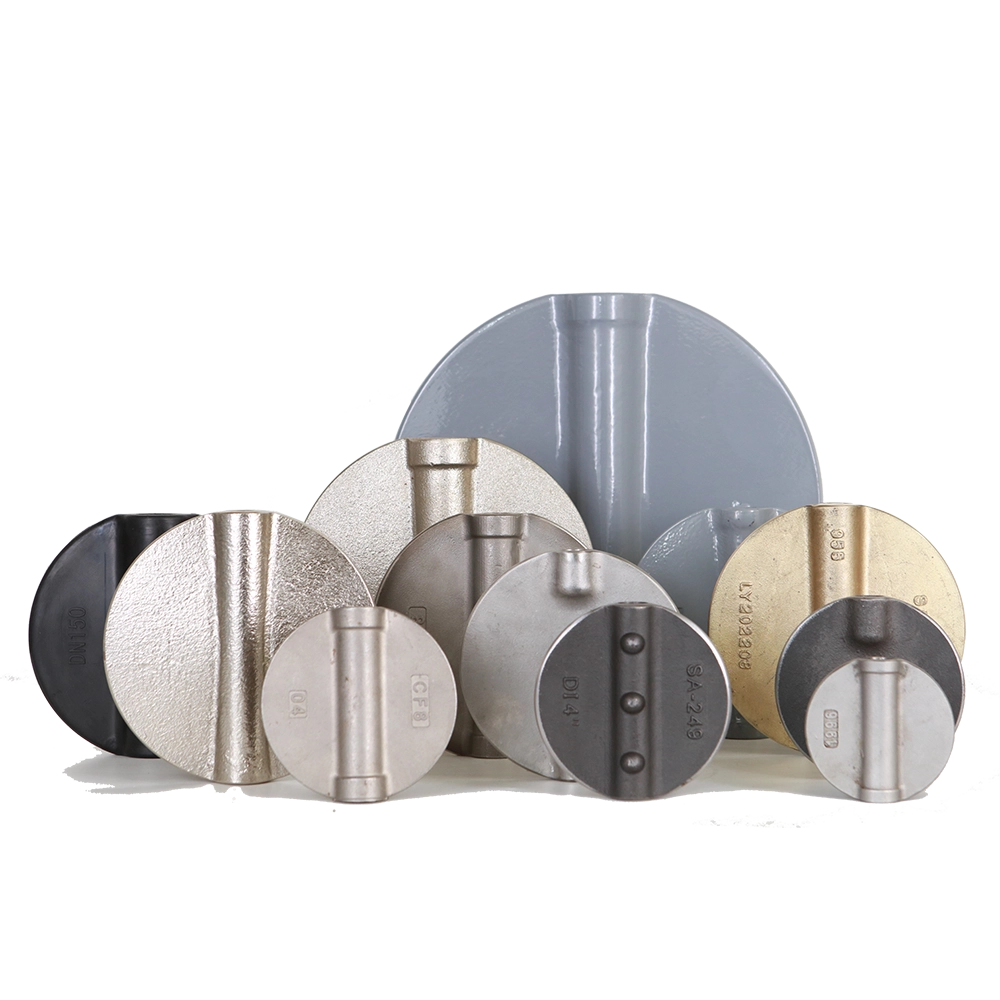
Designed with two offsets between the stem and the valve disc, the disc quickly disengages from the seat upon opening, significantly reducing wear. These are ideal for variable-flow chilled water systems that require frequent adjustment or a higher level of sealing performance.
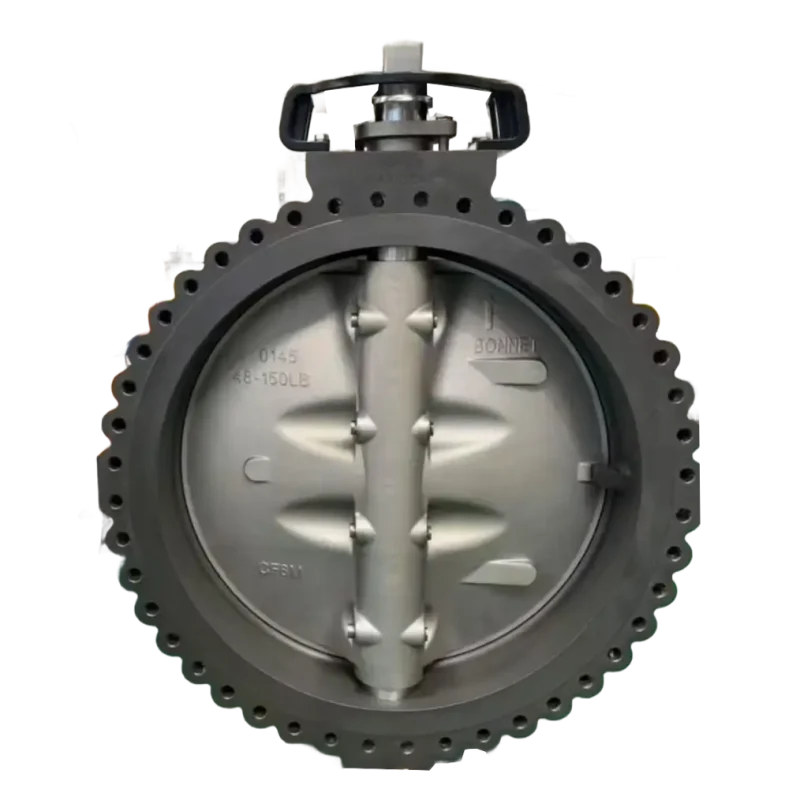
Triple-Offset (Three Eccentric/Metal-Seated)
These provide near-zero leakage (meeting standards up to ASME Class VI) and are suited for critical isolation points where high reliability is essential, though they come at a higher cost.

In practical projects, concentric or double-offset butterfly valves are commonly used for large-diameter main pipelines, while higher-performance valves are selected for critical isolation points based on specific pressure differential and sealing requirements
2. Introduction of Data Centers Butterfly Valve
With the rapid advancement of artificial intelligence, cloud computing, and hyperscale computing, power densities in data centers continue to climb.
Power consumption per rack has surged from the traditional 10–20 kW to 50 kW or even higher, and the thermal load generated by GPU clusters far exceeds the capacity of conventional air-cooling systems. Liquid cooling technologies—including chilled water systems, Coolant Distribution Units (CDUs), and direct-to-chip (cold plate) liquid cooling—have emerged as the mainstream solutions.
Within these complex cooling networks, which demand exceptionally high reliability, butterfly valves have become core components for isolating large-diameter piping, regulating flow, and balancing systems. Their advantages include a compact design, low flow resistance, rapid operation, and cost-effectiveness. However, because different systems have varying requirements for sealing materials, control methods, and certifications, a single configuration cannot be applied universally across all scenarios.
This article provides a systematic overview of the applications, selection criteria, performance requirements, and key considerations for using butterfly valves in data center cooling systems.
3. Cooling Systems: Where Are Butterfly Valves Typically Installed?

Heat generated in data centers must be continuously removed. Butterfly valves do not generate cooling capacity themselves; rather, they facilitate the flow of cooling media along designated paths and allow for the isolation of specific pipe segments during equipment maintenance or operational mode transitions.
3.1 Chilled Water Systems: Equipment Isolation and Cooling Distribution
In data centers utilizing chilled water-based air conditioning, butterfly valves are installed at locations such as chillers, heat exchangers, and main supply/return headers to enable equipment isolation and branch switching.
In hyperscale data centers, chilled water main headers often feature diameters of DN400 or larger. Due to their compact design and lightweight construction, butterfly valves require less installation space and lower support costs compared to gate or ball valves of the same nominal diameter, which helps optimize space utilization within the mechanical room.
Their low flow resistance helps reduce system pressure drop, directly contributing to the optimization of PUE (Power Usage Effectiveness). Where automatic switching is required, these valves can be equipped with electric actuators.
For instance, if a chiller requires maintenance, the corresponding inlet and outlet valves can be closed to isolate the unit. Whether other branches can continue to operate depends on the piping network layout, redundant capacity, and control logic; the mere installation of butterfly valves does not automatically guarantee the system’s capability for maintenance without downtime.
3.2 Cooling Water Systems: Connecting Chillers to Outdoor Heat Rejection Equipment
In systems employing cooling towers, cooling water transports heat from the condenser side of the chillers to the outdoors. During the maintenance or replacement of chillers or cooling distribution units, it is essential to isolate specific sections without disrupting the overall cooling continuity. Large-diameter butterfly valves (DN300 and above) installed at the inlets and outlets of condensers, cooling tower branches, and associated main headers allow for rapid flow shut-off, facilitating isolation or flow control. Valves with high sealing performance minimize the risk of leakage, thereby ensuring thermal continuity.
Material selection for these pipelines cannot simply mirror that of closed-loop chilled water systems. In particular, for open-loop cooling tower circulating water, one must account for the effects of water concentration, sediment accumulation, and water treatment chemicals on the wetted components. When procuring valves, in addition to temperature and pressure, information regarding water quality and any chemical additives should be provided; simply specifying “medium: water” is insufficient.
3.3 Natural & Emergency Cooling: Switching Flow Paths
Projects that utilize natural cooling or backup cooling sources require the ability to switch between different equipment and piping configurations. Butterfly valves can effectively handle the isolation and switching tasks required in these scenarios.
For instance, a client once procured three-way switching butterfly valves to toggle between normal cooling and emergency cooling modes—a setup that also necessitates a dedicated backup power supply for the emergency cooling pumps.
3.4 Flow Balancing and Zonal Regulation
When multiple CRAH/CRAC units or server-rack cold plates operate in parallel, precise flow distribution is essential to prevent localized “hot spots.” By pairing butterfly valves with electric or pneumatic actuators, operators can achieve continuous modulation or staged control. Valves with double-offset or triple-offset designs are particularly advantageous, as they minimize seat wear during adjustment and extend the valve’s service life.
3.5 Cooling Towers and Condenser Water Loops
In cooling tower inlet and outlet piping, concentric (center-line) or high-performance butterfly valves are commonly used for shut-off and bypass control. Given the significant temperature fluctuations in these applications, the valves must offer excellent weather resistance and sealing stability.
4. Can Butterfly Valves Be Used in Liquid-Cooled Data Centers?
Yes, they can—with specific considerations for facility-side vs. equipment-side loops.
On the facility side, which transports heat to a central cooling plant or outdoor heat-rejection equipment, large-diameter butterfly valves remain a suitable choice for main piping. Furthermore, specialized butterfly valves designed specifically for data center technical cooling applications are now available; it is a misconception to assume that butterfly valves are limited solely to traditional HVAC water systems.
However, when moving toward the CDU (Coolant Distribution Unit), server racks, or the interior of the servers themselves, the selection process requires careful verification of the following:
- Compatibility between the coolant formulation and the valve’s sealing materials;
- Compliance of wetted materials, cleanliness levels, and particulate control with equipment specifications;
- Stability of regulation under low-flow conditions;
- Whether the valve’s pressure drop consumes an excessive portion of the available pump head. Typical water supply pressure for a CDU (Coolant Distribution Unit) ranges from 3 to 8 bar; while the butterfly valves used are relatively small, they require a higher degree of precision.
5. Besides cooling, what other applications do butterfly valves have?
| Application System | Primary Function | Selection Criteria |
|---|---|---|
| Fire Protection | Water Supply isolation and control | Must meet specific fire protection certifications. |
| Backup Generators | Fuel Systems isolation | Verify fuel compatibility and fire resistance. |
| General Water | Supply, Drainage, Treatment | Select based on water quality and installation conditions. |
6. What are some commonly overlooked issues when choose data centers butterfly valve?
6.1 Compatibility Between Valve Seat Material and the Medium
EPDM is standard for water, but glycol mixtures (ethylene/propylene) require verified formulations. Valves should be cycled periodically to prevent seat deformation.
6.2 Distinguishing Between Isolation Valves and Control Valves
Isolation requires zero leakage. Regulation requires calculation of flow coefficients (Cv). Don’t assume high-performance butterfly valves replace all precision control valves.
6.3 Selection of Connection Types for data centers butterfly valve
- Wafer-style Bfv Valve: Space-saving
- Lug-style Bfv Valve: Single-sided disassembly
- Flanged-style Bfv Valve: High-pressure/Large-diamete
6.4 Maintenance Requirements Must Be Clarified Prior to Procurement
If the removal of adjacent piping is required for valve maintenance, the specific requirements for the exposed pipe ends must be clearly defined. Relying solely on the external configuration—such as “lug-style” or “double-flanged”—is insufficient for ensuring safety; one must also verify the specific internal structure, allowable differential pressure, and the direction of pressure application.
When procuring butterfly valves for a data center, the most critical questions are not merely “can this valve handle water flow?” but rather: Where will it be installed? What is its intended function? How can it be isolated in the event of a failure? And will maintenance activities disrupt other operational branches of the system?