
Gate valves are an important part of many pipeline systems. They help control the flow of water, oil, gas, and other fluids by opening or closing a passage inside a pipe. However, not all gate valves are the same. The two most common types you will come across are metal-seated and resilient-seated gate valves. Both vary in many ways, and those differences can affect your choice. If you don’t understand the differences, don’t worry! In this guide, I will compare resilient-seated VS metal-seated gate valves. You will learn their key differences, which will help you choose the reliable gate valve. So let’s get started.
Differences Between Metal-Seated and Resilient-Seated Gate Valves
Both metal-seated and resilient gate valves help control fluid or gas flow. However, their construction and performance differ significantly. Let’s look at the key differences to understand what makes each one unique.
1- Valve Construction & Fluid Types Suitability
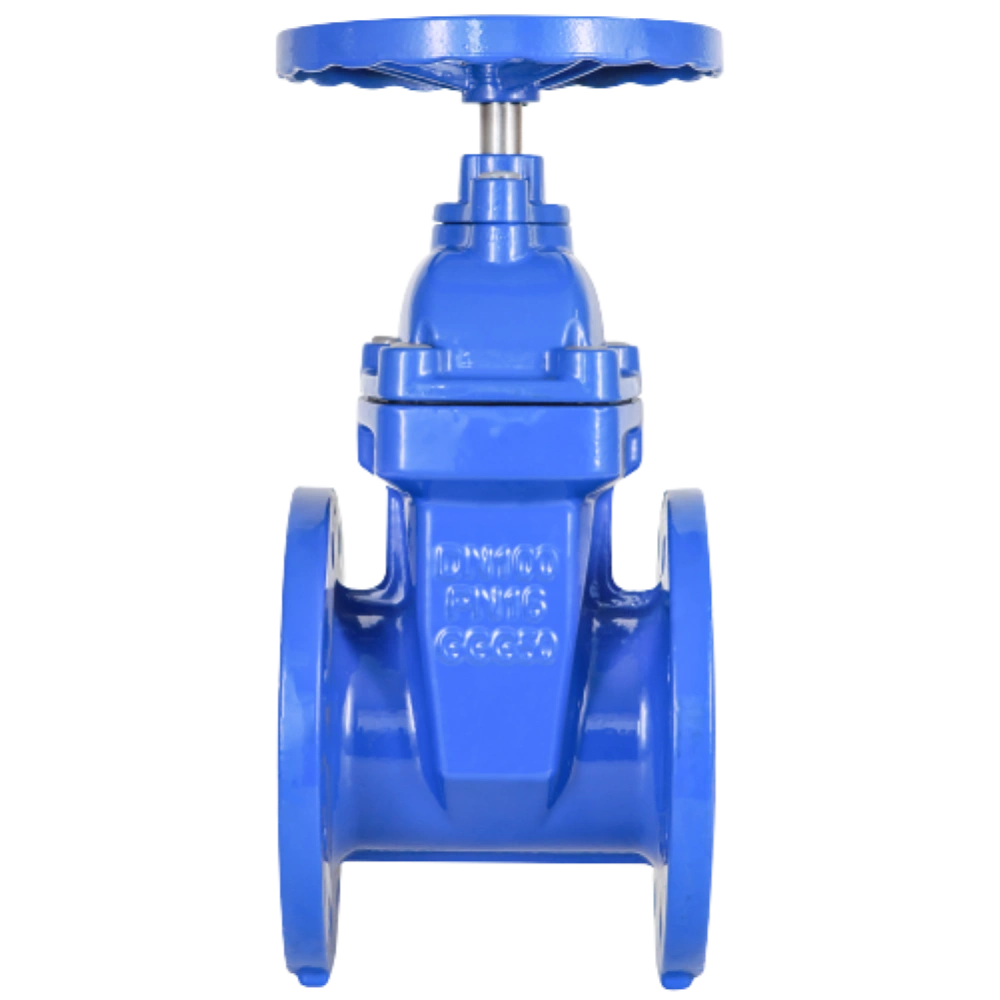
The first major difference between metal-seated and resilient-seated gate valves is what is inside them. In a metal-seated gate valve, hard metal surfaces come together to stop fluid flow. Its internal parts are usually made from materials such as ductile iron and stainless steel. By contrast, a resilient-seated gate valve has a gate covered with flexible rubber. When closed, this gate presses against the valve seat. This helps create a tight seal and prevents water from leaking through.
2- Seat Material & Sealing Mechanism
Secondly, the seating arrangement and its material in resilient and metal-seated gate valves also vary. In resilient-seated gate valves, the gate is covered with rubber material. The seating area is designed to work with this covering. Now, when the gate moves down, the rubber presses against the valve body and forms a tight seal. However, in metal-seated gate valves, both the gate and the seat have hard metal surfaces. When you close the valve, the metal gate moves down and presses against the metal seat. This contact blocks the passage and stops the fluid from flowing.
3- Leakage Performance & Sealing Tightness
When a valve is closed, you naturally expect it to stop the fluid completely. However, this does not happen equally well with every gate valve. For example, in metal-seated gate valves, the leakage performance mainly depends on the two hard metal surfaces. Over time, these metal surfaces, i.e., the gate and seat, get scratched and worn.
Small dirt particles can also sometimes get between them, which prevents proper sealing. As a result, some fluid may pass through even when the valve is fully closed. In contrast, resilient-seated gate valves offer very tight sealing. This is because of the rubber covering over the gate. The rubber layer around the gate presses firmly against the seating area. This fills even small gaps and prevents liquid or gas from passing when it is closed.
4- Abrasion Resistance & Corrosion Resistance
As you know, every pipeline carries a different type of fluid. Some fluids contain harsh chemicals and solid particles that can corrode and scratch the gate valve. That’s where differences in abrasion and corrosion resistance come in. In terms of corrosion, resilient-seated gate valves are the clear winner. Why? Because they have a rubber layer that protects the gate from corrosion.
However, this rubber layer can also be damaged if hit by sharp particles. On the other hand, metal-seated gate valves are more susceptible to corrosion because of their metal gates. However, industrial valve manufacturers use corrosion-resistant metals to prevent this issue. These valves are also less prone to abrasion because of the overall metal body. The metal gate can effectively withstand scratches and damage from solid particles.
5- Pressure Handling Capacity & Operating Torque
Pressure handling capacity is another area where the two valve types show a clear difference. Metal-seated gate valves are generally preferred for high-pressure conditions. Their metal gate can effectively withstand high pressure. However, opening and closing them may require more turning force. However, resilient-seated gate valves are designed mainly for moderate pressure. Very high pressure can deteriorate their rubber covering. But their smooth design usually allows the gate to move with less resistance. That means they require less operating torque.
6- Wear Resistance & Durability (Service Life)
Metal seated gate valves also have an advantage in wear resistance. They have a hard metal gate that is less likely to be scratched or damaged by solid particles. This means they continue working even in harsh conditions and offer a longer service life. On the flip side, resilient gate valves are better suited to less demanding conditions. But constant use, chemicals, high temperatures, or sharp particles often damage the rubber. This can reduce their sealing ability and shorten their service life.
7- Temperature Resistance & Sediment Handling (Debris)
When it comes to temperature resistance, resilient-seated gate valves are slightly compromised. Why? Because too-high temperatures can melt their rubber covering. However, they are handy when it comes to handling small amounts of dirt and sediment in pipelines. Their smooth bottom design prevents debris from collecting inside the valve.
At the same time, the flexible rubber covering adjusts around small particles during closing. Metal-seated gate valves, on the other hand, handle high-temperature liquids and gases very well. Their metal gate does not melt or get damaged by heat. However, debris can sometimes collect near the bottom of these valves. This can affect their sealing performance.
8- Resistance to Scale Buildup & Chemical Attack
Scale buildup occurs when minerals in water collect on the internal surfaces of a valve. Metal-seated gate valves are affected by these deposits. As scale builds up, it stops the metal parts from fitting together properly, which affects the sealing. Chemical attack can be prevented using a suitable metal grade and special coatings. Conversely, resilient seated gate valves are much more resistant to scale buildup. This is due to their smooth rubber covering. This covering leaves fewer places for deposits to collect on the gate. However, their rubber material can react with certain chemicals and become weak, swollen, or damaged. So using the right rubber type is very crucial.
9- Maintenance Requirement & Complexity
As you know, a metal-seated gate has both the gate and valve body made of metallic materials. There is no rubberized coating, which is a drawback. During opening and closing, the gate and valve body rub against each other. This contact is consistent and happens every time you operate the valve. This continuous metal-to-metal contact causes wear of the valve parts. This issue is more noticeable when the valve is handling abrasive liquids.
Metal-to-metal contact wears out the valve and requires regular maintenance. Additionally, you’ll have to visit an expert for this repair, as it is a complex process. In contrast, resilient-seated gates use a rubberized coating, which is a significant advantage. This coating prevents metal-to-metal contact, so metallic parts don’t wear out. Additionally, if there are any issues, these valves are simple and can be maintained and repaired cheaply.
10- Manufacturing vs Installation Cost & Industrial Applications
Metal-seated valves are more complex and expensive to manufacture than their counterparts. Why? That’s because they have a machined metal surface. As I said above, the gate and valve body are both made of metal. To stop flow, the metal parts fit perfectly to create a seal. If their surfaces are not very smooth and precise, they may not create a seal when the valve is closed.
As a result, the liquid may still leak even if the valve is off. Creating this precise metal surface is a complex, time-consuming process. In contrast, resilient-seated gates are affordable for manufacturers. This is because these valves consist of a rubberized coating. This coating provides sealing instead of direct surface contact.
Manufacturers use a rubberized coating without perfectly leveling the surface and get the job done. When it comes to installation cost, both of these gate valves are at the same level. Below is the table showing the application comparison of these two gate valves:
| Metal-Seated Gate Valves | Resilient-Seated Gate Valves |
|---|---|
| Oil and gas pipelines | Municipal water supply |
| Power generation plants | Wastewater treatment |
| Steam distribution systems | Drinking water networks |
| Mining and mineral processing | Irrigation systems |
| Chemical processing plants | Fire protection systems |
| High-temperature pipelines | Low-pressure water pipelines |
| Abrasive slurry handling | Water distribution networks |
Conclusion: Which Gate Valve Type Should You Choose?
Both resilient-seated and metal-seated gate valves help control fluid and gas flow in many systems. But each has its own benefits and strengths. Still wondering which of these gate valves you should choose?
I recommend choosing a metal-seated valve for high-pressure industrial applications. These valves have a metal body, which gives them excellent durability. Additionally, wear resistance and strength make it a decent option in most cases. However, the higher cost of metal-seated gate valves can be a drawback. If you have a tight budget, choosing resilient gate valves makes sense.
Remember, resilient-seated gate valves are ideal where tight sealing, easy operation, and low leakage are important. Their soft rubber coating creates a strong seal, ensuring reliable long-term performance. In this guide, I have discussed their key differences. So the final choice depends on your needs. Before making a final decision, analyze your needs and choose the right gate valve type.