
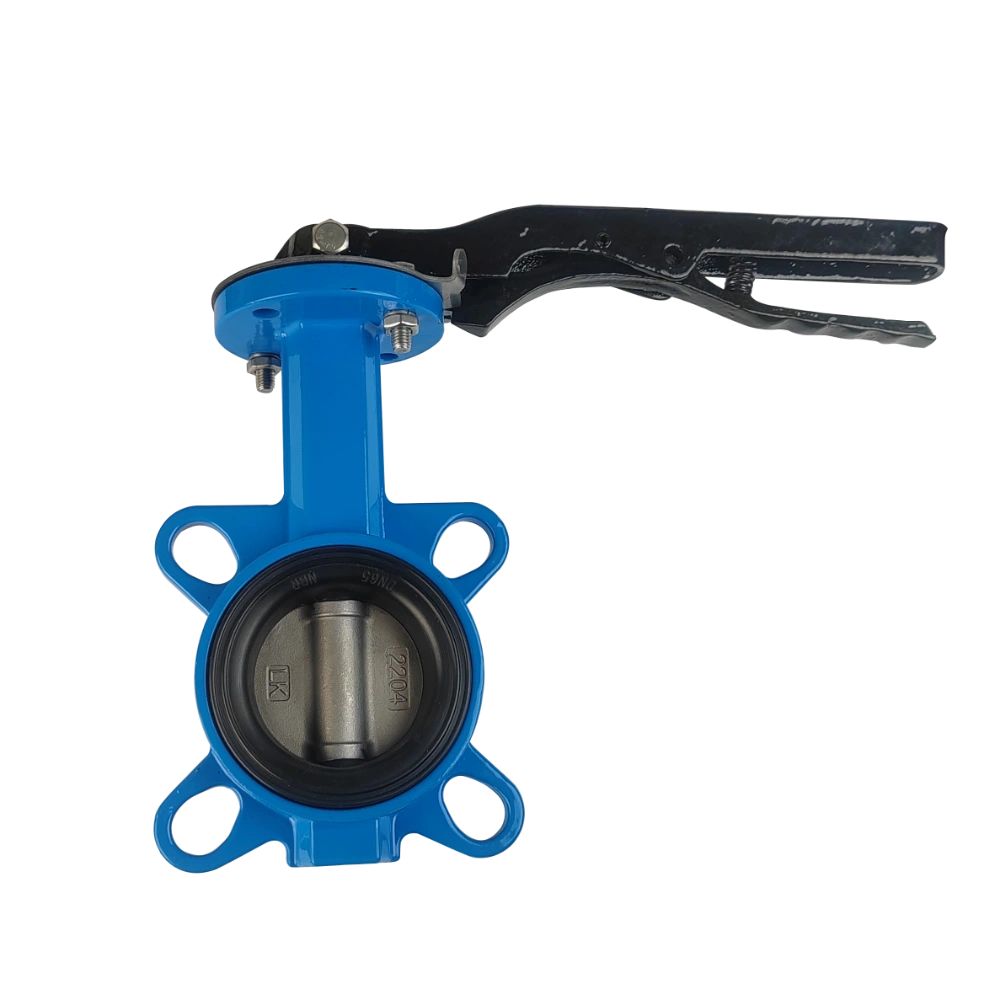
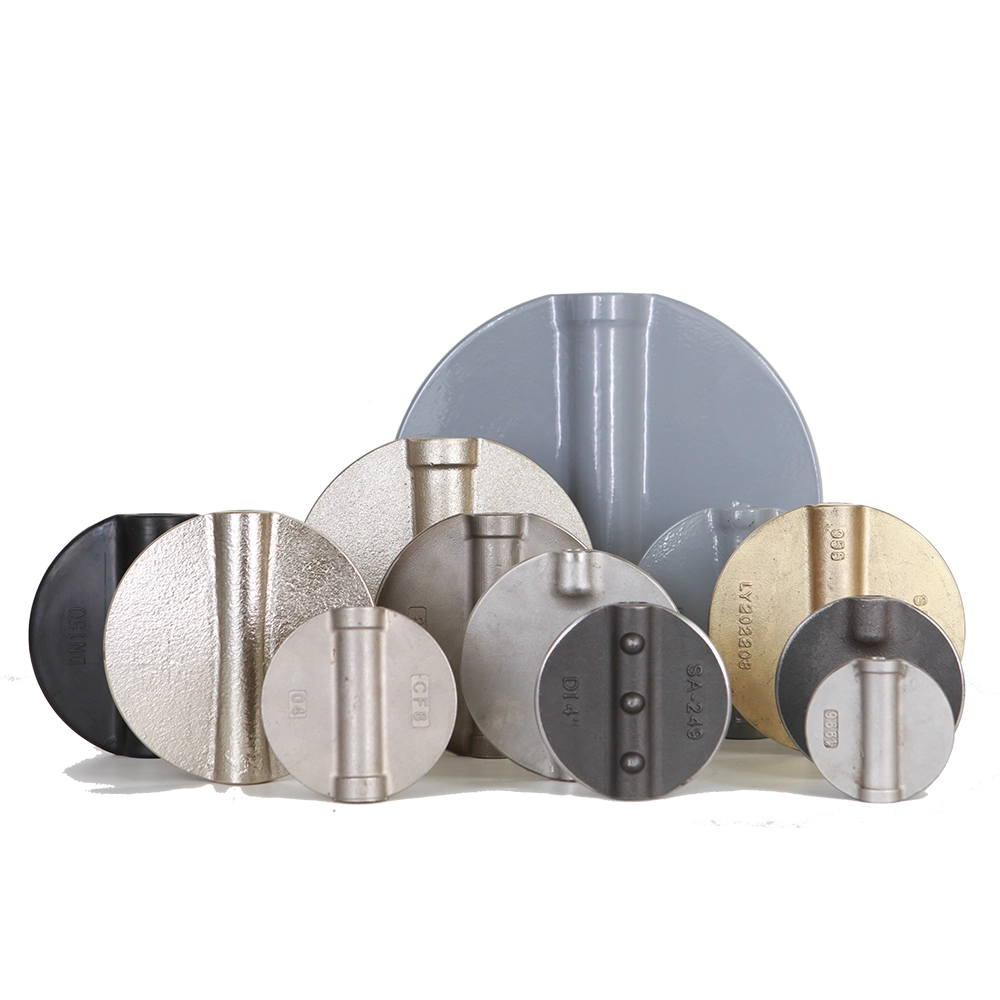
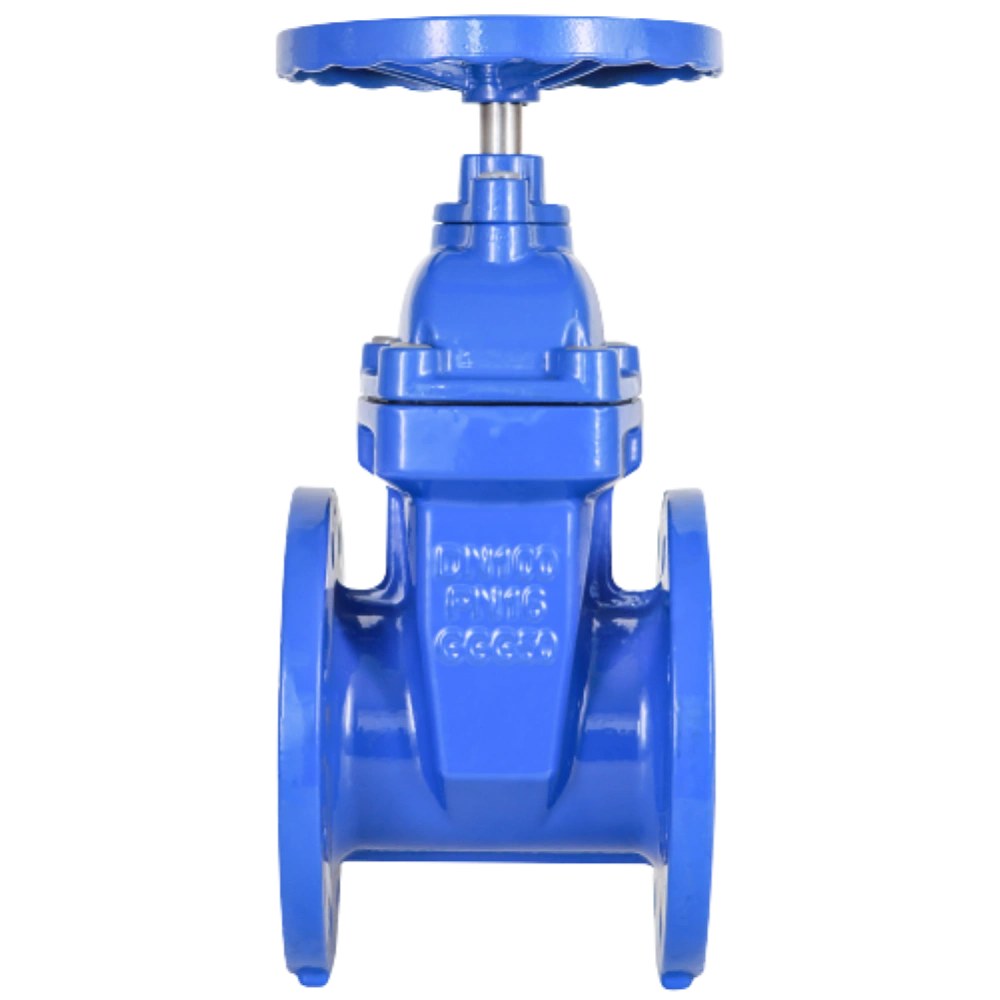
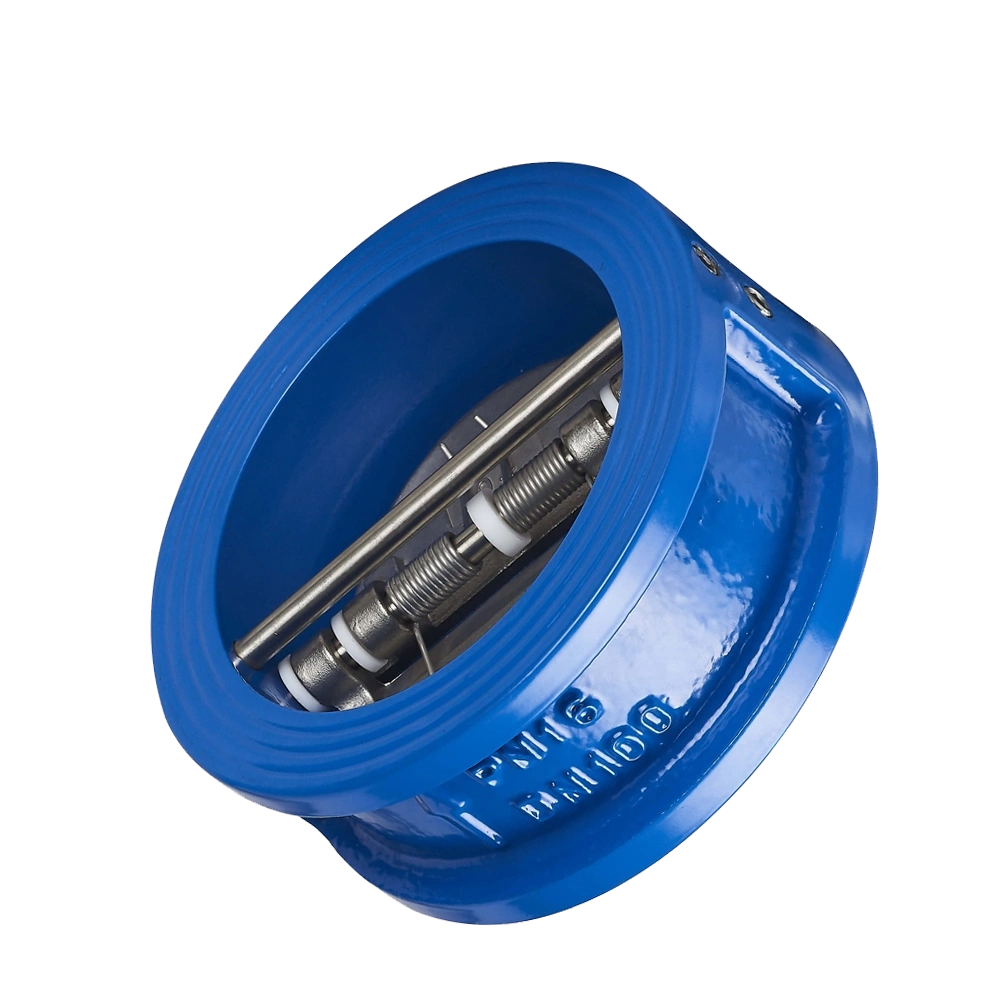
PTFE VS PFA Valve Disc, refer to three types: PTFE-Lined Plates, PFA-Lined Plates, and PFA-Coated Valve Plates. All three belong to the fluoroplastic corrosion protection system, but they differ significantly in material properties, processing technology, performance, cost, and applicable scenarios.
-
Summary

| Project | PTFE-Lined Valve Disc | PFA-Lined Valve Disc | PFA Spray-Coated Valve Disc |
|---|---|---|---|
| Material | PTFE | PFA | PFA Powder Spraying |
| Processing Method | Compression Molding / Insert Lining (Difficult to process) | Injection Molding / Transfer Molding (Easy to process; excellent melt flow) | Perfluoroalkoxy (PFA; Melt-Processable PTFE) |
| Thickness | Typically 2–5 mm (Thick lining) | Typically 1–4 mm (Thick lining; excellent uniformity) | Typically 0.2–1.0 mm (Thin coating) |
| Bonding to Substrate | Mechanical Encapsulation | Fusion Bonding | Surface Adhesion |
| Corrosion Resistance | Excellent (Resistant to almost all chemicals) | Excellent (Comparable to, or slightly superior to, PTFE) | Good (However, thin layers are prone to permeation) |
| Permeation Resistance | Good | Superior (Approximately 30% improvement over PTFE) | Fair (Prone to pinholes and permeation) |
| Mechanical Strength/Toughness | Lower (Prone to cold flow and deformation) | Higher (Better strength at 250°C; resistant to stress cracking) | Lower (Thin coating; prone to scratching and peeling) |
| Temperature Range | -196~260℃ | -196~260℃ (Higher for short durations) | -50~260℃(Practical long-term recommendation: <230°C) |
| Durability/Lifespan | Good (However, complex shapes may develop gaps) | Excellent (Uniform, seamless, and securely bonded) | Fair (Prone to wear; shorter lifespan) |
| High Purity/Cleanliness | Good | Excellent (Extremely low metal ion leaching) | Good |
| Cost | Moderate | Higher | Lowest |
| Typical Applications | General strong acids/bases; medium-to-low pressure conditions | High temperature/pressure; high-purity applications; semiconductor and pharmaceutical industries; severe corrosive environments | Low pressure; low abrasion; non-severely corrosive or cost-sensitive applications |
-
Fundamental Material Differences
2.1. PTFE (Polytetrafluoroethylene)
Possesses a stable molecular structure and is inert to almost all chemical media. Possesses extremely strong corrosion resistance, earning it the title “King of Plastics.”
Disadvantage: Cannot be processed via melt-processing methods.
2.2. PFA (Perfluoroalkoxy Resin)
Belongs to the same family of perfluorinated materials as PTFE; its corrosion resistance is comparable to, or even slightly superior to, that of PTFE.
Key Advantage: Capable of melt-processing (thermoplastic); exhibits excellent flow properties.
-
Structural and Process Differences
Material characteristics dictate the processing methods used. Consequently, PTFE can only be applied to valve discs via compression molding and sintering, whereas PFA offers greater versatility: it can be applied as a full lining (encapsulation)—similar to PTFE—or as a spray-on coating.
3.1. PTFE-Lined Valve Disc

Structural Features:
Consists of a metal valve disc (typically ductile iron or stainless steel) encapsulated within a relatively thick outer layer of PTFE (typically 2–5 mm).
Due to its inability to melt and flow, PTFE cannot “conform precisely to complex geometries.”
Processing Methods:
Compression molding + Sintering
Mechanical encapsulation or press-fit assembly
3.2. PFA-Lined Valve Disc
Structural Features:
Given PFA’s superior melt-flow characteristics, it allows for the encapsulation of more complex shapes. Consequently, compared to PTFE-lined discs, PFA-lined discs feature a more uniform and seamless lining with higher bonding strength, making them less susceptible to delamination.
Processing Methods:
Injection molding / Melt encapsulation (Transfer molding)
3.3. PFA Paint Valve Disc
Structural Features:
A layer of PFA coating is applied to the surface of a metal valve disc.
Typical coating thickness: 0.3 – 1 mm.
Processing Methods:
Electrostatic spraying + High-temperature sintering (similar to Teflon coating). The resulting PFA paint disc surface is smooth; however, the coating is relatively thin and relies primarily on adhesion to the substrate (rather than forming a complete, integral encapsulation).
-
Analysis of Key Differences
4.1. Adhesion and Reliability
PFA Lining ≥ PTFE Lining > PFA Coating
PFA linings are “fused together” with the substrate.
PTFE linings are “mechanically encapsulated” around the substrate.
Spray coatings merely “adhere to the surface.”
4.2. Permeation Resistance
Thick-lined structures (whether PTFE or PFA) provide an almost complete barrier against the process medium. Risk of micropores in the sprayed coating
4.3. Mechanical Impact Resistance
PFA-lined components offer superior impact resistance due to their greater toughness.
PTFE tends to be “softer” and prone to “cold flow.”
Sprayed coatings are the most fragile.
4.4. Temperature Performance
PTFE: Long-term range of approximately -200 to 260°C.
PFA: Long-term range of approximately -196 to 260°C (more stable).
4.5. Service Life
PFA-lined: Longest lifespan (High-end chemical industry).
PTFE-lined: Stable and reliable (General chemical industry).
Sprayed PFA: Under identical operating conditions, the service life is invariably shorter compared to the two lined options mentioned above.
-
Typical Application Scenarios
5.1 PTFE-Lined Valve Plates
Conditions involving strong or general acids and bases.
Water treatment and environmental protection industries.
Cost-sensitive projects.
5.2 PFA-Lined Valve Plates
High-purity chemical processes (Semiconductors, Pharmaceuticals).
Highly corrosive media + High temperatures.
Scenarios where leakage or contamination is strictly prohibited.
5.3 PFA-Sprayed Valve Plates
Mildly corrosive media.
Non-stick surface applications (Food/Pharmaceutical industries).
Non-critical operational positions.