
1.what is the use of butterfly valve? Do butterfly valves have a flow direction?
The butterfly valve is installed on the pipeline, it is used to control the flow, circulating and cutoff the medium in the pipeline. As the flowing medium has a flow direction, the topic of today’s article is whether the butterfly valve has a flow direction and is it a one-way valve or a two-way valve.
2. what is the difference between one-way valve and two-way valve?
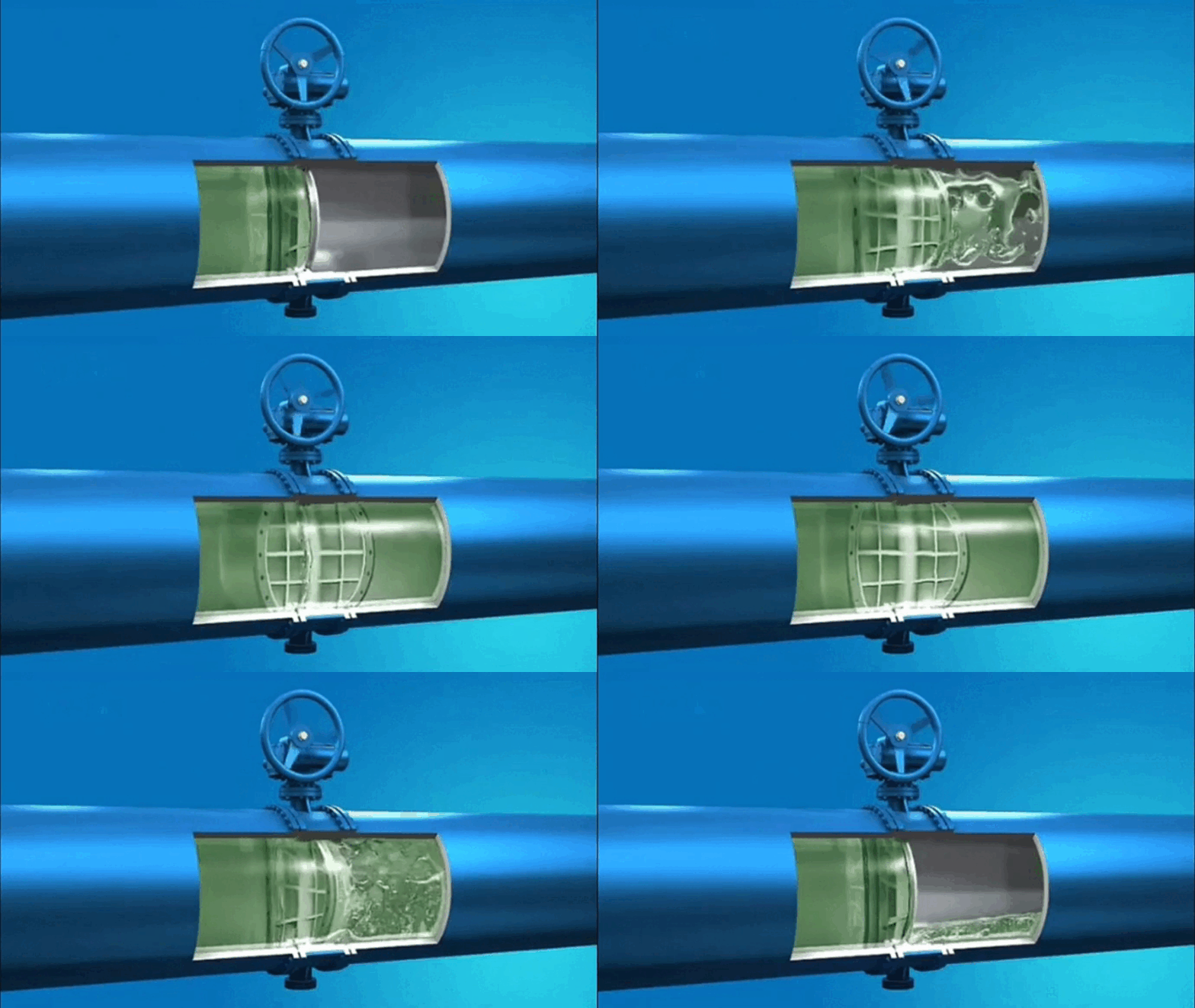
The difference between a two-way valve and a one-way valve is that the two-way valve can bear pressure in both directions, while the one-way valve can only bear pressure in the forward direction. If the one-way valve bears pressure in the opposite direction, it will leak internally.
A one-way pressure-bearing valve means that after the front side of the valve plate is closed, it faces the flow direction of the medium.
3. Is the butterfly valve bidirectional? What is the flow direction of a butterfly valve?
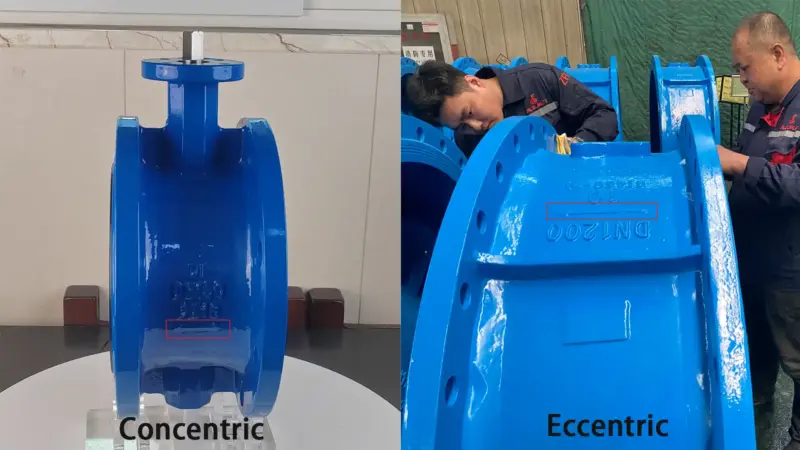
The flow direction of the symmetrical butterfly valve is bidirectional, so the centerline butterfly valve can handle the flow of the medium in both directions. The standard configuration of asymmetric double-eccentric and triple-eccentric butterfly valves is one-way. If two-way is required, special processes are required.
1) What is concentric butterfly valve?
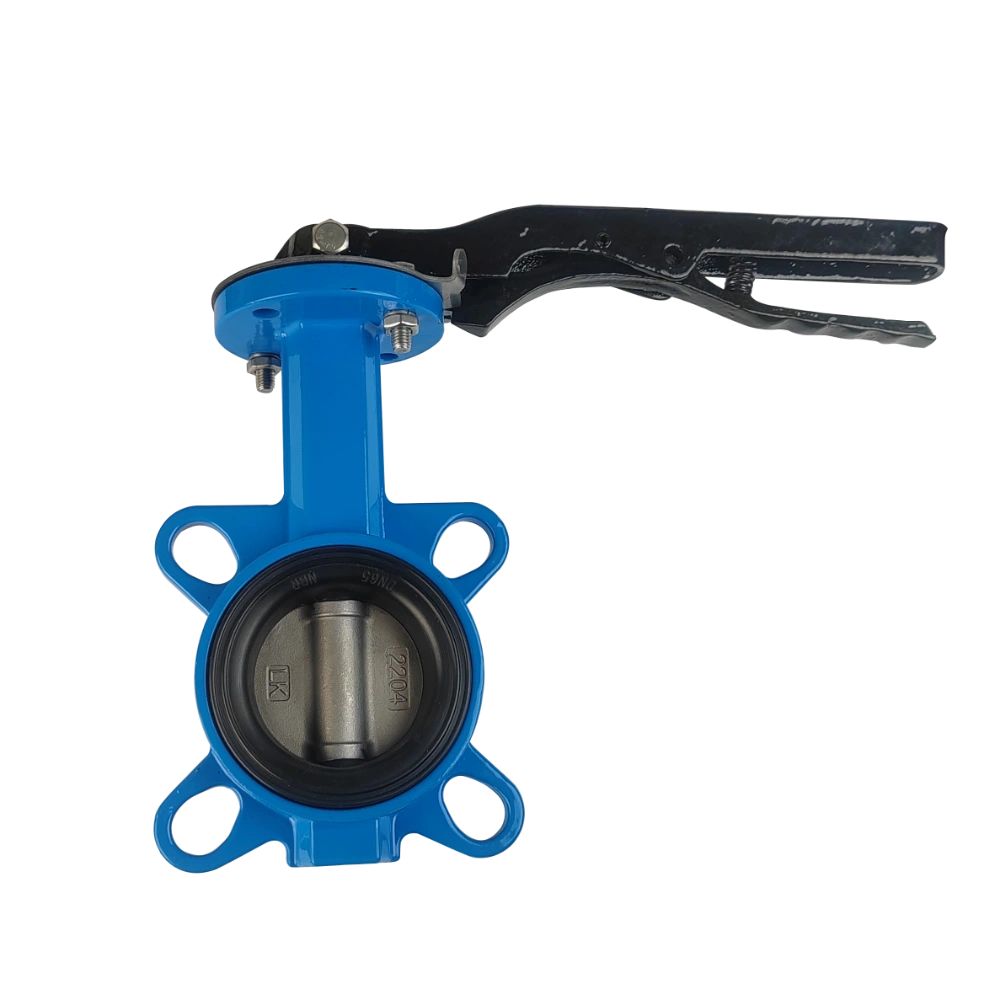
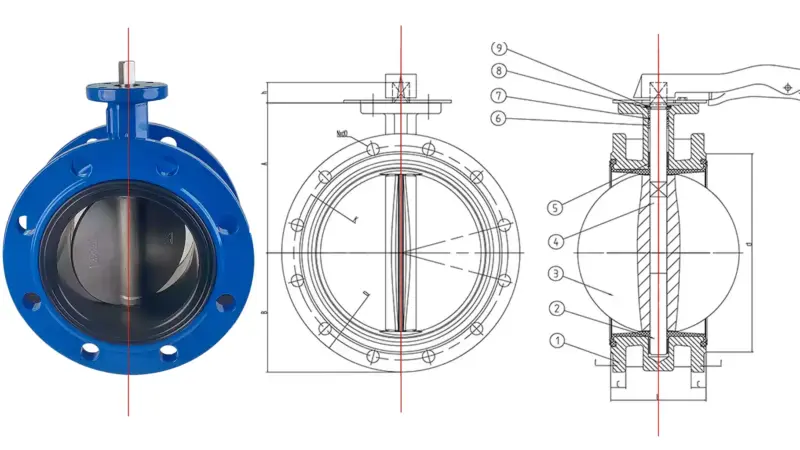
The valve body, valve plate, valve seat and valve stem of the centerline butterfly valve have front and side symmetry. (As shown in following picture)
Is the centerline butterfly valve bidirectional?
The symmetrical design of the Centerline Butterfly Valve allows fluid to flow evenly in either direction without compromising performance or efficiency. These types of valves typically do not have flow direction arrows on the valve body.
This bi-directional capability enhances their suitability in systems where reverse flow often occurs, such as water distribution networks and cooling systems.
2) what is eccentric butterfly valve?
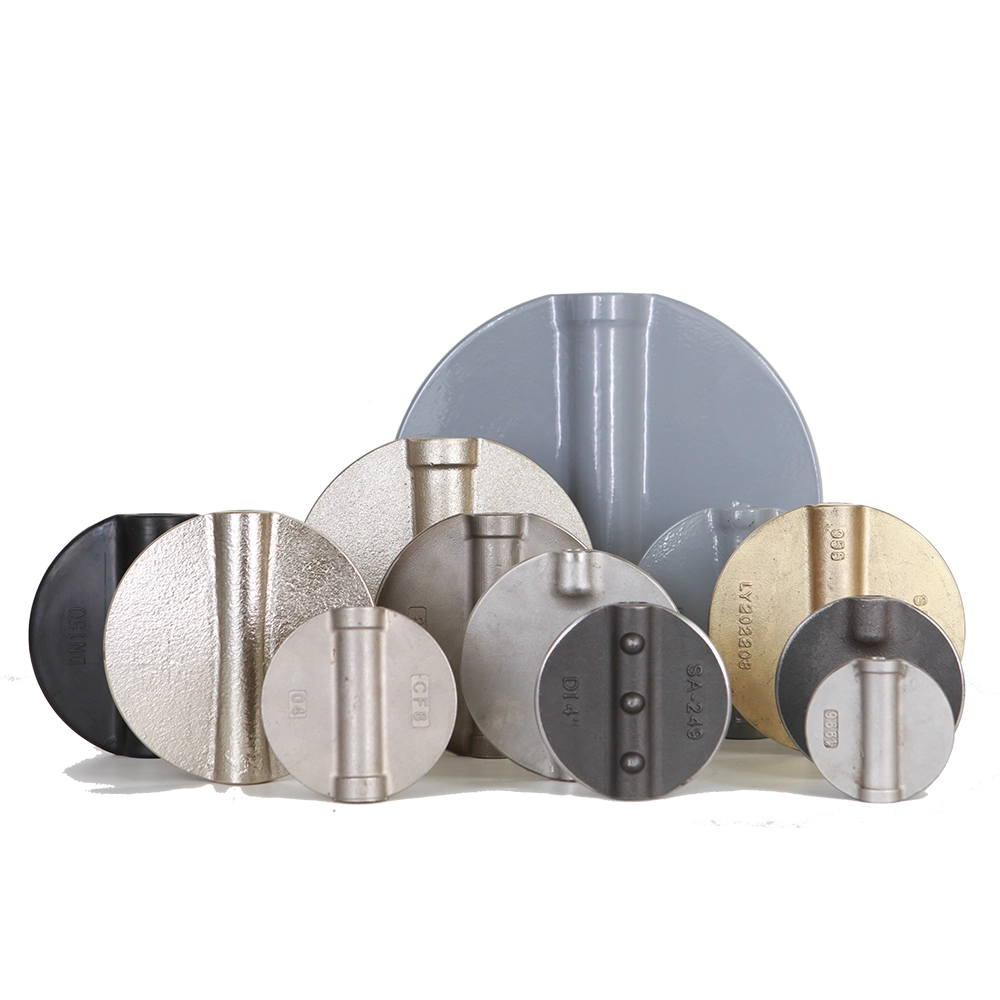
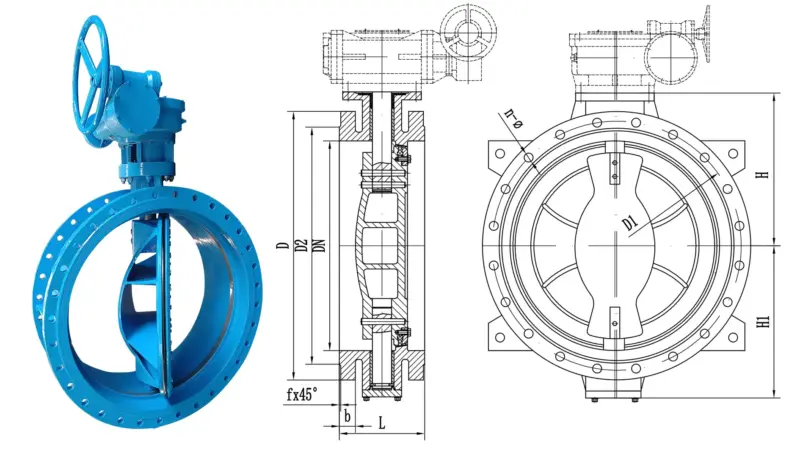
Only the valve body of the eccentric butterfly valve is symmetrical, while the valve plate, valve seat and valve stem are all asymmetrical. (As shown in the following picture)
①Is the eccentric butterfly valve bidirectional?
The first concept to be sure of is that double-eccentric and triple-eccentric butterfly valves can also be made in two directions, but the standard configuration is one-way. If your working conditions do not require the use of a two-way sealing eccentric butterfly valve, it is recommended to use the standard eccentric butterfly valve. Because two-way sealing requires special processes, this means that the price will be higher.
②Does flow direction matter in butterfly valve?
Even the two-way sealing eccentric butterfly valve has a preferred flow direction. The correct installation direction will help open or close the valve and affect the sealing performance.
A marking of one-way or two-way sealing is cast on the valve body. If the eccentric butterfly valve you choose is not two-way, you must pay attention to the installation direction of the butterfly valve.
③ So, can a one-way butterfly valve actually close when installed in reverse?
To answer this question, we must first understand the fundamental principle.
– What makes the seal work in reverse?
– Is the force path of the seal reasonable in reverse?
– After long-term reverse operation, is the failure a “slow decay” or a “sudden failure”?
Double eccentric/high-performance butterfly valves & triple eccentric butterfly valves:
The sealing pair is:
Composite seat/Pure metal seat
There is a clearly defined pressure side
The closing end exhibits:
A slight “wedging action”
The deeper issues are:
• Forward (recommended direction): The medium pressure pushes the disc “closer” to the sealing seat, forming a pressure-energized seal. The higher the pressure, the greater the sealing force, and the actuator only needs to overcome a small amount of frictional torque.
• Reverse: Pressure enters from the opposite side, attempting to “push open” the disc; the seal relies entirely on the mechanical force of the actuator (position-energized).
In short
• Forward: Pressure → Valve plate → Valve seat → Metal support → Complete force path → Tightening with increasing pressure
• Reverse: Pressure → Valve seat back → Local suspension/shear stress concentration → Uneven wear of sealing surface → Leakage
4. In summary
Butterfly valves do enable bidirectional control of flow, making them an indispensable component in fluid handling systems. Adhering to butterfly valve flow restrictions ensures optimal performance and service life.