
Valves are common in applications where controlling water flow is important. These valves are durable and help regulate flow efficiently. However, different types of valves differ in their operation and efficiency. Among these, globe valves and gate valves are very common. However, people often debate globe valve vs gate valve.
The reason is that there are many differences between gate and globe valves. Some people consider globe valves superior. However, some people also consider the gate valve a more efficient option. Is the globe valve really better than the gate valve? That’s confusing, right? In this article, I will discuss the differences between globe valves and gate valves.
Overview of Gate Valves & Globe Valves
Before diving into the comparison, I will first discuss the basics of both gate and globe valves.
Gate valves are simple and offer single functionality. They are used to either stop or allow the flow of fluid or gas in pipelines. In contrast, globe valves are more complex and offer dual functionality. They can control and regulate the flow of fluid and gas, as well as fully stop and allow it. These valves differ in their operating mechanisms.
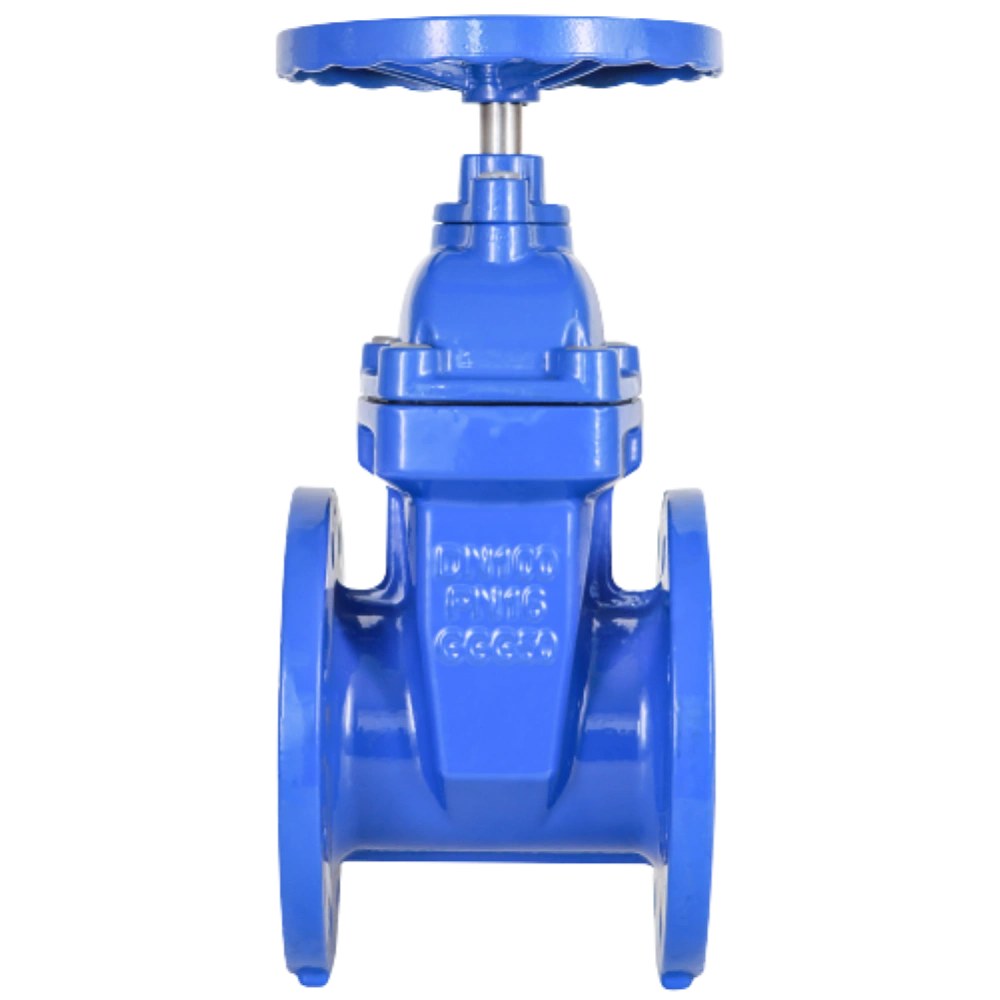
Gate valves have a flat or wedge-shaped gate that allows or stops fluid flow. When the valve handle is moved, the gate descends. It closes the straight path through which fluid flows. Closing the path stops the flow of fluid or gas.

In contrast, globe valves don’t have the simple mechanisms that gate valves do. Instead, they come with multiple components such as a disc, seat, and so on. Additionally, the path through which fluid flows is curved instead of straight. When the handle is moved, the disc moves against the seat. This way, the disc is moved upward, allowing the fluid to pass through. However, when the handle is moved slightly (partially), the disc remains half open, ensuring slow flow of liquid.
When the disc is down completely, it stops the flow of the fluid. Remember, this increases or decreases the flow of fluid slowly. This working mechanism makes globe valves an ideal option for throttling. You can move the handle to adjust the position of the disc as per your needs. If you want more fluid flow, you can keep the disc upwards completely. To reduce flow, keep the disc halfway down (partially open), so it obstructs the flow.

Globe Valve VS Gate Valve: What Are the Differences?
As I discussed, the globe and gate valves have different working mechanisms. This causes many other differences in their performance and efficiency. In the section below, I will explore the primary differences between globe and gate valves.
1- Functionality & Role
Both gate and globe valves differ in their functionality and roles. Gate valves are used as shut-off valves. This means they can either fully stop or fully allow the flow of fluid. There is no in-between when it comes to the functionality of gate valves. That’s why they are also considered valves with unifunctionality. On the other hand, globe valves offer dual functionality.
They can be used as both a shut-off valve and a regulator. How? You can keep the disc partially open and get controlled (slow) flow of the fluid. When the disc is fully down, it completely stops the flow. Similarly, when the disc is completely up, this fully allows the flow of the fluid. That’s why globe valves offer bifunctionality (shut-off and regulate the flow). Simply put, globe valves give you more control over the flow of the fluid.
2- Internal Design & Flow Path
As I said above, gate valves are simple in terms of their design and shape. They consist of a wedge-shaped gate that is responsible for the working of these valves. This gate moves up and down to control the fluid flow. Once it is up, it allows the fluid to flow and vice versa. On the other hand, globe valves are more complex in terms of their internal design.
They consist of a seat, disc, and curved path for the fluid to flow. The disc moves against the seat to control the flow of the fluid or gas. The path through which fluid flows is S-shaped (curved) in these globe valves. However, this path is straightforward for gate valves. The straight path simply means fluid flows without any hindrance or resistance. However, in the globe valve, the fluid flow is not smooth and faces hindrance.
3- Flow Control Capability & Pressure Drop
When it comes to flow control capability, the globe valves stand out. They can allow you to partially open the disc as per your preferences. This way, you’ll be able to control how much fluid should go through the path. On the other hand, gate valves are only shut-off valves. They don’t allow you to regulate flow; instead, they let you either fully stop the flow or allow it.
Remember, in the gate valve, the fluid flows through a straight path. So it does not face any sort of resistance that could drop its pressure. No resistance means the fluid flows through at a consistent pressure. This is very useful when you want to supply fluid over a long distance. The pressure drop is common in globe valves. The reason is that fluid has to flow through a curved path, which reduces its pressure.
4- Throttling Ability & Efficiency
Globe valves are a superior option for throttling. As I said, these valves allow you to adjust the fluid flow. You can move the handle, adjust the position of the disc, and get fluid flow as per your needs. This way, you can get throttling by adjusting the disc position using the handle. On the other hand, gate valves don’t allow you to keep the gate at a partial position. You’ll have to either keep the gate shut or fully open.
So, you cannot get throttling when using gate valves. Even if you try to get throttling from the gate valve, it would cause vibration and damage the valve. Since these gate valves allow fluid to flow in a straight path, it encounters no resistance. This way, more fluid flows with higher speed, which increases the efficiency of gate valves. Pressure drop is common in globe valves, which affects their efficiency.
5- Durability & Speed of Operation
Typically, both gate and globe valves are made of the same materials. So their durability comes down to how optimized the structure they have. Gate valves have fewer components with a simple working mechanism. When working, the gate does not rub against any other components. This ensures better durability of the gate valve.
On the other hand, globe valves consist of complex structures with multiple components. Additionally, discs always come in contact with the seat when you open or close these valves. This consistent contact of parts causes wear and tear in them. As a result, globe valves are more prone to deterioration as compared to gate valves. However, globe valves are faster to operate because the disc has to cover shorter distances.
6- Precision & Maintenance
Globe valves are hands down the winner when it comes to precision. Why? The reason is that these valves allow you to adjust the flow as per your needs. You can keep the disc up to get maximum fluid flow. By keeping the disc partially open, you’ll get less flow. Simply adjusting the disc will allow you to get more precise control as per your needs.
With gate valves, it is not possible to control the flow of the fluid or gas. You will have to keep the gate fully open or closed, which means fluid will either flow or stop. When it comes to maintenance, the gate valves are better. Their parts don’t make contact with each other. So there is less wear and tear in them, so they need less maintenance. Globe valves require more maintenance because their parts (disc and seat) rub against each other.
7- Cost & Application Areas
Gate valves are an affordable option compared to globe valves. The reason is that these valves are simple and only offer single functionality. On the other hand, globe valves are more advanced and come with complex structures. Additionally, these valves also offer dual functionality, which makes them stand out.
However, their improved performance comes at a trade-off, as these valves are more expensive. When it comes to applications, both globe and gate valves vary from each other. Gate valves are typically preferred in large pipelines that are spread over a larger area. Here is the table showing a comparison of the applications of these two valves:
| Gate Valve Applications | Globe Valve Applications |
|---|---|
| Water supply systems | Steam control systems |
| Oil & gas pipelines | Cooling water regulation |
| Isolation/shut-off service | Flow control applications |
| Wastewater systems | Chemical processing lines |
| Bulk fluid transport | Pressure regulation systems |
Frequently Asked Questions
Can a globe valve replace a gate valve?
Yes. It is possible to replace the gate valve with a globe valve, especially when you need throttling and more controlled fluid flow. Under normal conditions, this replacement should not be done.
How to tell a gate valve from a globe valve?
Gate valves have a simple tall body with a gate and a straight path for fluid flow. In contrast, globe valves are bulb-shaped with more complex structures. You can identify the globe shape by whether it can regulate the flow.
What are the disadvantages of a globe valve?
Some key drawbacks of these globe valves are as follows:
- Pressure drop due to resistance
- Complex structure and less durability
- Higher pricing and higher regular maintenance.
Conclusion: Which One Should You Choose, Globe or Gate Valve?
The selection between globe and gate valves can be very confusing.
Choose gate valves primarily because of their higher efficiency and simplicity. These valves require no maintenance and are very durable. Additionally, they have a straight path for fluid flow, which makes them highly efficient. Above all, the cost of the gate valve is also low.
However, there are some applications where throttling is more efficient than higher fluid flow. In such a case, choosing a globe valve makes sense. These valves are not very durable, but they allow you to adjust the fluid or gas flow. Additionally, you’ll be able to operate them more easily and quickly, which is a significant advantage. In the end, analyze your needs and choose wisely between these two valves.