
1. Choosing Between a Valve Manufacturer and a Trading Company
1.1 Butterfly Valve Manufacturer (Butterfly Valve Factory)
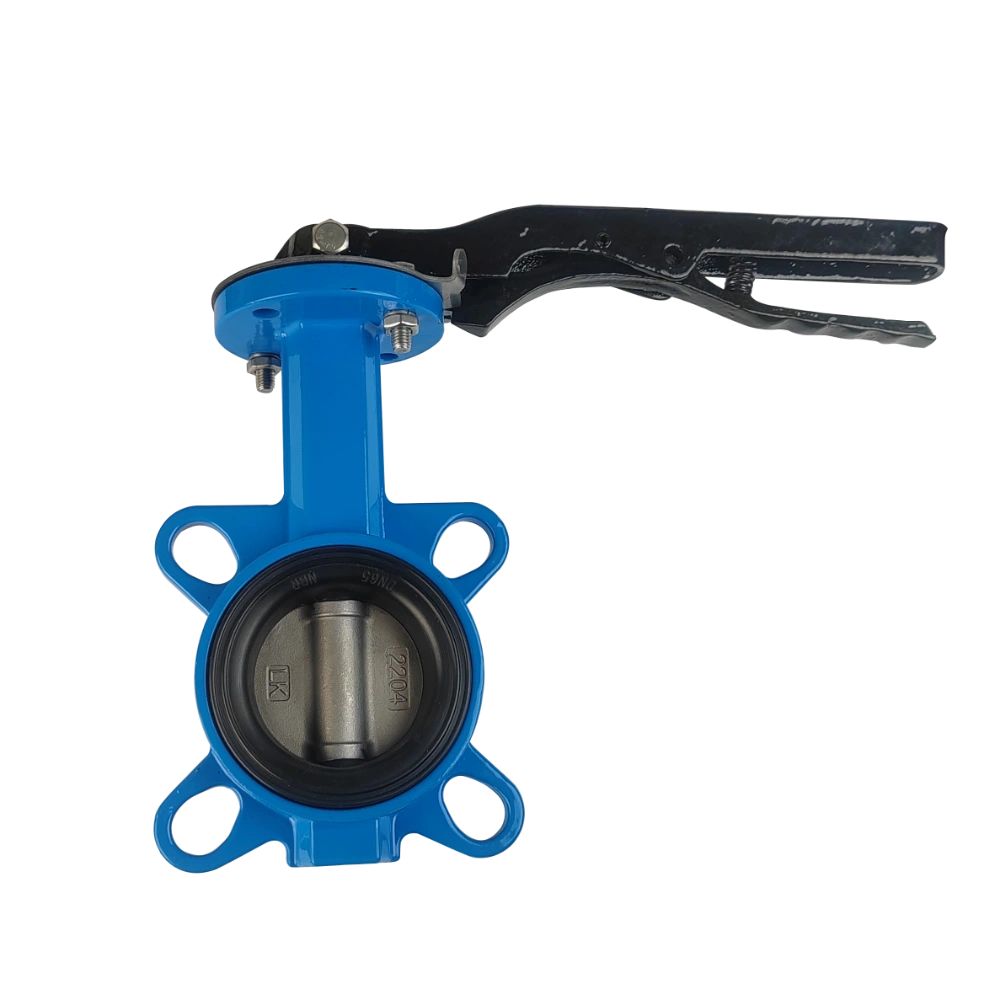
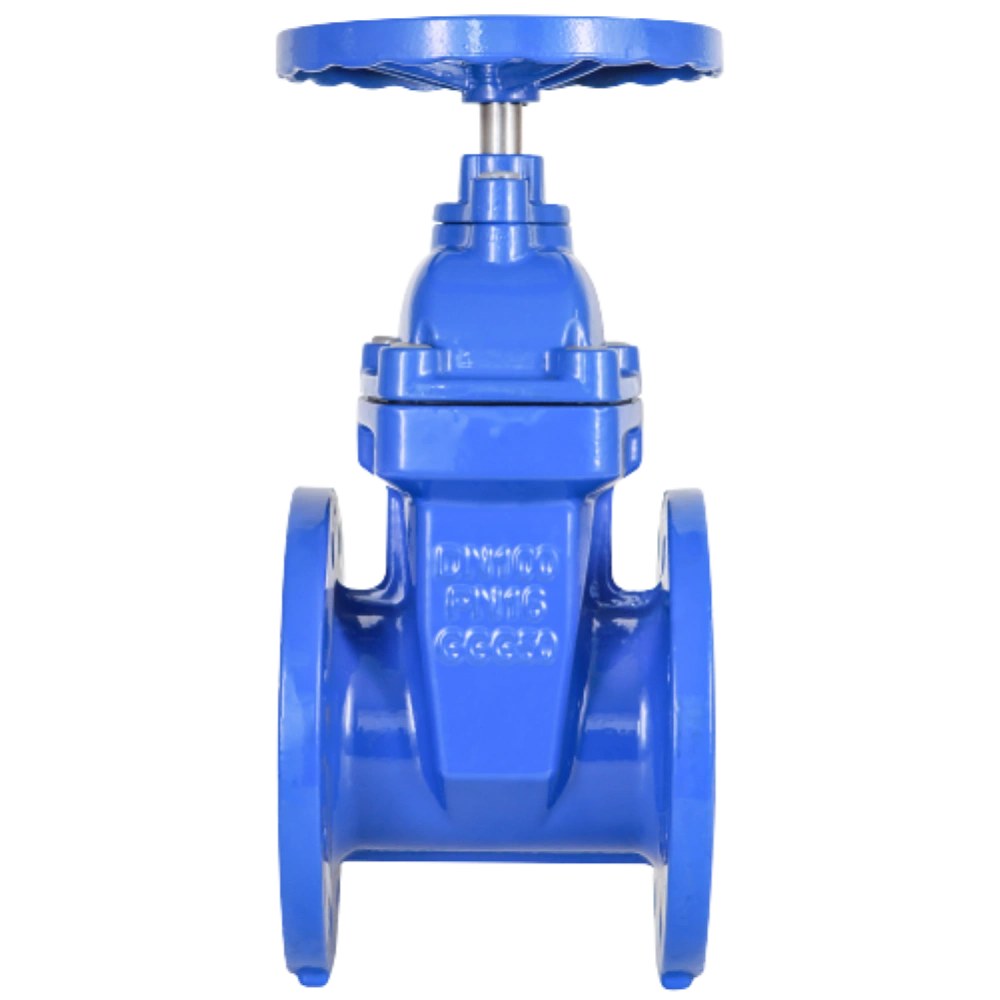
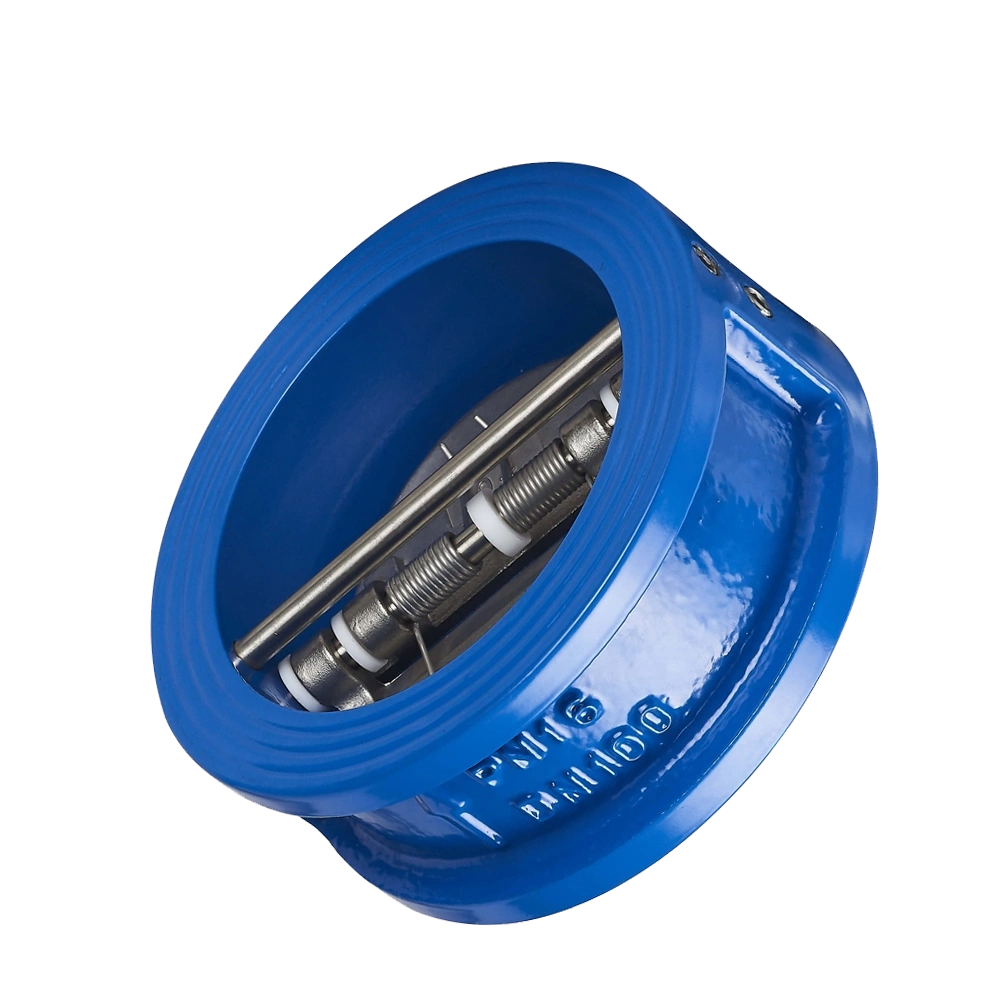
The butterfly valve manufacturers own their own production workshops and casting, machining, and assembly lines, directly manufacturing butterfly valves (such as wafer butterfly valve, lug butterfly valve, flanged butterfly valve, and eccentric butterfly valve etc). However, their product lines are often relatively specialized; for instance, a company like ZFA Valve might only offer butterfly valves, gate valves, and check valves.
They focus on manufacturing and maintain direct control over product quality, production processes, and costs.
They possess independent R&D capabilities, offering customized solutions (e.g., special materials, actuation methods) and OEM services, while directly resolving technical issues related to on-site installation and commissioning.
1.2 Trading Company
These are intermediaries that do not manufacture products themselves but source them from multiple factories for export or sale. They can offer valves at various quality levels to suit different markets, provide brand comparisons, and offer one-stop procurement services, thereby reducing the customer’s sourcing and vetting costs.
1.3 So, which should you choose?
If you prioritize cost-effectiveness, OEM capabilities, and specific process control, the original manufacturer is the best choice.
If you need a flexible mix of various valve types or want to simplify supply chain management, a trading company is a more efficient option.
2. What are the differences in technical capabilities?
Technical capability is arguably one of the most significant differences between the two.
2.1 Manufacturer’s Technical Capabilities
valve manufacturer in China usually have their own technical teams that can directly participate in:

-Product selection
-Material recommendations
-Drawing modifications
-Non-standard (custom) designs
-OEM development
-Application/operating condition analysis
Manufacturers can recommend suitable materials and structural designs based on:
-Temperature
-Pressure
-Media (fluid type)
-Frequency of use
2.2 Trading Company
Trading companies typically need to relay customer inquiries to the factory.
The process generally looks like this:
Customer
↓
Trading Company
↓
Factory Engineer
↓
Trading Company
↓
Customer
Regarding technical communication, the chain of communication is longer when complex issues arise, which increases the risk of misunderstandings.
3. Quality Control Capabilities
3.1 Manufacturer’s Quality Control Capabilities


Manufacturers have direct control over:
– Raw material inspection
– Machining dimensions
– Coating quality
– Seat installation
– Assembly processes
– Pressure testing
– Final factory inspection
The entire quality process is more transparent.
3.2 Trading Companies
Trading companies generally rely on partner factories to carry out quality control.
Some large trading companies may arrange for:
– On-site factory inspections
– Third-party testing
– Pre-shipment random inspections
Consequently, the quality of the final product depends largely on the management standards of the partner factory.
4. OEM Customization Capabilities
Industrial butterfly valve projects often require non-standard products, such as:
– Special pressure ratings
– Special seat materials
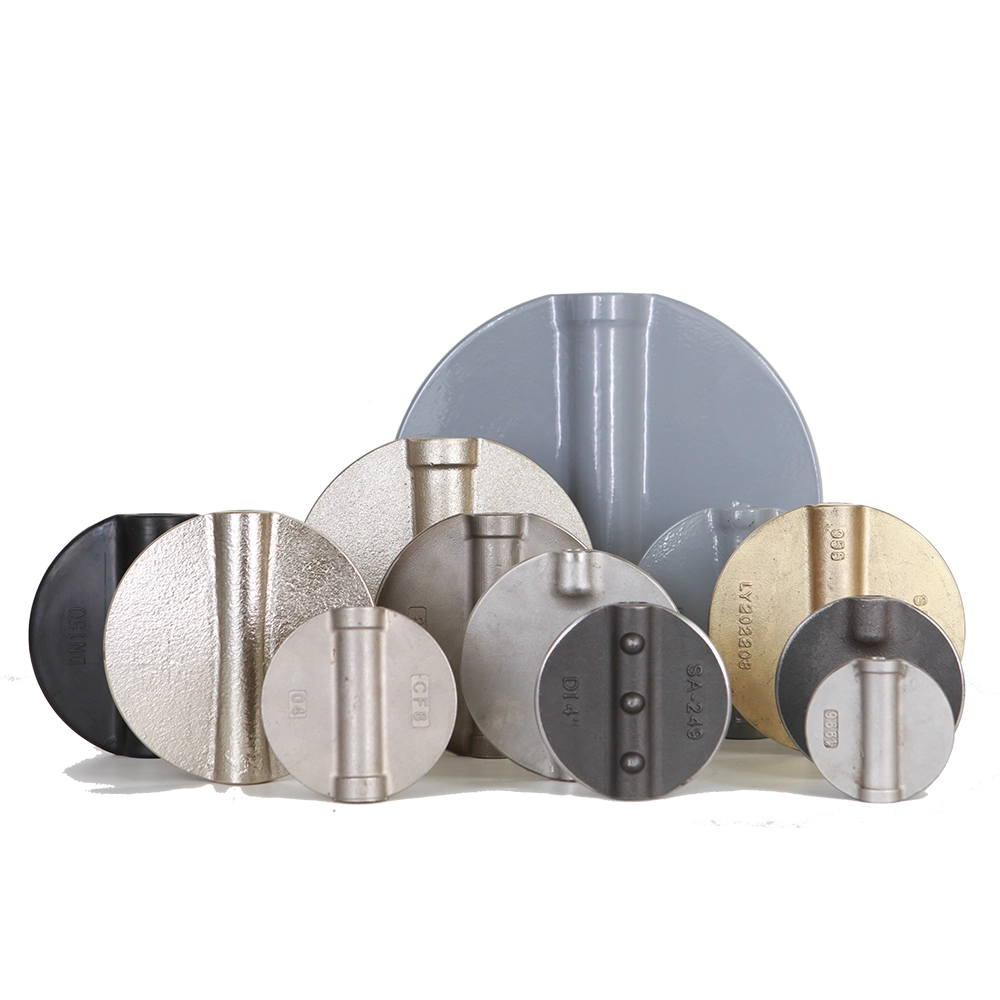
– Special disc materials
– Special actuators
– Special colors
– OEM branding (e.g., cast lettering on the valve body)
Manufacturers can directly assign engineers to assess feasibility and quickly adjust production plans.
Trading companies can also provide customization services, but this usually requires multiple rounds of communication with the factory; as with technical discussions, the overall communication cycle may be longer.
5. Are Manufacturers Always Cheaper?
Many procurement professionals believe that “sourcing from a factory is always cheaper than sourcing from a trading company.” In reality, this is not necessarily the case.
Manufacturers can often eliminate intermediaries, giving them cost advantages in areas such as:
– Bulk purchasing
– OEM orders
– Long-term partnerships
However, for orders involving a mix of products, trading companies can sometimes consolidate multiple suppliers to provide a competitive overall quote.
6. Lead Times
Manufacturers can directly manage:
– Raw material procurement
– Production scheduling
– Machining progress
– Pressure testing
– Shipment arrangements
For large-scale projects or ongoing procurement, delivery schedules are generally easier to control.
Lead times for trading companies are subject to the production schedules of their partner factories.
7. After-sales Service
Manufacturers can typically provide:
-Installation guidance
-Drawing support
-Technical consultation
-Spare parts supply
-Product improvement recommendations
Because they are familiar with the product’s design and manufacturing details, they can usually resolve technical issues more directly—particularly regarding spare parts, where traceability allows for tracking specific batch details.
8. How to Verify Whether a Butterfly Valve Supplier Is a Real Manufacturer?
Before purchasing, focus on the following aspects:
Does it have its own production facilities?
For example:
-Machining equipment
-Assembly workshop
-Pressure testing equipment
-Coating/painting line
Does it possess R&D capabilities?
Including:
-Product drawings
-Technical team
-Customization case studies
-Product testing capabilities
Can it provide comprehensive documentation?
For example:
-Material certificates
-Inspection reports
-Pressure test records
-Product certifications
This information helps the buyer more thoroughly evaluate the supplier’s capabilities.
9. Conclusion
There is no absolute superiority or inferiority between butterfly valve manufacturers and trading companies; the choice depends on specific procurement needs.
how to choose butterfly valve supplier: choose a manufacturer if you are prioritizing high quality and cost-effectiveness; consider a trading company if you are purchasing a variety of valves simultaneously and wish to save time.