
Pipelines are an important part of many industries. They carry water, oil, gas, and other fluids over short and long distances. However, moving fluids or gases is not the only part of the system. Controlling the flow is also crucial. Sometimes the flow must be stopped for maintenance tasks. Other times, you need to adjust the flow. That’s where pipeline valves come in. If you are new to them, you might get confused. But there is no need to worry! This guide to pipeline valves will make things easier. I will cover how they work, their types, standards, and how to choose the right one. So let’s get started.
What Are Pipeline Valves & How Do They Work?
Pipeline valves are mechanical devices that control the flow of liquids and gases inside pipelines. They help start, stop, or adjust the movement of fluids. Some valves also prevent fluids from flowing in the wrong direction. They are used in pipeline systems to keep fluid movement under control.
In pipelines, different fluids or gases move from one place to another. However, they do not always flow at the same rate. Sometimes workers have to stop the fluid flow completely for maintenance work. Similarly, sometimes the flow rate must be slowed or sped up, or a particular line needs to be closed. To make all of this happen, pipeline valves play a key role. But how do these valves actually control the flow?
Basically, most valves have an internal moving part that opens, closes, or partly blocks the passage inside the valve. This part might move up and down, turn around, or swing. All of this depends on the valve’s design and type. When you turn a handle or handwheel, this movement changes the space available for the fluid to pass through. Some modern pipeline valves also use an actuator. This actuator operates the valve automatically.
What Are the Common Types of Pipeline Valves?
Every pipeline has different fluid or gas flow needs. So, a single valve design cannot perform all the functions. That’s why industrial valve manufacturers make different pipeline valves. Here are some common types of pipeline valves you must know.
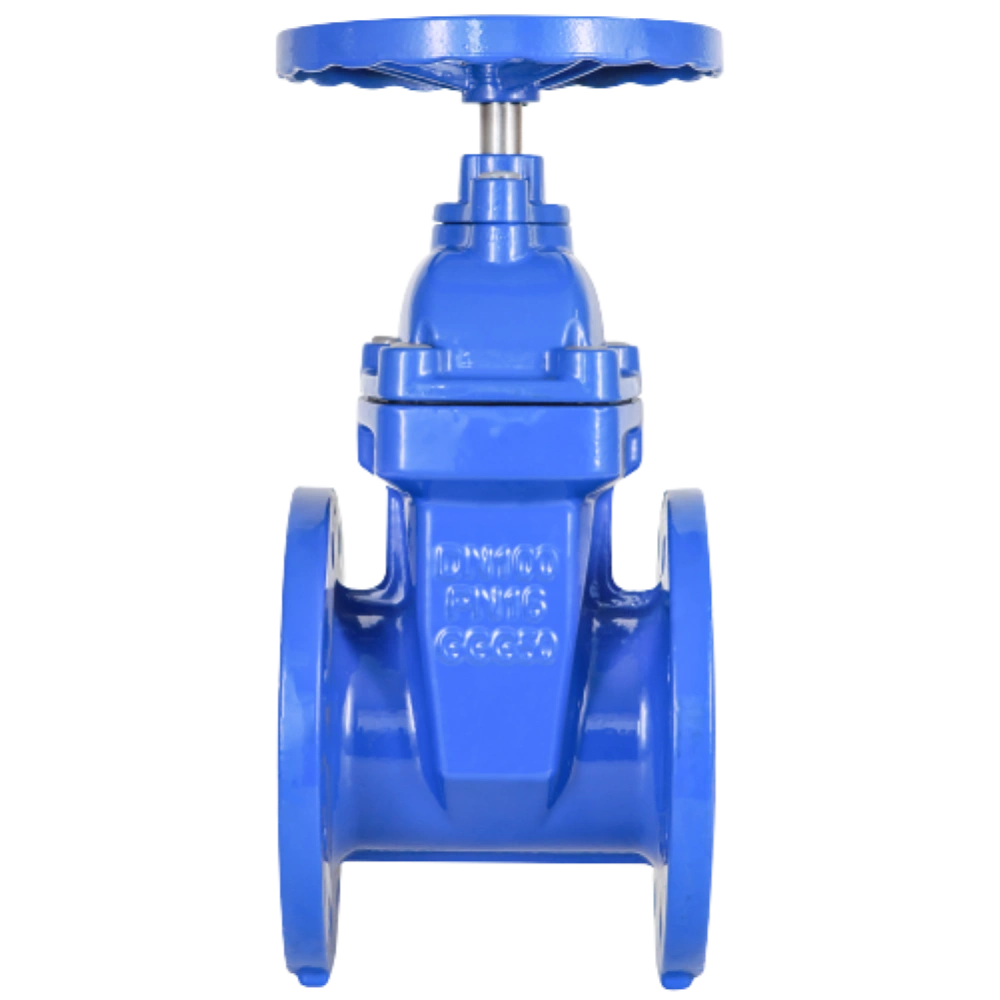
1- Gate Valves
Gate valves are among the most common pipeline valves in many industries. As the name suggests, these valves use a gate-like part to control fluid flow. When this gate moves up, it opens the passage. However, when the gate moves down, it blocks the fluid. You can operate it by turning a handwheel, which raises or lowers the gate inside the valve.

This mechanism allows very little resistance. This means fluid can pass through with little obstruction. They are often used in large water supply lines, oil pipelines, and industrial systems. However, gate valves are meant only to stop or allow fluid to pass completely. They do not regulate fluid flow.
2- Ball Valves
Ball valves are another type that has a simple but effective design. Inside the valve body, a round ball has a hole running through its center. This hole is what controls the fluid flow. For example, when you turn the wheel so the ball moves and the hole aligns with the pipelines, the fluid can pass easily.

However, when the ball moves and its solid side comes in line with the pipelines, the fluid completely stops. The biggest advantage of ball valves is their quick operation. Unlike gate valves, ball valves open or close with a simple 90-degree turn. This makes them suitable for oil and gas lines, water systems, and chemical processing plants.
3- Globe Valves
When a pipeline needs more than simple on-off control, globe valves are a suitable option. They are specially designed to regulate the amount of fluid or gas through a pipe. How? Actually, they have a movable disc that presses against or moves away from a fixed seat. When the disc moves away or lifts upward, it allows fluid flow.

However, when this disc presses tightly against the seat, it stops fluid flow. In addition, the disc can open partially to adjust fluid flow. Therefore, they are used in steam lines and cooling systems. However, their main drawback is the internal flow path. In these valves, the fluid has to change direction as it passes through. This creates more resistance and pressure loss.
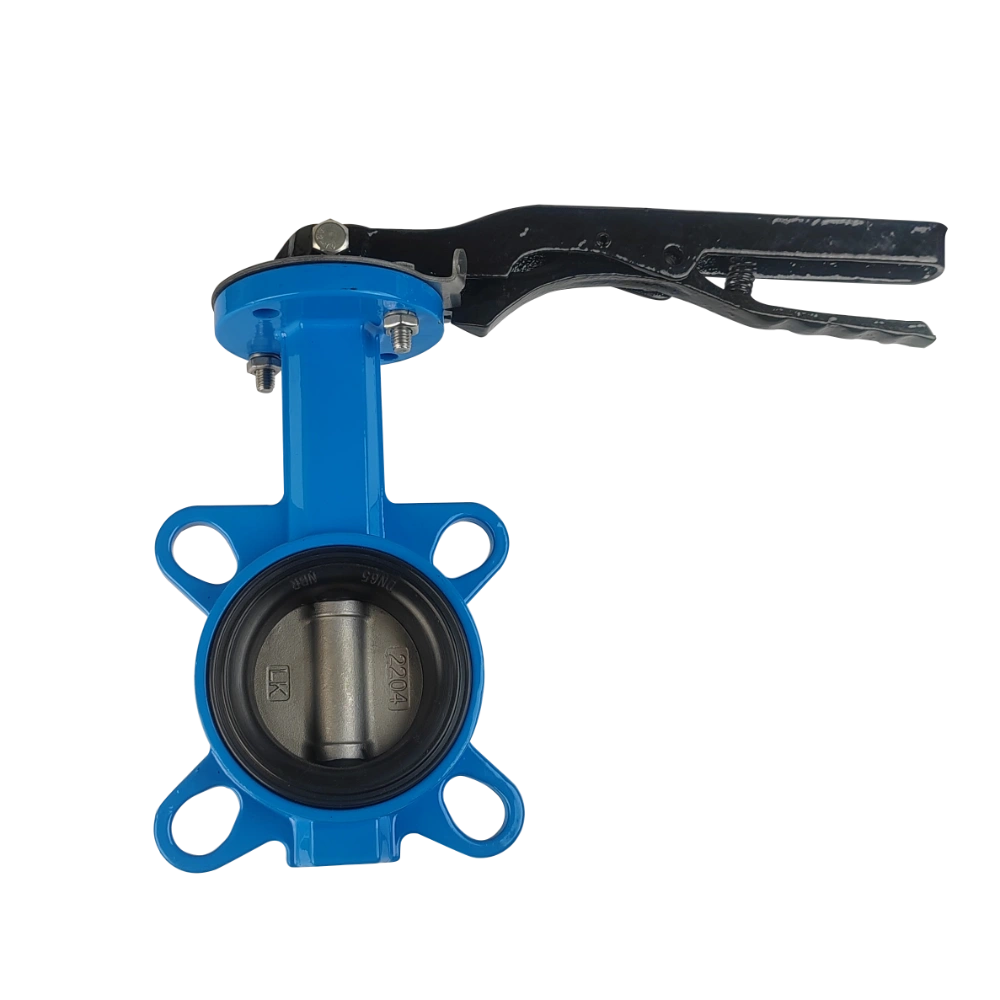
4- Butterfly Valves
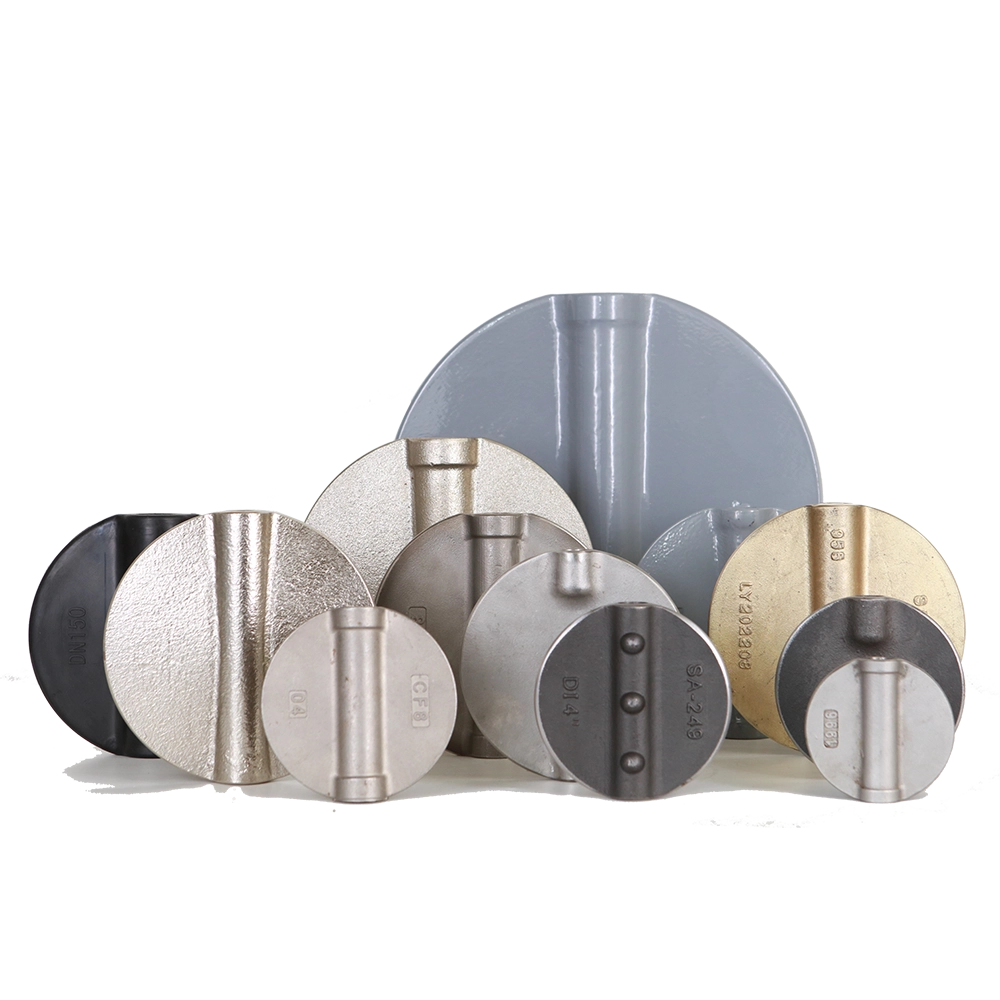
Butterfly valves are the most popular choice for large pipelines where space is limited. Why? The reason lies in their design. These valves have a flat, circular disc mounted on a rotating shaft. This disc sits inside the pipeline and turns to control the flow. When it rotates parallel to the fluid movement, the valve opens.

However, when it turns across the flow path or becomes perpendicular to it, the fluid flow stops or is reduced. This also helps adjust fluid flow. But their major benefits are their compact butterfly design and light weight. This makes them much easier to install and also less costly. Therefore, they are handy in water treatment plants, wastewater networks, and HVAC pipelines.
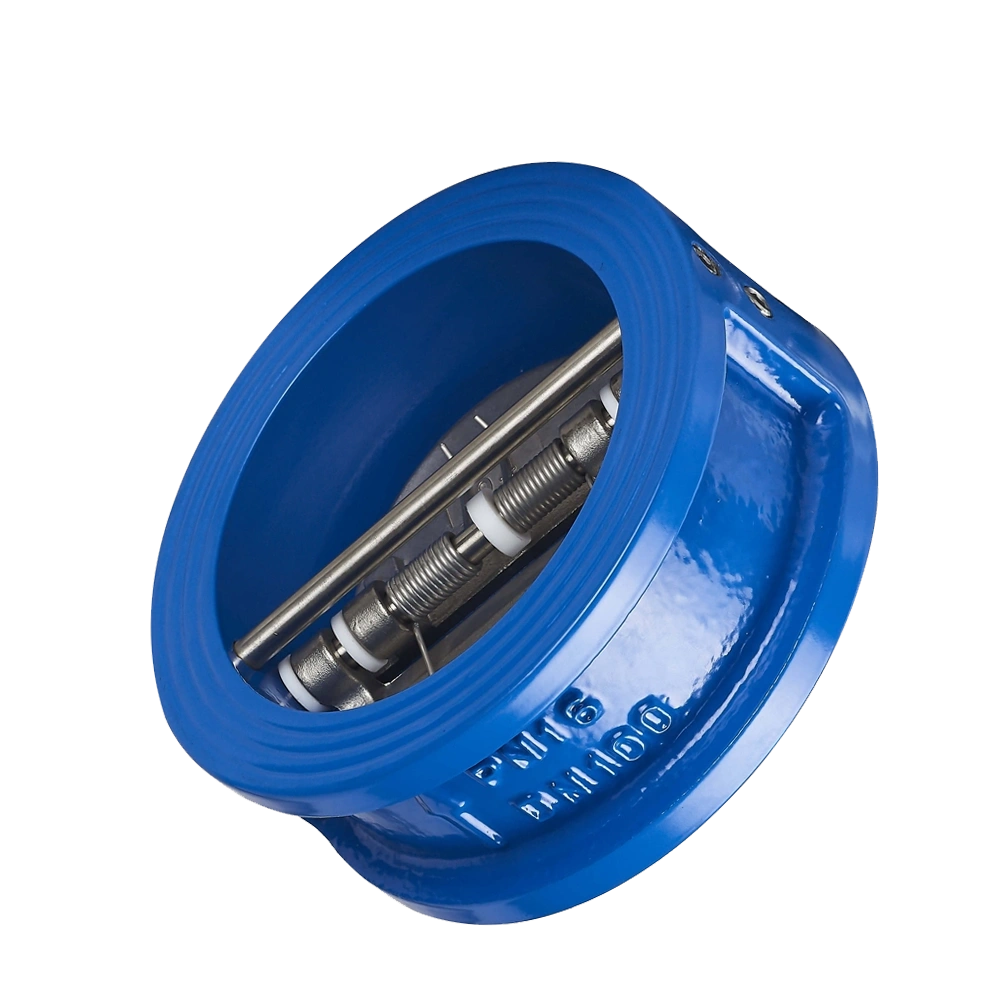
5- Check Valves
Check valves are actually safety valves. How? Suppose a water pump sends water through a pipeline. What happens when the pump stops? Water starts moving backward through the line. Right? This backward movement affects the pump and other connected equipment. To prevent this backward motion, check valves are designed. Unlike gate and ball valves, check valves usually operate automatically.
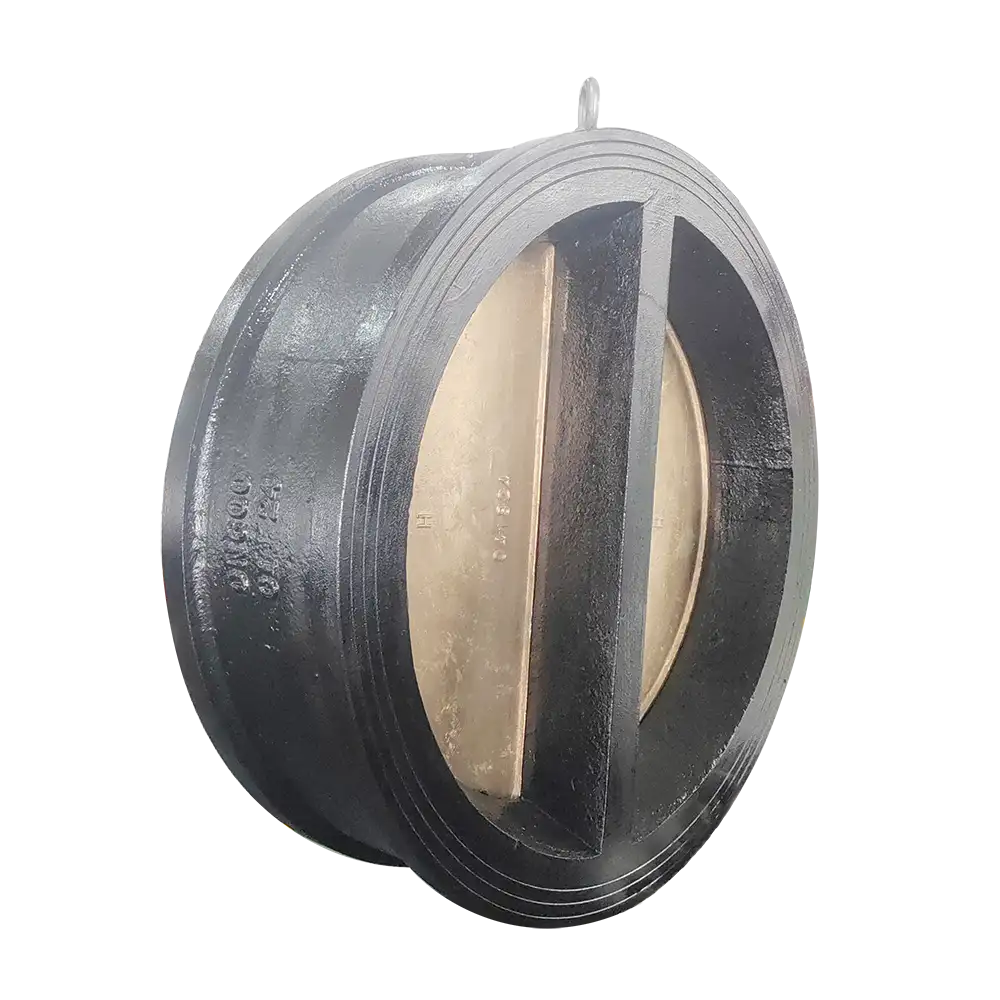
They don’t require someone to turn a handle or operate a handwheel. When fluid moves in the correct direction, its pressure pushes the internal disc of the check valve away from the seat. This opens the valve and allows fluid to pass. However, if the flow tries to flow backward, the closing part moves back against the seat. This blocks the passage completely.
6- Plug Valves
Lastly, plug valves are a type of quarter-turn valve. However, their internal design is different from that of ball valves. They use a solid cylindrical or tapered plug with a hole through its center. When the hole aligns with the pipeline, fluid flows through it. Turning the plug by 90 degrees places its solid side across the passage and stops the flow.
They work like ball valves, but the internal design is different. Their simple construction makes them useful. Many plug valve designs have fewer internal parts. This makes them easier to install in demanding systems. Some designs also include special features to handle thicker fluids.
Important Pipeline Valve Standards
Pipeline valves must work safely under different pressure, temperature, and operating conditions. But how can buyers know whether a valve is properly designed and tested for its intended job? This is where industry standards come in. These standards provide rules for valve manufacturers to follow during design and production. Here are some important pipeline valve standards.
1- API 6D
API 6D is one of the most important standards for valves used in oil and gas pipeline systems. It gives requirements for designing, manufacturing, assembling, and testing different pipeline valves. It mainly covers ball, gate, check, plug, and axial valves. But why is this standard important? As you know, oil and gas pipelines operate over long distances. They carry fluids under high pressure. A valve failure in such a system will lead to leakage, equipment damage, and serious safety problems. API 6D helps manufacturers follow requirements for materials, construction, and pressure testing.
2- ASME B16.34
ASME B16.34 covers design and construction requirements for industrial valves. It applies to valves with flanged, threaded, and welded ends. It focuses on pressure-temperature ratings, materials, dimensions, testing, and marking. This standard also covers the relationship between pressure and temperature. A valve can handle a certain pressure at normal temperature. However, its pressure limit often changes as temperature increases. ASME B16.34 helps manufacturers establish the right pressure-temperature ratings.
3- API 598
A valve might look strong from the outside. But how would you know whether it will hold pressure without leaking? API 598 helps answer this question. It is a standard for pipeline valve inspection and testing. It covers gate, globe, ball, plug, check, and butterfly valves. Under this standard, manufacturers perform checks to assess the valve’s condition and performance. These include pressure tests that help check whether the valve body will safely hold pressure. At the same time, they help check whether the valve’s closing parts provide the required level of tightness.
4- API 600
API 600 is a specific standard for steel gate valves for industrial pipelines. Flanged and butt-welding-end steel gate valves with bolted bonnets fall under this standard. It sets requirements for design, materials, dimensions, construction, and inspection. But why do gate valves need a separate standard? They continuously operate under high pressure and temperature. That’s why their body, gate, stem, and other internal parts must be strong. API 600 provides guidelines for these important design details.
5- API 608
API 608 is a standard that covers pipeline metal ball valves. It explains the requirements these valves must meet during design and manufacturing. It also provides requirements for ball valve connection types, such as flanged, threaded, and welded ends. A ball valve contains parts like the seat and ball that must work together properly. A slight misalignment can lead to leakage. But 608 helps prevent these problems by setting manufacturing requirements.
6- API 609

This standard covers butterfly valves. As mentioned above, butterfly valves are used when a pipeline needs compact, lightweight valves. However, not every butterfly valve can work well for every pipeline. A valve used in a water treatment plant will face very different conditions from one installed in an oil or chemical processing facility. API 609 addresses the requirements for different industrial butterfly valve designs. It helps manufacturers select the right material design and assembly for different applications.
7- API 594
Now, it comes to API 594, which covers check valves. These valves allow fluid to move in one direction and stop it from flowing backward. Unlike gate or ball valves, check valves usually do not require someone to open or close them manually. They respond automatically to changes in fluid flow. API 594 provides requirements for this response. It provides guidelines for the valve design, materials, and different check valve designs.
8- ISO 5208
Testing pressure limits of pipeline valves is very important. Almost every type of pipeline valve must operate under high pressure. This international standard focuses on pressure testing pipeline valves. It covers different types of pressure tests, including shell tests and closure tests. A shell test checks the strength of the valve body and looks for leakage through its outer parts.
On the other hand, a closure test checks whether the valve can stop fluid from passing through when it is fully closed. ISO 5208 also sets leakage acceptance requirements for valve testing. This means it helps manufacturers understand how much leakage, if any, is acceptable during a test.
How Do You Choose the Right Pipeline Valve? Selection Guide
As you can see, there is variety in pipeline valves. However, not every valve can handle every operating condition. Every one has a different design and meets different needs. Choosing the wrong one can cause leakage and even accidents. If you are not sure which one to choose, don’t worry! Here, I will discuss some factors that you must consider.
-
Required Function
First, understand what you actually need the valve to do. Some valves only stop or allow fluid to pass; others can also control and adjust its flow. When you need to fully open or close a pipeline, a gate valve is a better choice. However, a globe valve is more suitable when you want to control the flow rate. If your main concern is preventing reverse flow, a check valve can do that automatically.
-
Working Pressure
Pressure is another important point that you should never overlook. Every pipeline operates under a certain amount of pressure. Right? If you choose a valve randomly, it will cause leakage and damage. So your valve must also be able to handle that pressure. For this, pay heed to the pressure rating mentioned on the valve label. Another factor worth considering is pressure surges. Sometimes, pressure inside a pipeline rises suddenly due to pump starting, stopping, or rapid valve closure. Your selected valve should be able to handle these surges as well.
-
Operating Temperature
You should also consider the temperature at which the valve will operate. Too low temperature can cause material to shrink. Similarly, too high a temperature can also reduce the strength of some valve materials. So, before choosing a valve, check both the minimum and maximum operating temperatures.
-
Right Material
Pipeline valves are made from different materials, such as carbon steel, ductile iron, cast iron, stainless steel, and more. Each material type has a different purpose. Some resist rust, while others handle high pressure and temperatures. So understand where your valve will be used and what it will carry, then choose the material accordingly.
-
Fluid Type
Now think about what the valve will carry. Water, oil, gas, steam, chemicals, and wastewater all behave differently. This means a valve that works well with one fluid will create problems when used with another. For example, if a pipeline carries dirty water, its particles will collect inside a valve. In such cases, you should choose a valve with lower resistance. Similarly, for chemical exposure, the valve must be rust-resistant.
-
Valve Size & Connection Type
The valve should fit your pipeline properly. If you choose the wrong size, it will restrict fluid flow or create installation problems. To avoid this, check your pipeline diameter and choose a valve that matches the system requirements. Also, consider the connection type. Pipeline valves are available with different connections. Common options include flanged, threaded, and welded. Choose the connection type that is compatible with your pipeline.
-
Maintenance & Operating Cost
Lastly, the valve you choose must match your budget. But when buying, don’t focus only on the initial price. You should also think about how much it will cost to operate, repair, and maintain over time. Some valves are cheaper to buy but need frequent repairs or replacement parts. This can increase their total cost in the long run. So choose a good-quality valve even if it is slightly more expensive because it will reduce maintenance costs.
Conclusion
Valves are a small but very important part of industrial pipelines. They help everything run properly. They control fluid flow, prevent backflow, manage pressure, and help protect pipelines from damage. However, not all valves are the same; they come in different types, as discussed in this guide. Each type has its own purpose, design, and working limits. So choose the one that matches and fits your pipeline system’s needs.