
In the chemical industry, everything is about controlling gases and hazardous liquids. A slight mishandling of such liquids can lead to dangerous accidents and leaks. Hence, to prevent all these mishaps, different valves come into play. But not all those valves work in the same way; they vary in design and function. So if you are working in the chemical industry, knowing those valves is most important. But if you are new to industrial valves, worry not! In this guide, I will explore the types of valves used in the chemical industry along with their functions and specifications. So let’s get started.

Some Common Types of Valves Used in the Chemical Industry
Generally, the chemical industry uses a variety of valves to manage flow, pressure, and safety. All those valves work differently and have their own structures. If you use or choose the wrong valve, you will get leaks and wasted material. Thus, to help you understand better, here are some common types of valves you will find in the chemical industry.
1- Gate Valve
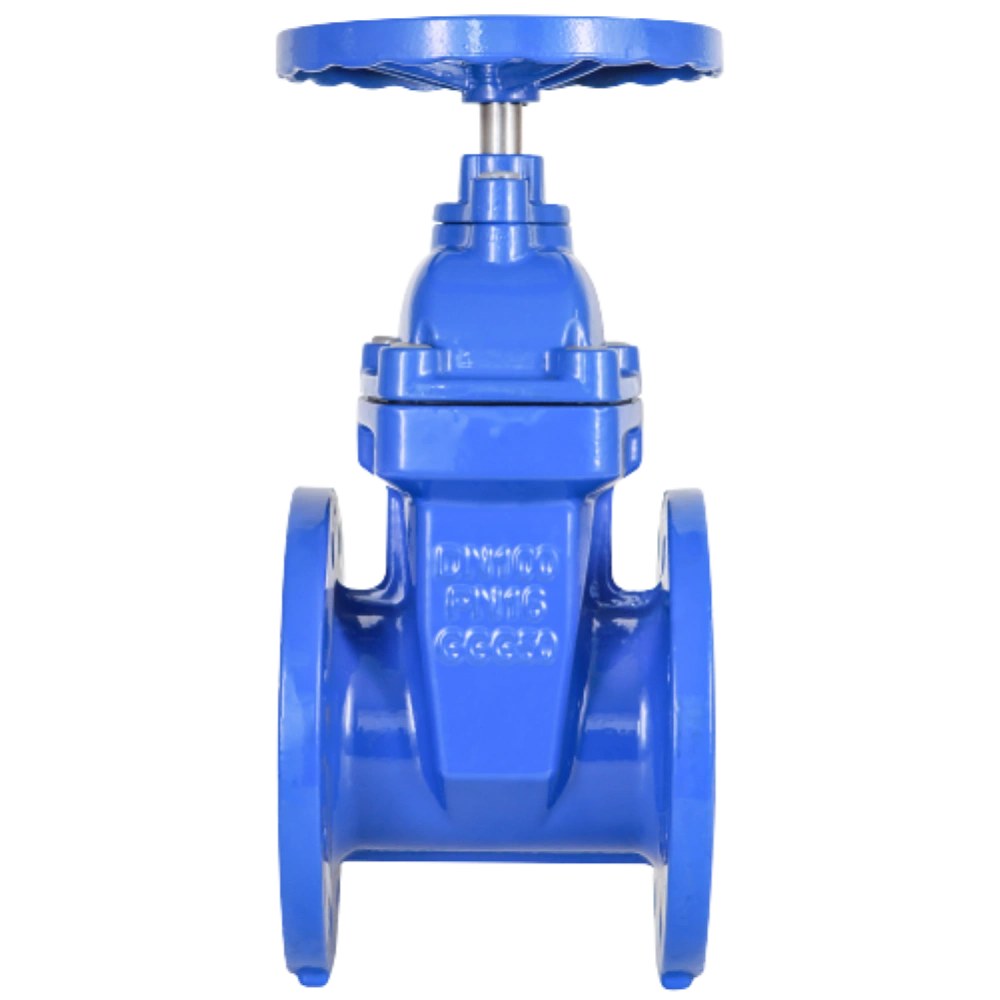
The first most common valve used in the chemical industry is the gate valve. Basically, this valve is designed to allow the fluid to flow or fully stop it. There is no mechanism in these valves to control the fluid’s flow rate. This is because of their design. Actually, inside the gate valve, there is a flat or wedge-shaped part called a “gate.”

Now, when the valve is fully open, the gate moves upward, clearing the path. This upward movement allows the fluid to pass. However, when the valve is closed, the gate moves downward, forming a seal to prevent fluid from passing. That’s why gate valves are usually used in places where the valve is not opened and closed very often.
2- Globe Valve
A globe valve is a type of valve primarily used to control or regulate flow. Unlike gate valves, globe valves are designed to adjust the flow rate. How? Actually, inside a globe valve, there is a movable disc and a fixed seat. When you operate the valve, this disc moves up and down to either reduce or increase the space for the fluid to pass.

As the fluid flows through, it changes direction inside the valve body. As a result, the direction changes and the fluid flow is accurately adjusted. That’s why globe valves are commonly used in chemical industry systems that require precise control. For example, they are installed in cooling systems, mixing systems, and chemical reaction control lines.
Quick Highlight: No doubt, globe valves provide excellent control of fluid flow. But at the same time, they also create greater resistance to flow than gate valves. This means there is a bit more pressure loss when fluid passes through them.
3- Ball Valve
Another type of valve that you can find in the chemical industry is a ball valve. These valves are known for their simple operation and design, which makes them easier to use even for beginners. Basically, these valves have a round ball with a hole in the middle. This ball is connected to a handle. When you turn the handle, the ball rotates. If the hole in the ball aligns with the pipeline, the fluid flows easily.

However, when the ball is rotated 90 degrees, its solid portion aligns with the pipeline, completely blocking the flow. This simple operation is why ball valves are used when a quick, reliable shut-off is needed. But remember, these valves are not meant to control fluid flow; they only fully open or close to allow or stop the fluid.
4- Check Valve
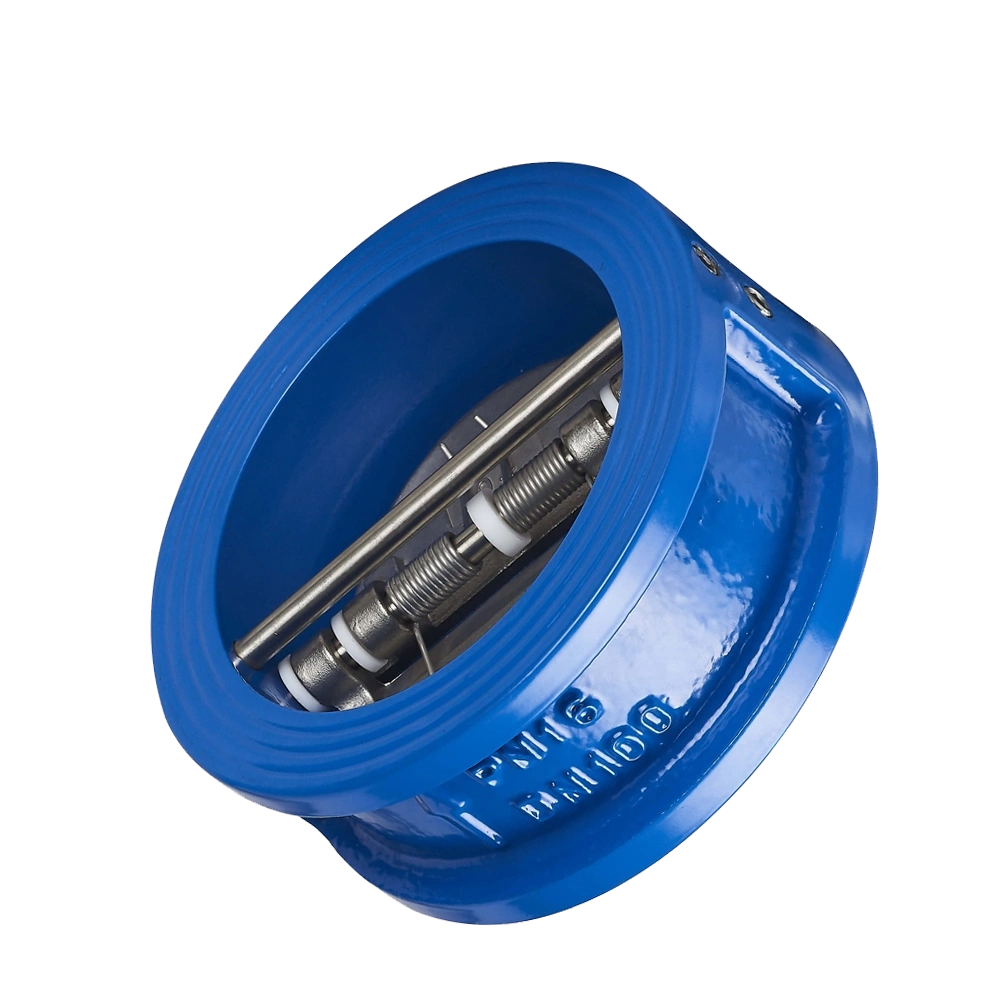
A check valve is a special type of valve used in the chemical industry to ensure fluid flow in only one direction. In other words, its job is not to control fluid flow but to prevent it from flowing backward. In several sections of the chemical plants, the one-directional flow is very crucial. Backflow of some fluids can contaminate chemicals, damage pumps, or even cause unsafe reactions. That’s why the operator installs a check valve there.
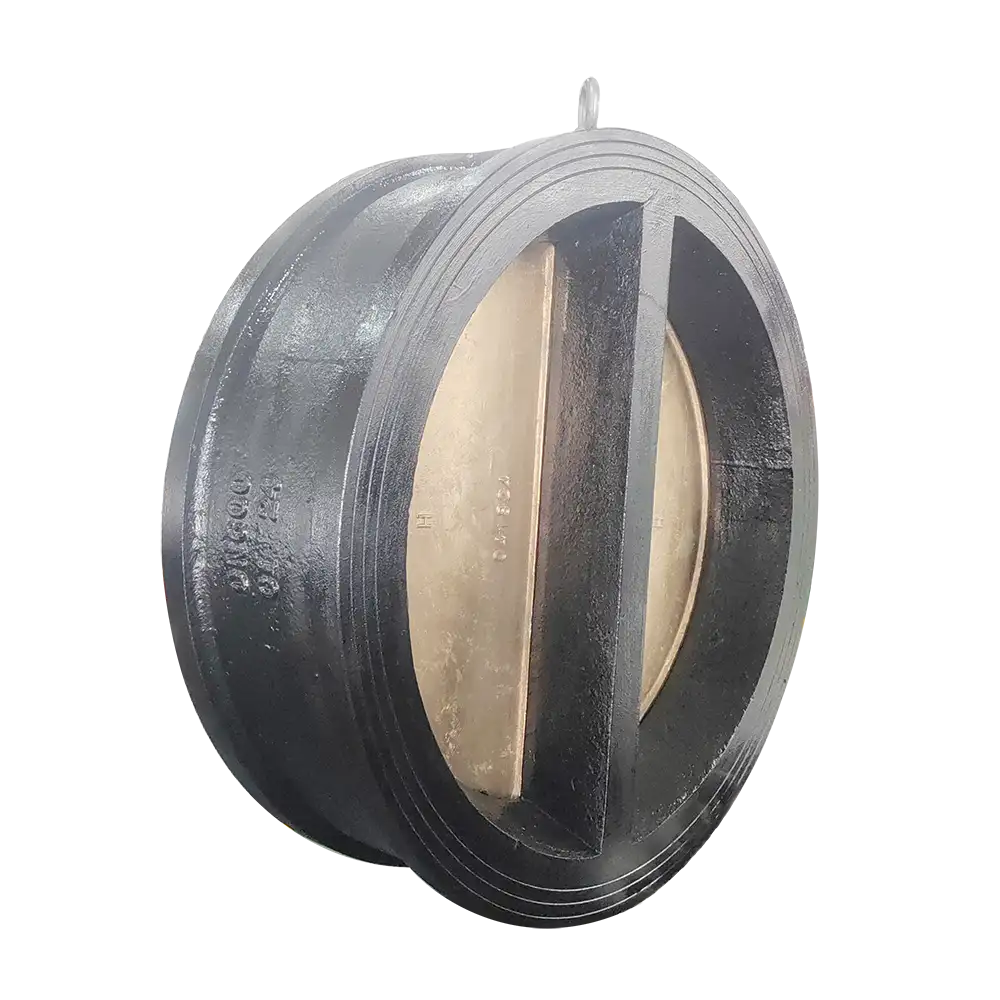
Their workings are very straightforward. These valves have a flap, disc, or ball inside the body. When the fluid flows in the right direction, it pushes the internal part open, allowing it to pass through easily. However, when the flow tries to reverse, the valve automatically closes on its own. There is no need for manual operation, but it shuts down automatically. As a result, the fluid stops immediately there and does not move backward.
5- Butterfly Valve
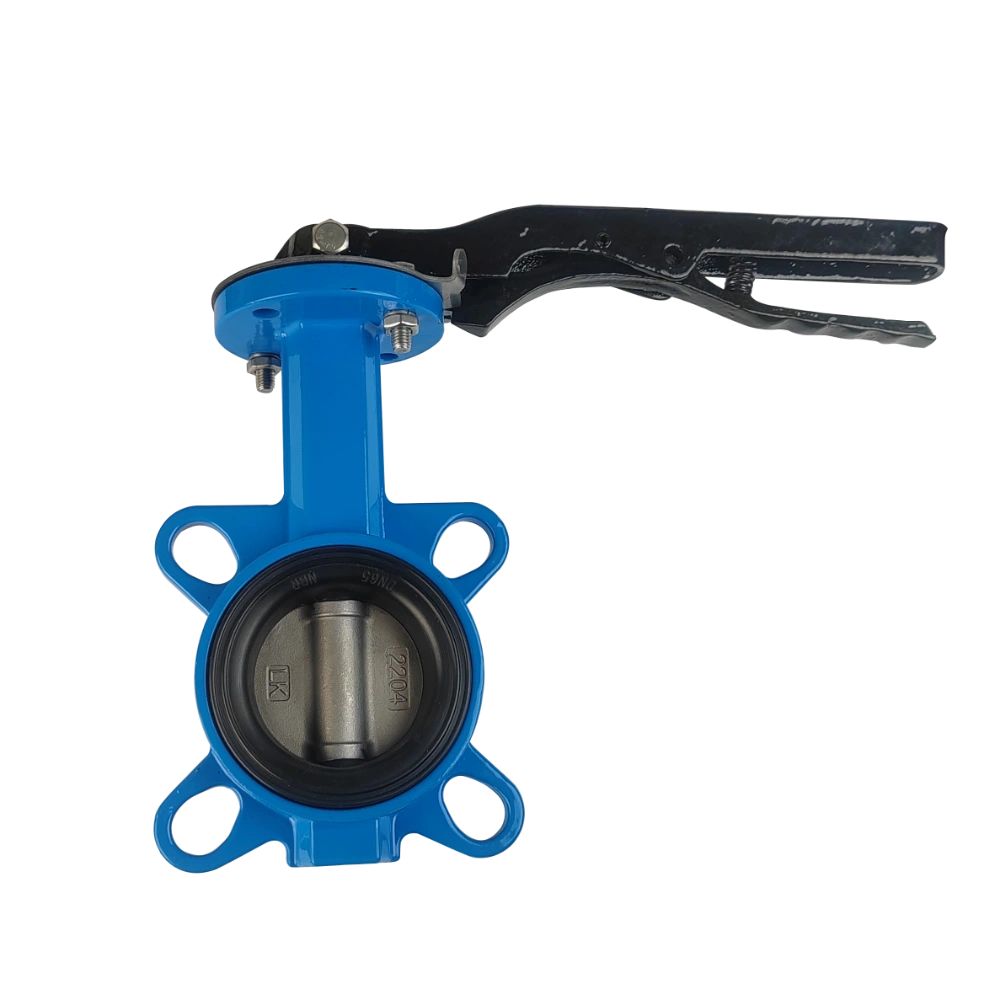
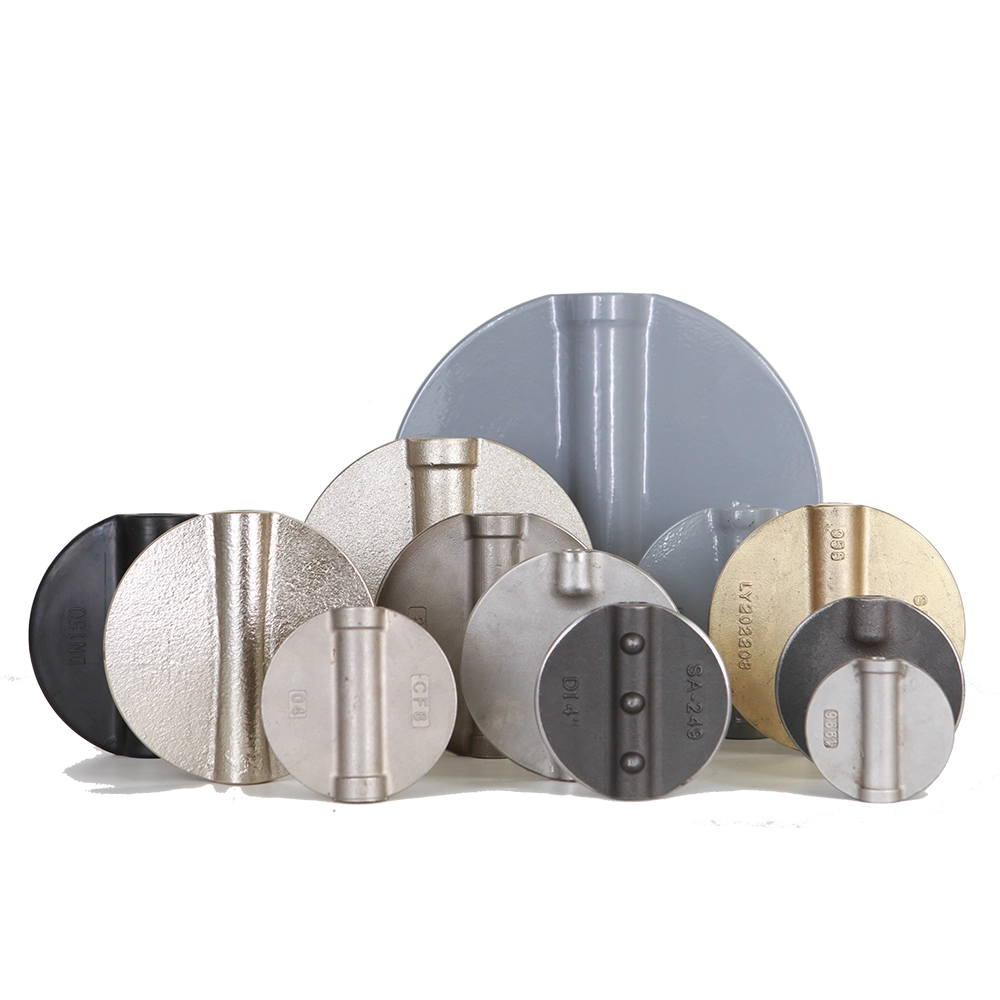
Now there are butterfly valves that you can see in the chemical industry. These valves get this name because the rotating disc inside resembles a butterfly’s wings. That disc controls and regulates fluid flow in large pipelines. How? Inside the pipe, a circular disc is attached to a rod. When the valve is turned, the disc rotates automatically.

Now, if the disc is turned parallel to the flow, the fluid can pass through easily. But when it is turned perpendicular to the flow, it blocks the passage and stops the flow. Its operation is very simple: you only need to turn it 90 degrees to open or fully close. Also, because of the simple design, installing butterfly valves is very easy. In terms of cost, butterfly valves cost less. This makes butterfly valves the best choice for large-scale systems in the chemical industry.
6- Plug Valve
A plug valve is a simple yet strong type of valve used in the chemical industry. This versatile industrial valve performs three functions simultaneously. It starts, stops, or regulates the flow of fluids or gases. When it comes to its operation, it uses a rotating plug. Inside the valve, there is a cylindrical or slightly tapered plug with a hole in the middle.
When you operate the valve, and this hole in the plug is aligned with the pipeline, fluid flows through easily without any hindrance. However, once the hole closes and the solid part aligns with the pipeline, the fluid stops completely. Additionally, you can rotate the plug so that the hole partially allows fluid flow. That’s beneficial for regulating fluid flow in critical pipes in the chemical industry.
7- Diaphragm Valve
A diaphragm valve is a very important type of valve in the chemical industry for handling corrosive liquids. Its main purpose is to control flow in a way that keeps the system safe, clean, and completely sealed from leaks. As the name suggests, the valve has a flexible layer, called a diaphragm, inside it.
That diaphragm is usually made of rubber, elastomer, or a special plastic material. The diaphragm basically acts as a barrier between the flowing fluid and the moving mechanical parts of the valve. When the valve is operated, the diaphragm moves downward and presses against the bottom of the valve body. This creates a strong seal and blocks the fluid flow. However, when opened, the diaphragm lifts, creating a clear path for the fluid to pass.
Quick Highlight: What makes this valve different from many others is its isolated design. The fluid never comes in direct contact with the operating mechanism and moving parts. That’s why the diaphragm valve is handy for handling highly corrosive and reactive chemicals in the chemical industry.
8- Needle Valve
A needle valve is a very precise type of valve used in the chemical industry to control very small, accurate amounts of flow. Basically, the name “needle valve” comes from its design. Inside the valve, there is a thin, needle-shaped stem that moves in and out of a small opening. When the needle is lifted slightly, a very small space is created. This space allows fluid to pass through slowly.
But when that needle is pushed down, it gradually reduces the opening until the flow stops. This slow and controlled movement is what makes it stand out from other valves. However, due to its small opening, it is not suitable for handling large volumes of fluid in the chemical industry. Often, you can install it in laboratory setups, calibration systems, and sampling lines.
9- Pressure Relief Valve
A pressure relief valve is a very important safety valve used widely in the chemical industry. As I said above, the chemical industry operates under high pressure and with corrosive chemicals. In some pipelines, the pressure of these corrosive chemicals can become very high. This high pressure ultimately leads to bursts and serious injuries. To prevent this high pressure, pressure relief valves are installed. The working of a pressure relief valve is fully automatic.
Inside the valve is a spring-loaded mechanism that keeps it closed under normal pressure. When the pressure inside the system exceeds a safe limit, the fluid’s force becomes stronger than the spring’s. At that point, the valve automatically opens and releases the extra pressure by allowing some fluid or gas to escape. Once the pressure returns to a safe level, the valve closes again. This is why pressure relief valves are sometimes called safety valves.
How to Choose the Right Valve for Your Needs?
The chemical industry handles highly corrosive and dangerous chemicals. That’s why the wrong valve can lead to leakage, system damage, or even safety risks. But with so many options, you might feel confused about which valve to choose. But don’t worry; here are a few factors that you can consider to make a reliable decision.
-
Understand the Type of Fluid
First of all, you must know which type of fluid will pass through the valve. If a valve needs to handle strong acids or chemicals, you may need valves made from materials like plastic-lined or stainless steel. Similarly, if the fluid passing through is thick or contains solid particles, you will also need a specific type of valve.
-
Pressure & Temperature
You might know that each valve works within a certain pressure and temperature range. But in chemical plants, these conditions can be very high, especially in reactors or heated systems. If you choose a valve that cannot handle high pressure, it will fail or leak over time. Hence, I suggest always matching the valve’s rating to your system’s actual working conditions.
-
Purpose of the Valve
From the above valve types, it’s clear that not all valves do the same job. Right? You must first know why you need a valve. For instance, if you want to start or stop the flow, valves like gate or ball valves are suitable. However, if you need to control or adjust the flow, then globe or needle valves are a better choice.
-
Maintenance and Durability
In the chemical industry, valves are used continuously. So you also have to be conscious of their maintenance needs. For example, if you buy a diaphragm valve, remember that it will need diaphragm replacement after some time. Similarly, some valves also need regular lubrication. So, properly read the manual and understand their durability and maintenance.
-
Cost vs Long-Term Value
Lastly, your budget of valves also matters. But with a budget, you also have to consider their long-term value. For example, if you choose a cheaper valve, it might cost less up front, but it will cost you more in repairs and maintenance. That’s why it is best to go with high-quality valves that cost slightly more initially. But over time, their long life, durability, and reliability prove cost-effective.
Conclusion
Valves are the most critical part of any chemical industry. They help regulate, block, or allow fluid flow in several systems of chemical plants. But many beginners don’t know exactly what types of valves are used in the chemical industry. That’s why in this article, I have discussed some common valve types found in chemical plants.
You can see that all those valves vary in their design and operation. For example, some are meant only to block or allow fluid flow. However, some valves also control and regulate the fluid flow. Likewise, some valves ensure the system’s safety by releasing high pressure. But choosing the right valve among those is key. Remember, a slight mistake in their selection can lead to leaks and accidents.