
You might often note that a building stays warm in winter and cool in summer without constant adjustments. Have you ever wondered how that became possible? The secret lies in the HVAC systems. However, an HVAC system does not work alone; it consists of several components. Among those, HVAC valves are small but of utmost importance. They regulate the entire system and help it operate properly. However, many still ask: What are HVAC valves?. This guide will discuss the basis of HVAC valves and how they work. You will also know their importance, functions, and uses. So let’s get started.
What Are HVAC Valves & Why Are They Important?
HVAC valves control the flow of water, steam, refrigerant, or air in an HVAC system. They generally start, stop, increase, decrease, or redirect the flow whenever needed. In this way, HVAC valves control the movement of heating and cooling fluids through the system.
So, without HVAC valves, the HVAC system simply will not be able to work. Actually, an HVAC system contains special fluids that provide heating and cooling. But the right amounts of those fluids across different components are crucial. If too much fluid flows, energy will be wasted, and equipment will have to work harder than necessary.
Similarly, if there is insufficient fluid flow, the area will not receive adequate heating or cooling. That’s where the HVAC valves play their role. They direct the correct amount of fluid to the right place at the right time. This allows the entire system to work in a balanced and efficient way. Secondly, the HVAC valves also help in protecting equipment. How?
First of all, the HVAC valves ensure the right amount of fluid passes through boilers, chillers, and cooling units. So this equipment doesn’t need to work harder, which can reduce its efficiency and cause damage. Secondly, the HVAC valves improve energy efficiency.
They make sure the system uses only the amount of heating or cooling that is needed. Also, these valves help deliver heating or cooling only where needed. If a room doesn’t need much heating or cooling, the HVAC valve will make sure there is no more than is needed, which automatically saves energy.
Main Functions of HVAC Valves
Now you have basic know-how of the HVAC valves and their importance. Right? But what do these valves actually do in real life? The answer lies in their function. Although these valves are very small, they perform important tasks that help the entire HVAC system work. For more understanding, let’s discuss the main functions of HVAC valves.

1- Flow Control
The primary function of HVAC valves is to control the flow of fluids within the system. As I said above, the HVAC system runs on some special types of fluids. But the right flow of these fluids matters a lot, as the system does not always need the same amount of fluid. Sometimes, a place needs more cooling or heating and vice versa. If more heating or cooling is needed, the valve will open fully to allow more fluid to pass. But for low heating and cooling, it will open partially to adjust the fluid amount. Also, within the HVAC system, each part requires different amounts of fluid. So that’s the HVAC valve that ensures fluid control in each part.
2- Temperature Regulation
As you know, the main purpose of the HVAC system is to maintain the comfortable temperature of a space. It maintains the cooling in summer and heating in winter. But this temperature regulation highly depends on the fluid flow inside the equipment. HVAC valves actually control that fluid flow. Suppose a space needs more cooling. In this case, the valve will allow more refrigerant or cooling water to pass through the cooling unit. But if it needs less cooling, the valve will adjust or slow down the fluid flow. In this way, it directly helps regulate the right temperature in the right place.
3- Pressure Control
Another important task of the HVAC valves is to control the pressure. How? Actually, in the HVAC system, the fluid flows through pipes under pressure. If this pressure becomes too high, these pipes, or even other equipment, will be quickly damaged. However, if the fluid pressure is too low, the cooling or heating unit will not be able to perform its intended function. That’s why some HVAC valves quickly detect the wrong pressure level. If it goes beyond the safe level, they bring it back to the normal safe level.
4- Direction Control
In an HVAC system, the fluid does not always need to go to the same place. Sometimes it must go to the heating parts in winter to create heat. But sometimes the fluid should be directed to the cooling unit to generate cooling. So that’s the job of HVAC valves to direct these fluids to the right place within the system. Also, if a specific room needs more cooling than others, the HVAC valve will direct more cooling fluid to that space.
5- System Isolation
The HVAC system also needs maintenance or repair of some parts. In that case, that specific path must be isolated so that no fluid passes through it. This became possible with HVAC valves. These valves, as I said above, manage fluid flow in every part. Now, if a part doesn’t need fluid due to repair, the valve will stop delivering fluid to that part. But at the same time, other parts will receive fluid and continue their work. This isolation prevents unwanted downtimes.
Some Common Types of HVAC Valves
As you can see, there are various tasks to be performed. But a single valve cannot handle all of those tasks alone. That’s why valve manufacturers design different types of valves to enhance system performance. So let’s dive in and explore some common HVAC valve types and their specialties.
1- Ball Valves
The first, most common, and simplest type of HVAC valve is the ball valve. These valves basically have a ball with a hole inside the valve body. This ball moves to allow the HVAC fluid to flow or fully stop it. How? Actually, when the ball rotates so that its hole lines up with the pipe, the fluid flows freely without any hindrance. But if that hole turns in such a way that it goes away from the pipe, the fluid flow is blocked. In this way, ball valves are always meant to fully block or fully allow the fluid to flow, not to regulate it. Moreover, the simple quarter-turn design makes them handy for new users.

2- Butterfly Valves
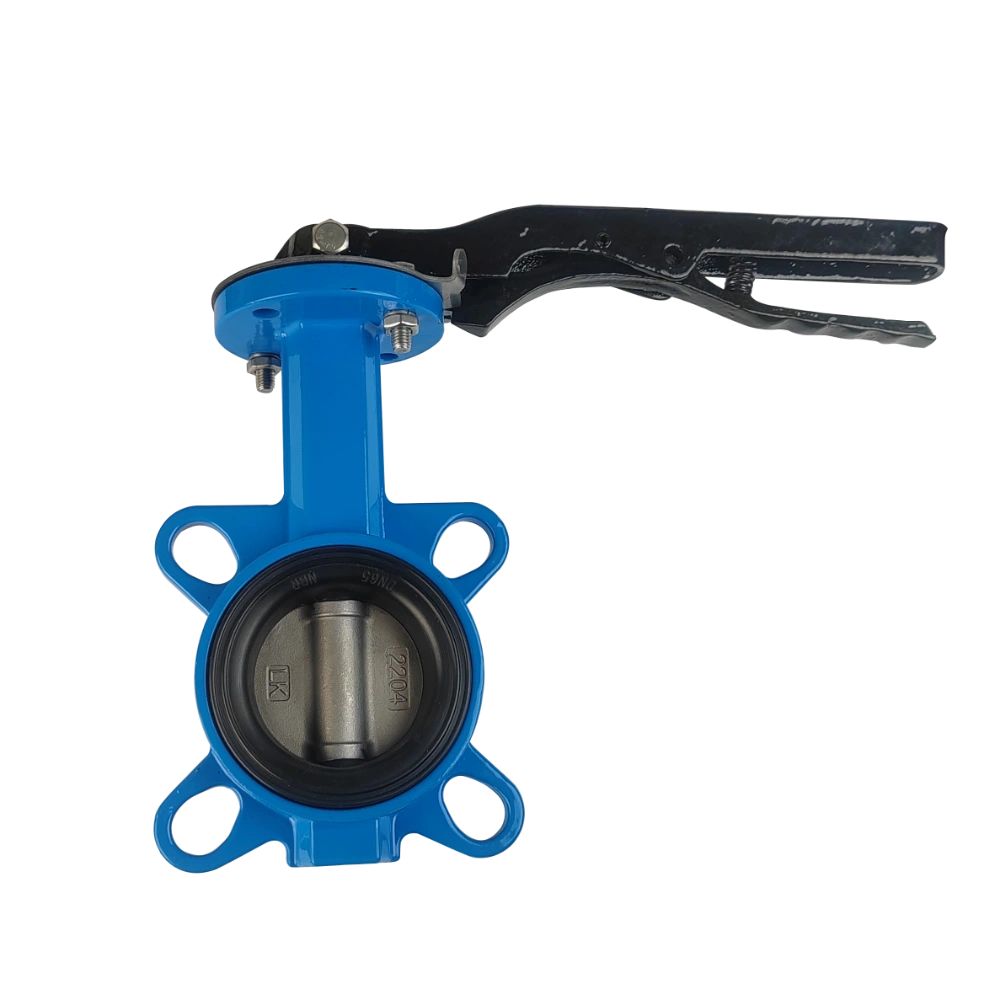
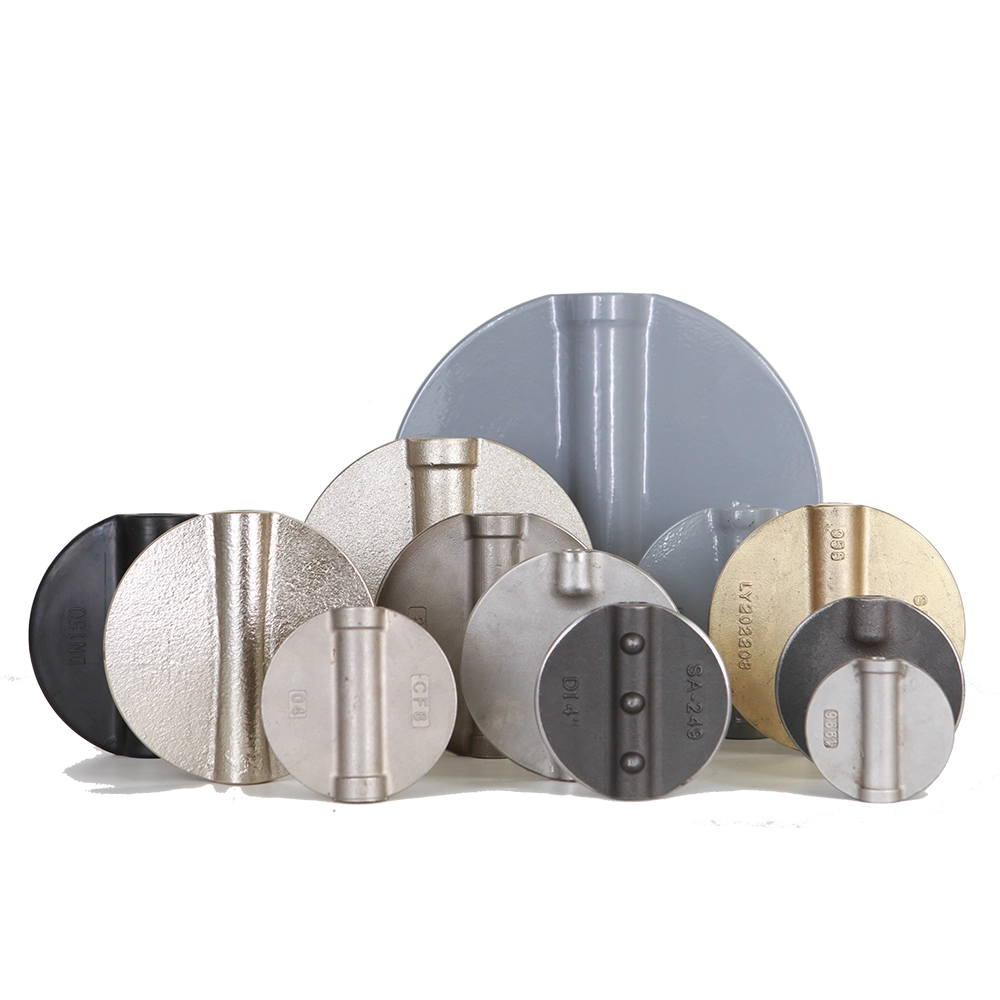
Another type of HVAC valve used in large HVAC systems is a butterfly valve. These valves have a flat, circular disc inside the pipe that rotates to control the flow. That disc is similar in design to a butterfly; that’s where it gets its name. When this disc turns and comes into a parallel position to the flow, the entire fluid passes easily.

However, when turned sideways, it blocks the flow or even reduces or stops it. It means they not only stop or slow the flow of fluid but also regulate it. What further sets the butterfly valves apart is their compact, lightweight design. They do not take up much space in the pipeline; thus, they are easier to install.
3- Gate Valves
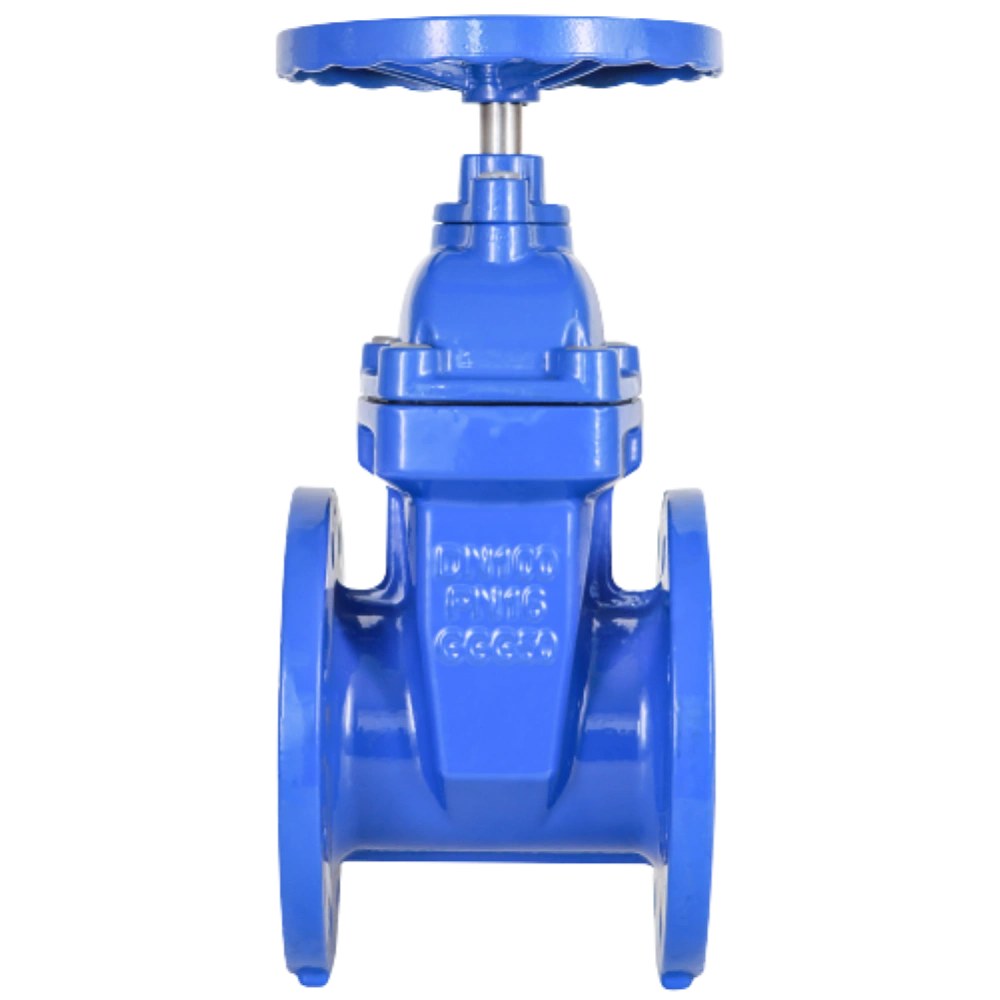
Gate valves are a type of HVAC valve that mainly completely start or stop the flow of fluid. Inside the valve, there is a flat or wedge-shaped “gate” that moves up and down. When the gate rises, it creates a wide opening that allows the fluid to pass freely. But when the gate sits against the valve seat, there is no space for fluid to enter, which completely blocks it. That’s why they are useful during maintenance when the system needs to stay fully open for long periods or be fully shut off.

4- Globe Valves
Now, a globe valve is used when the HVAC system requires careful, accurate flow control. Actually, the design of these valves contains a movable plug or disc that moves up and down. This movement of the plug not only stops or allows the flow of the fluid but also adjusts or regulates it.

It means it is different from on/off design valves. When the plug is lifted, more fluid can pass through. When it is slightly lowered, the flow becomes smaller. At the same time, if that plug is fully lowered and sits against the seat, it blocks the entire flow of fluid. This helps the system control the exact amount of water, steam, or refrigerant needed at a specific time.
5- Check Valves
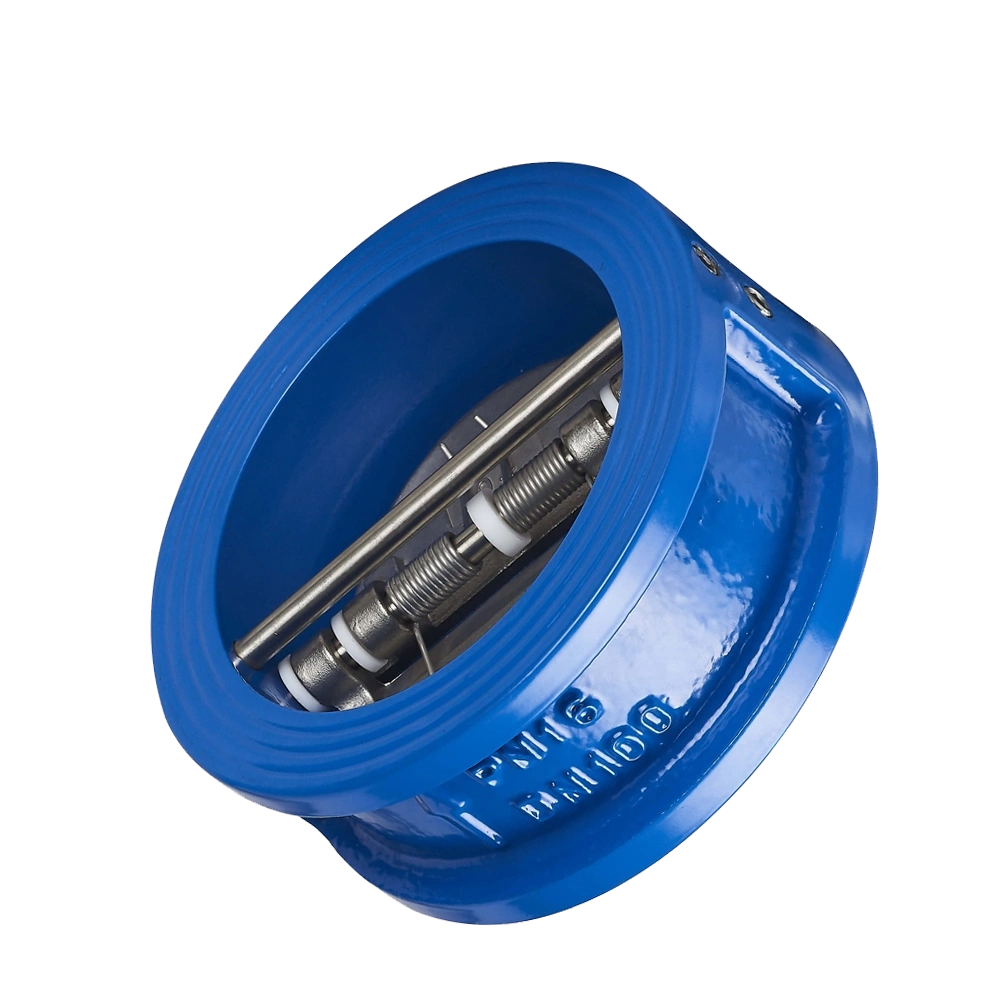
Another valve you will find in an HVAC system is a check valve that is actually a safety valve. It allows the fluid to pass in only one direction and prevents its backward flow. This backward flow of the fluid often damages essential parts of the HVAC system. So the check valves ensure safety. The working of these valves is very simple.

They have a small flap or disc. That disc only opens when fluid moves in the right direction. Now, if the fluid tries to flow backward for any reason, its pressure automatically pushes the flap in the opposite direction. As a result, it sits down against the valve seat. Once it closes, it completely blocks the pipe, so the fluid cannot flow back.
6- Three-Way Valves
A three-way valve has 3 openings (3 pipes connected to it). As a result, it can perform two main functions within an HVAC system. The first one is that it mixes two fluids. Sometimes the HVAC system has hot water and cold water. The valve takes both and mixes them to make medium-temperature water.
So the room gets the perfect temperature, not too hot or too cold. The second job of these valves is to divert or split fluid flow. Basically, sometimes one pipe has fluid coming in, but it needs to go in two different directions. So that’s a three-way valve that sends it in two different directions.
7- Pressure Relief Valves
Lastly, it comes to pressure relief valves that manage the right pressure inside the HVAC system. Due to a malfunction, the fluid pressure sometimes exceeds the safe level. This high pressure can lead to bursts and damage the entire system. But the pressure relief valve works automatically and detects the pressure in real time.
There is a spring that keeps it closed during normal pressure conditions. When the pressure inside the system increases too much, it pushes against the spring. If this pressure increases to the extent that it becomes stronger than the spring, the valve opens and releases the extra pressure or steam. Once the pressure returns to a safe level, the valve closes again.
Applications of HVAC Valves
The HVAC valves help the HVAC system operate efficiently year-round. But their usability is not limited to one type of building. Instead, they have become a necessity in almost every industry where HVAC systems operate. Let’s discuss the main areas where the HVAC valves actually perform.
1- Residential HVAC Systems
The primary users of HVAC valves are in homes. These valves help control heating and cooling, so families stay comfortable in every season. They manage the right flow of hot water in heaters and chilled refrigerant in air conditioners. When a room becomes too warm, the valve allows more cooling air to flow, cooling it instantly.
2- Commercial Buildings
Commercial buildings like offices, shopping malls, and hotels rely on more complex HVAC systems. Here, different areas need different temperatures at the same time. So that’s the HVAC valve that balances these different temperature levels by controlling the flow to each zone separately.
3- Industrial Facilities
In industrial plants, HVAC systems control temperature for machines, workers, and production processes. Many machines require cooling or heating to perform tasks such as cutting, drilling, or welding. So an HVAC valve there helps regulate large amounts of steam, water, or air needed for heating or cooling.
4- Hospitals
Hospitals need very precise control of temperature and air quality. A slight mistake in temperature can greatly affect patients and some special equipment and medicines. But HVAC valves help maintain the right conditions in different areas. At the same time, they help control airflow to reduce the spread of germs and maintain hygiene.
5- Data Centers
Data centers store powerful computers and servers that produce a lot of heat. If this heat is not controlled, it can highly damage equipment and even cause system failures in severe conditions. That’s why these centers also rely on HVAC valves to maintain the right cooling. They ensure continuous cooling so that sensitive devices do not overheat.
Conclusion
HVAC systems are an important part of almost every building today. They maintain the right temperature in every season, ensuring comfort. But this system will not work effectively without the HVAC valves, which are small but very handy devices. These valves control and direct the right amount of special fluid inside the HVAC system.
But not all HVAC valves are the same; they come in different types, and each has a distinct purpose. So you have to be very careful when choosing them for your HVAC system. From homes and offices to hospitals, factories, and data centers, HVAC valves are used everywhere. Without them, modern HVAC systems cannot provide consistent comfort.