
1. Origin of the Name- Butterfly Valve
Among many industrial valves, the name “butterfly valve” is the most unique. The butterfly symbolizes beauty and good fortune, representing loyalty, freedom, good luck, and rebirth in China. In other cultures, it also signifies rebirth and hope. Using the butterfly as a descriptor for a valve effectively represents the visual form of its mechanical structure.
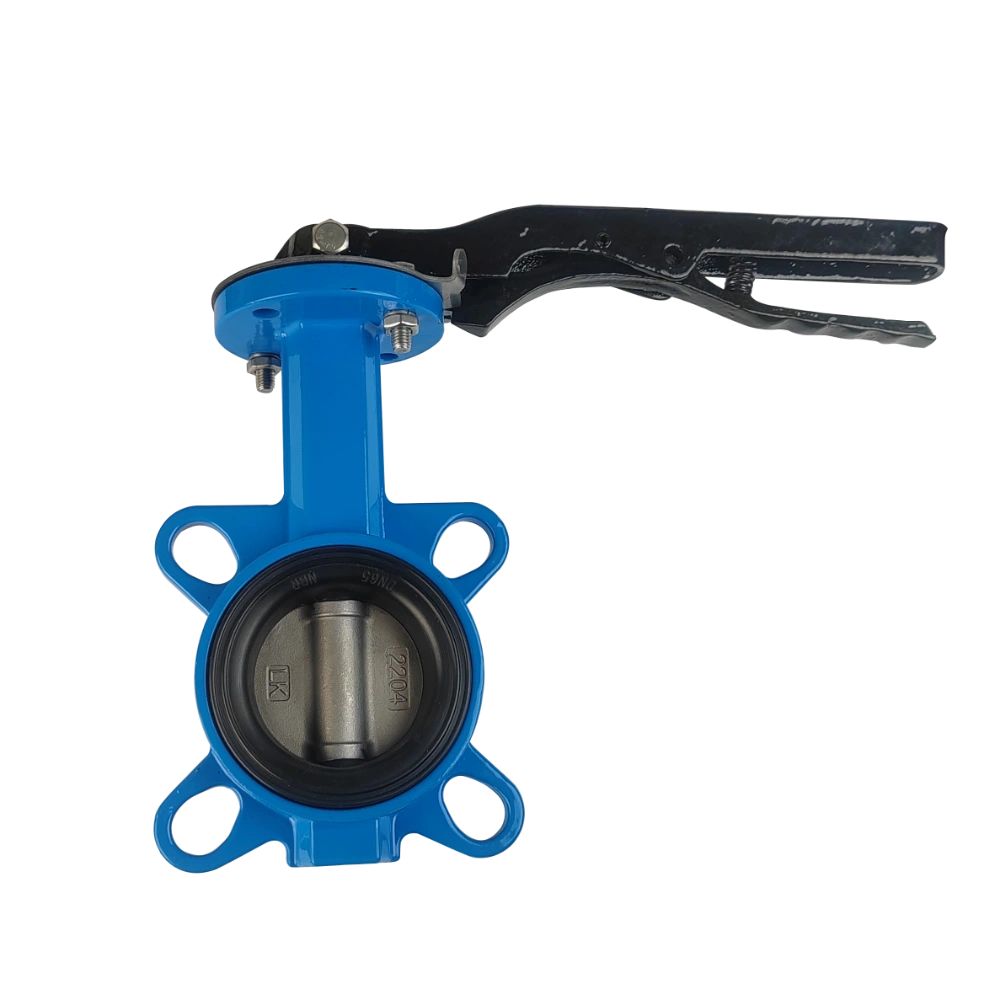
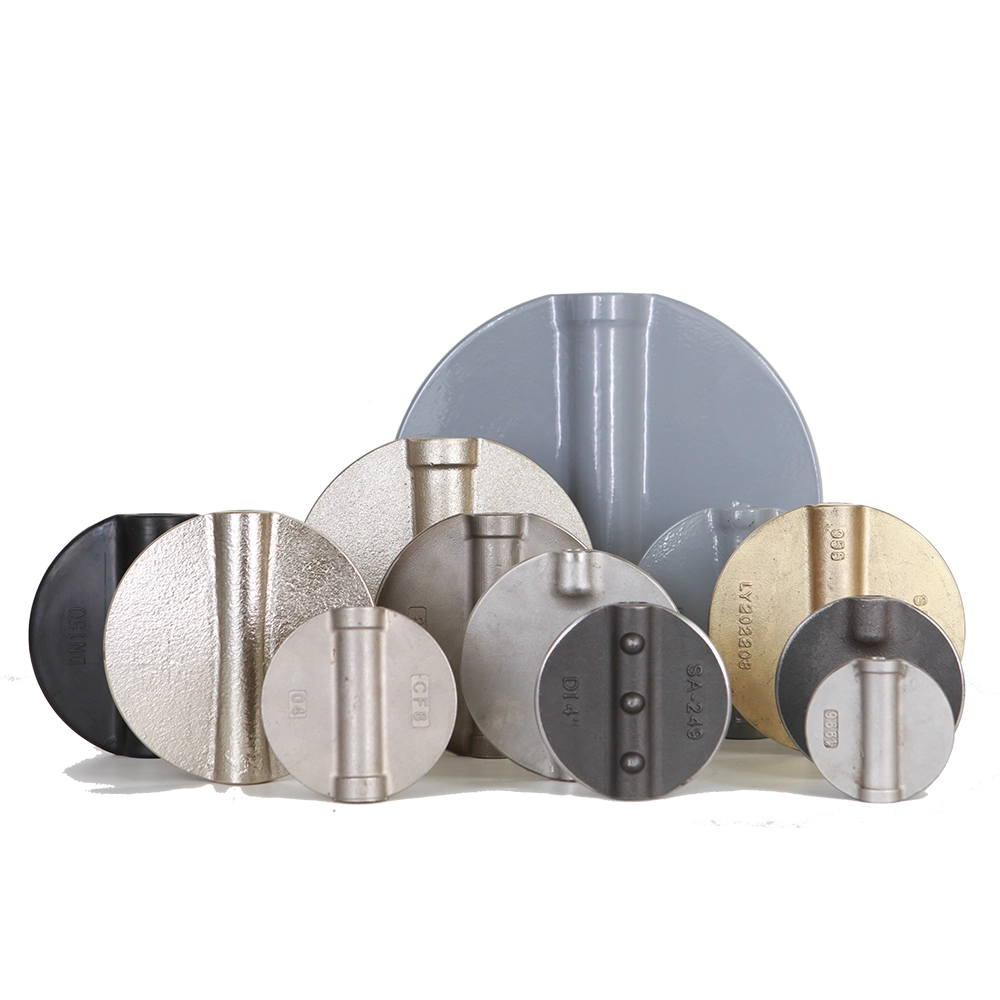
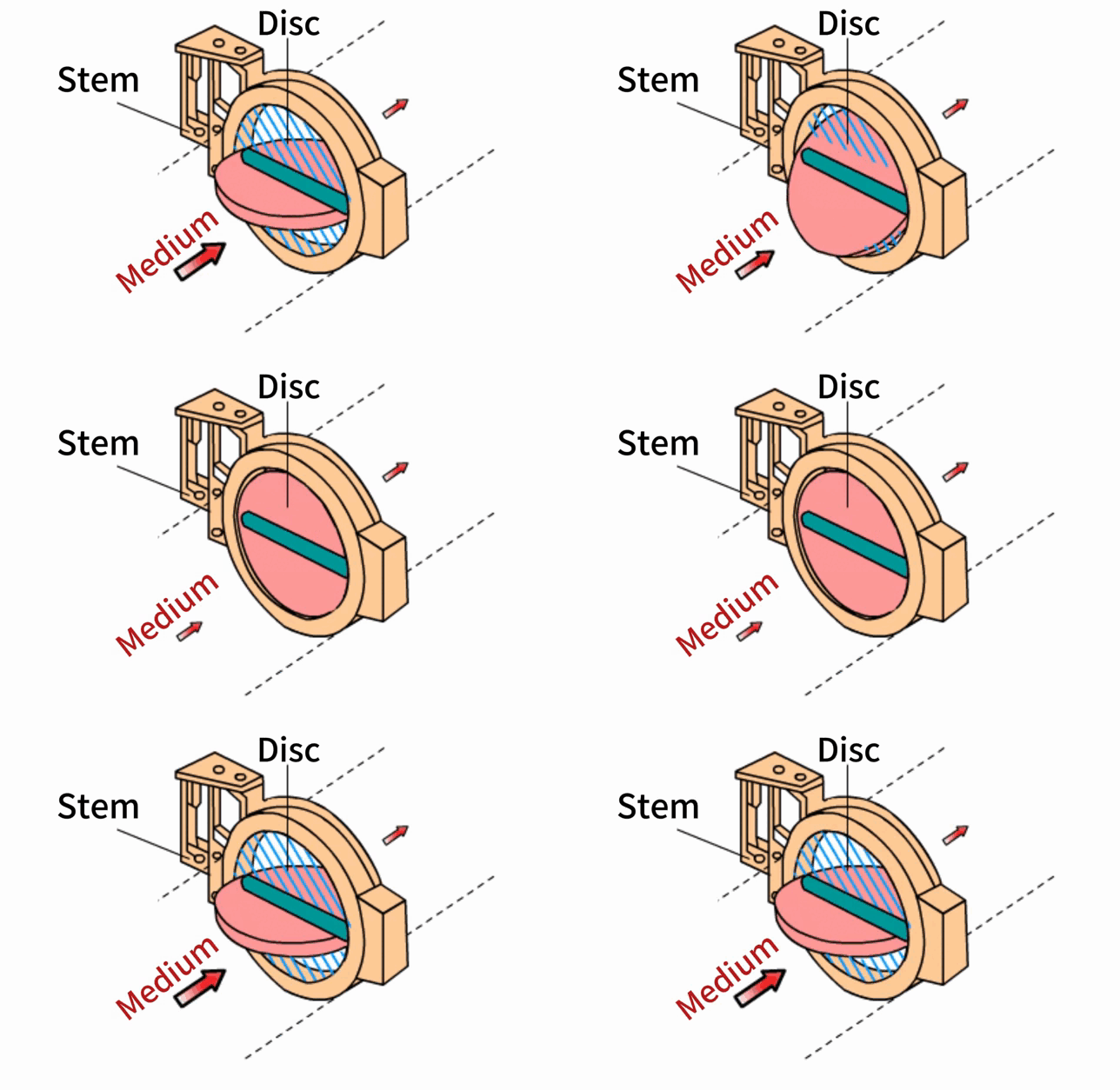
When the valve plate is in motion, its outline resembles a butterfly spreading its wings, rotating around the valve shaft, its opening and closing resembling a butterfly’s graceful dance.
The actuator is like the butterfly’s head, issuing the commands for movement. The valve stem is like the butterfly’s body, maintaining stability and supporting the wings. Hence the name “butterfly valve.”
This figurative name is easy to remember, and it not only facilitates memorization and dissemination but also more accurately describes the motion characteristics of the core component.
Compared to obscure engineering terminology, the term “butterfly valve” combines complex fluid control principles with a concrete visual symbol, embodying the ingenious fusion of function and aesthetics in industrial design, adding a vibrant cultural touch to cold mechanical equipment.
2. Operating Principle of a Butterfly Valve
Unlike gate valves, globe valves, or ball valves, whose names derive from their structural shape, butterfly valves derive their name from the movement and appearance of their internal closing element. The opening and closing action of a butterfly valve is very similar to the movement of a butterfly’s wings.
A butterfly’s movement is not linear but rather a rotation around its body, achieving efficient movement with minimal force. Similarly, a butterfly valve disc only needs to rotate 90 degrees from fully closed to fully open.
This rotational movement has several advantages:
* Fast operation
* Low actuator torque
* Compact structure
* Simple mechanical structure
3. Comparison of Butterfly Valves with Other Valve Types:
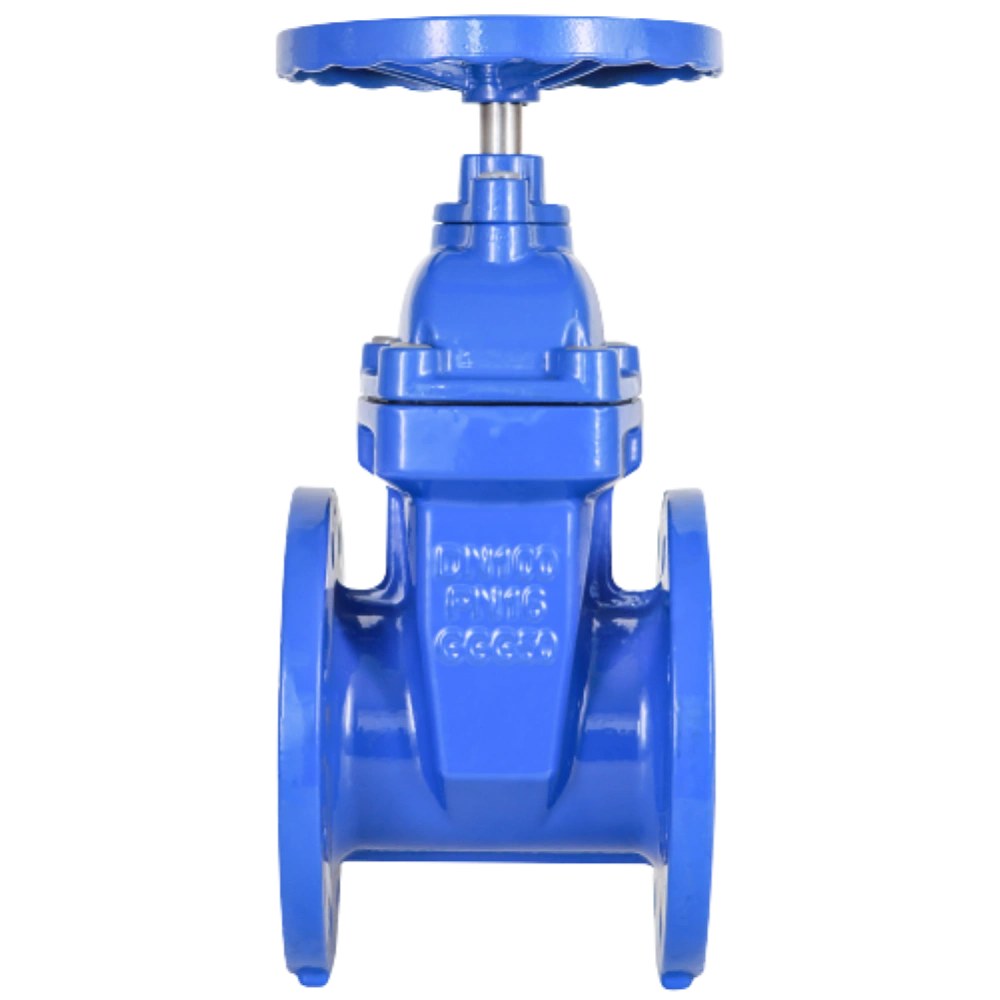
In many applications, butterfly valves open or close much faster than linear motion valves such as gate valves and globe valves, which require multiple handwheel turns.
* Gate valves require larger gates, covers, stems, and body cavities.
* Globe valves require complex flow paths and greater operating force.
* Ball valves require a heavy-duty machined ball.
Butterfly valves achieve the same shut-off function using fewer components.
This simplicity is one of the reasons why butterfly valves have become the preferred valve for large-diameter pipelines worldwide.
4. Reasons for the Popularity of Butterfly Valves

Historically, due to limitations in sealing technology, the reliability of butterfly valves was considered inferior to gate or globe valves. However, with the advent of elastomeric seats such as EPDM and NBR, this perception changed.
Subsequently, the emergence of PTFE-lined valves and high-performance double and triple eccentric butterfly valves further expanded the application range of butterfly valves. This not only enhanced the corrosion resistance of butterfly valves but also reduced seat wear, increasing service life. Butterfly valves have increasingly become the mainstay of flow control.
Today, butterfly valves are widely used in:
* Water treatment plants
* HVAC systems
* Chemical processing
* Marine applications
* Fire protection systems
* Power generation
* Mining operations
The popularity of butterfly valves is not solely due to their cost advantage. More importantly, butterfly valves achieve a perfect balance between performance, weight, installation space, and maintenance requirements.
5. The Trade-offs Hidden Behind Butterfly Valves
Undeniably, butterfly valves also have their drawbacks.
Unlike gate valves, where the closing element completely retracts from the flow path, the valve disc of a butterfly valve remains inside the pipe even when fully open.
This means:
* Some degree of pressure loss is unavoidable.
* Fluid turbulence may occur.
* Abrasive media can wear down the valve disc edges.
Recently, a customer consulted us about pumping dry powdered cement into a pipeline using compressed air, but the stainless steel butterfly disc was not strong enough to support the process. This reflects the above problem, and based on their operating conditions, we recommended a tungsten carbide-coated butterfly disc.
Based on these issues, engineers are constantly working to minimize these effects by improving the valve disc shape, optimizing the valve stem design, and using advanced materials.
High-performance butterfly valves embody decades of improvements, aiming to overcome the limitations of the original butterfly disc design.

6. Conclusion
Butterfly valves are called “butterfly valves” because their rotating valve disc resembles a butterfly’s wing. However, the name carries a deeper meaning than its appearance.
It reflects the valve’s unique rotary motion, its lightweight and efficient structure, and a design philosophy that prioritizes simplicity without sacrificing performance. For over a century, the butterfly valve has been one of the most practical and widely used flow control devices in modern industry—proving that sometimes the simplest designs are the most enduring.