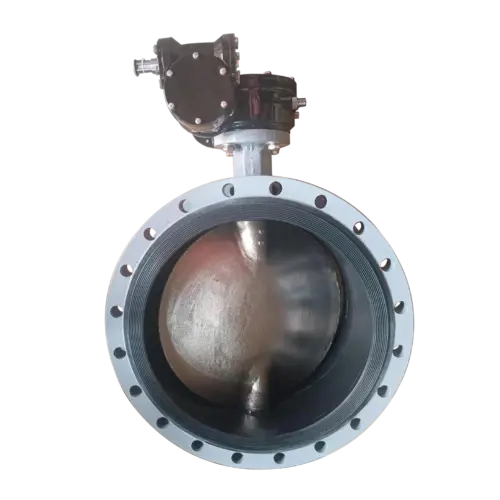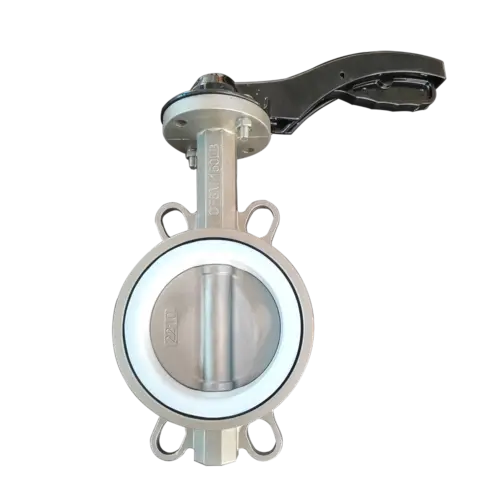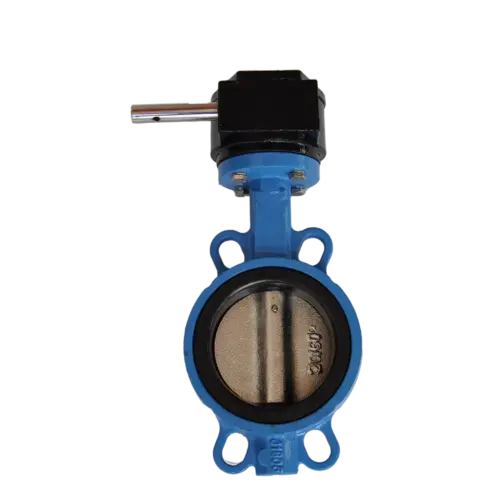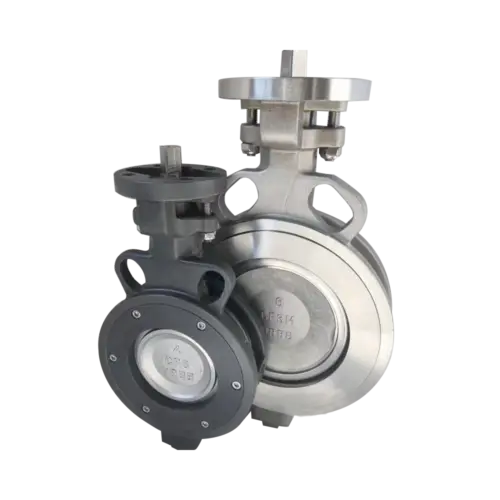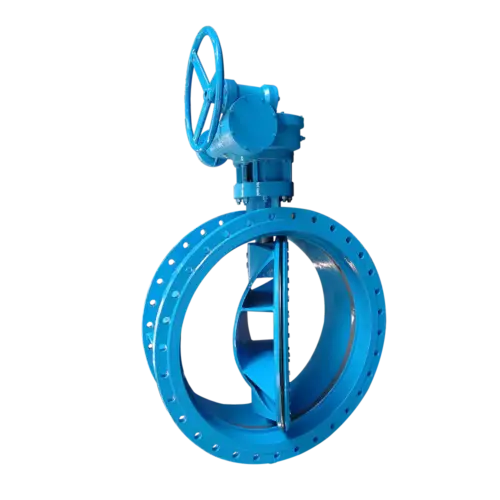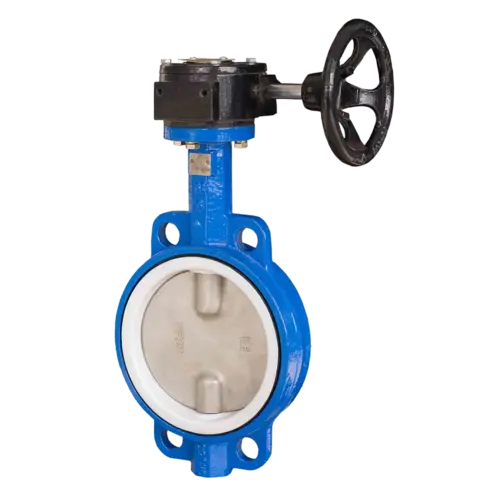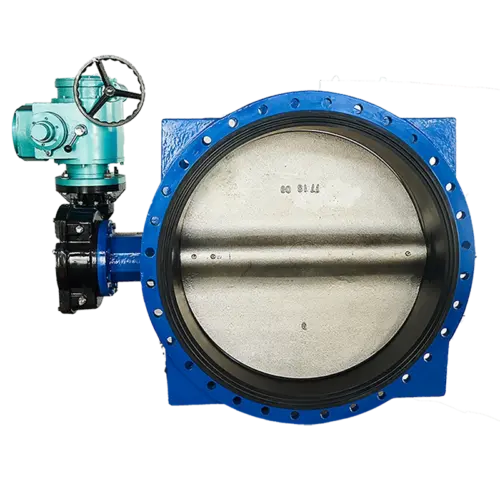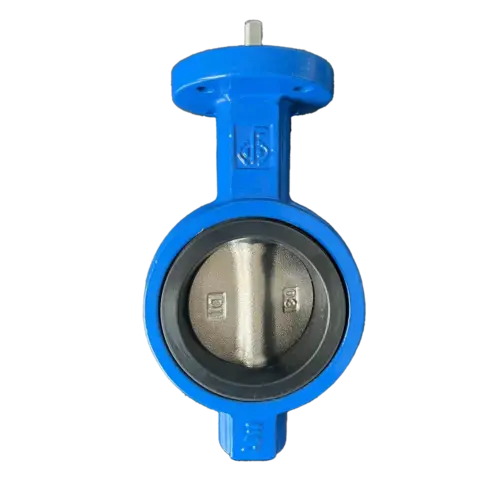
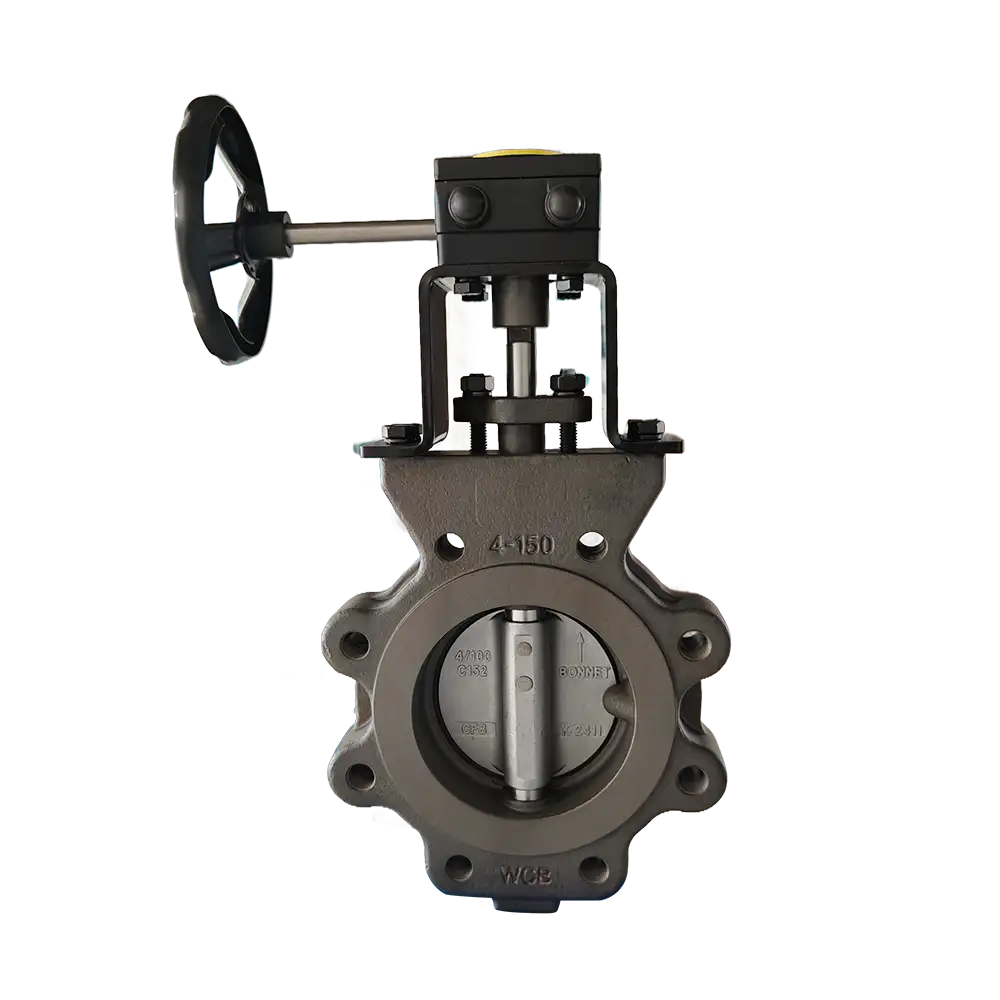
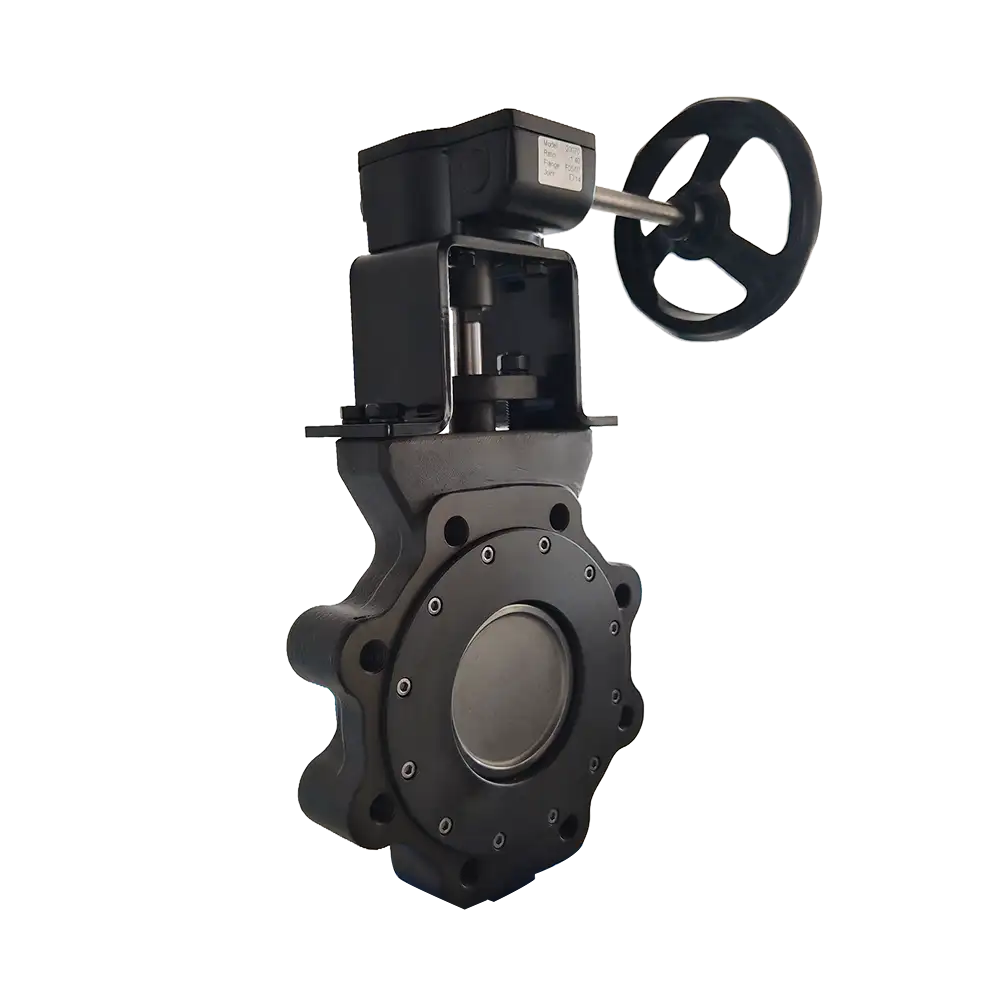
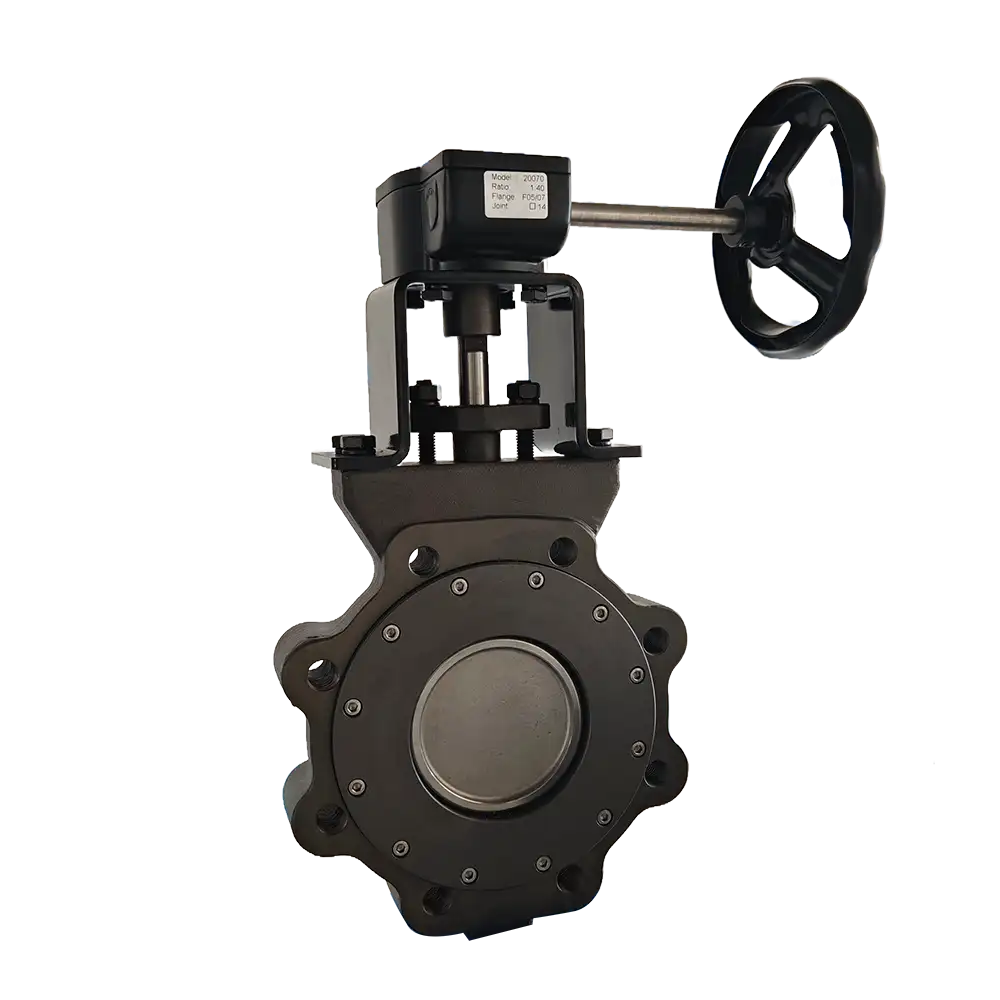
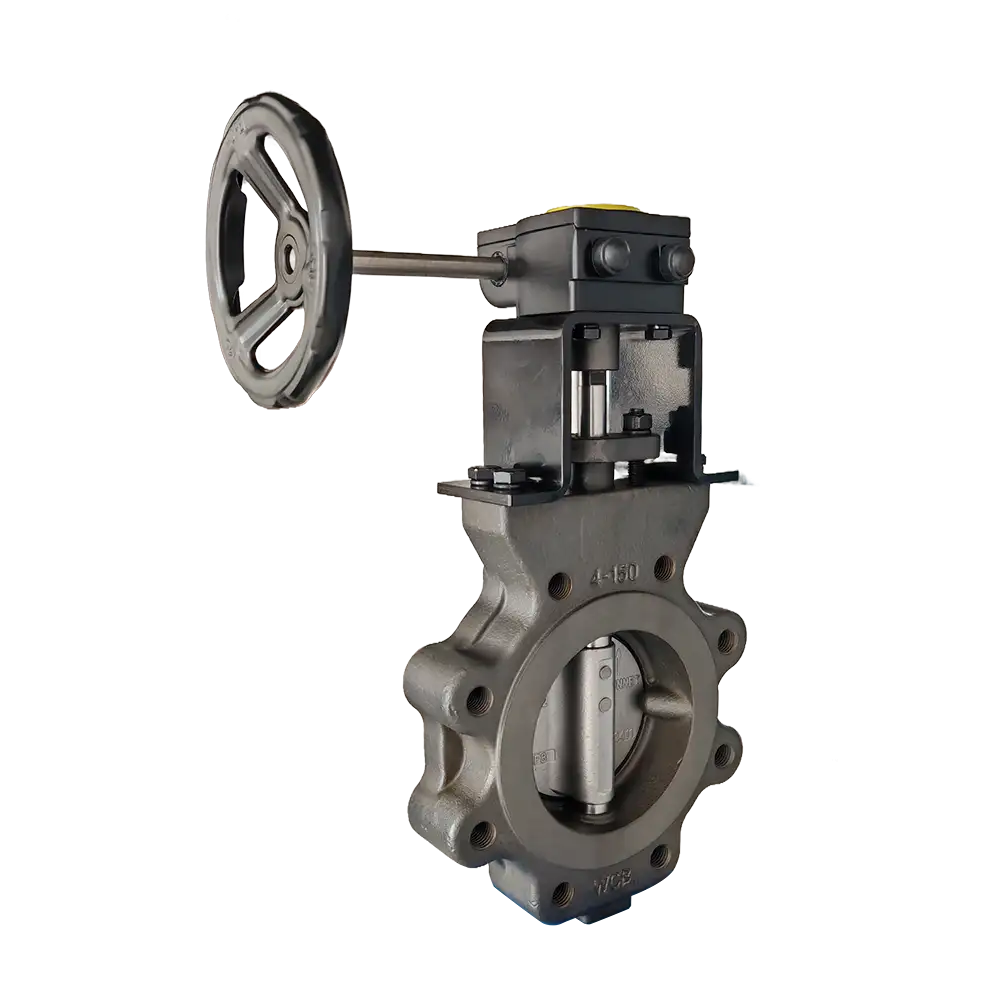
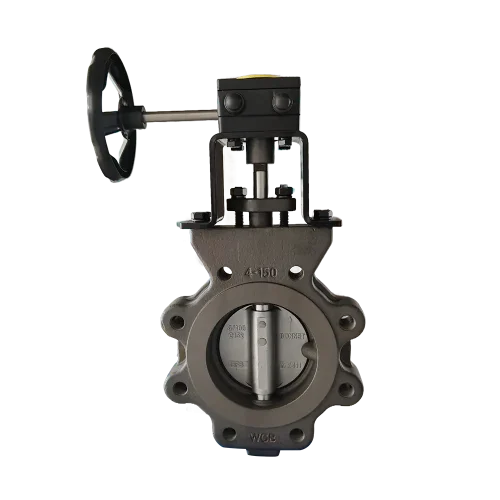
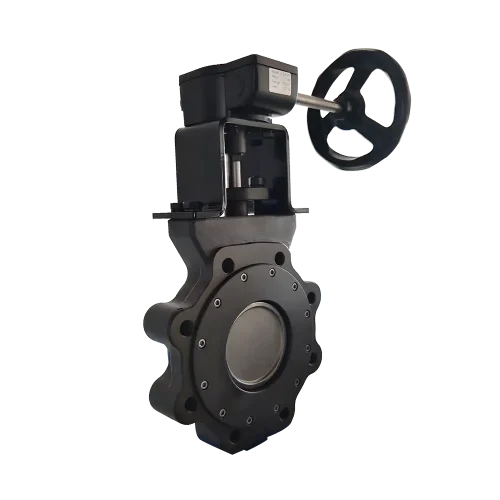
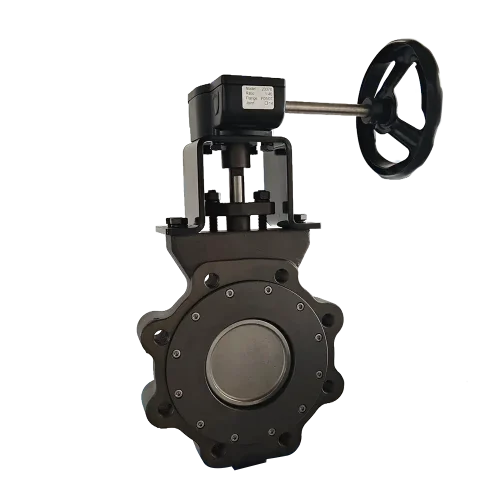
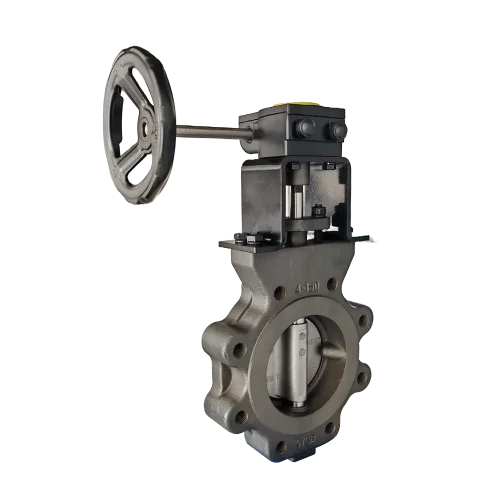

CF8M Lug High Performance Butterfly Valve
Basic Info of 150LB Lug HPBV
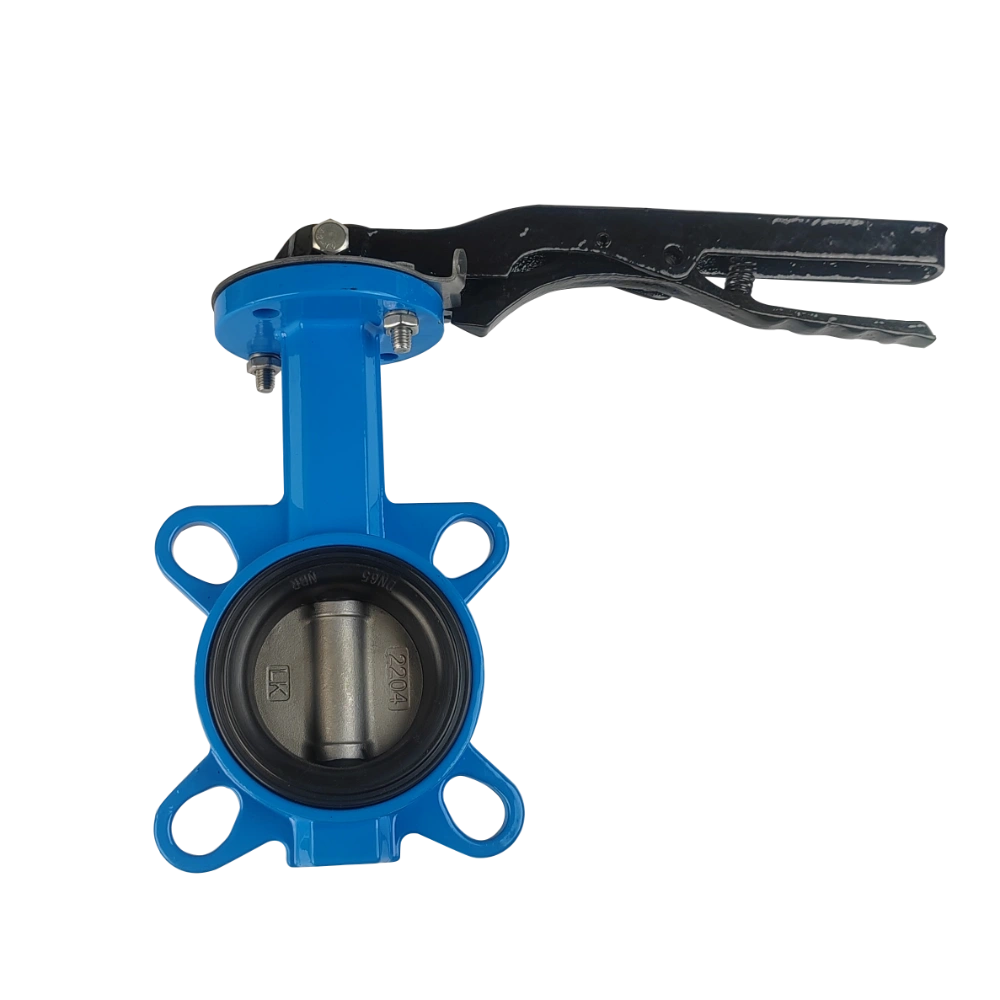
- WCB Carbon Steel Valve Body: Alongside stainless steel, WCB is a widely used, mainstream material for high-performance butterfly valve bodies. It offers high structural strength and pressure resistance, making it suitable for demanding industrial applications.
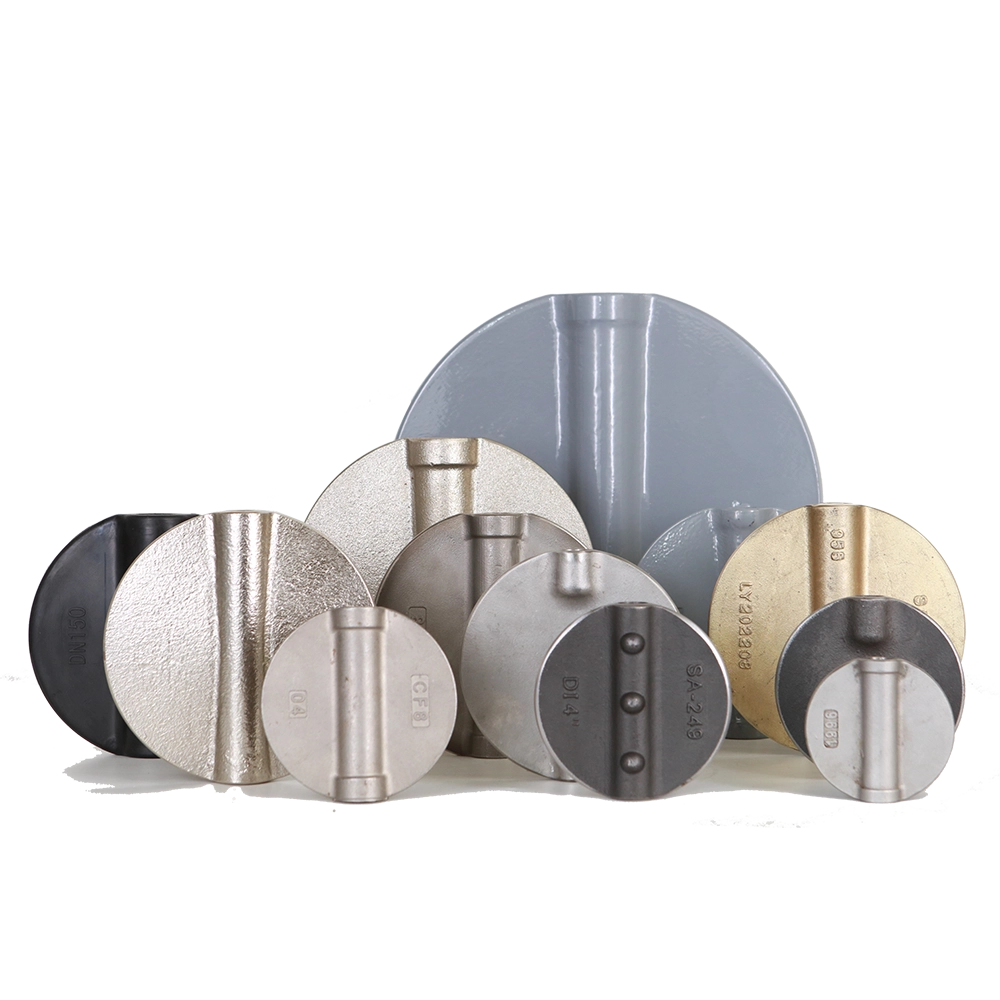
- CF8 Stainless Steel Valve Disc: A common choice for high-performance butterfly valves, this material provides excellent corrosion resistance and durability, ensuring reliable flow control.
- High-Performance Double-Offset Design: This configuration reduces friction between the valve disc and the seat during opening and closing, thereby minimizing seat wear and extending the valve’s service life.
- RPTFE Valve Seat: Compared to standard PTFE, RPTFE offers a higher operating temperature range, superior corrosion and wear resistance, and is better suited for frequent opening and closing cycles. When paired with the valve disc, it can also be used for flow regulation.
- Lug-Style Connection: Featuring threaded lug holes, this design allows for secure installation between pipeline flanges and facilitates easier maintenance of the piping system.
- Low Operating Torque: The reduction in friction between the valve disc and the seat helps lower the operating torque, which in turn reduces the power requirements for the valve actuator.
High Performance Butterfly Valve Parts
| Parts | WCB type | Stainless Steel Type | Duplex Stainless Steel Type |
|---|---|---|---|
| Body | A216 A217 |
SS304/ CF8 SS316/CF8M SS304L/CF3 SS316L/CF3M |
2205 2507 1.4529 |
| Disc | Stainless Steel Duplex Stainless Steel |
SS304/ CF8 SS316/CF8M SS304L/CF3 SS316L/CF3M 2205 2507 1.4529 |
2205 2507 1.4529 |
| Seat | SS416, SS431, SS304, SS316, Duplex Stainless Steel, Monel | ||
| Stem | SS416, SS431, SS304, SS316, Duplex Stainless Steel, Monel | Duplex Stainless Steel, Monel | |
| Actuator | Hand Lever, Worm Gear, Electric, Pneumatic | ||
Lug HP Butterfly Valve Standards
| ITEM | Standard |
|---|---|
| Nominal Diameter Range | DN50-DN600 |
| Design | EN593 | API609 |
| Face to Face | EN558 | ISO5752 | API608 | BS5155-4 |
| Top Flange | ISO5211 |
| Flange Drilling | PN6 | PN10 | PN16 | ASME B16.5 CL150 | JIS 10K |
| Pressure Rating | PN6 | PN10 | PN16 | PN25 | CL150 | JIS 10K |
| Tightness Test | ISO5208 | API598 | EN12266-1 |
Parameters of Lug HP Butterfly Valve

| SIZE | H | H1 | H2 | L | A | L1 | L2 | 4-ød1 | K | øX | S |
|---|---|---|---|---|---|---|---|---|---|---|---|
| DN350 | 88 | 309 | 273 | 92 | 425 | 142.8 | 37.34 | M12 | 35 | 34.9 | 28.7 |
| DN400 | 88 | 331 | 300 | 102 | 470 | 203.2 | 82.55 | M16 | 41 | 46 | 41.4 |
| DN450 | 93 | 356 | 323 | 114 | 533 | 203.2 | 82.55 | M16 | 41 | 47 | 41.4 |
| DN500 | 93 | 377 | 363 | 127 | 590 | 203.2 | 82.55 | M16 | 41 | 54 | 41.4 |
| DN600 | 115 | 489 | 454 | 154 | 692 | 254 | 82.55 | M20 | 51 | 66.8 | 50.8 |
| DN700 | 157 | 570 | 524 | 165 | 800 | 254 | 82.55 | M20 | 51 | 66.8 | 50.8 |
| DN750 | 213 | 570 | 524 | 166.7 | 905 | 254 | 82.55 | M20 | 51 | 66.8 | 50.8 |
| DN800 | 213 | 570 | 524 | 167 | 905 | 254 | 82.55 | M20 | 51 | 66.8 | 50.8 |
| DN900 | 134 | 660 | 601 | 184 | 1014 | 254 | 82.55 | M20 | 51 | 66.8 | 50.8 |
| DN1050 | 330 | 737 | 664 | 244.5 | 1185 | 330.2 | 177.8 | M20 | —— | —— | —— |
| DN1200 | 285 | 845 | 823 | 254 | 1350 | 381 | 177.8 | M20 | —— | —— | —— |
| DN1350 | 295 | 953 | 930 | 267 | 1522 | 381 | 177.8 | M20 | —— | —— | —— |
| DN1500 | 346 | 1045 | 1032 | 279 | 1687 | 381 | 177.8 | M27 | —— | —— | —— |
Lug Butterfly Valve OEM
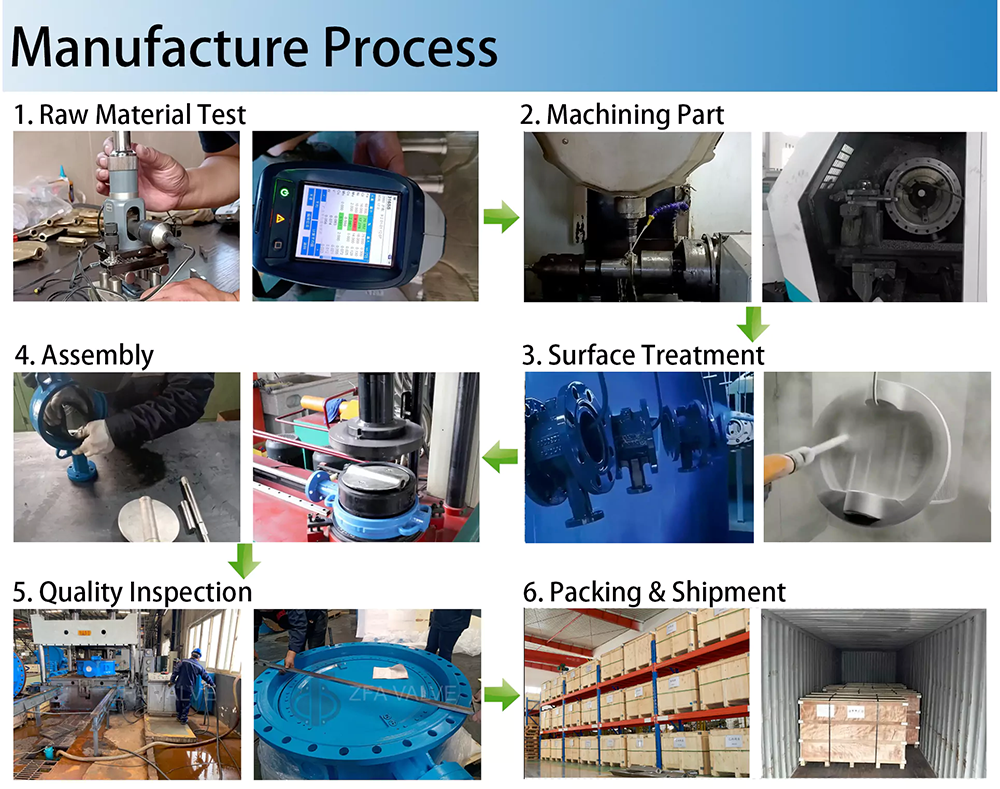
Applications of WCB High Performance Lug Butterfly Valve
| Application | Typical Service |
|---|---|
| Oil and Gas | Lubricating oil, fuel oil, and compatible hydrocarbon transfer lines. |
| Chemical Processing | Solvents, process fluids, and non-aggressive chemical media compatible with WCB and CF8. |
| Power Plants | Auxiliary cooling circuits, condensate return lines, and equipment isolation. |
| Steam Systems | Low-pressure steam and condensate service within the approved seat pressure-temperature limits. |
| Industrial HVAC | Chilled water, hot water, and heat exchanger isolation systems. |
| Compressed Air Systems | Industrial air distribution and equipment isolation. |
| Industrial Water Treatment | Pump stations, filtration units, and treated water distribution lines. |
| General Manufacturing | Process utility pipelines that require periodic equipment removal and servicing. |
Certificates of ZFA Valve
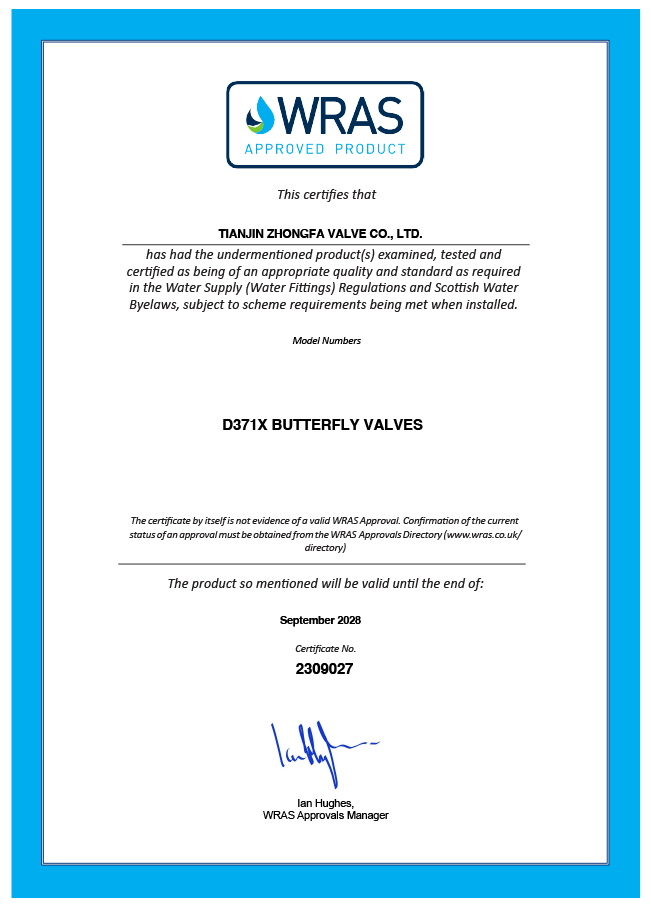
WRAS
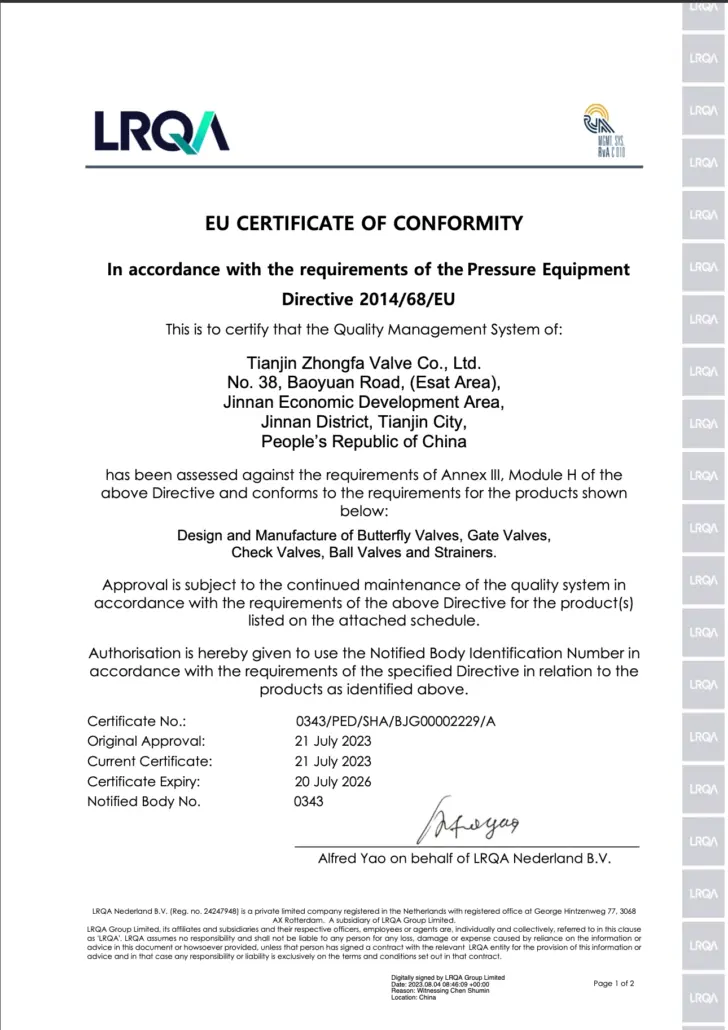
CE
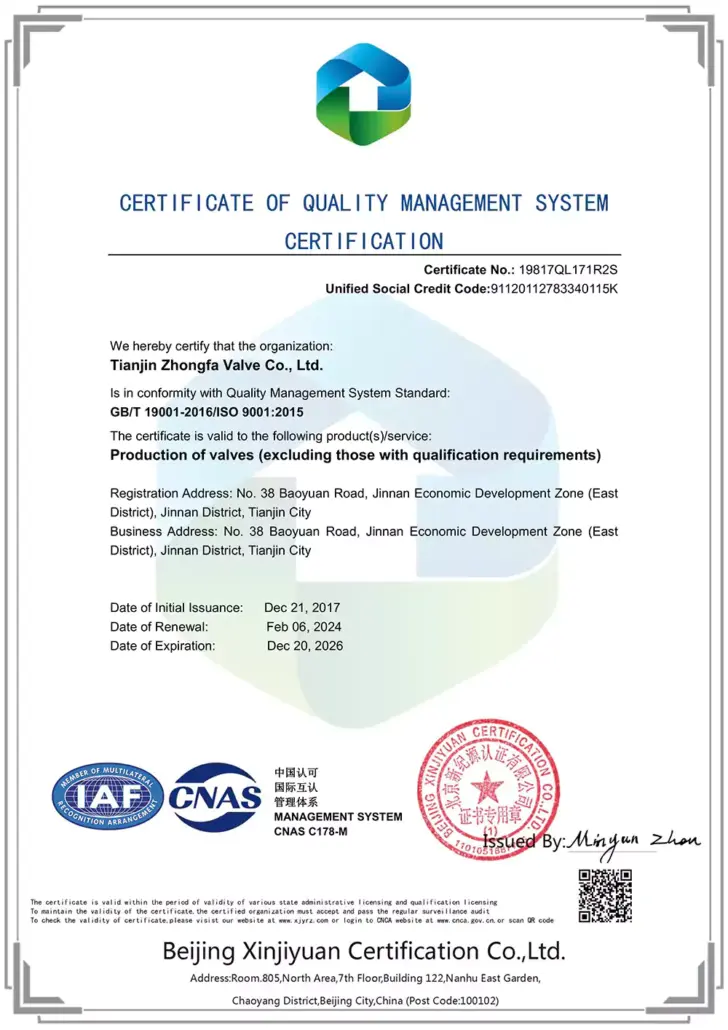
ISO 9001
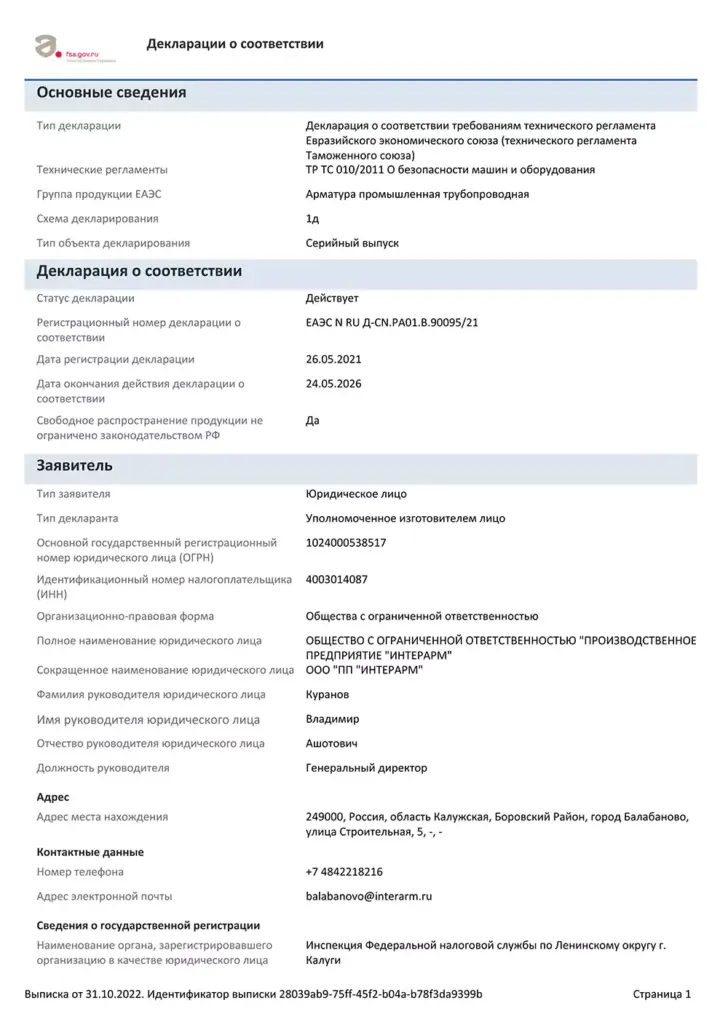
EAC Russia
WCB High Performance Lug Butterfly Valve
Q1. Does “Class 150” mean that the butterfly valve can only withstand a pressure of 150 psi?
A: Not necessarily. “Class 150” is a pressure rating under the ASME standard, rather than a fixed working pressure of 150 psi. The actual allowable pressure depends on the valve body material, operating temperature, seat material, and the specific design of the valve.
Q2. For high-performance lug-style butterfly valves, is it better to choose PTFE or RPTFE?
A: PTFE is suitable for applications requiring high chemical resistance and a low coefficient of friction. RPTFE, due to its superior resistance to deformation and wear, is generally better suited for conditions involving higher mechanical loads, frequent operation, or elevated temperatures.
Q3. Can high-performance lug-style butterfly valves be used in “dead-end” service?
A: Yes, though the allowable pressure in dead-end service may be lower than the valve’s standard operating pressure. The lug-style design, featuring threaded lugs, allows for bolting on either side of the valve.
Q4. Can a Class 150 lug-style butterfly valve be installed between PN16 flanges?
A: Not necessarily. The bolt hole dimensions for ASME Class 150 flanges differ from those of PN16 flanges. Before installation, you must verify the bolt circle diameter, bolt hole configuration, thread specifications, and overall flange dimensions.
Q5. Can the valve withstand the full pressure differential in both flow directions?
A: This depends on the seat design and the pressure-direction rating. Some high-performance butterfly valves have a recommended flow direction, while others offer bi-directional shut-off capability. Always confirm the allowable pressure differential for each direction prior to installation.