
Flanged VS threaded valves: what’s the difference? This is the first question that comes to mind when you are searching for a reliable valve. Actually, valves are among the most critical components of every piping system. They control, stop, or direct the flow of liquids and gases through pipes.
But when choosing a valve, it is not enough to look at what the valve does. You also need to consider how it will connect to the pipe. That’s where two options, threaded and flanged valves, come into the scene. They do the same job; there are many differences between these two valves. In this guide, I will compare the two valves and help you choose the more reliable one. So let’s get started.
What are Flanged and Threaded Valves?
Understanding the basics of flanged and threaded valves is crucial. If you don’t have basic know-how of these valves, you may struggle to understand their differences.
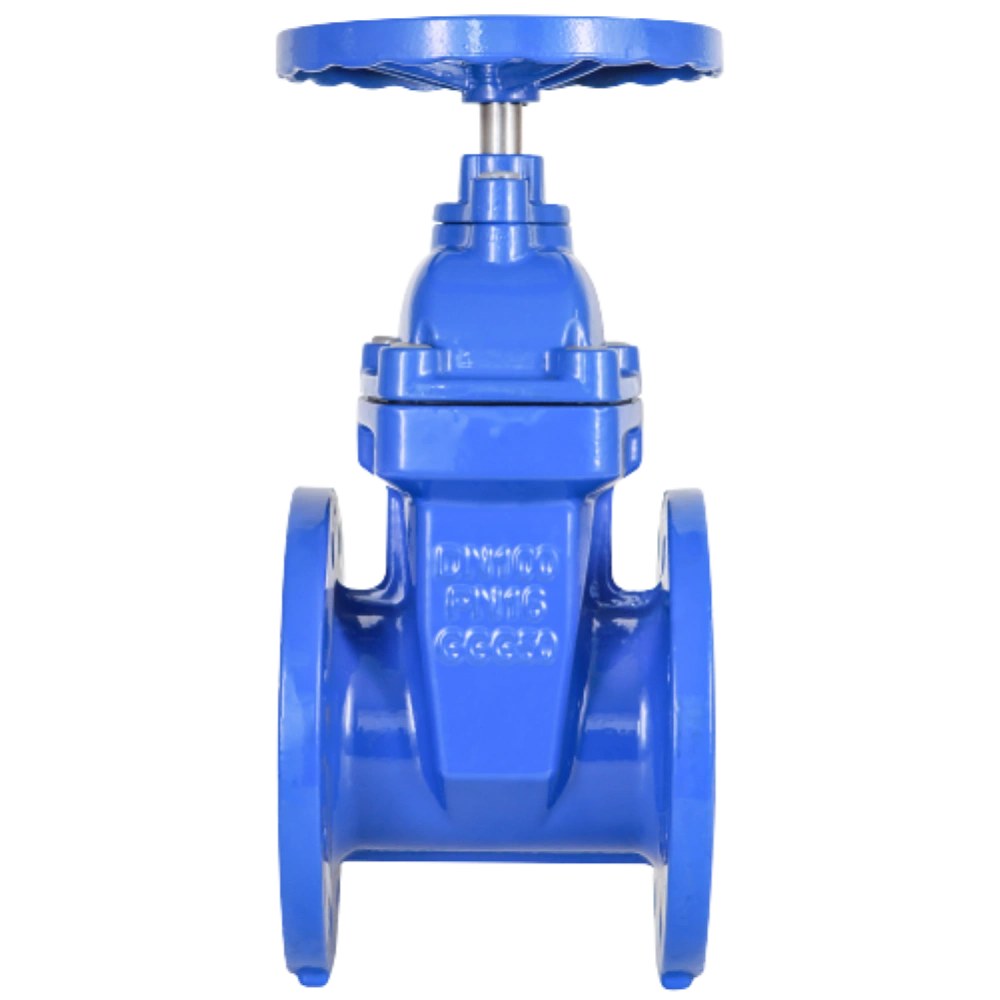
Flanged valves come with flanges (discs with holes) on both ends. These valves connect to the piping system through these flanges. You’ll have to use bolts and gaskets for connection and sealing, respectively. On the other hand, threaded valves consist of threaded ends. These valves are screwed into the pipes for connections.

First things first – flanged and threaded valves differ from each other in terms of their connections. Differences in connection methods lead to other differences between these two valve types. Flanged valves consist of flanges that help create a strong connection between the valve and the pipe. A gasket, typically made of rubber, is placed between the piping and the flange.
The purpose of this gasket is to provide a seal and prevent the leakage of liquids or gases. The bolts are then placed in the holes present on the flange for secure connection. As the name suggests, threaded valves have threads at their ends. These threads are useful for connecting the valve to the piping system.
You can simply install these valves by screwing the valves into the pipes. It is worth noting that flanged valves are typically the best option for larger pipes. Their gasket sealing system ensures reliable performance without leakage issues. However, threaded valves are used in small pipelines and domestic water supply lines.
They offer excellent performance in low-pressure applications. When used in heavy-duty applications, they may fail, leading to leakage. Remember, threaded valves are generally considered best for budget-friendly projects. Not only are these valves cheaper, but they are also very simple. You can even install these threaded valves without hiring any professional.
Flanged VS Threaded Valves: 9 Key Differences
Both flanged and threaded valves control the flow of liquids and gases. But it does not mean they are the same. Instead, several variations set them apart. Let’s dive in and explore major factors that differentiate flanged and threaded valves.
1- Connection Method & Installation Process
The first big difference between flanged and threaded valves is how they connect to the pipe. A flanged valve has flat ends called flanges. These flanges are joined to the matching flanges on the pipe using bolts and nuts. Typically, a gasket is placed between the two flanges to create a tight seal and prevent leakage. All this makes the installation process of flanged valves time-consuming and difficult.

On the flip side, threaded valves have threads that match the threads inside or outside the pipe or fitting. You just need to screw the valve into the pipe and tighten it. As a result, their installation becomes simpler and requires less effort.
2- Leakage & Sealing
Another thing that sets flanged and threaded valves apart is how they create a seal and prevent leakage. There is no doubt that both prevent leakage, but they do so differently. For instance, threaded valves connect by screwing into a threaded pipe or fitting. However, small gaps sometimes remain.
To close them, a thread sealant or sealing tape is often used. On the other hand, a flanged valve normally uses a gasket between the valve and the pipe. The two flanges are placed together, and bolts are tightened to press them against the gasket. This automatically fills the gap and creates more reliable sealing.
3- Strength & Durability
In terms of strength and durability, flanged valves are the clear winner. How? Actually, they use bolts and a flange connection to join the valve to the pipe. When these parts are fitted and tightened in this way, they make a strong connection between the valve and the pipe. However, threaded valves are also durable, but their strength relies on their threads. The valve is screwed directly into the pipe or fitting. If the valve is over-tightened, it is more likely to get damaged. Still, it would be wrong to say that every flanged valve is stronger than every threaded valve.
4- Pressure & Temperature Rating
Pressure and temperature tell us how much pressure and heat a valve can safely handle. In this regard, threaded valves are slightly compromised. Why? They connect by screwing into the pipe. This connection method works well for low- to medium-pressure applications.
High heat and pressure can damage their connection and cause leakage. On the flip side, flanged valves offer superior pressure and temperature ratings. Their heavy-duty bolted connections and specialized gaskets (such as graphite or spiral-wound gaskets) prevent seal blowouts under extreme heat and pressure.
5- Reusability after Removal & Vibration Resistance
Flanged valves offer high reusability in fixed piping systems. To remove a flanged valve, you simply unbolt it from the matching flanges without disturbing or rotating the surrounding pipework.
On the other hand, removing a threaded valve requires unthreading (rotating) the valve body from the pipe. If the piping system lacks a pipe union or sufficient clearance, removing a threaded valve can be challenging. Additionally, repeated threading and unthreading over time may cause the threads to wear down.
6- Maintenance & Replacement
Flanged valves allow for quick online maintenance. Operators can loosen the bolts, drop the valve out vertically, replace the worn gasket, and reinstall it without needing to cut or rotate the pipeline.
Threaded valves are ideal for small-scale maintenance due to their lightweight design. However, replacing them in tight or fully fixed pipeline setups requires disconnecting nearby pipe unions first.
7- Weight & Overall Size
The weight and overall size of the valve can also be different between flanged and threaded valves. How? Actually, threaded valves are usually smaller and lighter. They connect directly to the pipe, so they do not need separate flanges, bolts, and nuts. All this makes it easier for one person to handle and install them.

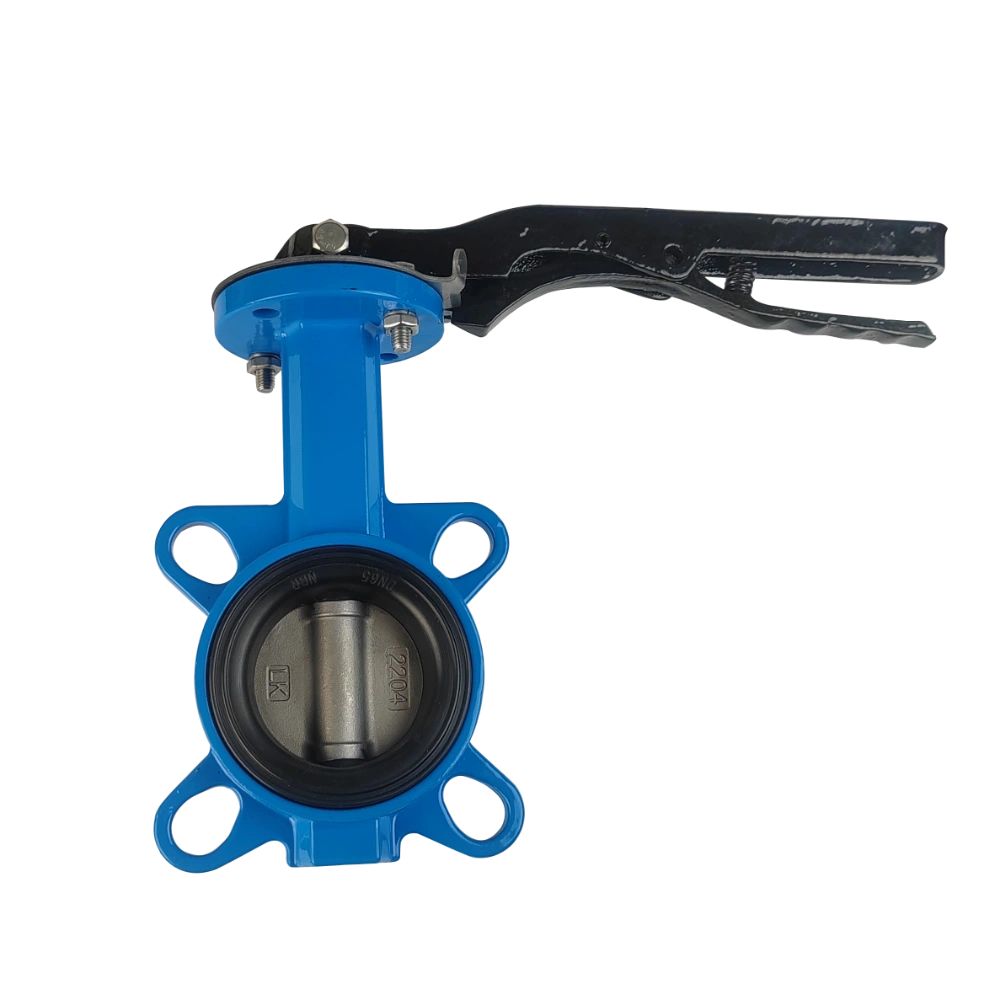
In contrast, flanged valves—such as heavy-duty butterfly valves—are inherently larger and heavier. A flanged valve assembly includes heavy companion flanges, multiple high-tensile bolts, nuts, and gaskets. As pipe diameters increase, these components add significant weight, often requiring external structural support during installation.
8- Best Uses & Common Applications
Due to variation in many aspects, the usability of both valve types also varies. For example, flanged valves are reliable for large and industrial systems. You can often find flanged valves in:
- Large water pipelines
- Water treatment plants
- Oil and gas systems
- Chemical processing plants
- Power plants
- HVAC and utility systems
On the flip side, threaded valves are the best choice for small and low-pressure systems. They are often used in:
- Small water lines
- Plumbing systems
- Compressed air lines
- Irrigation systems
- Small gas lines, where permitted
- Small industrial piping
9- Cost & Affordability
Lastly, the overall cost and pricing make a huge difference between the two valves. Generally, threaded valves are more affordable and come at lower prices. The first reason is their smaller size and simple design that require no complex manufacturing.
Moreover, their installation is easier, which reduces labor costs. Conversely, flanged valves are slightly more costly due to their complex design and extra connection parts. Manufacturing all these parts requires more time and material. Also, their installation is more complex, which further increases the total expense.
Which One Should You Choose, Flanged or Threaded Valves?
Choosing between flanged and threaded valves depends primarily on pipe size (NPS/DN), working pressure, and installation space:
- Choose Threaded Valves if: Your pipeline size is 2 inches (DN50) or smaller, operates under low-to-medium pressure, and you need a compact, low-cost solution with easy DIY installation (e.g., standard NPT/BSPT threaded connections).
- Choose Flanged Valves if: Your pipeline size is larger than 2 inches (DN50), operates under high pressure/temperature, experiences heavy vibration, or requires routine maintenance without rotating the pipes.
Conclusion
Flanged and threaded valves are two of the most common valve options in many piping systems. Both of them create a seal, preventing leakage. However, they still vary in many ways that I have discussed in this guide. Flanged valves are known for their stronger connection, strength, and durability. However, threaded valves are compact, simple to install, and generally more affordable. The final choice depends on pipe size, pressure, temperature, space, cost, and maintenance needs.