
In any piping system, valves are essential for controlling fluid flow. The two most popular valve options are gate valves and knife gate valves. Both use gates to control fluid flow. However, they work very differently. This raises a debate on gate valves vs knife gate valves.
Interestingly, user opinions are mixed. Some people favor gate valves while others love knife gate valves. However, these two gate valves differ in many ways. Understanding these differences is crucial if you’re choosing between the two. In this guide, I will compare both valves in many aspects and explore their key differences. So let’s get started.
Gate Valve VS Knife Gate Valve: 8 Key Differences
So, basically, both knife gate and gate valves stop and allow flow. So they might look similar because of the gate. But what really sets them apart? Let’s put these two valves side by side and see how they actually differ.
1- Design & Construction
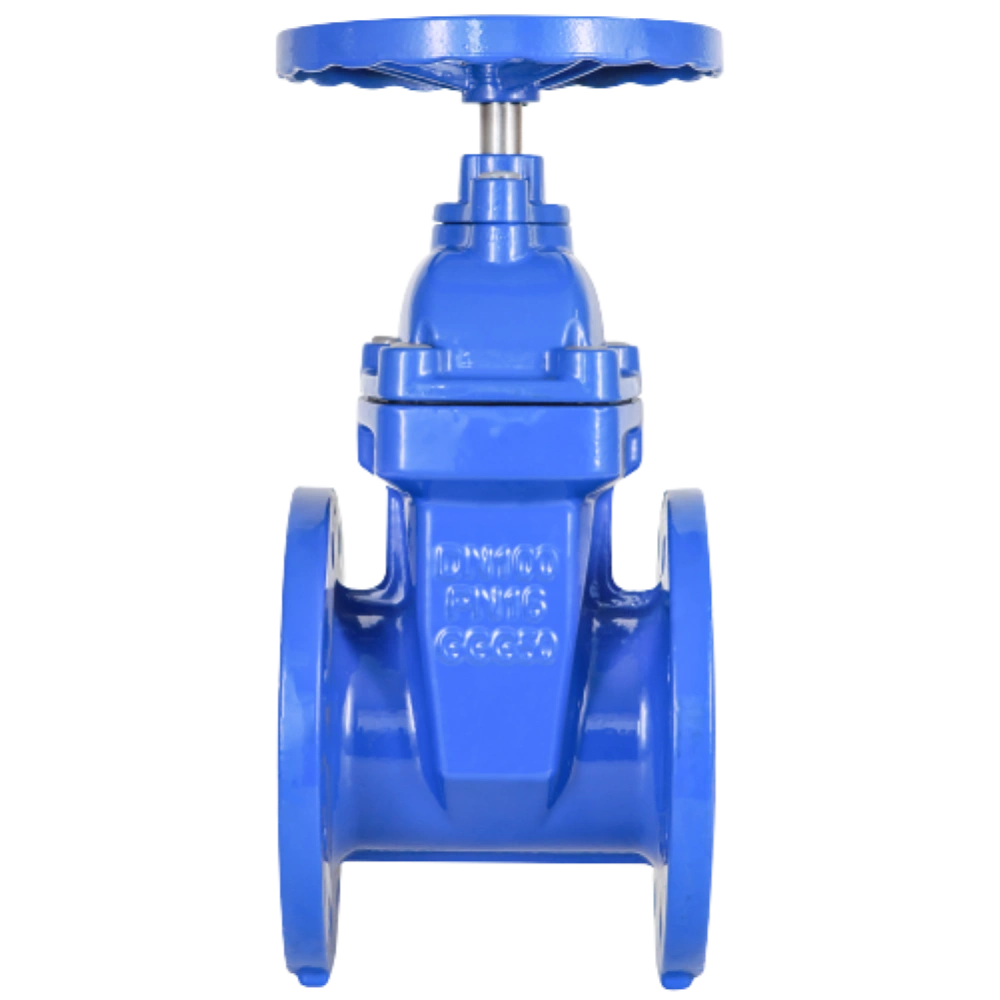
The biggest difference between a gate valve and a knife gate valve is their construction. A gate valve usually has a thicker gate. That gate moves up and down inside the valve body. This gate might be wedge-shaped or flat, depending on the valve design. By contrast, a knife gate valve has a much thinner gate. Its lower edge is very sharp or beveled, which is where the word “knife” comes from. This thin gate moves through thick or difficult materials more easily.
2- Gate Design & Operating Principle
As I said above, both gate valves and knife gate valves use a moving gate to stop or allow flow. But their gate designs are very different. If we look at the knife gate valve, it uses a much thinner gate with a sharp or beveled lower edge. This is the main feature that makes it different. As the gate moves down, its thin edge cuts through thick materials easily. But the gate valve has a thicker, wedge-shaped gate. This design allows only fluid to pass, not thick material. However, both types of gates operate the same way. In both valves, the gate moves up to allow fluid and down to stop it.
3- Pressure Rating & Temperature Resistance
Pressure and temperature are two other things that differentiate gate valves and knife gate valves. To cope with high pressure, generally gate valves stand out. They come with a high pressure rating. Their strong body and sealing design allow them to handle high pressure effectively. On the other hand, knife gate valves are mainly designed to handle low- to moderate-pressure service. They handle thick material that comes at lower pressures. The temperature is a little different. Neither a gate valve nor a knife gate valve has one fixed temperature limit. The temperature they handle depends heavily on the valve’s construction.
4- Slurry Handling & Flow Resistance
When it comes to slurry handling, knife gate valves are the clear winner. Slurry is basically a mixture of liquid and solid particles. So it is much thicker and harder to handle than clean water. But the knife gate valve’s thin, sharp-edged gate moves through thick material and cuts through solids as it closes. However, the gate valve is not meant for slurry handling; it is for general clean fluids. If solid particles are present, they might get stuck around the gate valve seal. This makes the valve harder to operate. In terms of flow resistance, both present a clear path when the gate is fully opened. But sometimes, in a knife gate valve, the slurry itself can affect flow and create resistance.
5- Media Compatibility & Durability
Both gate and knife gate valves also have different media compatibility. How? Actually, a gate valve is a good fit for clean liquids and gases. It is used with water, oil, gas, and other fluids where there are no solid particles. However, if the media contains many solids or abrasive particles, they collect around the gate and increase wear over time.
In contrast, knife gate valves are better suited to difficult media. They can handle slurry, sludge, pulp, wastewater, powders, and fluids containing solid particles. Their thin gate and durable design help handle problems caused by solid particles.
6- Size & Weight
Another area where the gate valve and knife gate valve show differences is the size and weight. Gate valves are slightly larger, bulkier, and heavier. The reason lies in their gate design, which has to handle high pressure. A knife gate valve is often more compact and lightweight. This is because of its thin, knife-like gate. Also, they don’t need to handle high pressure, so they don’t need added weight in the body. However, that doesn’t mean every knife gate valve will be smaller or lighter. Some knife gate valves are built for demanding conditions, which increases their weight.
7- Ease of Installation & Maintenance
A valve is not something you install and forget. It needs inspection, cleaning, seal replacement, or other work during its service life. That’s where gate and knife gate valves differ. If we discuss knife gate valves, they have a much simpler design and are easier to handle. This also makes installation easier. However, maintenance is slightly more difficult due to slurry handling. Slurry often builds up in sealing areas, requiring regular maintenance. However, gate valves are often harder to install because they are heavier and take up more space. But because they handle only clear liquids, they don’t require as much maintenance.
8- Durability & Lifespan
Both valve types are durable when they are used in their compatible conditions. But interestingly, gate valves are more durable due to their strong body design for handling high pressure. Their sturdy internal parts handle demanding service for a long time when the valve is used within its rated conditions.
A knife gate valve is usually more durable when the media contains solids. Slurry, sludge, pulp, and other thick materials can wear out ordinary valves. But knife gates pass through these materials and last longer. If a knife gate valve is used with highly abrasive material, its gate, seat, and other parts gradually wear down.
9- Cost & Applications
Gate valves are more expensive compared to knife gate valves. Why? These valves are exposed to high pressures. So they are made from strong materials that can withstand extreme pressure. Manufacturers also focus on their design and structure.
In contrast, the knife gate valves typically do not face extreme pressures. So they are made with lightweight materials. In terms of applications, these valves differ. Gate valves are used for general applications, whereas gate knife valves are better suited for handling slurries. Below is the table showing the applications of these two valves:
| Gate Valve | Knife Gate Valve |
|---|---|
| Water pipelines | Wastewater treatment |
| Oil & gas pipelines | Slurry handling |
| Steam systems | Pulp & paper |
| Chemical processing | Mining |
| Power plants | Cement processing |
| Clean-fluid systems | Thick fluids with solids |
Frequently Asked Questions
Can a knife gate valve be used for water?
Yes. Knife gate valves can be used for water. In fact, they are commonly used in wastewater transportation systems. This water contains debris and other contaminants. Knife gate valves perform excellently even in such contaminated wastewater.
Which valve is better for high-pressure applications?
A gate valve is a better option for high-pressure applications. They are made of sturdy materials and have a strong design. They are ideal for high-pressure systems.
Which valve has lower flow resistance?
Both of these valves offer flow resistance. However, this flow resistance is minimal when these valves are fully open. When partially open, they both offer flow resistance. I rate these valves as almost similar in terms of flow resistance.
Which One Should You Choose, Gate Valve or Knife Gate Valve?
The differences I discussed should make everything clear, right? Still confused about these two valves?
I recommend choosing gate valves, especially if you prefer durability and high-pressure resistance. These valves are the best option for general applications and perform excellently. They also require minimal maintenance, which is a major advantage. Although they are expensive, their performance is worth the investment.
Are you on a tight budget and want decent valves for slurries and the mining sector? In this case, I would suggest choosing knife gate valves. These valves are lightweight, easy to install, and stand out due to their low price. Remember, these valves are cheap, but they need regular maintenance. If you choose them, make sure to maintain them well so they remain durable.
Conclusion
Both gate valves and knife gate valves have their own strengths and weaknesses. Both valves are made to control flow, but they are designed for different jobs. So the right choice depends on your application. A gate valve is better for clean liquids and gases, especially when high pressure and a tight shutoff are priorities. A knife gate valve is better suited for thick materials, slurry, sludge, pulp, and fluids containing solid particles.