
What is an O-ring? That’s probably the first question that comes to mind when you see a small rubber ring inside a pipe, valve, or fitting. That small and simple-looking part seems like an ordinary thing. But in reality, this tiny part is known as an O-ring and does an important job. It creates a seal and stops leaks. But an O-ring is more than just a rubber ring. Not every O-ring suits every job. If you are new to O-rings, these terms might feel technical at first. But you need not worry! In this guide, I will discuss everything you need to know about O-rings, like their uses, types, and how to choose the right one. So let’s get started.
What Is an O-Ring?
An O-ring is a small, round ring that stops liquids or gases from leaking. It is usually made from a flexible material such as rubber. This ring sits between two parts and fills the small space between them. This creates a tight seal, keeps the fluid or gas inside the system, and prevents leakage.
The name “O-rings” basically comes from their shape. When you look at an O-ring from the front, it looks like the letter “O.” Most O-rings have a simple round design, with no special corners or complicated parts. This simple design is what makes them easier to install. O-rings also come in many different sizes.
This means an O-ring can fit a small fitting or much larger equipment. Similarly, some O-rings are soft, flexible, and made of rubber. But there are also some that are made harder to cope with intense temperatures. As a result, O-rings are used in a wide range of industries and products. You may find them in cars, engines, pumps, valves, pipes, hydraulic and pneumatic equipment, and medical devices.
How Does an O-Ring Work?
The working principle of O-rings is very straightforward. They simply work by filling the small gap between two parts. But how does it happen? Actually, the ring is placed inside a specially made groove. Now, when the two parts come together, they gently squeeze the O-ring. Because the ring is flexible, it presses against both surfaces.
This mechanism automatically closes the path where air, oil, or another fluid could escape. But the pressure inside the system makes this seal even tighter. How? Basically, when a liquid or gas pushes against the O-ring, the flexible ring moves slightly toward the gap. This helps it stay in contact with the surrounding surfaces and prevent leakage.
Interestingly, these O-rings keep working whether the system is moving or still. When the parts do not move, it is called a static seal. On the flip side, when one part moves, it is called a dynamic seal, such as inside a hydraulic cylinder. Still, the basic working of O-rings remains the same.
Main Types of O-Rings
Now you have a basic idea about the O-rings and how they work, right? There is no doubt that they provide a tight seal. However, not all O-rings are made for the same job. To meet different needs, manufacturers make these rings in different materials and sizes. So let’s discuss the main types of O-rings and each one’s specifications.
1- Standard O-rings
The first, most common, and widely used type is the standard O-ring. They have a simple round cross-section and come in many sizes and materials. Because of this simple design, they are used in a wide range of equipment, from small fittings to large industrial machines. They are often the first option people consider when they need a replacement seal. They are easy to find and usually do not cost much.
2- Backup rings
A backup ring is a support ring that is normally used with an O-ring. Basically, it is the part of an O-ring that connects to the seal. It is usually made from a harder material and is placed next to the O-ring in the sealing area. Its main job is to give the O-ring extra support when it is exposed to high pressure. Why? Basically, the high pressure pushes an O-ring toward the small gap between two parts. If this keeps happening, the O-ring becomes damaged, cut, or squeezed into that gap. This problem is often called extrusion. Backup rings help reduce this risk.
3- Encapsulated O-rings
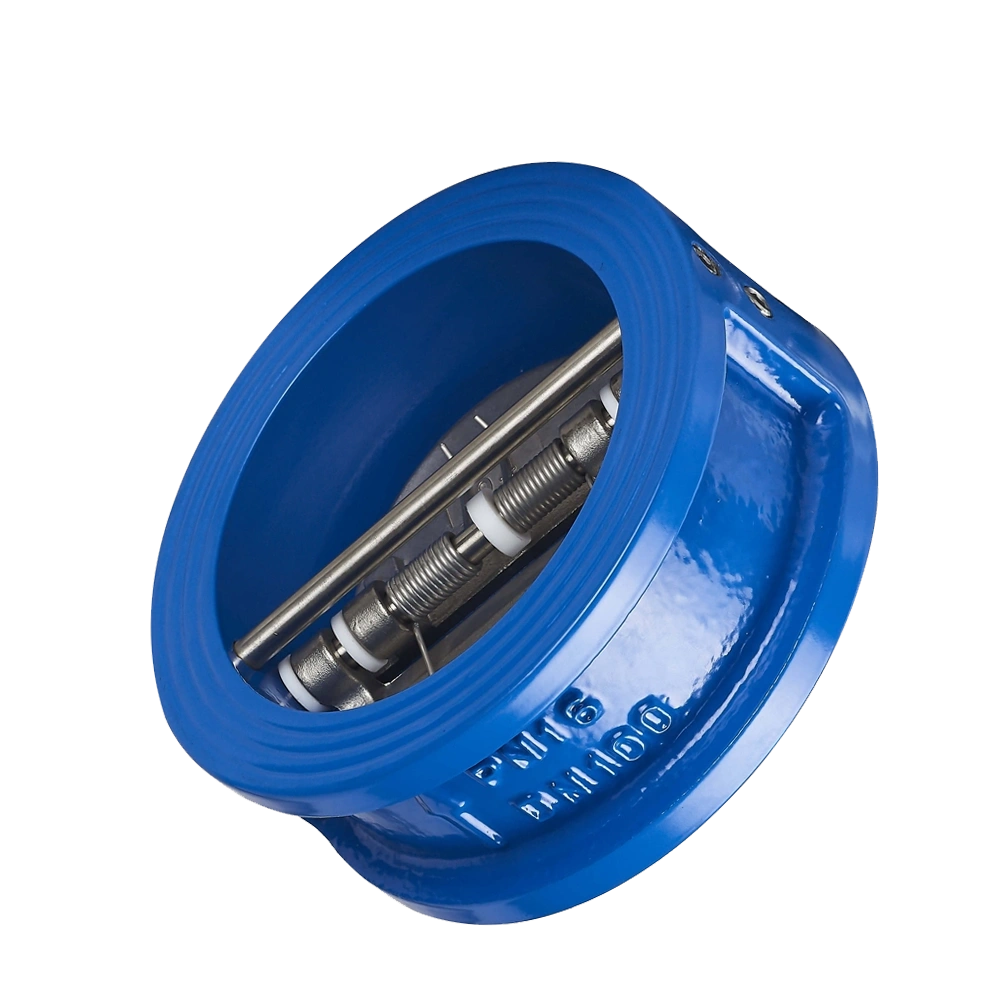
Now it comes to an encapsulated O-ring that is a little different from a normal O-ring. It has a flexible inner core that is covered with another material. However, its outer covering is harder to make resistant to certain chemicals, heat, or other harsh conditions. This type is useful when a regular rubber O-ring cannot last long enough. For example, some valves, like check valves, handle chemicals that can attack ordinary sealing materials. An encapsulated O-ring here provides a stronger barrier between the sealing ring and the fluid or chemical.
4- Custom O-rings
Most common applications use standard O-rings. Right? However, not every machine is designed around a standard size. Sometimes the available space is unusual, the required O-ring size is different, or the system needs a special sealing material. This is where custom O-rings come into the scene. A custom O-ring is made to meet specific requirements. The manufacturer changes its size, cross-section, material, or other features to match the specific needs. This is also helpful when replacing an old seal that is no longer available or when designing a new machine.
5- Static and dynamic O-rings
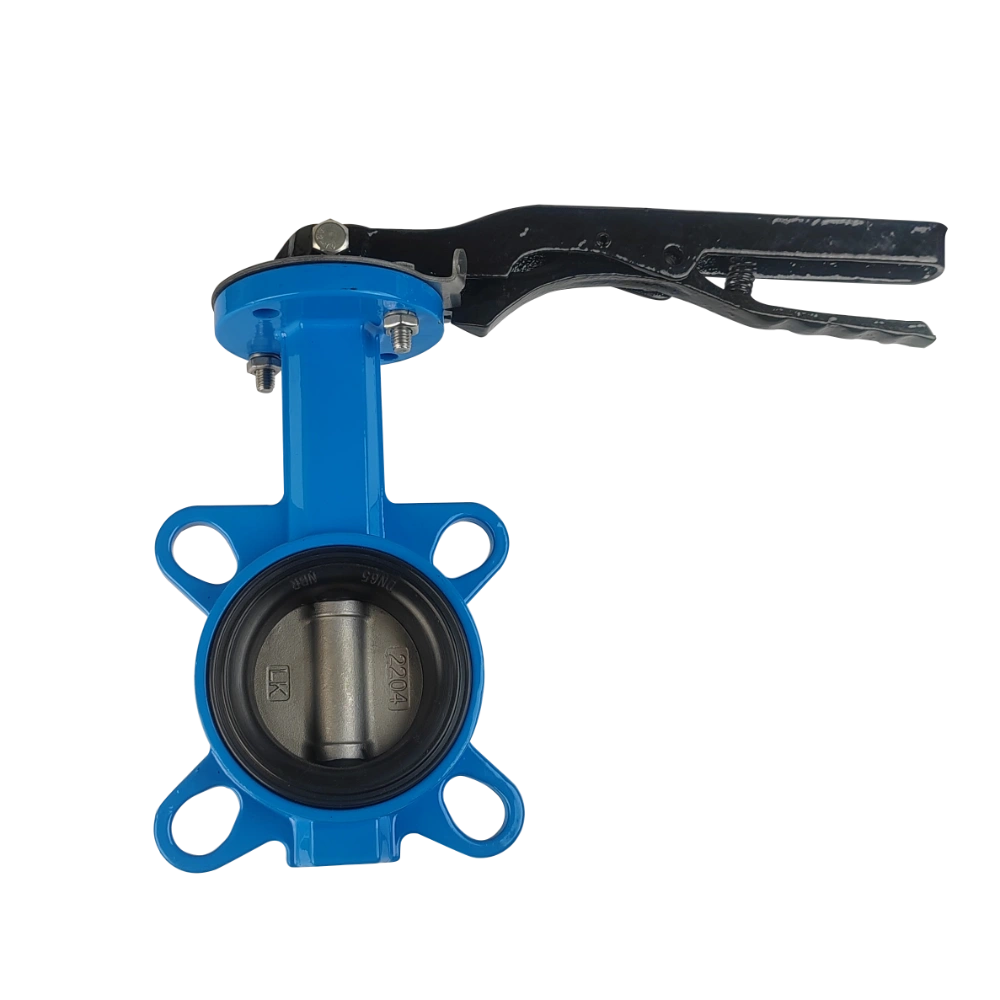
Lastly, there are static and dynamic O-rings that are different because of whether the parts around the O-ring stay still or move. As the name suggests, static O-rings are used when the parts around them stay in the same position. You find them in pipe connections, covers, flanges, butterfly valves, and housings. There is no movement. That’s why the main concerns are usually proper size, compression, and pressure.
On the flip side, a dynamic O-ring is used when one part moves relative to another. For example, you can find them in pistons, hydraulic cylinders, and pumps. But dynamic O-rings have a more difficult job. They have to deal with movement as well as sealing. These repeated movements can create friction and wear. So, when choosing them, the main concerns are speed, liquid type, and pressure.
Where Are O-Rings Used? Common Applications
O-rings might seem like very tiny parts. However, they are best known for creating tight seals effectively. That’s the reason many industries rely on them. You can find them in everyday products, vehicles, machines, and large industrial systems. The size, material, and design might change from industry to industry. However, the basic purpose stays the same: to create a reliable seal and reduce leaks. Let’s look at where O-rings actually perform in different industries.
| Application | Common Uses |
|---|---|
| Automotive | Engines, fuel systems, brakes |
| Hydraulics | Pumps, cylinders, valves |
| Pneumatics | Air tools and cylinders |
| Plumbing | Pipes, faucets, fittings |
| Industrial Machinery | Pumps, valves, machines |
| Aerospace | Aircraft systems and equipment |
| Medical Equipment | Pumps and medical devices |
| Appliances | Washing machines, coffee machines |
| Oil & Gas | Pipes, pumps, and equipment |
How to Choose the Right O-Ring for Your Needs
As you can see, O-rings come in many sizes, materials, and types. That’s why you cannot choose any O-ring and install it. You must consider several factors to make the right choice. Feel confused? Don’t worry! Here are some factors to keep in mind when choosing an O-ring.
-
Size of O-ring
First, start with the size. An O-ring that doesn’t fit properly won’t form a good seal. So you should normally check its inside diameter and cross-section, which means the thickness of the ring. Then choose a ring that fits the groove correctly, without being too loose or stretched too tightly.
-
Material
O-rings can be exposed to very different conditions. To handle them, manufacturers use different materials. Common materials include NBR, silicone, EPDM, FKM, and PTFE. Some of these materials work well with oil, while others are better for water, chemicals, heat, or outdoor use. So you should first know what the O-ring will come into contact with and then choose a material.
-
Temperature Range
Think about how hot or cold the O-ring will get during normal use. Too much heat makes some O-rings hard, soft, or damaged over time. Similarly, very low temperatures can also make certain O-rings less flexible. Therefore, always check the manufacturer’s temperature range. Then, make sure it covers the actual conditions of your application.
-
Pressure Conditions
System pressure is another important point. High pressure adds extra stress to the seal and may push the O-ring into small gaps between parts. Over time, this damages the ring. So if you are choosing O-rings for high pressure, you must pay heed to O-ring material and groove design. Sometimes you also need a backup ring for extra support.
-
Chemical exposure
Lastly, always check what the O-ring will touch. This could be water, oil, fuel, air, cleaning products, chemicals, or another fluid. Remember, not every O-ring material reacts well with every substance. So, before choosing an O-ring, identify the fluid or chemical involved and make sure the material is compatible with it.
Conclusion
O-rings are small but highly effective parts inside valves, pipe fittings, and many other devices. They help keep water, oil, air, and other fluids where they should be. That is why these simple rings are used in so many machines and systems. In this guide, I have discussed everything about these O-rings, from their types to their uses and materials. However, not every O-ring is the same. Size matters. So do the material, pressure, temperature, and the fluid around it. So, before choosing an O-ring, do not just pick the one that looks right. Take a moment to check what the job actually needs.