
Lug butterfly valves are great for controlling water and other fluids in pipes. They cost less than many other valve types. Additionally, they are well-suited for a wide range of jobs. Plus, they’re easy to install and maintain. This guide helps you pick the right lug butterfly valve for your needs.
What is a Lug Butterfly Valve?
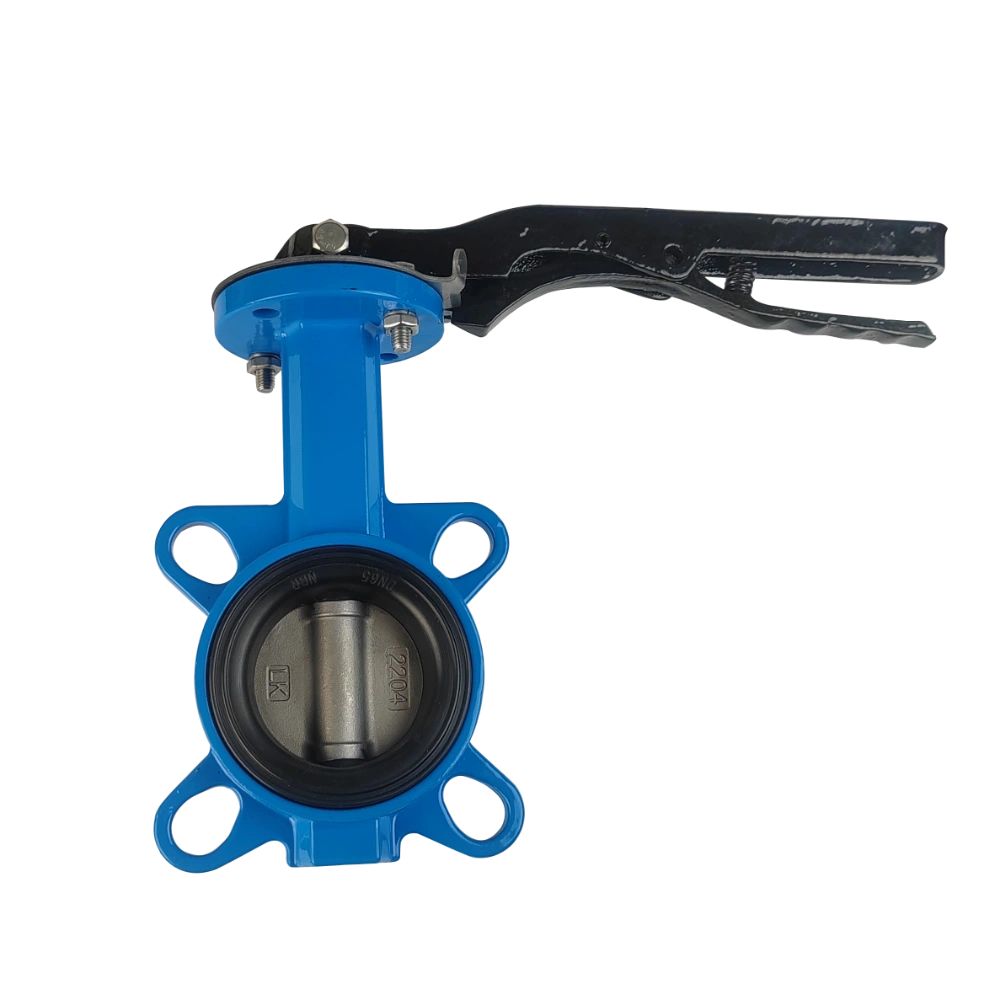
A lug butterfly valve is a quarter-turn valve with a flat, round disc inside that spins to control flow. The disc works like a door that opens and closes. Additionally, “lug” refers to a valve that has threaded holes on both sides. You can bolt these holes directly to pipe flanges without the need for long bolts going all the way through.

Key Parts of a Lug Butterfly Valve
Every valve has four key parts that work together. The body is the main shell that holds everything. It connects to your pipes and handles the pressure.
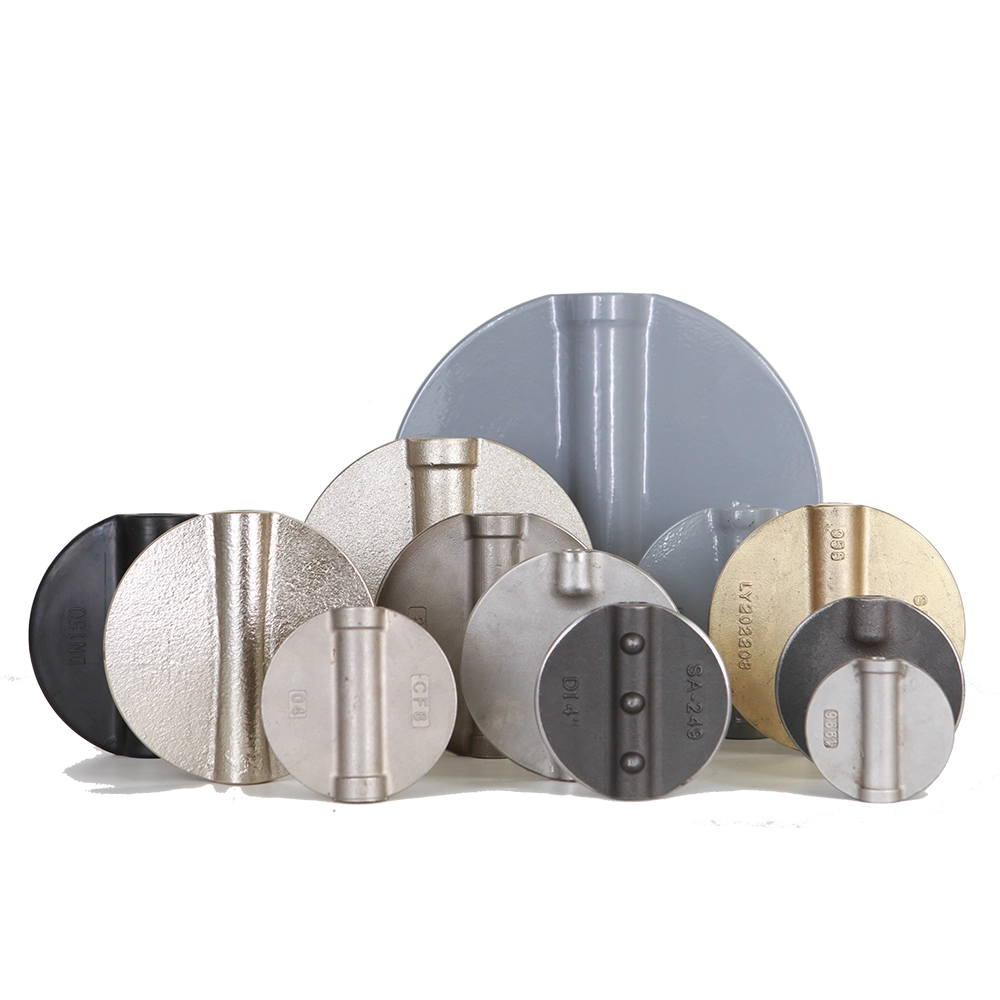
The disc is the flat, round part that stops or allows flow. It turns 90 degrees from closed to open.
The stem connects the disc to the handle outside and lets you turn it from the outside of the pipe.
The seat is the sealing surface where the disc sits when closed. It also prevents leaks when the valve is shut.
The body must be strong enough to withstand the system pressure. The disc also needs to be smooth so fluid flows around it easily and seals tightly against the seat when closed.
How Lug Type Butterfly Valves Work

When closed, the disc sits across the pipe opening like a wall. In this state, no fluid can pass through.
When you turn the handles 90 degrees, the disc turns sideways and allows fluid to flow easily. There is also very little pressure drop when fully open.
Controlling Flow
You can set the disc at any angle between open and closed. But most flow happens in the first 30 degrees of opening. This makes smooth control harder than in other valves because lug butterfly valves work best when fully open or closed.
When fluid hits the disc, it creates swirls that go away as the fluid moves downstream. Attaching a straight pipe after the valve helps smooth out the flow and reduce energy losses in your system.
Key Difference: Lug VS Wafer Butterfly Valve
The main difference between lug and wafer butterfly valves is how they attach to pipes. This affects how easy they are to install and maintain.
Lug style butterfly valves have separate bolt holes on each side. You can use regular flange bolts to connect them independently without the need for longer bolts.
Wafer valves are thinner and will require long bolts. The bolts, aka through-bolts, go through both flanges and the valve body. They must be exactly the right length and have the flanges aligned perfectly.
Why Lug Butterfly Valves Work Better
Lug type butterfly valves let you remove downstream pipes easily. You don’t need to unbolt the valve, which makes repairs much faster and cheaper. Plus, you can test the upstream pressure while working downstream.
The separate bolts are more reliable when pipes expand from heat. Each bolt can be tightened on its own, which prevents warping of the valve body and makes maintenance much easier.
If something breaks downstream, you can still isolate the flow. The valve acts like a blind flange when one side is removed, giving you more flexibility during repairs. As a result, construction work is easier.
On an initial cost basis, lug butterfly valves cost more than wafer butterfly valves. However, lug style butterfly valves make up for their expensive price tag by being easier to maintain. Low maintenance naturally translates to lower labour costs, which in turn helps to save money over their lifetime.
Installation is also faster with lug style butterfly valves, and you don’t need custom-length bolts. This reduces inventory costs and delays. Plus, the flexibility saves money on large projects.
Types of Lug Butterfly Valves
Zero Offset Type
Zero offset butterfly valves have their discs centered perfectly in the pipe. They cost the least and work fine for simple jobs. Also, they use rubber seats that seal well at low pressures. But the rubber wears out from rubbing against the disc, and they don’t seal well at high pressures.
Some common applications for zero offsets are in water and HVAC systems with low pressures.
Double Offset Type
Double offset valves move the shaft away from the center in two directions. This makes the disc lift off the seat before it starts turning. There’s also no rubbing between the disc and seat, which makes the seat last much longer.
Also, these valves seal much better than zero types, work well in higher pressures, and need less force to operate.
Triple Offset Type
Triple offset valves use a cone-shaped disc and seat. They seal metal-to-metal without rubber parts, allowing them to work in high temperatures where rubber melts. As a result, they are the preferred option for oil and gas jobs.
These types cost the most but last the longest and handle the toughest conditions. The metal sealing can withstand up to 1000°F or more and easily meet fire safety codes for refineries.
How to Choose the Right Valve?
1. Materials to Look Out For
When selecting a valve, you should double-check the type of material it is made from and how well it handles pressure and temperature. Other things to consider are the cost and lifespan. Let this guide aid your decision.
a. Body Material Selection
Cast Iron – Budget Choice
- Best for: Freshwater systems
- Pressure rating: Class 150 applications
- Cost: Lowest option
- Avoid: Salt water, acids, impact-prone areas
Ductile Iron – Stronger Option
- Best for: Municipal water, moderate pressures
- Pressure rating: Class 150-300 applications
- Cost: 20-30% more than cast iron
- Avoid: Salt water, highly corrosive environments
Carbon Steel – Industrial Standard
- Best for: Oil, gas, higher-pressure systems
- Pressure rating: Class 150-600+ applications
- Cost: Mid-range pricing
- Requires: Protective coating to prevent rust
Stainless Steel – Premium Choice
- Best for: Chemicals, high temperatures, corrosive fluids
- Pressure rating: Class 150-1500+ applications
- Cost: 3-5x more than carbon steel
- Benefits: No rust, chemical resistance, long life

b. Disc Material Selection
Standard Applications:
- Stainless steel disc for most jobs
- Smooth surface finish required for good flow
- Beveled edges improve sealing
Special Conditions:
- Aluminum bronze for high-pressure water
- Special coatings for abrasive fluids
- Reinforced designs for large sizes
c. Seat Material Selection
By Temperature Range:
- Up to 180°F: Rubber seats (EPDM or Buna-N)
- 180-400°F: PTFE plastic seats
- Above 400°F: Metal seats only
By Application:
- Water systems: EPDM rubber
- Oil/gas systems: Buna-N rubber
- Chemical systems: PTFE plastic
- Fire-safe applications: Metal seats
2. Size Selection Guide
Available Sizes: 2″ to 48″ diameter
Sizing Rules:
- Calculate the maximum required flow rate
- Add 20% for future expansion
- Check pressure drop limits (typically 5-10 PSI max)
- Verify pipe velocities stay under 10 ft/sec
3. Pressure Rating Selection
Class 150 (up to 270 PSI at RT):
- Water distribution systems
- HVAC applications
- Low-pressure process systems
Class 300 (up to 740 PSI at RT):
- Industrial process systems
- Higher-pressure water systems
- Most chemical applications
Class 600 (up to 1480 PSI at RT):
- High-pressure steam systems
- Oil and gas applications
- Critical process systems
Note: Pressure ratings decrease as temperature increases
4. Fluid Compatibility Check
Water Systems:
- Fresh water – Most materials work fine
- Salt water – Avoid carbon steel, use stainless steel
- Hot water – Need heat-resistant seals
- Treated water – Check chemical compatibility with seals
Chemical Systems:
- Strong acids – Require special alloy bodies
- Corrosive chemicals – May dissolve rubber seals
- Mixed chemicals – Check all compatibility issues
Oil & Gas Systems:
- Petroleum products – Can dissolve some rubbers
- Hydrogen sulfide – Corrodes most metals quickly
- High temperatures – Need metal seats for fire safety
5. Operating Conditions Checklist
Pressure & Temperature:
- Maximum pressure + safety margin = minimum pressure rating needed
- The temperature range affects material choices
- Consider both normal and emergency conditions
Usage Frequency:
- Daily cycles: Under 100 = standard materials OK
- Daily cycles: Over 1000 = need high-quality bearings and seals
- Continuous operation = requires better lubrication systems
Environment:
- Freezing weather = need freeze-resistant designs
- Corrosive air = protect external parts
- High vibration = use reinforced mounting