
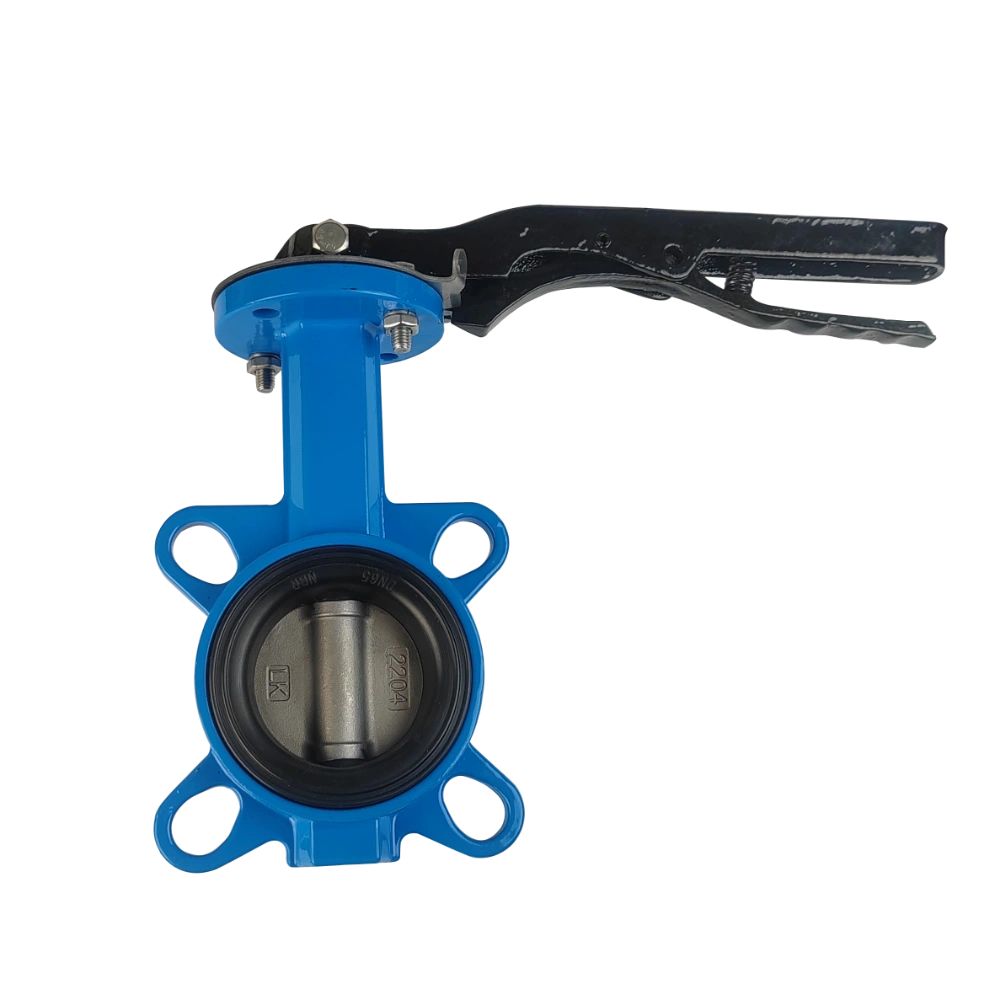
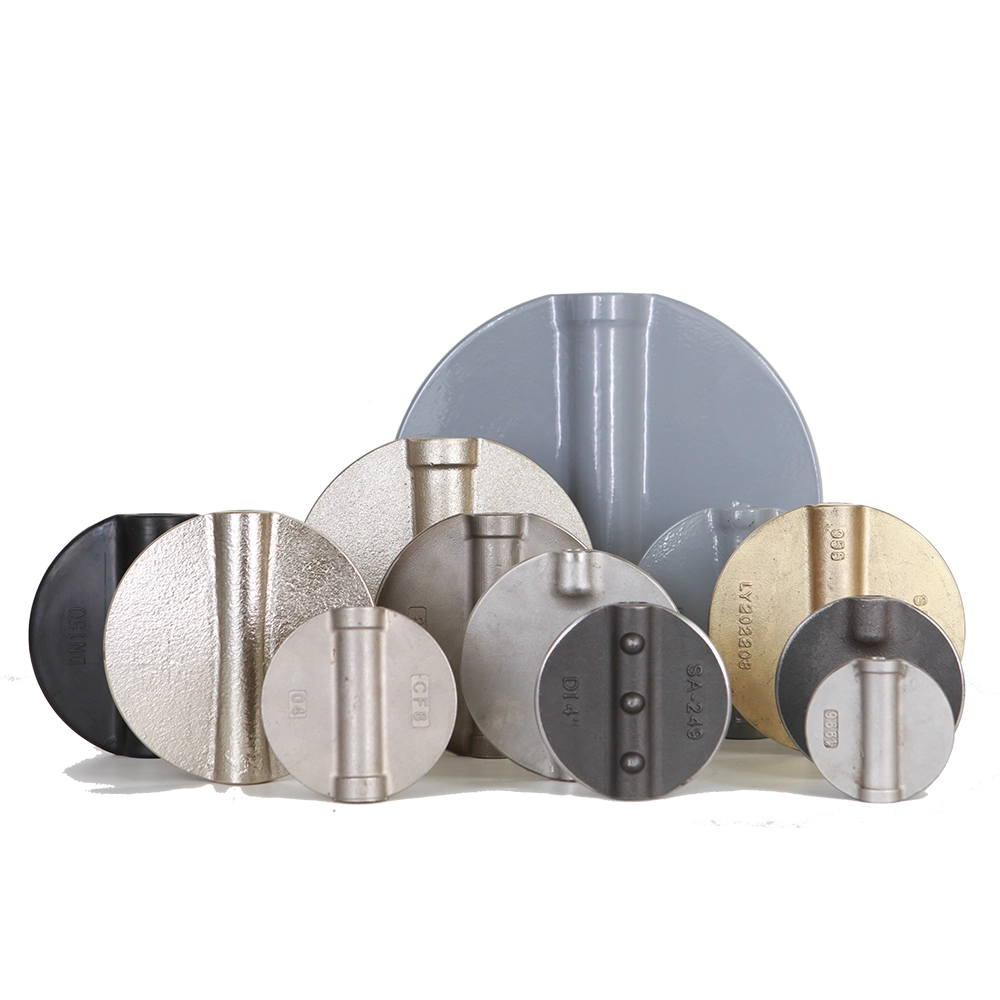
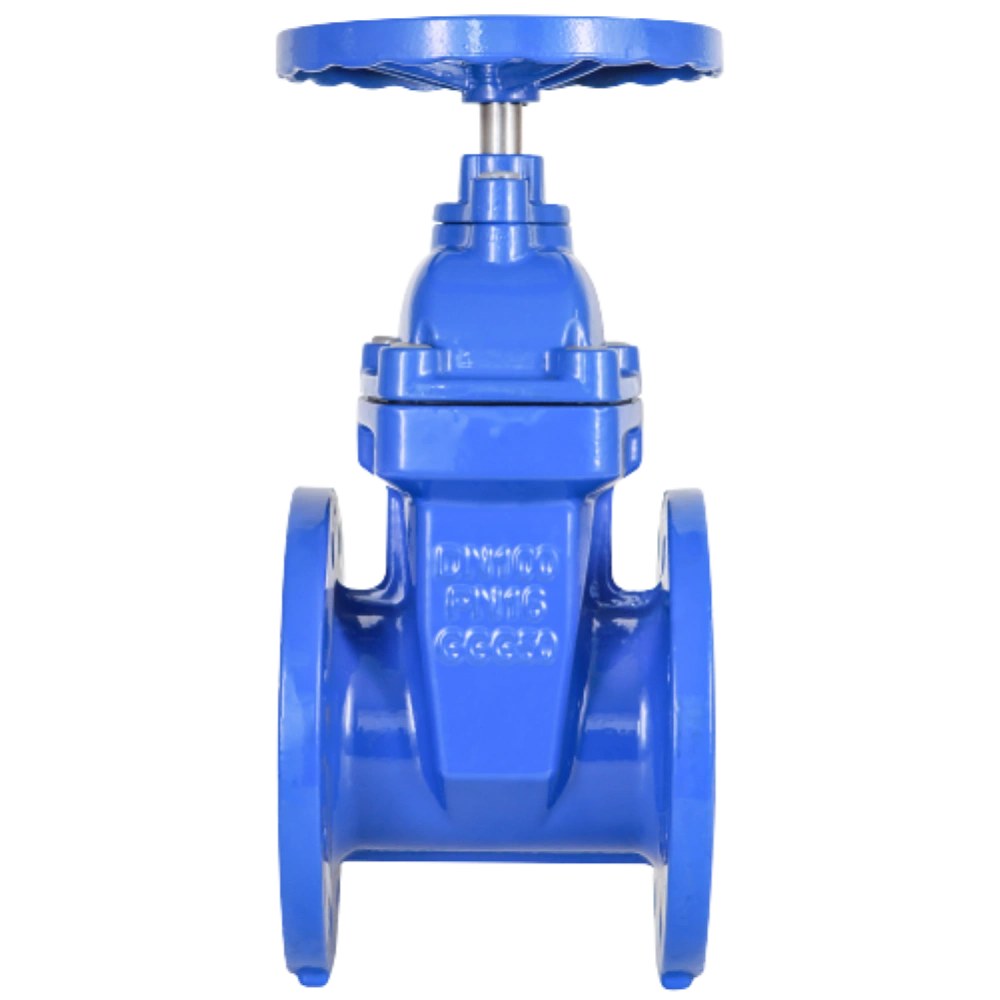
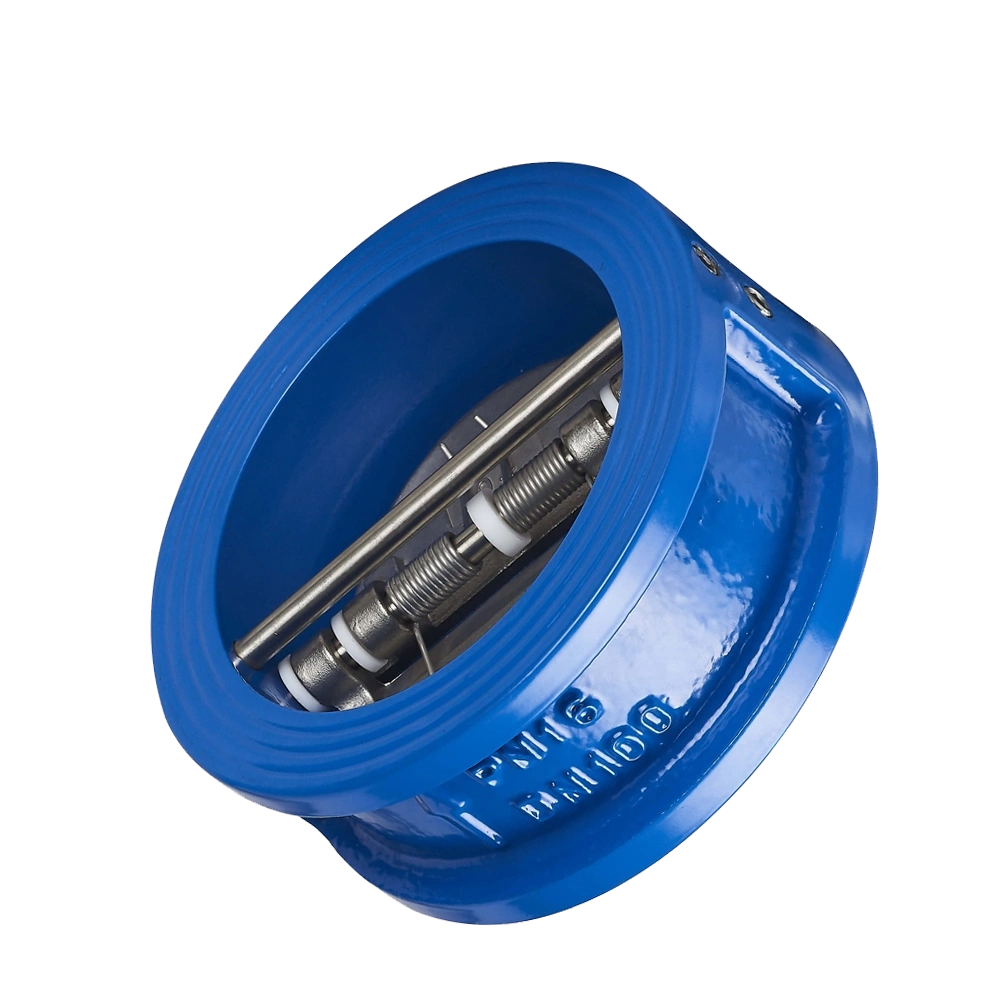
The manufacturing process of the lug butterfly valve body includes the steps of flange connection surface, seat inlay surface, top flange and drilling, top and bottom holes of the valve stem, threaded hole of the valve stem top, lug ear drilling, deburring and threading.
Lug butterfly valve body manufacturing process
The manufacturing of the lug butterfly valve body involves precision machining and assembly to ensure structural strength, sealing performance and pipeline system compatibility. The lug butterfly valve features threaded lugs (ears) on the valve body, which can be bolted to the flange without nuts, supporting end-of-pipe service or single-side pipeline disassembly. The following are the detailed steps of the processing process:
-
Material selection and casting
– Process: According to the material selected by the customer (usually ductile iron, wcb or stainless steel, etc.) and standards, the valve body is formed by sand casting or investment casting, and the molten metal is injected into the mold containing the lug shape.
– Details: The mold design includes the lug (the ear is solid and will be drilled and threaded later). After casting, the casting is cooled, cleaned, and inspected for defects (such as pores or cracks) by methods such as ultrasonic testing.
– Output: The original valve body casting is ready for machining.
-
Flange surface preparation
– Process: The valve body flange connection surface is machined to ensure that it matches the standard flange (DIN, ANSI, JIS). Including surface flattening to ensure smooth connection surface and compatibility with pipeline flanges.

– Details: Machining ensures compliance with EN558/ ISO 5752/API 608 standards, supporting the connection of the valve body with double flanges or blind flanges.
– Output: Valve body with machined flat connection surfaces such as grooves or waterlines.
-
Seat inlay surface
– Process: Refers to the inner surface of the valve body where the valve seat is inlaid or bonded. For hard back lug butterfly valves, the rubber or PTFE valve seat needs to be fixed in the valve body by pressing or vulcanization, or the soft valve seat in the video needs to be grooved in the valve body to prevent the valve seat.

– Details: The inner hole is not only machined to a precise diameter and smoothness to ensure a tight fit on the valve seat, but also needs to be machined with some water lines to ensure friction to prevent relative displacement.
– Output: Valve body with grooves or water lines.
-
Top flange and drilling
– Process: The top flange of the valve body is machined to serve as a mounting platform for the actuator or handwheel in accordance with ISO 5211.

– Details: After the top flange is cast, it is machined flat and drilled (usually four holes) for fixing the actuator or gearbox. The drilling is done by CNC machine tools to ensure alignment with the actuator mounting pattern (F05, F07).
– Output: Valve body with machined and drilled top flange, ready for actuator installation.
-
Machining of top and bottom holes of valve stem
– Process: Two holes are drilled in the valve body for mounting the valve stem connecting the valve disc and the actuator. The top hole passes through the neck of the valve body, and the bottom hole is located at the bottom of the valve body (can be a through hole or a blind hole, depending on the design).

– Details: CNC machine is used to precisely drill the hole, ensuring that the hole is aligned and fits the stem. Bushings or bearings are often inserted in the hole to reduce friction and ensure smooth rotation of the stem. The bottom hole may be sealed to prevent leakage.
– Output: Valve body with precisely aligned stem hole.
-
Threading of top stem hole
– Process: Threading of the top stem hole to secure the stem or actuator components, especially in designs that require extended stems.

– Details: Internal threads (such as Whitworth or metric threads to ANSI 150) are machined using a tapping tool. Some designs may use O-rings or packing seals instead of threads to prevent leakage.
– Output: Valve body with threaded top stem hole (if required by the design).
-
Drilling of lugs
– Process: Drilling of lugs on the valve body.
– Details: CNC drilling machine is used to drill holes in each lug, with the hole diameter matching the standard bolt (ANSI 150 or PN16). The number and size of the holes depends on the nominal valve diameter (DN40-DN1000) and the flange standard.
– Output: Valve body with lug holes, ready for threading.
-
Deburring
– Process: After drilling, the lug holes in the valve body are deburred to remove burrs and metal chips from the drilled surface.
– Details: Deburring is done using CNC to ensure a smooth surface to prevent injuries during operation. Deburring also improves the fit and appearance of the threaded hole bolts.
– Output: Smooth, burr-free valve body, ready for further processing or coating.
-
Threading (lug threads)
– Process: The drilled lug holes are tapped to produce internal threads that can be screwed directly into the valve body without nuts.

– Details: The threads are machined using precision tapping tools to match the bolt specifications. The threads need to withstand the clamping force of the flange bolts to ensure a secure connection. The thread quality is inspected to ensure strength and compatibility.
– Output: Valve body with complete threaded lug holes.
-
Surface treatment and coating
– Process: Clean and coat the valve body to enhance corrosion resistance and durability for use in water treatment, sewage or seawater environments.
– Details: Epoxy powder coating (150-250 microns, blue RAL 5005 or red RAL 3020) is usually applied by electrostatic spraying and cured at high temperature. The coating is checked for uniformity and adhesion in accordance with ISO 9001 standards.
– Output: Coated valve body with enhanced durability.
—
Conclusion
Each step of the lug butterfly valve body manufacturing process is critical to ensure the compatibility, sealing performance and durability of the valve with flange connections, in accordance with international standards such as ISO 5211, API 609, and traceability and performance are ensured through strict quality control.