
Valves are common in many pipelines. They help regulate the flow of fluids and gases. However, what makes these valves leak-proof is their seals. This seal is present between the disc and the valve body. Different seal materials are available, and EPDM and NBR are two popular materials. However, the distinction between them has led to a debate about EPDM vs NBR.
Some people say EPDM seals are strong, while others favor NBR seals. These differing opinions can be confusing and affect decisions. If you’re about to choose seal materials, this article is for you. In this article, I will discuss the differences between EPDM and NBR materials when chosen for seals. So, let’s get started.
Overview of EPDM & NBR
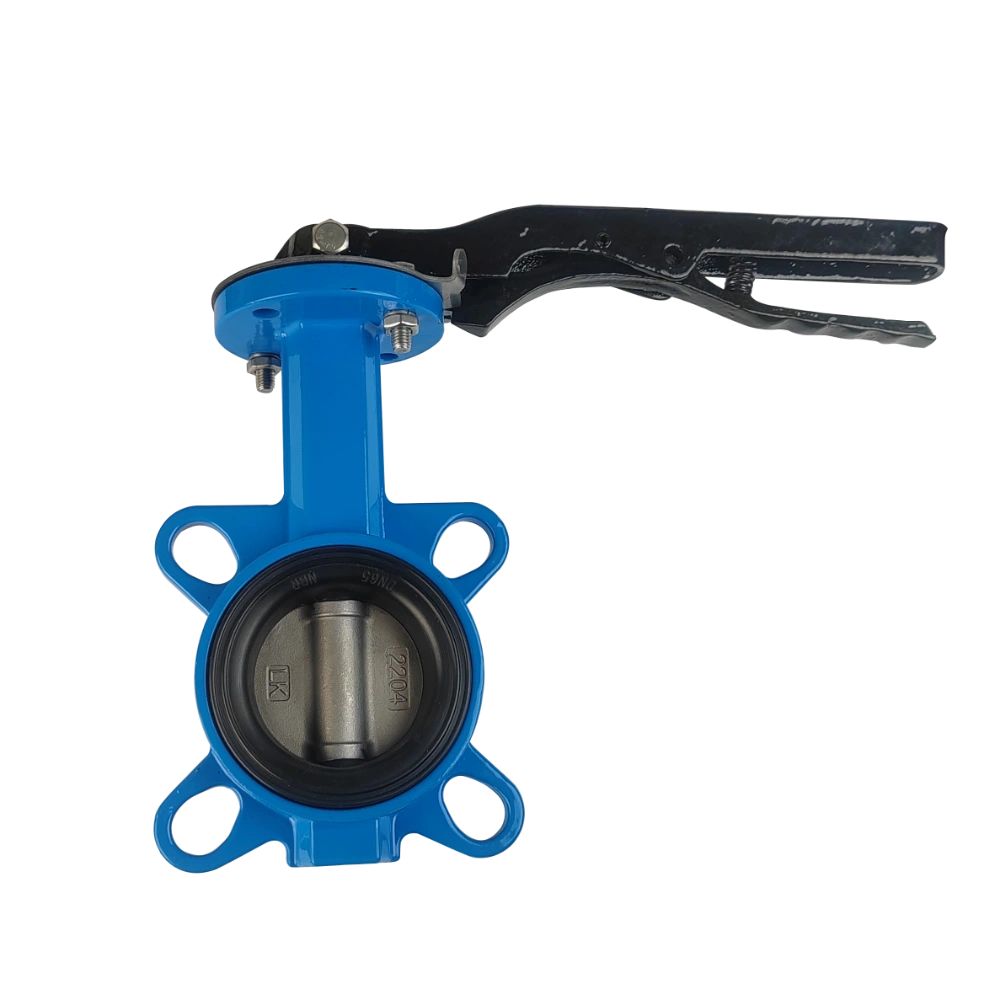
First things first – valve seals are an important component of every valve. In fact, they play integral parts in butterfly valves as well. Why? This seal closes the gap between the disc and the body. When the valve is closed, the disc is pressed against this seal. As a result, this seal deforms and comes between the valve disc and the body.
This removes even tiny gaps that could be left between the disc and the body. As a result, these seals reduce the chances of leakage. EPDM and NBR are two sealing materials used in modern valves.
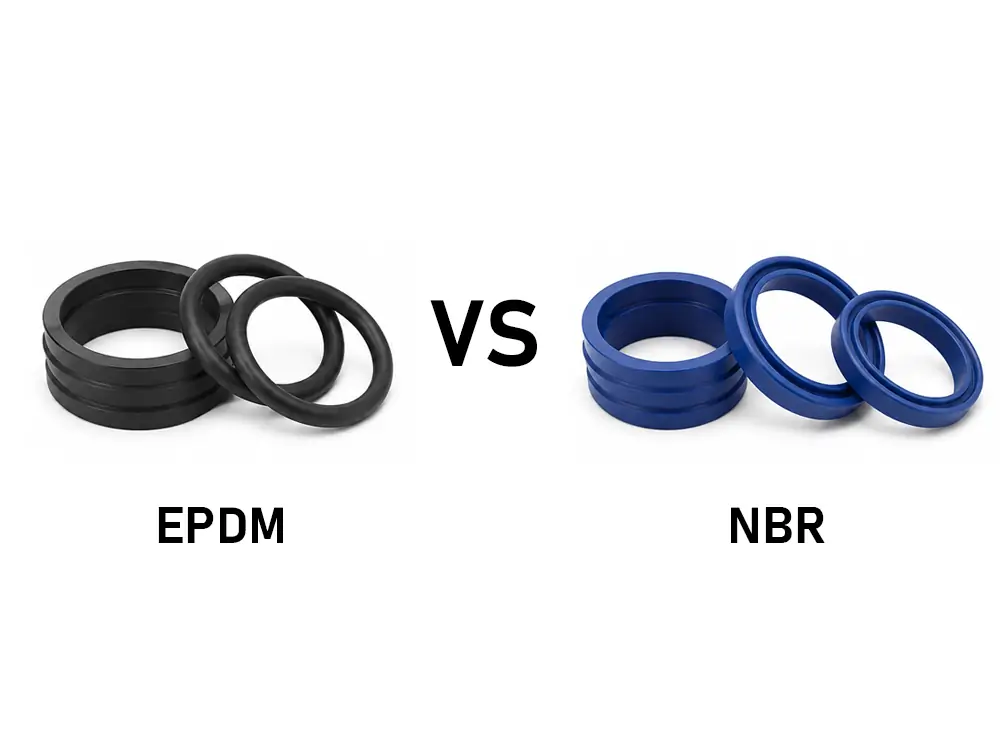
EPDM stands for Ethylene Propylene Diene Monomer. It is a synthetic rubber that offers decent resistance to water, steam, sunlight, ozone, and more. In contrast, NBR stands for Nitrile Butadiene Rubber. This material is excellent against petroleum oils. A seal made of this material is ideal for oil or chemical service.
This is one of the standout differences between these two seal materials. EPDM is sensitive to oil and chemicals. Why? When EPDM comes into contact with oil, it absorbs some of it. This oil, when it goes into the rubber, causes swelling and other issues. As a result, this material deteriorates. If you use an EPDM seal against oil pipelines, these seals will swell quickly.
As a result, you’ll notice leakage issues in the valves. In contrast, NBR does not absorb oil, fuel, or chemicals. Additionally, this material offers excellent abrasion resistance, a significant advantage. That’s why NBR seals are typically used for petroleum oils, mineral oils, hydraulic fluids, fuels, and so on. EPDM seals are also more resistant to UV rays, ozone, and weathering.
Differences Between EPDM vs NBR
EPDM and NBR are two distinct materials. They are both used to make seals, but they fit in different cases. Why? That’s because of the differences that I’ll discuss in the upcoming section.
1- Chemical, Oil & Fuel Resistance
EPDM materials are excellent for water, steam, and even diluted fluids. However, when this material comes into contact with oil, oil is absorbed into it. This oil goes inside and causes this rubber to swell. This swelling deteriorates this material quickly. That’s why EPDM seals should not be exposed to oil or fuel.
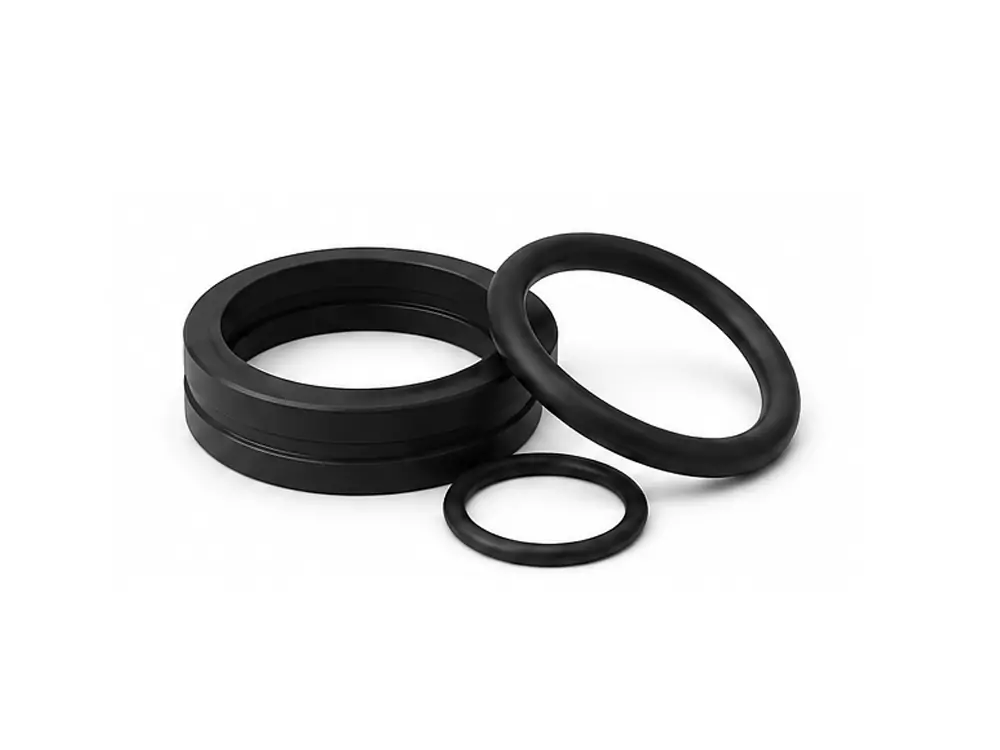
In contrast, NBR is excellent against oil, fuel, and other chemicals. You can even use NBR seals in hydraulic systems. Hydraulic oil won’t degrade this material.
2- Water & Steam Resistance
EPDM is excellent for water and steam resistance. A seal made from this material will withstand both hot and very cold water. Even if it stays in contact with water for a long time, it won’t lose its flexibility. On the other hand, NBR is not a very good option for water and steam resistance. Why? This material loses its elasticity when it remains in contact with water. Once elasticity is reduced, the material becomes harder and less efficient. A hard material, when pressed by a disc, deteriorates quickly. For valves used in water or steam lines, using an EPDM seal makes sense.
3- Temperature Resistance & Thermal Cycling
EPDM and NBR differ in terms of temperature resistance. EPDM material performs better under high-temperature conditions. It can even remain in good condition when exposed to hot water or steam. Additionally, it retains its elasticity at high temperatures. Similarly, EPDM seals remain in good condition at very low temperatures.
In thermal cycling (exposure to low and high temperatures), EPDM performs better. It does not become stiff, which is a significant advantage. On the other hand, NBR is less temperature-resistant. It gets stiff and harder when exposed to hot liquids. This hardness affects performance and reduces lifespan. Below is the table showing the exact temperature resistance levels of these materials.
| Temperature Resistance | EPDM | NBR |
|---|---|---|
| Typical Low Temperature | −50°C (−58°F) | −30°C (−22°F) |
| Typical High Temperature | +150°C (+302°F) | +100°C (+212°F) |
4- UV, Ozone & Weathering Resistance
As you know, valves can be installed in both indoor and outdoor conditions. Seal selection varies depending on the location of the valves. EPDM materials are resistant to UV rays, ozone, sunlight, and so on. If your valve is used outdoors, I recommend an EPDM valve seal. It will easily withstand harsh outdoor conditions (ozone, UV rays, and sunlight).
On the other hand, NBR is not ideal for UV and ozone resistance. In fact, it also has poor weathering resistance, which is a drawback. Therefore, an NBR seal is a perfect fit for a valve used in indoor conditions.
5- Abrasion & Aging Resistance
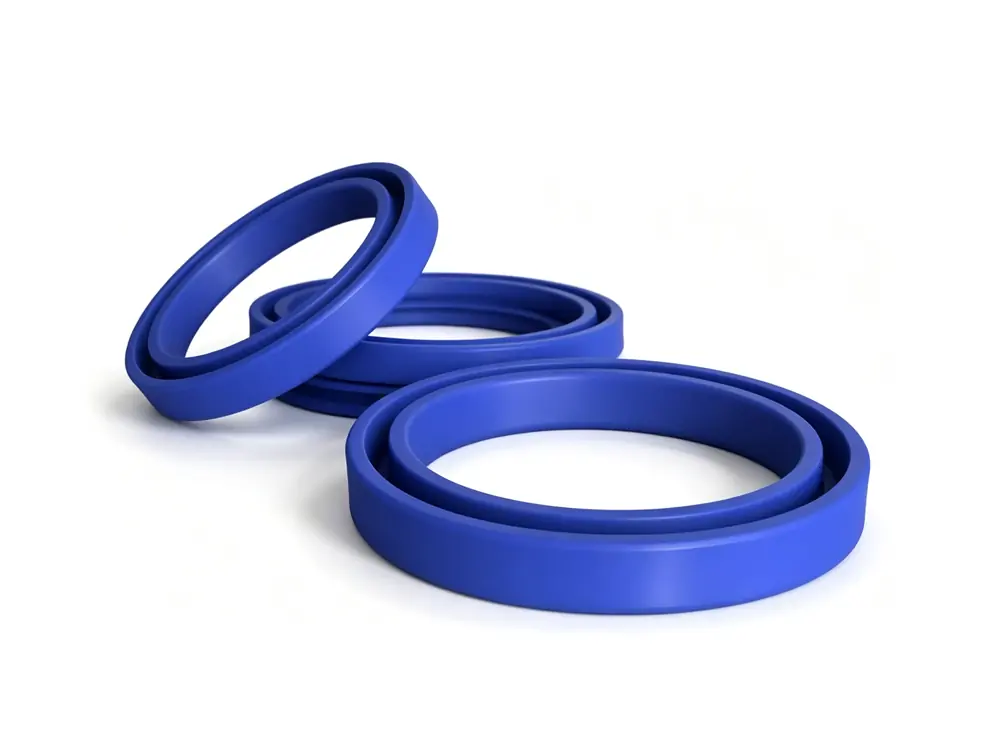
Considering mechanical wear, abrasion, and aging is important. NBR offers excellent mechanical strength. This material does not wear out quickly, thanks to its high tensile strength. Even with regular friction, movement, and rubbing, this material will still perform well. It won’t age quickly when used indoors. However, it ages faster when exposed to UV or sunlight.
On the other hand, EPDM material has lower tensile strength. However, this material does not age quickly, even when used outdoors. It will remain in good condition despite facing sunlight, UV rays, and so on.
6- Strength & Swelling Resistance
NBR has high tensile strength, which improves its resistance to mechanical wear. If you rub or expose this material to friction, it will remain in good condition. This strength helps the seal last longer. Additionally, when this material comes into contact with oil, NBR does not absorb it. If it absorbs oil, it will cause swelling.
Seals made with NBR materials are typically swell-resistant. On the other hand, EPDM has reduced strength and swelling resistance. In fact, this material swells whenever oil comes in contact with it. This is because the material absorbs oil. When oil is added, it deteriorates and swells.
7- Durability & Lifespan
Interestingly, both of these materials offer decent durability. However, they have some weaknesses that affect their lifespan. For example, NBR has excellent mechanical strength. It resists friction and repeated contact. Additionally, it performs excellently when exposed to oil, fuel, and chemicals. In these conditions, this seal material offers excellent durability. But if this material is exposed to UV rays, sunlight, etc., it will deteriorate quickly.
In fact, exposing it to hot water or steam can also reduce its lifespan. On the other hand, EPDM material is resistant to UV rays, sunlight, weathering, and aging. It will offer excellent durability and lifespan when used under these conditions. However, this material is very sensitive to all types of oils. If you use this seal material in an oil system, it will not offer durability. Instead, oil will enter it, causing swelling and shortening its lifespan.
Quick Highlight: If you want to get a better lifespan, use these seal materials as per their safe zones. Ideally, you should use EPDM for valves used in water or steam lines. Avoid using EPDM seals in valves used in oil conditions. In contrast, NBR seals should be used in indoor conditions. If you use them to their full strength, you will get excellent durability.
8- Cost & Applications
EPDM and NBR are two cost-effective options. Seals made of these materials are not very expensive. That’s why people often ignore their price comparison when choosing between them for a seal. However, if observed critically, EPDM is slightly cheaper than NBR. Since NBR offers better strength and wear resistance, it is slightly more expensive. Both of these seal materials are suitable for different applications. Below is the table showing the applications of seals made from these materials:
| EPDM Seal Applications | NBR Seal Applications |
|---|---|
| Water valves | Oil valves |
| Hot-water systems | Hydraulic valves |
| Steam valves | Fuel valves |
| HVAC systems | Lubrication systems |
| Water treatment | Petroleum systems |
| Outdoor valves | Pneumatic systems |
| Wastewater systems | Industrial machinery |
| Potable-water systems | Oil & gas equipment |
Conclusion: Which Seal Material Is Better, EPDM or NBR?
Both of these seal materials are excellent in their own ways. That’s why they should be chosen depending on what you need.
I recommend choosing EPDM as the seal material for valves used in outdoor conditions. Additionally, this seal material performs exceptionally well in water or steam supply lines. Above all, it offers excellent resistance to UV rays, sunlight, and so on. In contrast, choosing NBR makes sense in oil supply lines. You should never choose EPDM seals for oil, fuel, or chemical supply lines.
An NBR seal won’t experience swelling issues. Additionally, regular contact with oil, fuel, and chemicals won’t affect its quality. However, this material is not suitable for use in sunlight, UV exposure, weathering, and similar conditions. That’s why I don’t advise you to use the NBR seal in a valve that is in outdoor conditions. If so, this seal (NBR-made) will age and deteriorate quickly. Now, understand the differences between EPDM and NBR and choose the right materials for your valve seal.