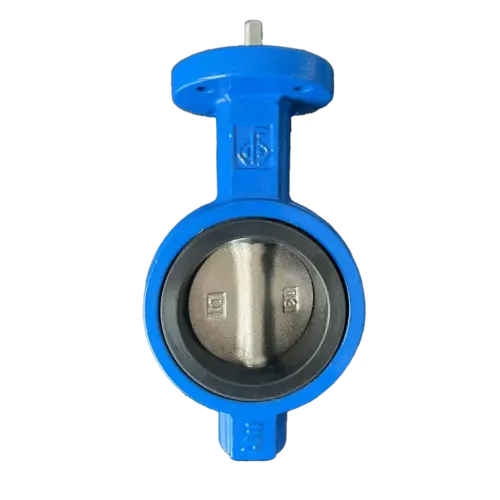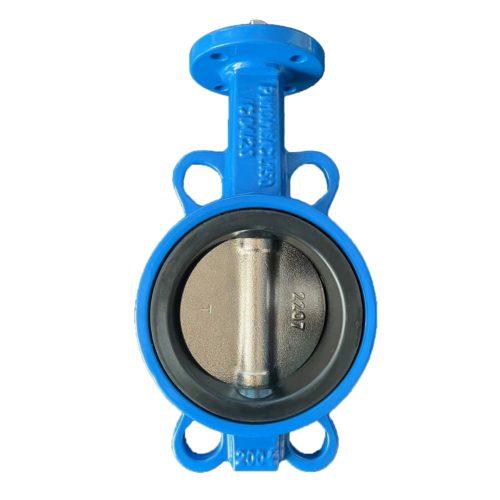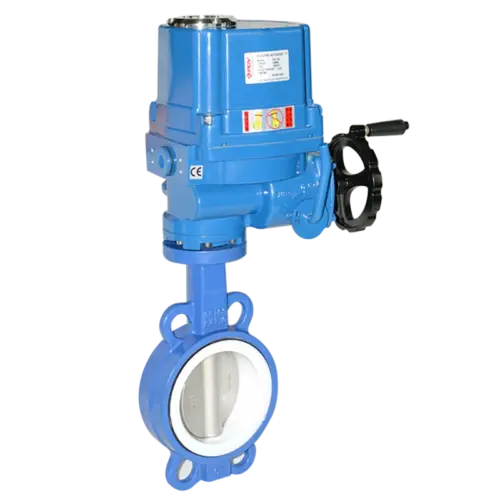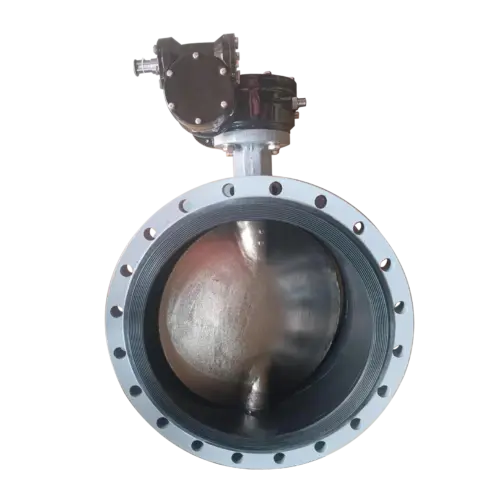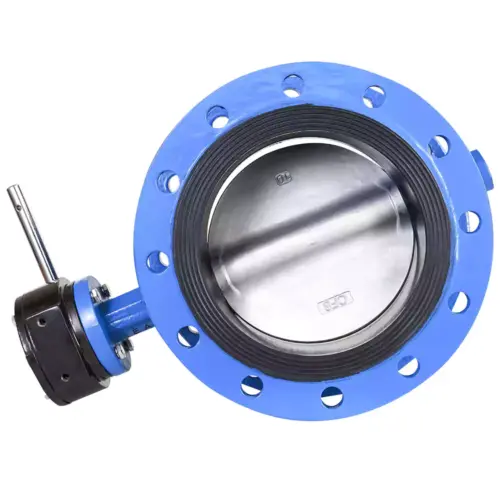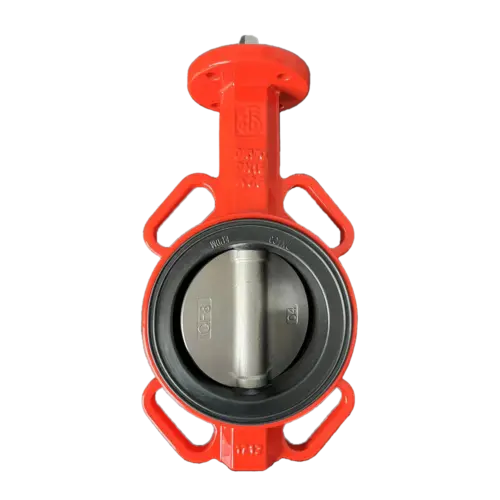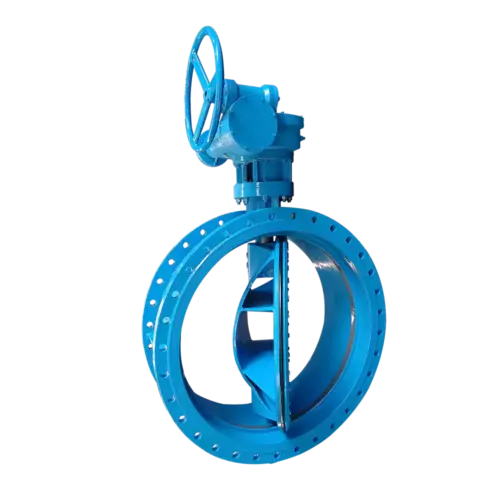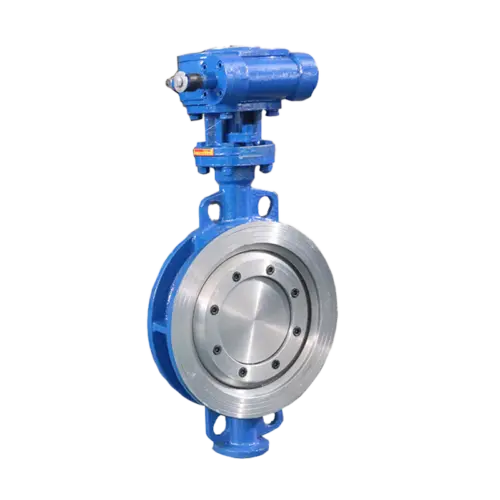
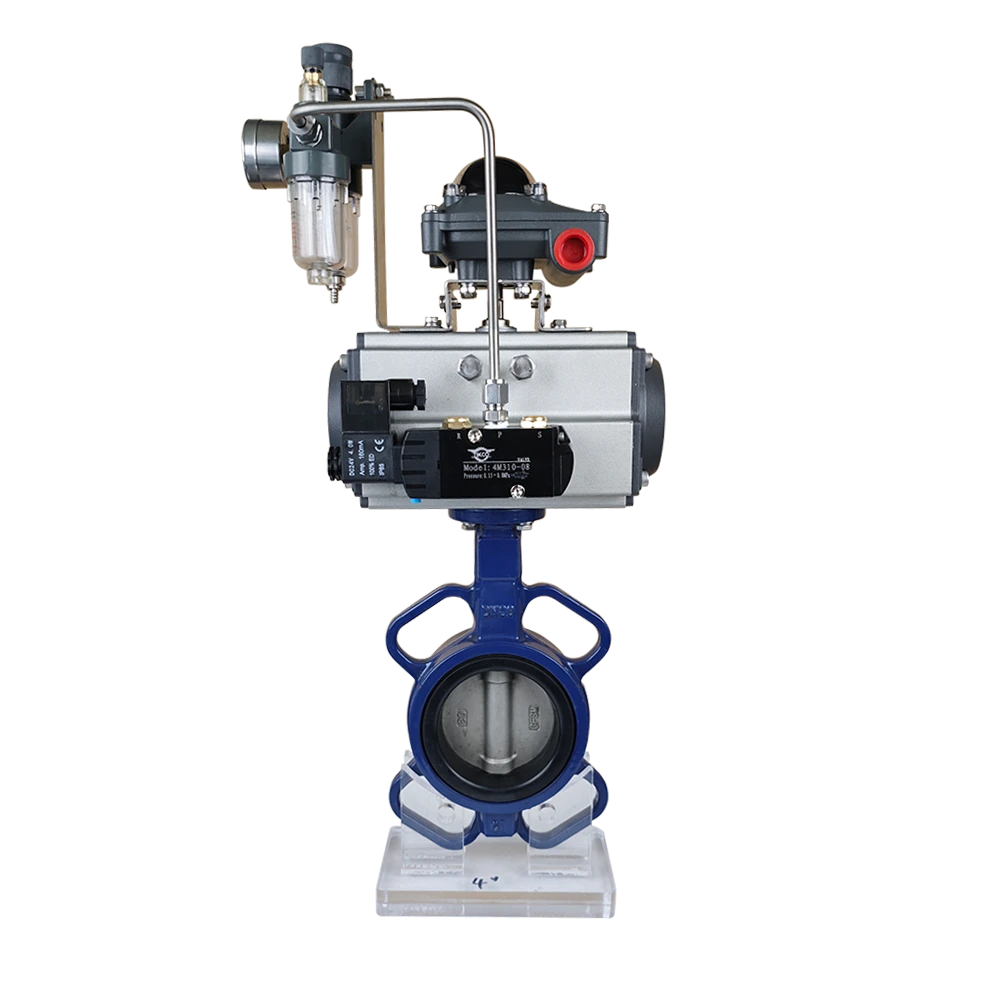


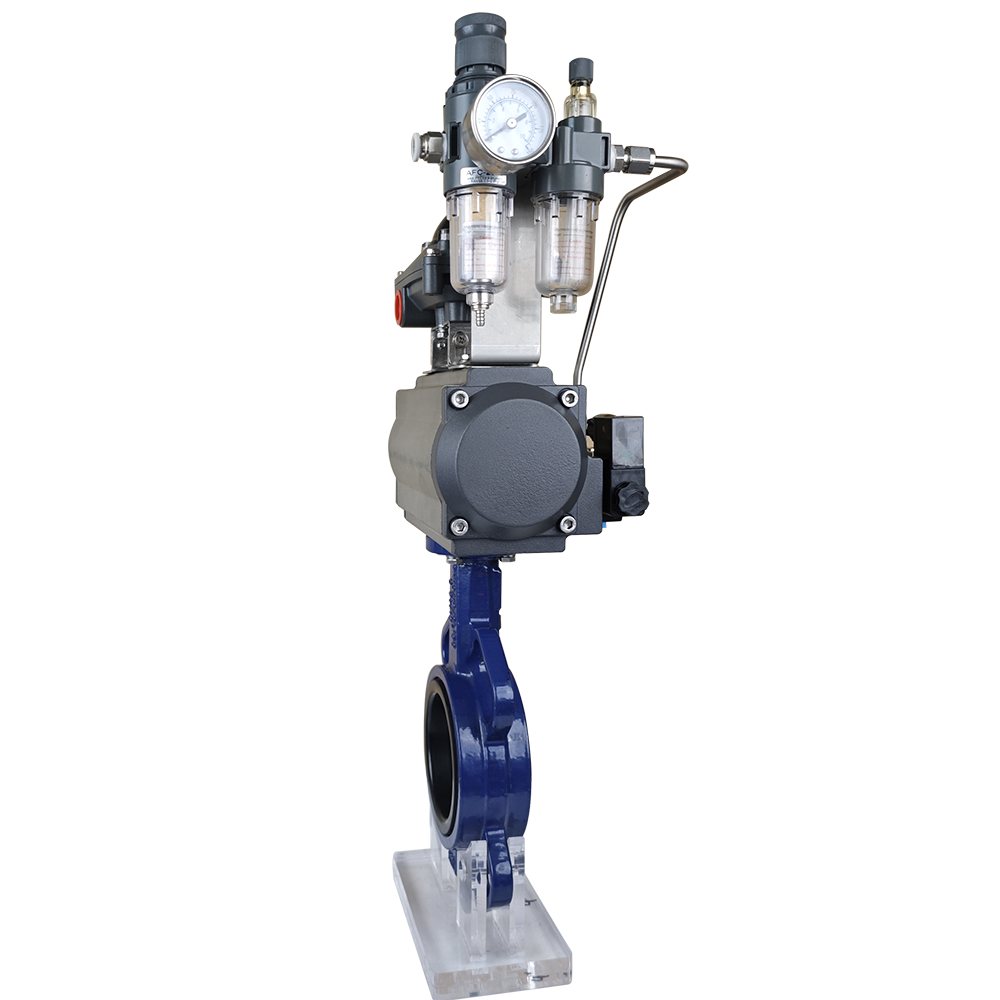
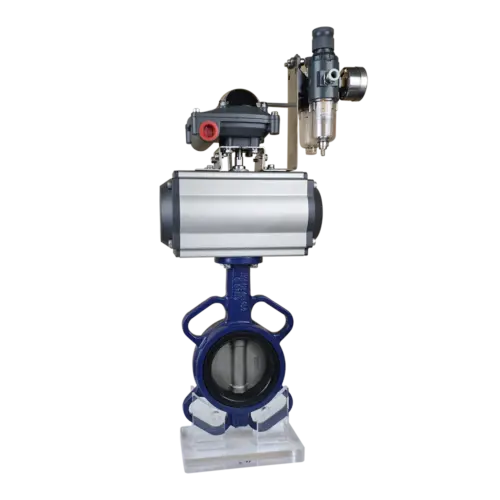
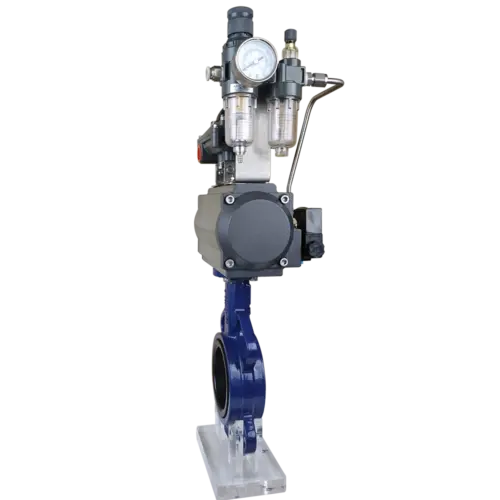

Features of Pneumatic Butterfly Valve
- Fast Pneumatic Operation: Pneumatic wafer butterfly valve for fast and reliable automated control.
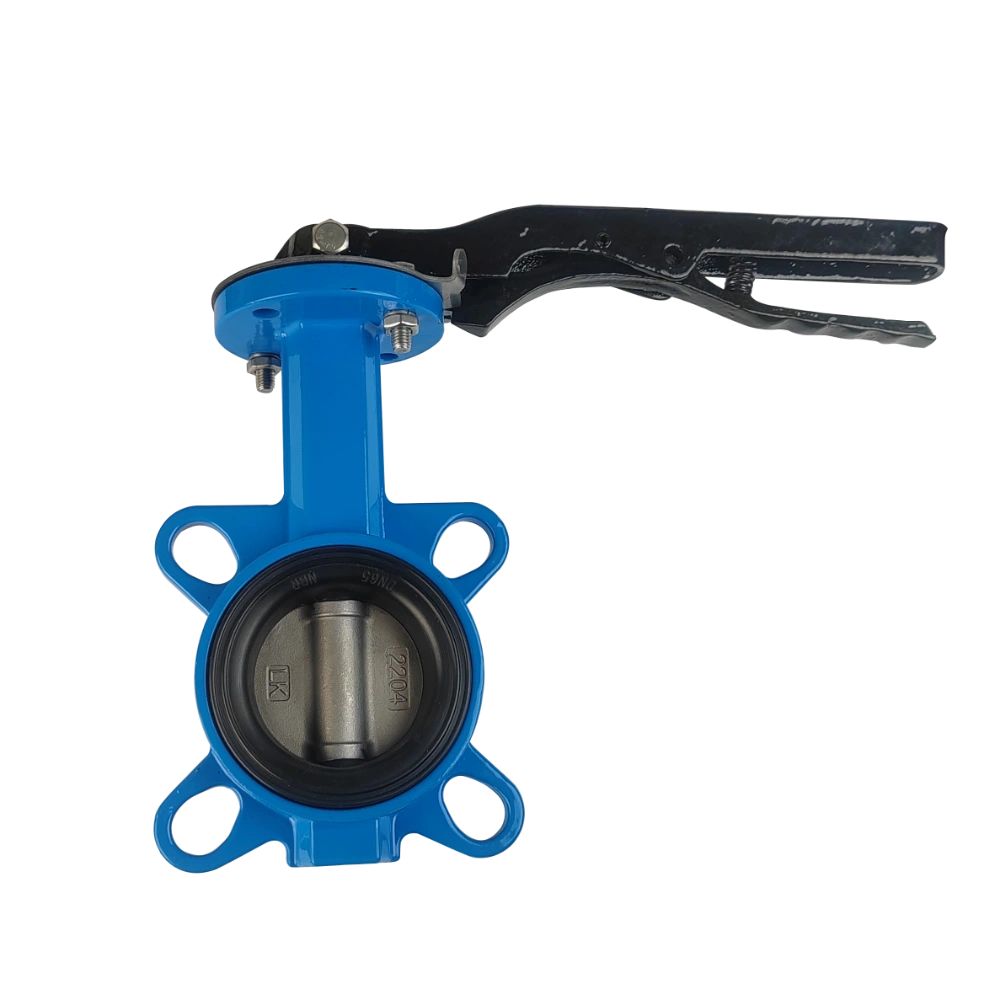
- Compact Wafer Design: Compact air actuated butterfly valve for easy flange installation.
- Reliable Sealing: Pneumatic butterfly valve with bubble-tight sealing and low torque.
- Multiple Material Options: Pneumatic operated butterfly valve with customizable body, disc, and seat materials.
- ISO 5211 Mounting: Easy integration with actuators and automation accessories.
- Long Service Life: Optimized automated butterfly valve design for reduced wear.
- OEM & Custom Solutions: Trusted pneumatic butterfly valve manufacturer with OEM support.
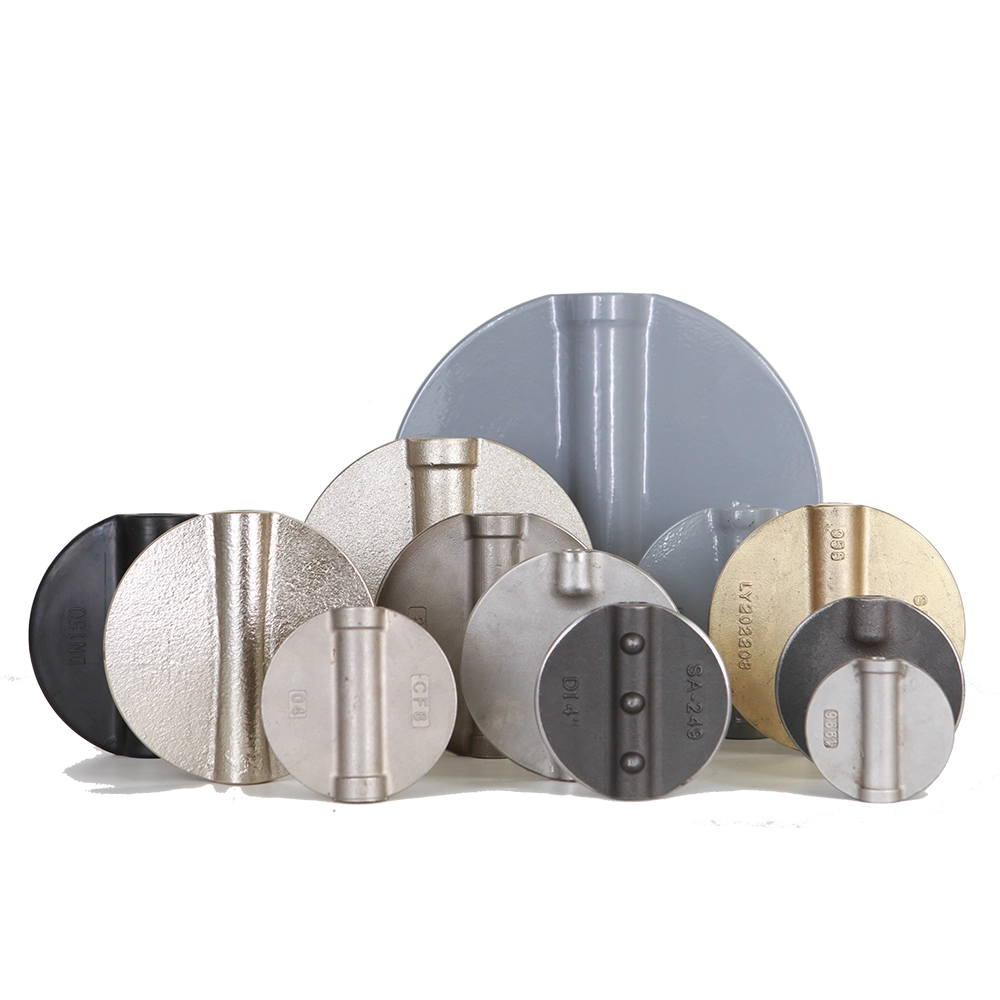
- CF8M Stainless Steel Disc: Durable CF8M disc provides excellent corrosion resistance.
- Hardback Valve Seat: Reliable hardback valve seat ensures longer service life and stable sealing.
Basic Info of Pneumatic Butterfly Valve
Material Option of Air Actuated Butterfly Valve
| Part Name | Material/Method |
| Body | Ductile Iron, Casting Iron, WCB, LCB/LCC, Stainless Steel, Duplex Stainless Steel, Aluminium Bronze |
| Disc | Ductile Iron(Coated/Lined), WCB, LCB/LCC, Stainless Steel, Duplex Stainless Steel, Aluminium Bronze |
| Seat | Rubber(EPDM/NBR/VITON), Nature Rubber, Silicon Rubber, PU, HNBR, Hypalon |
| Stem | 304, 316, 420(2Cr13), 431, 1.4462, 17-4PH, Monel |
| Actuator | Pneumatic, Handlever, Worm Gear, Electric |
Technical Parameters of Wafer Butterfly Valve with Pneumatic Actuator
| ITEM | Standard |
| Design | EN593 | API609 |
| Face to Face | EN558 | ISO5752 | API608 | BS5155-4 |
| Top Flange | ISO5211 |
| Flange Drilling | PN6 | PN10 | PN16 | ASME B16.5 CL150 | JIS 10K |
| Pressure Rating | PN6 | PN10 | PN16 | PN25 | CL150 | JIS 10K |
| Tightness Test | ISO5208 | API598 | EN12266-1 |
Dimensions of Pneumatic Wafer Butterfly Valve
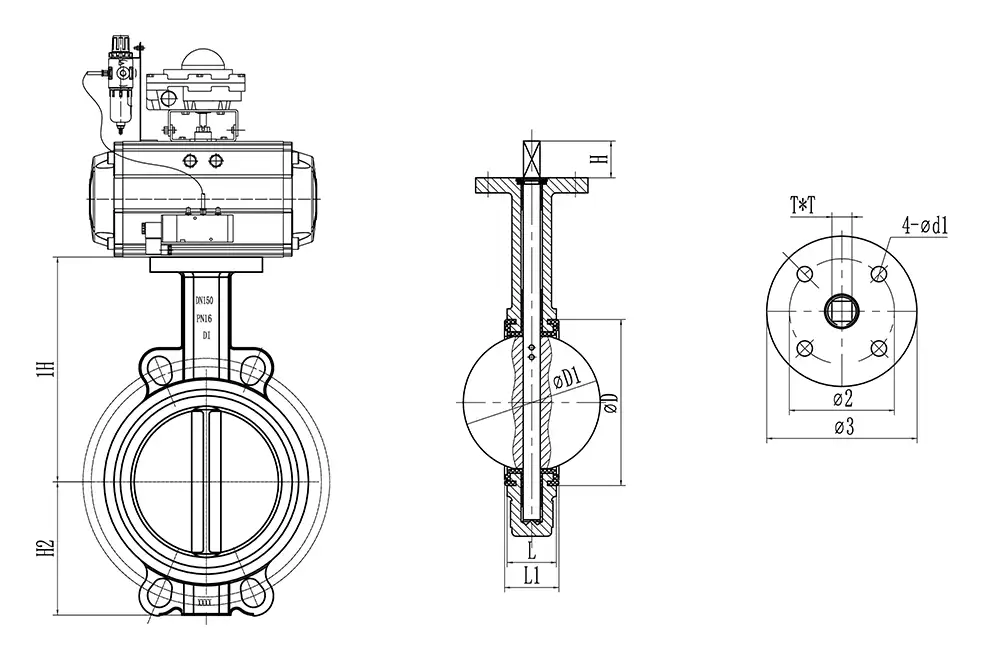
| SIZE | øD | øD1 | L | H | H1 | H2 | ø2 | ø3 | 4-ød1 | T*T |
| DN40 | 72 | 43 | 33 | 25 | 121 | 61 | 50 | 65 | 7 | 9 |
| DN50 | 76.3 | 52.8 | 42 | 25 | 131 | 66 | 50 | 65 | 7 | 9 |
| DN65 | 89 | 64.6 | 44.7 | 25 | 142 | 71 | 50 | 65 | 7 | 9 |
| DN80 | 103.9 | 79.1 | 45 | 25 | 150 | 83 | 50 | 65 | 7 | 9 |
| DN100 | 135 | 104.4 | 51.2 | 25 | 170 | 102 | 70 | 90 | 10 | 11 |
| DN125 | 159 | 123.3 | 54.4 | 25 | 184 | 117 | 70 | 90 | 10 | 14 |
| DN150 | 188.4 | 155.6 | 55 | 25 | 200 | 130 | 70 | 90 | 10 | 14 |
| DN200 | 238.2 | 202.5 | 58.8 | 35 | 240 | 162 | 70 | 90 | 10 | 17 |
| DN250 | 292.4 | 250.5 | 65.7 | 35 | 270 | 196 | 102 | 125 | 12 | 22 |
| DN300 | 344.2 | 301.6 | 76 | 35 | 310 | 216 | 102 | 125 | 12 | 22 |
| DN350 | 375.2 | 333.4 | 76.5 | 45 | 368 | 260 | 102 | 140 | 12 | 22 |
| DN400 | 439.5 | 389.6 | 85.7 | 50 | 400 | 315 | 140 | 175 | 18 | 27 |
| DN450 | 490.5 | 440.5 | 104.6 | 50 | 422 | 340 | 140 | 175 | 18 | 27 |
| DN500 | 535.4 | 491.6 | 130.2 | 55 | 480 | 379 | 140 | 175 | 18 | 32 |
| DN600 | 654.3 | 592.5 | 151.3 | 68 | 562 | 438 | 165 | 210 | 23 | 36 |
Application of Air OP Butterfly Valve
1. Water treatment facilities: For water treatment projects, pneumatic butterfly valves help regulate the inflow of raw water, the flow rate of treated water, and the outflow of wastewater.
2. Petrochemical industry: The petrochemical industry requires precise control of fluid flow and pressure. This makes pneumatic wafer butterfly valves ideal for regulating fluid flow in refineries, chemical tanks, gas processing units, and other facilities. Its rugged design can withstand the high temperatures and pressures common in this industry.
3. Power generation: During the power generation process, steam turbines need to precisely regulate inlet and outlet flows. Pneumatic butterfly valves minimize energy losses by regulating steam pressure.
4. Chemical industry: In chemical plants, pneumatic wafer butterfly valves can be used in processes such as mixing, separation, reaction, filtration, transportation, and storage of chemicals. Their function is to seal and control the flow of corrosive, toxic, or hazardous substances.
5. Food processing industry: Pneumatic butterfly valves are suitable for conveying, filling, batching, and metering operations in factories that produce beverages, dairy products, canned foods, and baked goods.
6. HVAC system: Butterfly valves regulate cold and hot water in HVAC systems. Automated operation improves efficiency and reduces manual intervention.
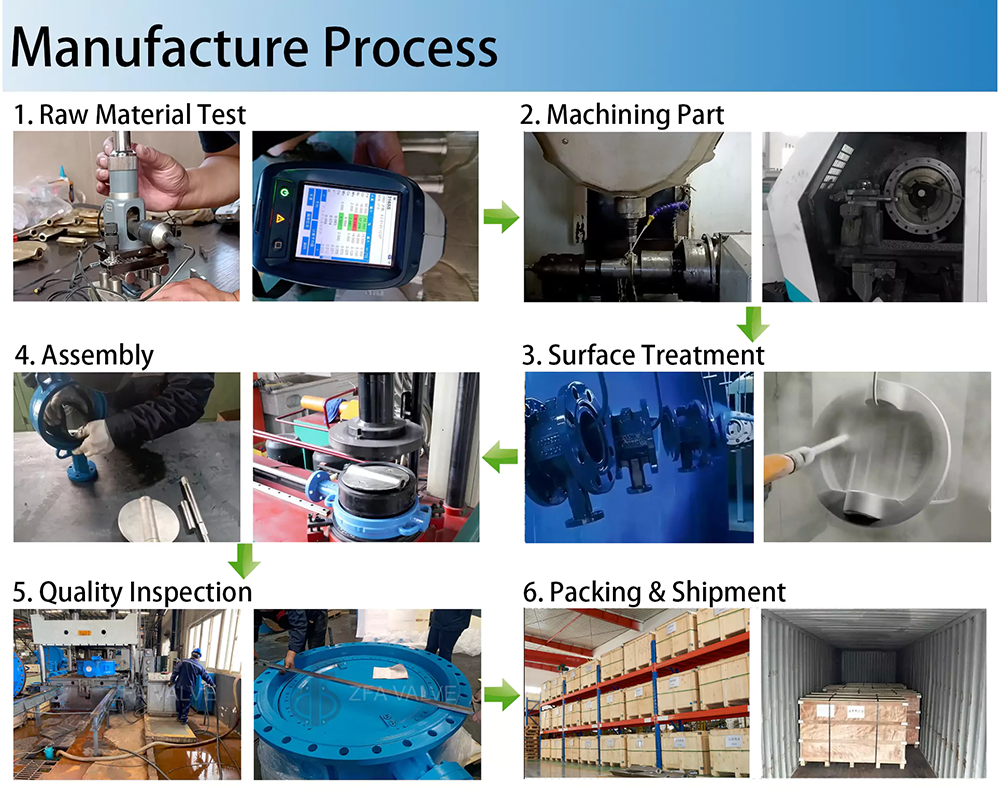
Manufacture Process of Butterfly Valve
Certificates of ZFA VALVE-Butterfly Valve Manfuacturer in China
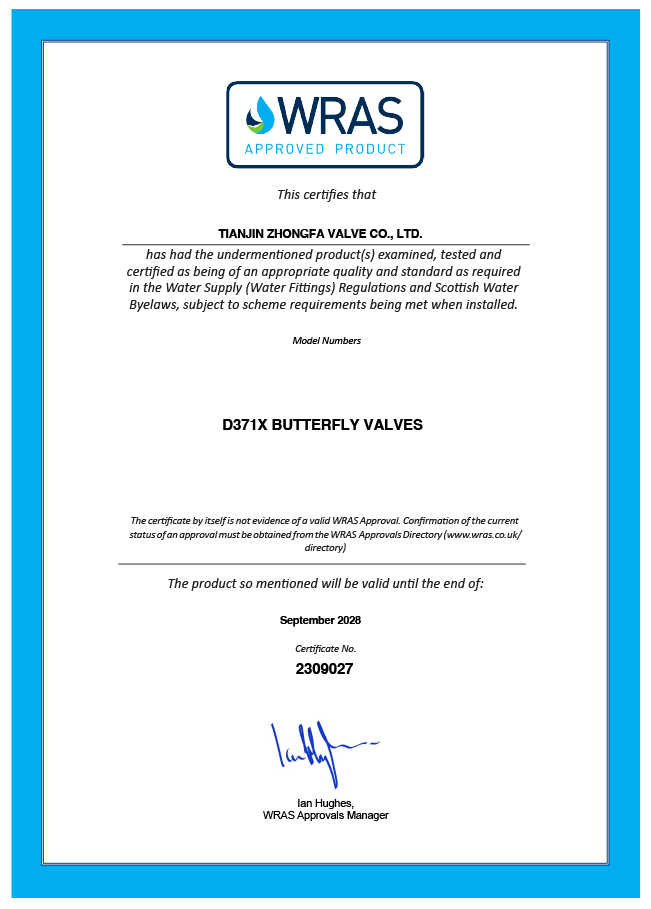
WRAS
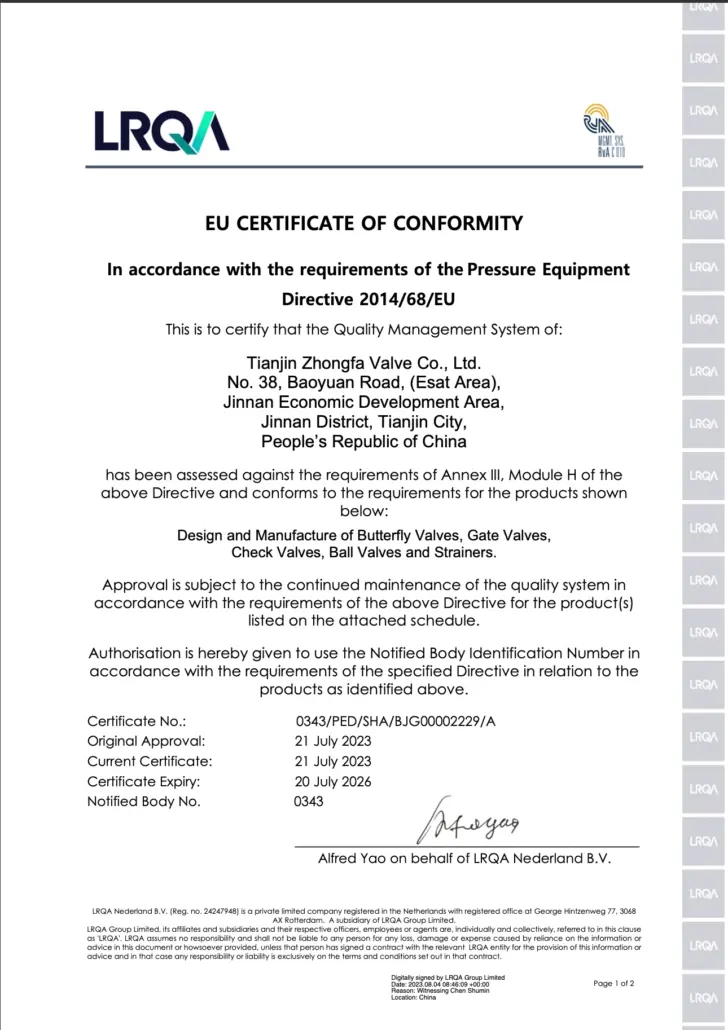
CE
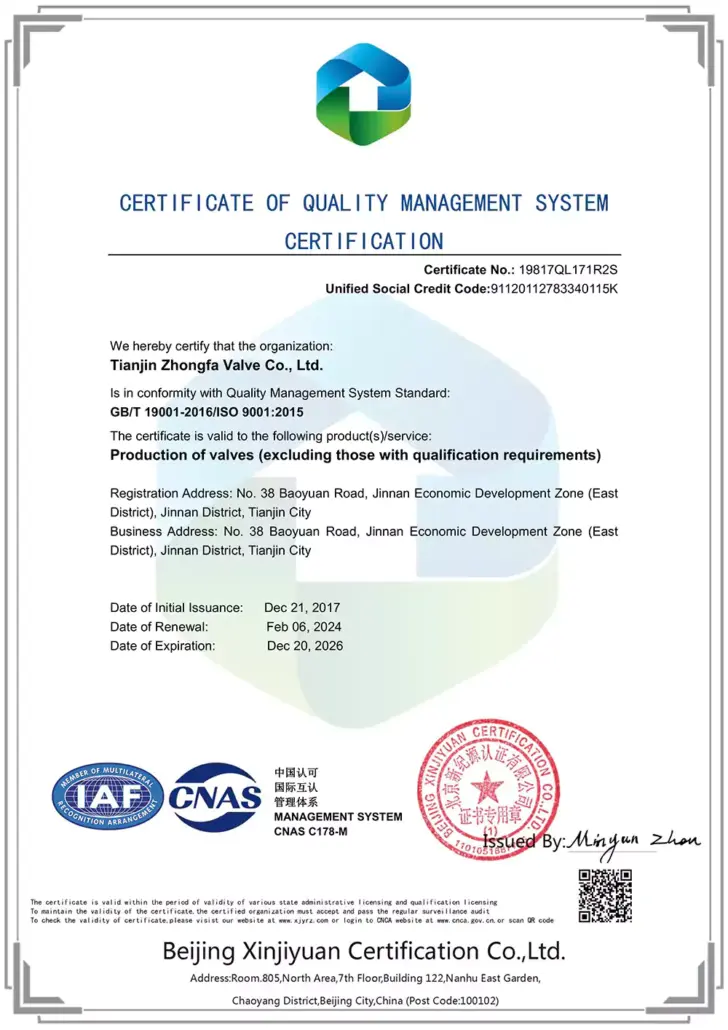
ISO 9001
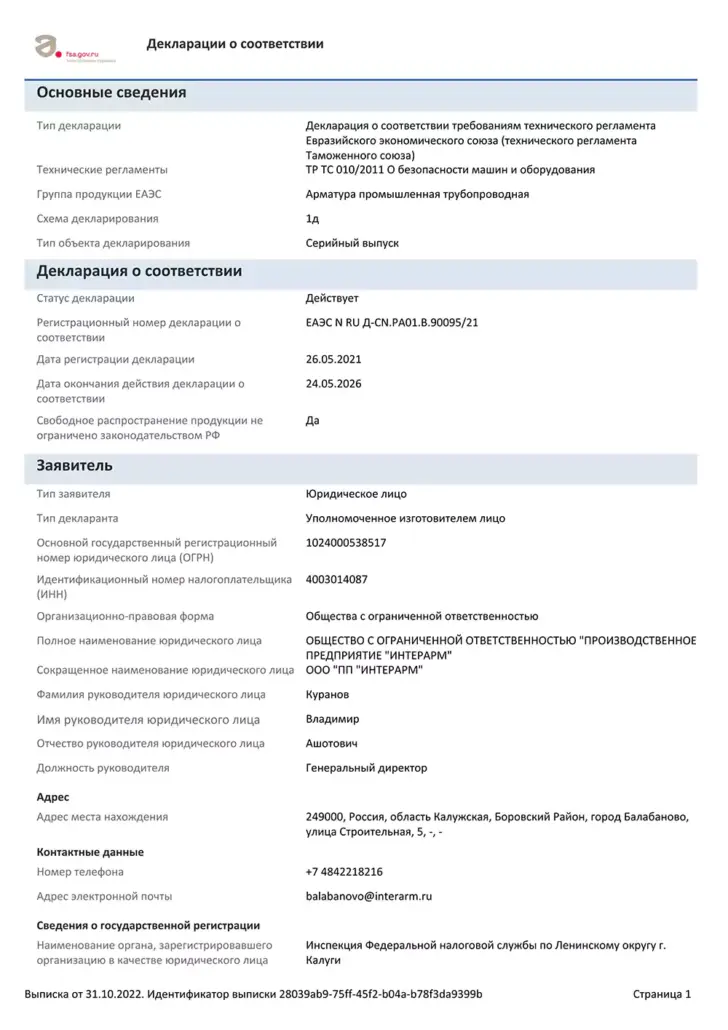
EAC Russia
Manufacture Process of Pneumatic Operated Butterfly Valve
1. What is a pneumatic wafer butterfly valve?
A pneumatic wafer butterfly valve is a butterfly valve equipped with a pneumatic actuator for automatic flow control.
It is installed between flanges and widely used in water treatment, HVAC, chemical, and industrial applications.
2. How does a pneumatic butterfly valve work?
A pneumatic actuator uses compressed air to rotate the valve stem and disc 90° for opening and closing. It can be controlled remotely through solenoid valves, PLC systems, or other automation equipment.
3. Why choose a pneumatic butterfly valve instead of a manual valve?
A pneumatic butterfly valve provides faster operation, remote control, easy PLC integration, lower labor costs, and reliable automation for frequent operation.
4. What is the difference between single acting and double acting pneumatic actuators?
A double acting pneumatic actuator uses compressed air for both opening and closing, while a single acting actuator uses air for one direction and springs for the return stroke
Use single-acting actuators when: fail-safe functionality (automatic closing or opening upon loss of air) is required, operating frequency is low, cost is a primary concern, or the air supply is unstable.
Use double-acting actuators when: high torque or thrust is required in both directions, positioning at intermediate points along the stroke is needed, operating frequency is high, or maintaining position upon loss of air is permissible (or there is insufficient space for a return spring).
5. What air pressure is required for a pneumatic butterfly valve?
Most pneumatic butterfly valves operate with 4–8 bar compressed air. By selecting a spring-return actuator.
6. Can “this” pneumatic butterfly valves be used for throttling?
No. Strictly speaking, this concentric butterfly valve type is suitable only for temporary throttling, not for long-term throttling. Among butterfly valves, only high-performance butterfly valves are suitable for long-term throttling.
7. What is the difference between a hardback valve seat and a replaceable soft seat?
The rigid-backed butterfly valve seat consists of a hard metal backing and a rubber sealing element; it is designed to be embedded directly into the valve body.
In contrast, the replaceable dovetail seat is made entirely of rubber and is designed to fit precisely into a groove on the valve body. This allows for the replacement of the seat alone—rather than the entire valve—when wear occurs, resulting in lower long-term maintenance costs.
8. How do I choose the correct seat and material for my application?
Seat and valve materials should be selected based on the medium, temperature, and corrosion conditions. EPDM is commonly used for water, NBR for oil, FKM for higher temperatures, and PTFE for chemical applications. Materials such as CF8M disc are available for better corrosion resistance.
9. Can pneumatic butterfly valves be equipped with automation accessories?
Yes. Pneumatic butterfly valves can be supplied with NAMUR solenoid valves, limit switch boxes, air filter regulators, positioners, and other accessories for automated control systems.
10. Can actuator brands and valve configurations be customized?
Yes. Actuator brands, valve materials, seat materials, coatings, sizes, and configurations can be customized according to project requirements.